Photo: Wikipedia
Find The Best Places To Live
in St. Augustine
PRO TIP! You can paste a Zillow or Redfin link to get info on that property.
What It's Like Living in St. Augustine, FL
St. Augustine feels less like a typical Florida beach town and more like a living history museum that happens to have great seafood and a solid fishing pier. With a population hovering around 15,000, it’s compact enough that you’ll recognize faces at the Publix, but the 46.9 median age means this isn’t a spring-break party scene—it’s a place where people settle down, raise kids, or retire into a slower, more deliberate pace of life. The vibe is old Florida, proud of its Spanish colonial roots, and just self-aware enough to poke fun at the ghost tours clogging St. George Street.
Daily Rhythm: What a Normal Week Looks Like
Most mornings start with coffee at a spot like The Kookaburra or a quick breakfast at Maple Street Biscuit Company before the crowds roll in. Commutes are genuinely painless—the average drive time is just over 20 minutes, which means you can live in a quiet neighborhood off Anastasia Island and still be downtown in ten minutes. People here shop local more than they mall-crawl; the St. Augustine Amphitheatre Farmers Market on Saturdays is a genuine community hub, not a tourist trap. Weekends often involve a boat launch at the Vilano Beach ramp, a hike through the Guana Tolomato Matanzas National Estuarine Research Reserve, or a lazy afternoon at the St. Augustine Distillery tasting room. The rhythm is unhurried, and that’s the point.
Sports, Community, and What People Rally Around
There’s no major pro sports team in town, so the community rallies around Flagler College athletics and the local high school teams—St. Augustine High School football games on Friday nights are a genuine social event, not just a parent obligation. The St. Augustine Saints (minor-league baseball) draw a loyal but modest crowd at the stadium off SR-16. What really gets people talking, though, is the St. Augustine Amphitheatre—it’s a mid-sized outdoor venue that pulls in national acts (think Jason Isbell, Dave Matthews Band, or classic rock tours) and feels like a backyard concert. For a town this size, the music scene punches well above its weight, and locals treat show nights like a holiday.
What’s There to Do (and What You’ll Actually Do)
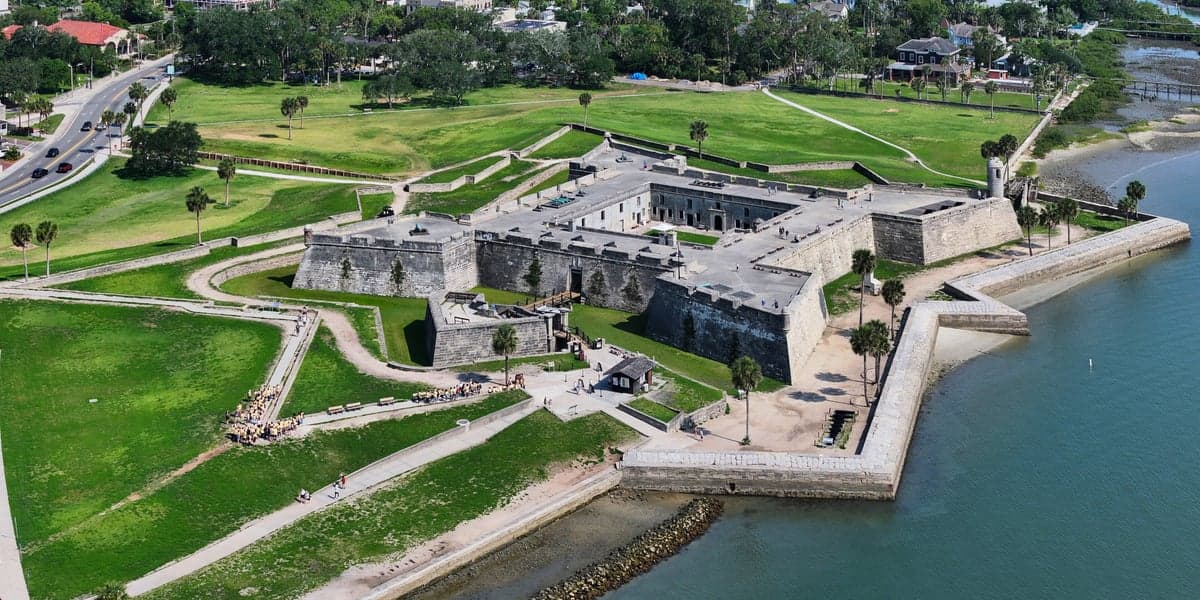
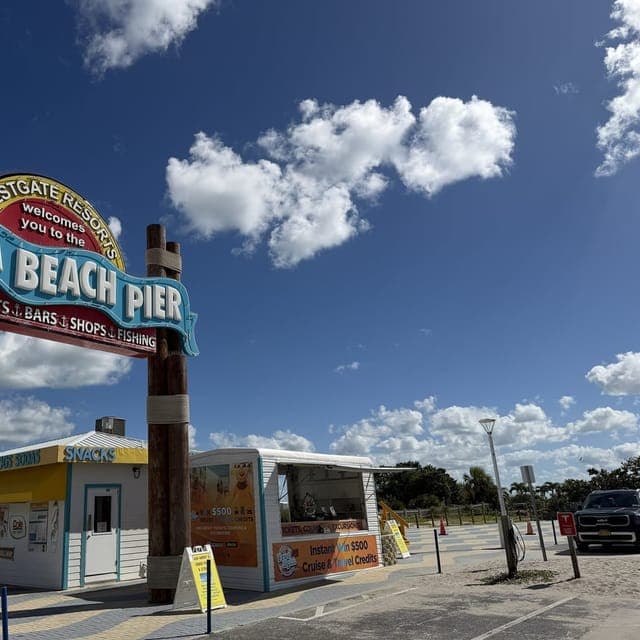
The big-ticket draw is obviously the historic district—the Castillo de San Marcos, the Lightner Museum, the cobblestone streets—but locals tend to avoid the tourist crush on St. George Street. Instead, they’ll hit Prohibition Kitchen for live music and a burger, O’Steen’s for fried shrimp (cash only, no frills), or The Floridian for Southern comfort food with a local twist. Outdoor life is year-round: kayaking the Matanzas River, paddleboarding at Salt Run, or fishing off the St. Augustine Pier. The weather is genuinely pleasant from October through May, with summer being humid and buggy—locals know to be off the water by 10 a.m. in July. The Nights of Lights holiday display (mid-November through January) is beautiful but turns downtown into a gridlock; longtime residents either embrace it or plan a month-long escape.
Pros and Cons of Living Here
The honest upsides are real: violent crime is statistically zero per the data, which is rare for any Florida city of this size, and the schools—particularly W.D. Hartley Elementary and Pedro Menendez High—are well-regarded and deeply woven into community life. The cost of living index sits at 139 (well above the national average), and the median home value of $409,200 reflects that you’re paying a premium for the history and the water. Rentals are tight, and inventory for single-family homes under $350K is almost nonexistent. The median household income of $80,473 means most homeowners are stretching, but the trade-off is a walkable, beautiful downtown that doesn’t feel like a strip-mall suburb. The biggest frustration locals cite is summer tourism traffic—A1A and US-1 can turn into parking lots from Memorial Day through Labor Day, and the bridge to Anastasia Island backs up regularly. Also, the job market is narrow: tourism, healthcare (Flagler Hospital is the largest employer), and education dominate. Remote workers and retirees thrive here; people looking for corporate career growth will struggle.
Cultural Quirks and Who Fits In Best
St. Augustine has a distinct identity: it’s politically mixed in a way that surprises newcomers—retirees lean conservative, but the college and arts crowd lean left, and the two coexist without much friction. The city is proudly historic, which means strict preservation rules on what you can do to your house if you live in the historic district (no vinyl windows, no modern rooflines). That appeals to people who value character over convenience. The kind of person who fits in here is someone who doesn’t need a nightclub scene, who values a 20-minute commute, and who is okay with the fact that the best restaurant in town might close for a week in September because the owner is fishing. It’s a place for people who want to feel grounded in a specific, quirky, very old place—and who can tolerate the summer humidity and the occasional ghost tour blocking the sidewalk.

Similar towns to St. Augustine
* Values derived from national, state, county, city and local statistics and may differ in a specific area. Last updated: 2026-04-15T23:48:50.000Z
Narrative content on this page is AI-generated and may contain mistakes. Verify any details that matter before acting on them.
ReloMaps may earn a commission from affiliate links at no extra cost to you.

