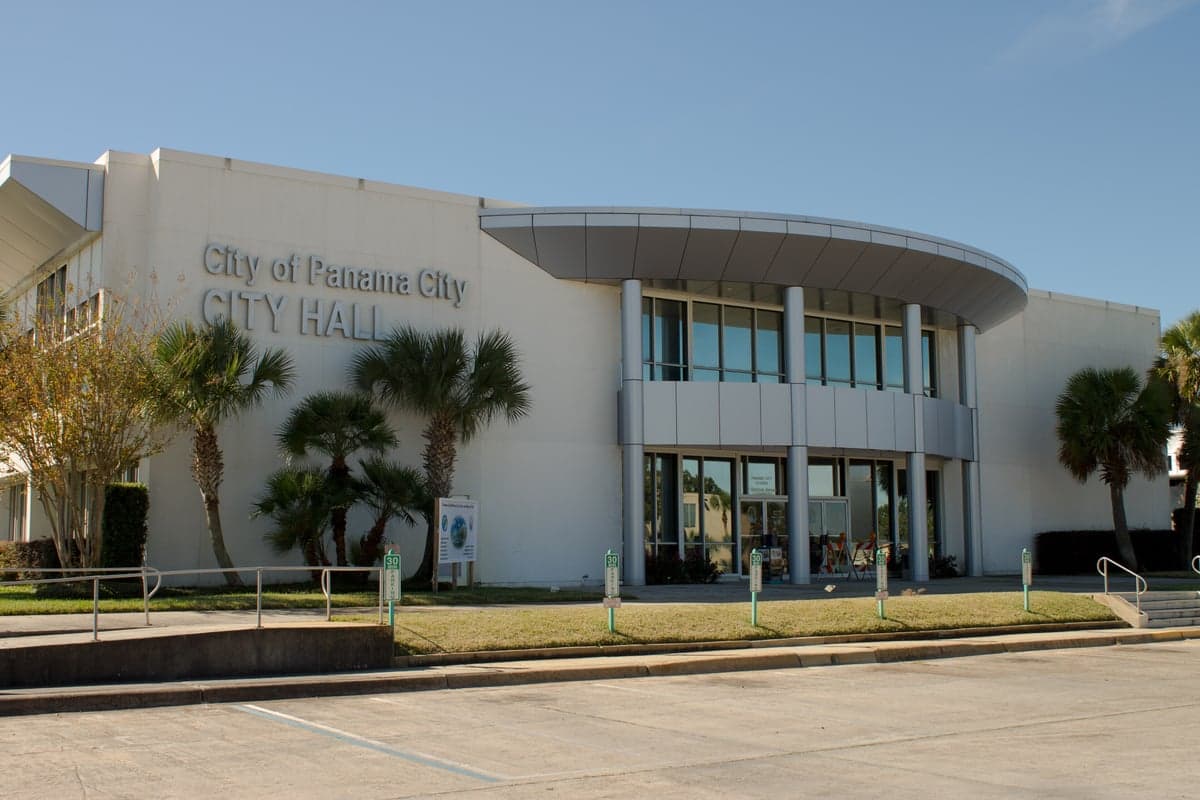
Photo: Wikipedia
Quality of Life in Panama City, FL
Above-average quality of iife. The area offers a reasonable cost of living, decent mobility, and a mix of neighborhood amenities.
What does Quality of Life tell us?
Quality of Life blends cost of living, nearby amenities, socioeconomic signals, and neighborhood character. City-level scores represent the whole municipality; individual neighborhoods can differ.
What does this tell us?
Quality of Life blends cost of living, nearby amenities, socioeconomic signals, and neighborhood character. City-level scores represent the whole municipality; individual neighborhoods can differ.
Cost of Living
3% above national average
The Real Cost of Living in Panama City, FL for 2026
| Tier | Individual | Family (4) |
|---|---|---|
| Survival | $21k | $40k |
| Comfortable | $47k | $69k |
| Luxury | $110k+ | $171k+ |
| Elite (Top 5%) | $140k+ | $217k+ |
88%
The Area Signal
A metric tracking the socioeconomic signals of the area.
Hobbies
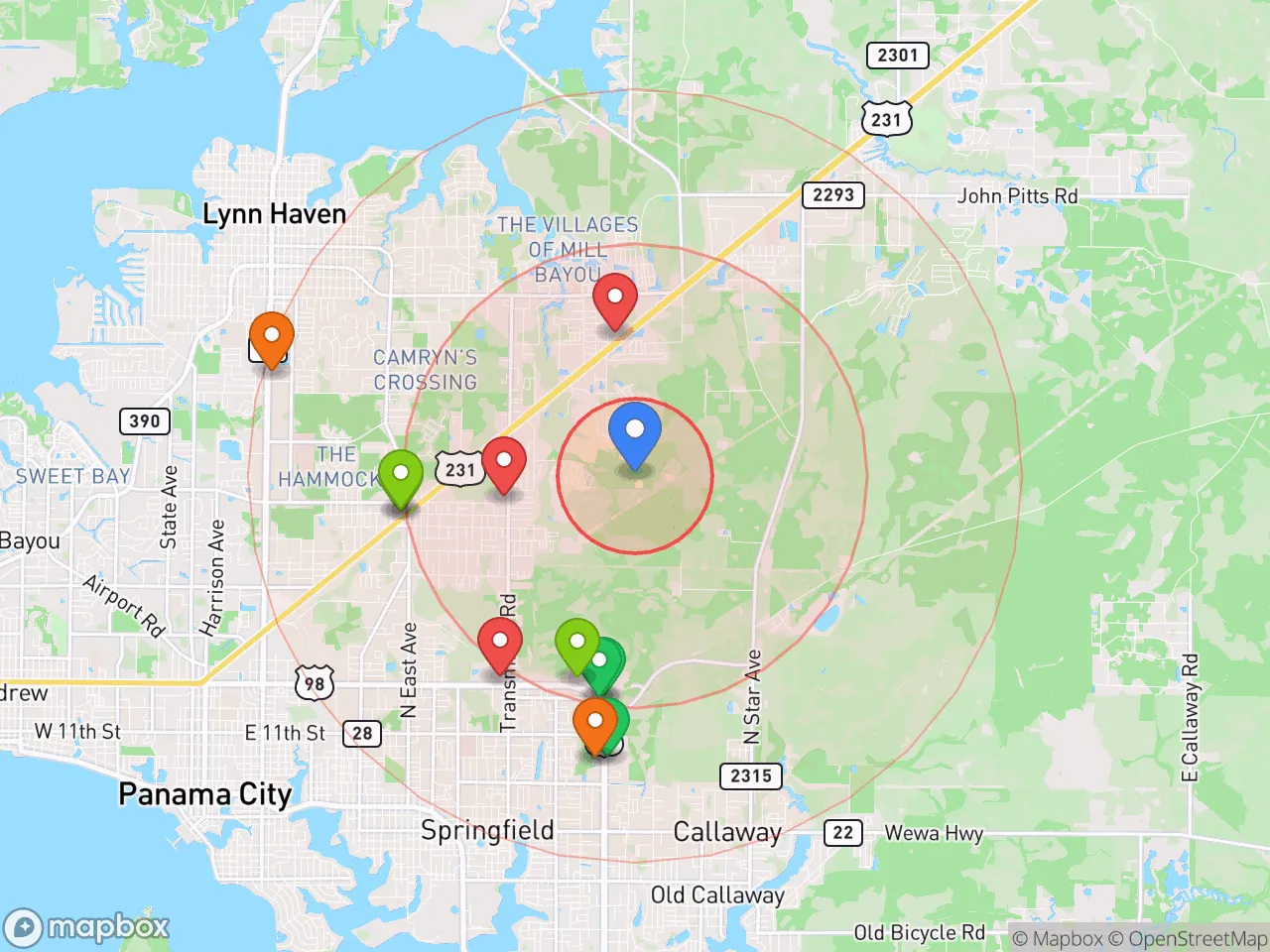
Explore the areaGroceries
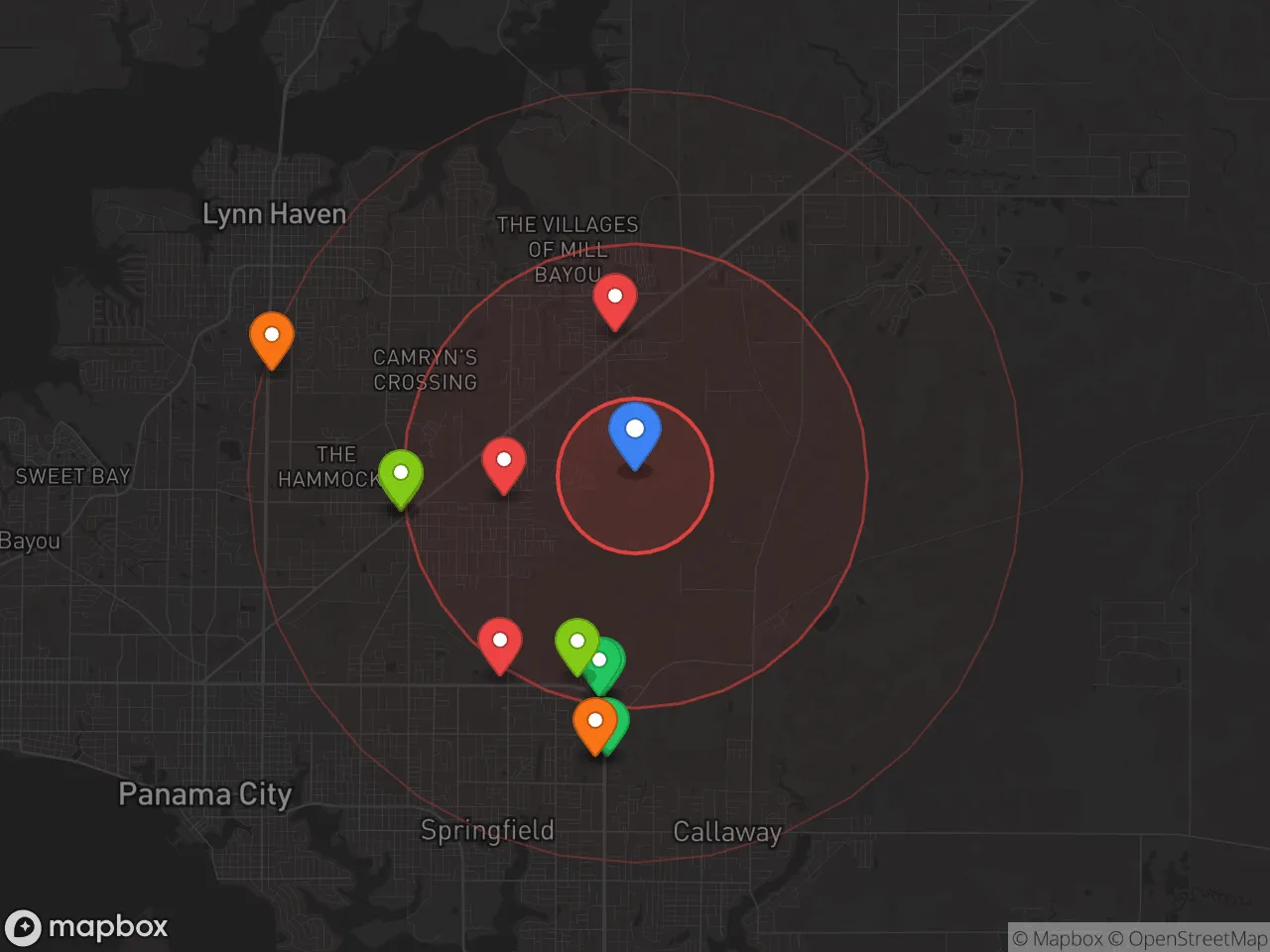
5 within 10 miles
Gas
20 within 10 miles
Hospital
3 within 20 miles
Airport
TPA — Tampa International
Post Office
USPS — Lynn Haven, FL
Critical Amenities
Quality-of-Life Analysis
Panama City, Florida, presents a middle-market quality of life shaped by its Gulf Coast location and a population mix of military families from Tyndall Air Force Base, retirees drawn to the climate, and service-industry workers supporting the tourism economy. The city's cost of living index of 103 (just 3% above the national average) and a median home value of $243,200 position it as a more affordable coastal alternative to nearby Destin or Panama City Beach, where home values routinely exceed $400,000. This balance of accessibility and coastal proximity defines daily life here, though the area's economic base and amenities reflect a community still rebuilding and redefining itself after Hurricane Michael's devastation in 2018.
Cost of living, housing affordability, and how Panama City compares to nearby areas
Panama City's housing market remains one of the most attainable along Florida's northern Gulf Coast. The median home value of $243,200 is roughly 60% of the national median and significantly undercuts Panama City Beach (median $425,000) and Destin (median $580,000). Median rent of $1,334 is about 10% below the national average, making the city a practical choice for renters who cannot afford the premium beachfront markets. The average commute of 20.9 minutes is notably shorter than the national average of 26 minutes, reflecting a compact urban footprint and limited regional sprawl. However, property insurance costs in Bay County are among the highest in the nation due to hurricane risk, adding a hidden expense that can push effective housing costs well above the raw purchase price. For buyers, this means a $243,200 home may carry annual insurance premiums of $3,000–$5,000, a factor that narrows the affordability gap with inland Florida markets.
What daily life is like: amenities, schools, and community rhythm
Daily life in Panama City revolves around a modest but functional set of amenities. The Bay District Schools system serves the area, with several schools rated C or D by the Florida Department of Education, though charter and private options like North Bay Haven Academy offer higher-performing alternatives. The city's retail core centers on the Panama City Mall and the 23rd Street corridor, while grocery and dining options are adequate but less diverse than in larger metros. The community rhythm is heavily influenced by Tyndall Air Force Base, which employs roughly 7,000 military and civilian personnel and anchors a significant portion of the local economy. Outdoor recreation is a primary draw: St. Andrews State Park, Shell Island, and the nearby Gulf of Mexico provide boating, fishing, and beach access within a 15-minute drive. The downtown area along Harrison Avenue has seen modest revitalization since Hurricane Michael, with new breweries, a farmers market, and the restored Martin Theatre adding cultural anchors, though nightlife and fine dining remain limited compared to Panama City Beach's tourist strip.
Panama City is best suited for those who prioritize coastal access and a slower pace over urban amenities and top-tier schools. Military families assigned to Tyndall AFB will find the commute and housing costs manageable, while retirees on fixed incomes can stretch their dollars further here than in Florida's pricier beach towns. Remote workers and young families should weigh the insurance costs and school quality carefully, but for anyone seeking a Gulf Coast lifestyle without the premium price tag of Destin or Sarasota, Panama City offers a functional, affordable base with genuine outdoor assets.

Crime in Panama City, FL
Crime rates similar to the national median for U.S. locations.
Violent CrimeViolent Crime Analysis
Property CrimeProperty Crime Analysis
Crime Analysis
Panama City, Florida, presents a mixed safety profile that requires careful consideration, particularly for those relocating from areas with more conservative justice systems. The city's overall crime rates are elevated compared to national averages, with property crime being a more prevalent concern than violent offenses. However, the local legal and political environment, which leans progressive in its approach to criminal justice, introduces additional risks that potential residents should weigh heavily.
Crime in context
Panama City's violent crime rate stands at 301.5 incidents per 100,000 residents, which is below the Florida state average of roughly 380 per 100,000 but notably higher than the national median of around 280 per 100,000. Property crime is a more significant issue, with a rate of 1,297.6 per 100,000—substantially exceeding both the state average (approximately 1,100 per 100,000) and the national median (roughly 1,000 per 100,000). These figures place Panama City in a higher-risk tier for theft, burglary, and vehicle-related crimes. The presence of a large metro area (Panama City is part of the broader Bay County metro) often correlates with elevated crime, and when combined with a justice system that prioritizes rehabilitation over incarceration, the risk of repeat offenses and reduced public safety increases.
What residents experience
Residents commonly report property crimes such as package theft, vehicle break-ins, and residential burglaries as everyday annoyances. The city's reliance on progressive district attorneys and judges, who frequently favor diversion programs, reduced sentencing, and early release for non-violent offenders, means that many property criminals cycle back into the community quickly. This approach, while sympathetic to offenders, directly contributes to a higher likelihood of repeat victimization for residents. Violent crime, though less frequent, includes aggravated assaults and robberies, often concentrated in areas with higher poverty and transient populations. The local police department works to address these issues, but its efforts are sometimes undermined by court decisions that prioritize offender rehabilitation over public protection.
Neighborhood-level variation
Safety varies significantly by neighborhood. Areas like St. Andrews and downtown Panama City experience higher crime densities, particularly property crime, due to their commercial activity and foot traffic. Suburban neighborhoods such as Callaway and Lynn Haven generally report lower crime rates, though they are not immune to property theft. Gated communities and newer developments along the coast, like those near Panama City Beach, offer the safest environments, with crime rates often 30-50% below the city average. Prospective residents should prioritize neighborhoods with strong homeowners' associations and active neighborhood watch programs, as these factors correlate with lower crime and faster police response times. The progressive judicial philosophy in Bay County means that even in safer neighborhoods, residents should remain vigilant about securing property and reporting suspicious activity promptly.
* Values derived from national, state, county, city and local statistics and may differ in a specific area. Last updated: 2026-05-13T17:01:27.000Z
Narrative content on this page is AI-generated and may contain mistakes. Verify any details that matter before acting on them.
ReloMaps may earn a commission from affiliate links at no extra cost to you.

