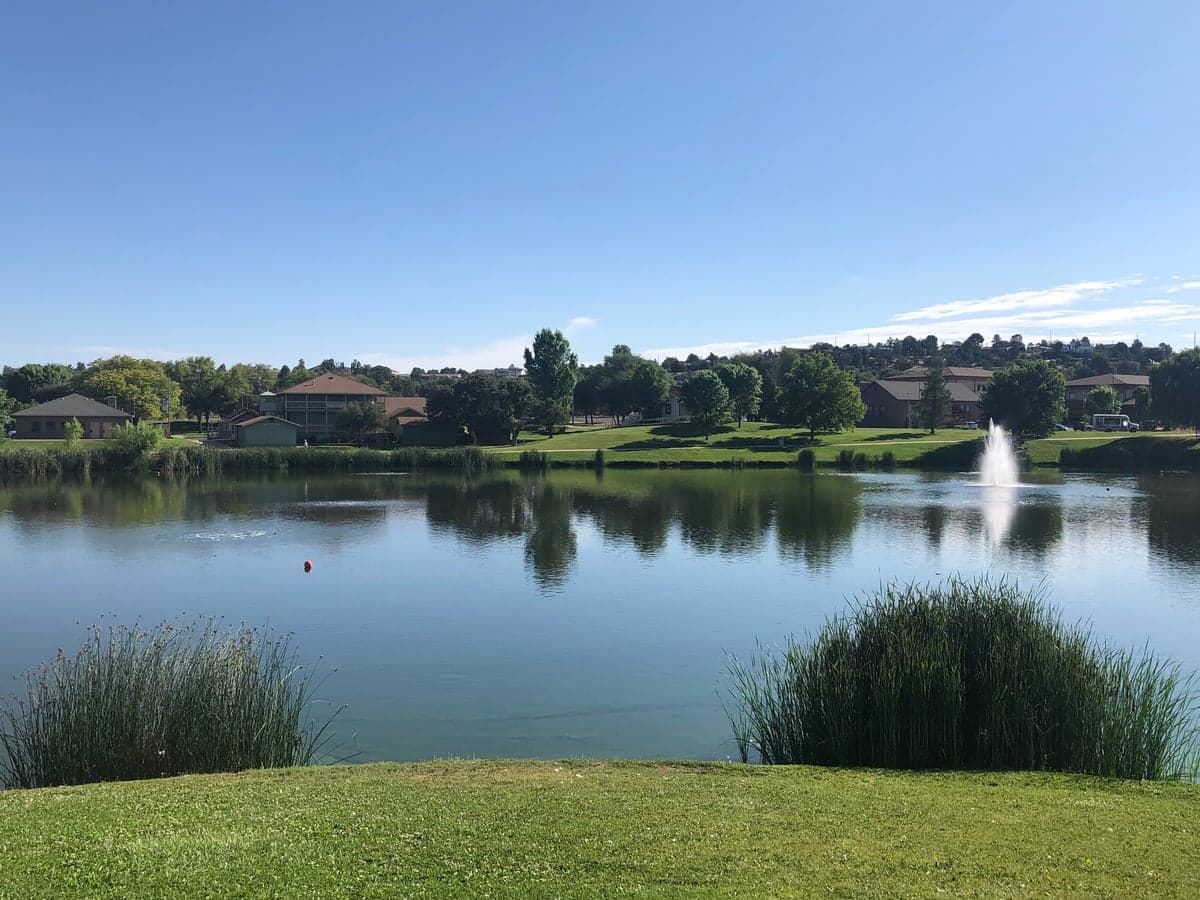
Photo: Wikipedia
Quality of Life in Payson, AZ
A high quality of life with strong walkability, manageable living costs, healthy neighborhood signals, and solid amenity access.
What does Quality of Life tell us?
Quality of Life blends cost of living, nearby amenities, socioeconomic signals, and neighborhood character. City-level scores represent the whole municipality; individual neighborhoods can differ.
What does this tell us?
Quality of Life blends cost of living, nearby amenities, socioeconomic signals, and neighborhood character. City-level scores represent the whole municipality; individual neighborhoods can differ.
Cost of Living
19% above national average
The Real Cost of Living in Payson, AZ for 2026
| Tier | Individual | Family (4) |
|---|---|---|
| Survival | $22k | $41k |
| Comfortable | $67k | $98k |
| Luxury | $110k+ | $170k+ |
| Elite (Top 5%) | $129k+ | $200k+ |
66%
The Area Signal
A metric tracking the socioeconomic signals of the area.
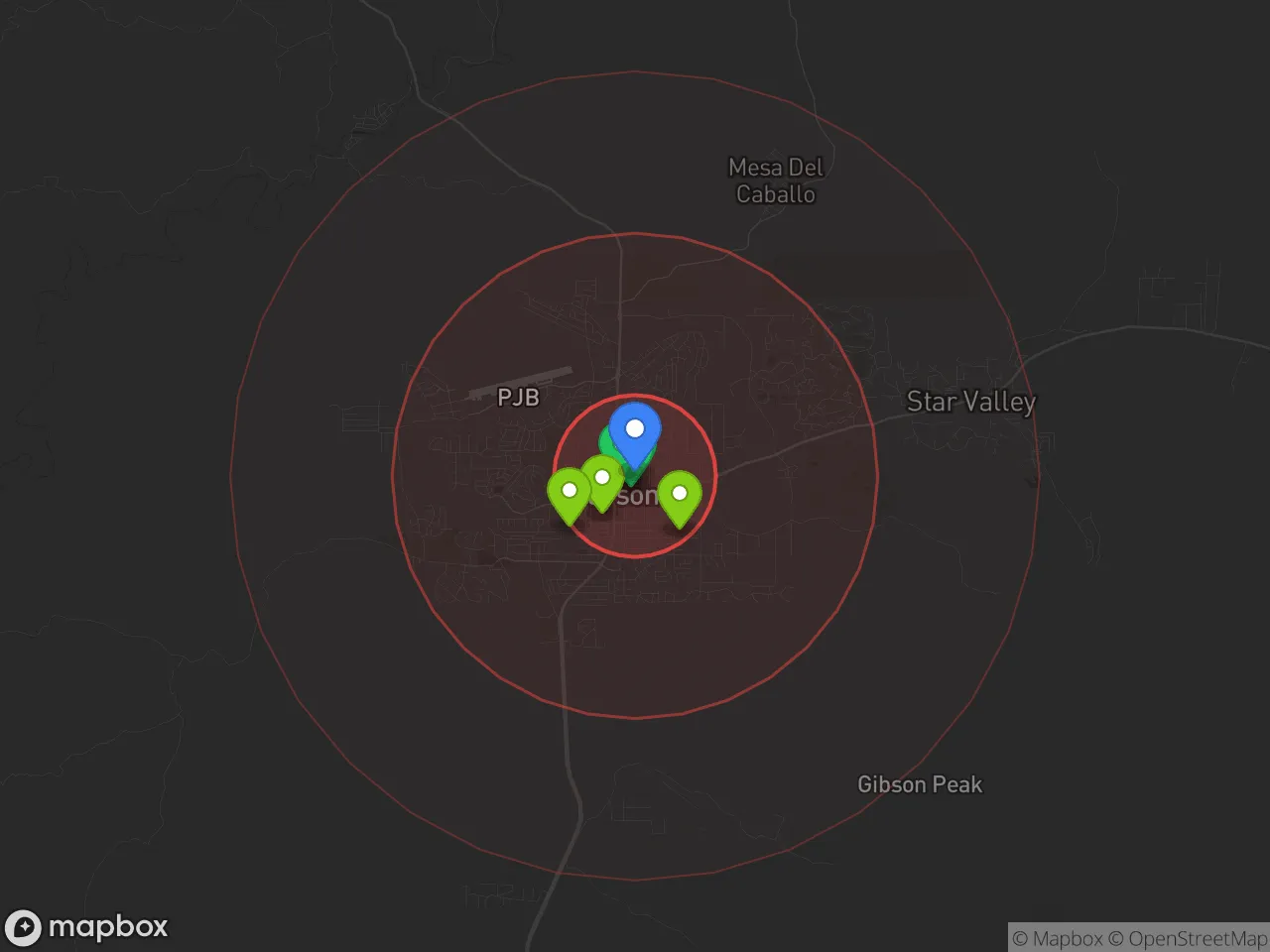
Hobbies
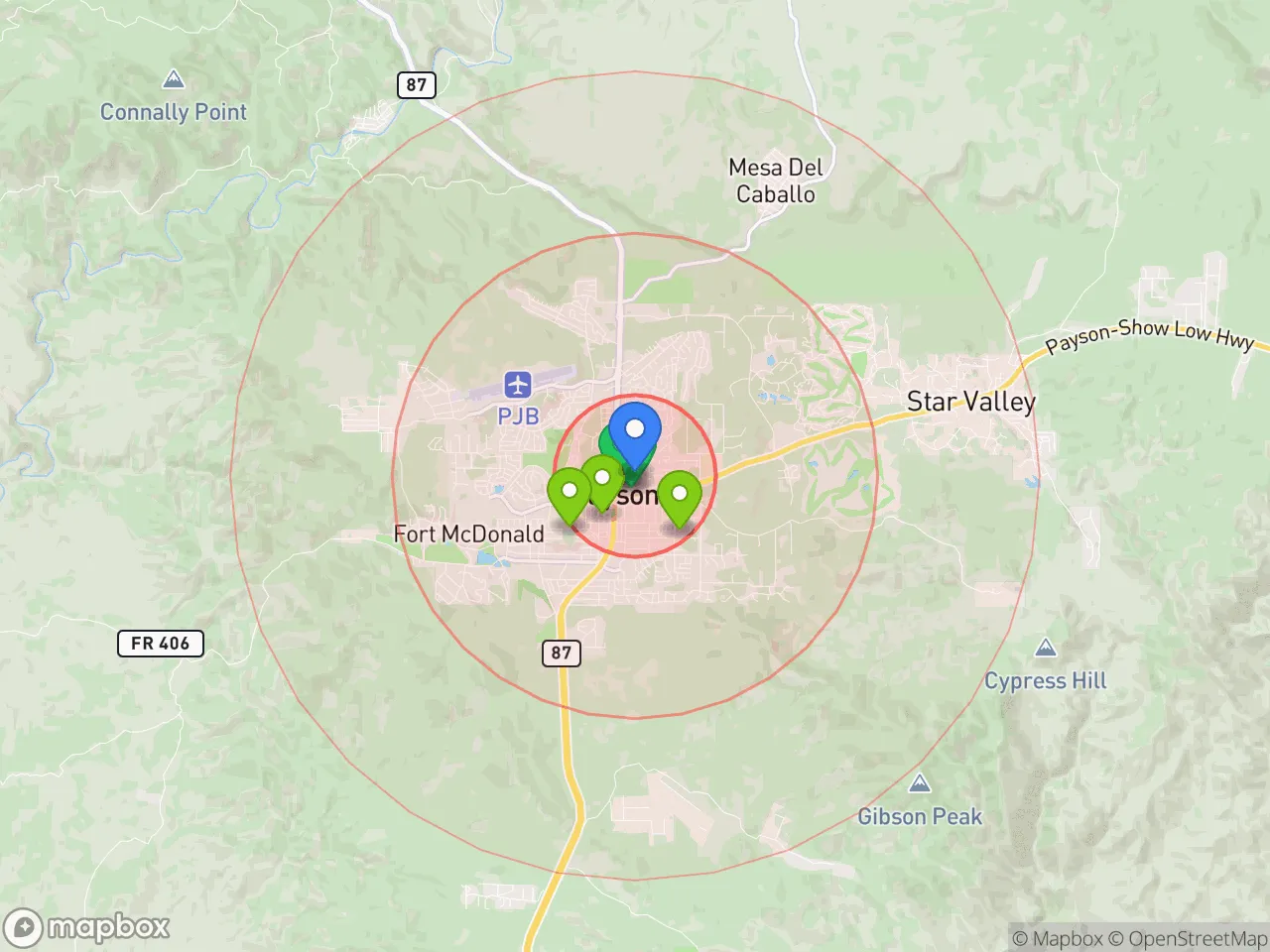
Explore the areaGroceries
2 within 10 miles
Gas
10 within 10 miles
Hospital
1 within 20 miles
Airport
PHX — Phoenix Sky Harbor International
Post Office
USPS — Payson, AZ
Critical Amenities
Quality-of-Life Analysis
Payson, Arizona, presents a quality of life shaped by its mountain setting and a demographic profile that leans older, more affluent, and more settled than the state average. The town's cost of living index of 119 (100 = U.S. average) places it above the national norm but below the Phoenix metro area, attracting retirees, second-home owners, and remote workers who prioritize scenery and quiet over urban wages. Median household income hovers around $52,000, reflecting a community where many residents have paid off homes or draw from retirement savings rather than local employment.
Cost of living, housing, and affordability compared to Phoenix and Flagstaff
Payson's housing market is the primary driver of its above-average cost of living. The median home value of $343,200 is roughly 30% lower than the Phoenix metro median but about 15% higher than the national average, making it a relative bargain for those fleeing Maricopa County's price surge. Median rent of $1,355 is similarly elevated compared to rural Arizona but still undercuts Phoenix-area averages by roughly $200–$300 per month. The average commute of 25.5 minutes is notably longer than the national average of 26 minutes, but for Payson it reflects the reality that many residents drive to jobs in the Rim Country or commute part-time to the Valley. Utilities and groceries run slightly above national norms due to the town's remote location and higher elevation (5,000 feet), while property taxes remain low by Arizona standards—roughly 0.6% of assessed value—offsetting some of the housing cost burden.
What daily life is like for families, retirees, and outdoor enthusiasts
Daily life in Payson revolves around outdoor recreation, small-town services, and a slower pace. The town's public schools, part of the Payson Unified School District, serve roughly 2,800 students and post graduation rates around 85%, slightly below the state average but consistent with rural Arizona. Amenities include a modern hospital (Banner Payson Medical Center), a public library, and a modest downtown with local restaurants and shops. The real draw is the surrounding Tonto National Forest, offering hiking, fishing, and camping within minutes of any home. The rhythm is distinctly seasonal: summer brings tourists and higher traffic on Highway 87, while winter sees quieter streets and occasional snow closures. For families, the lack of major employers—top private-sector jobs are in healthcare, retail, and construction—means many parents commute or work remotely. Retirees, who make up roughly 30% of the population, appreciate the mild summers (average July high of 88°F) and the absence of Phoenix's urban congestion.
Payson is best suited for those who value proximity to nature over urban amenities and can absorb a cost of living that is moderate but not cheap. Retirees seeking a four-season climate without extreme heat, remote workers with stable incomes, and outdoor enthusiasts who want immediate trail access will find the trade-offs worthwhile. Families should weigh the limited job market and school performance against the safety and community feel. For anyone expecting Phoenix-level services or Flagstaff's cultural scene, Payson will feel limited—but for those who prioritize quiet, scenery, and a slower pace, it delivers a distinct quality of life that few Arizona towns can match.

Crime in Payson, AZ
Generally safer than 58% of comparable U.S. locations.
Violent CrimeViolent Crime Analysis
Property CrimeProperty Crime Analysis
Crime Analysis
Payson, Arizona, presents a mixed safety profile for potential residents. The town’s violent crime rate of 284.8 incidents per 100,000 people is slightly below the national average, but its property crime rate of 1,406.2 per 100,000 is significantly higher than both state and national benchmarks. This means that while the risk of a violent encounter is relatively low, the likelihood of experiencing theft, burglary, or vandalism is a genuine concern for those living in or moving to this Rim Country community.
Crime in context
To understand Payson’s safety, it’s essential to compare its numbers to broader trends. The national violent crime rate sits at approximately 380 per 100,000, placing Payson’s 284.8 figure about 25% lower. However, the national property crime rate is roughly 1,950 per 100,000, meaning Payson’s rate is actually below that national average as well. The real issue is the comparison to Arizona’s statewide property crime rate, which hovers around 1,200 per 100,000. Payson’s property crime rate is 17% higher than the state average, a notable outlier for a town of its size (roughly 16,000 residents). This elevated property crime is often linked to the town’s role as a gateway to the Tonto National Forest and its seasonal population surges, which can create opportunities for theft from vehicles and unoccupied homes.
What residents experience
In daily life, Payson residents report that property crime—particularly theft from vehicles, package theft, and burglary of vacation homes—is the most tangible safety issue. The Payson Police Department actively encourages residents to lock vehicles and secure outbuildings, as many incidents are crimes of opportunity. Violent crime is far less common and tends to be concentrated in specific, known circumstances rather than random attacks on the public. Assaults make up the majority of violent incidents, with robbery and homicide being rare. The town’s police force maintains a visible presence, and community-oriented policing programs are in place, which helps foster a sense of security during daytime hours and in commercial districts.
Neighborhood-level variation in Payson is moderate. Areas closer to the historic downtown core and along the main Highway 260 corridor see higher foot traffic and, consequently, more reported property crimes. In contrast, the more established residential neighborhoods to the north and east, such as those near Rumsey Park and the Payson Golf Course, tend to have lower incident rates. The outlying subdivisions and gated communities on the town’s periphery generally report the fewest problems. For anyone considering a move, checking the specific block-level crime maps available through the Payson Police Department’s online portal is a practical step, as conditions can vary noticeably from one street to the next.
* Values derived from national, state, county, city and local statistics and may differ in a specific area. Last updated: 2026-05-01T06:19:35.000Z
Narrative content on this page is AI-generated and may contain mistakes. Verify any details that matter before acting on them.
ReloMaps may earn a commission from affiliate links at no extra cost to you.

