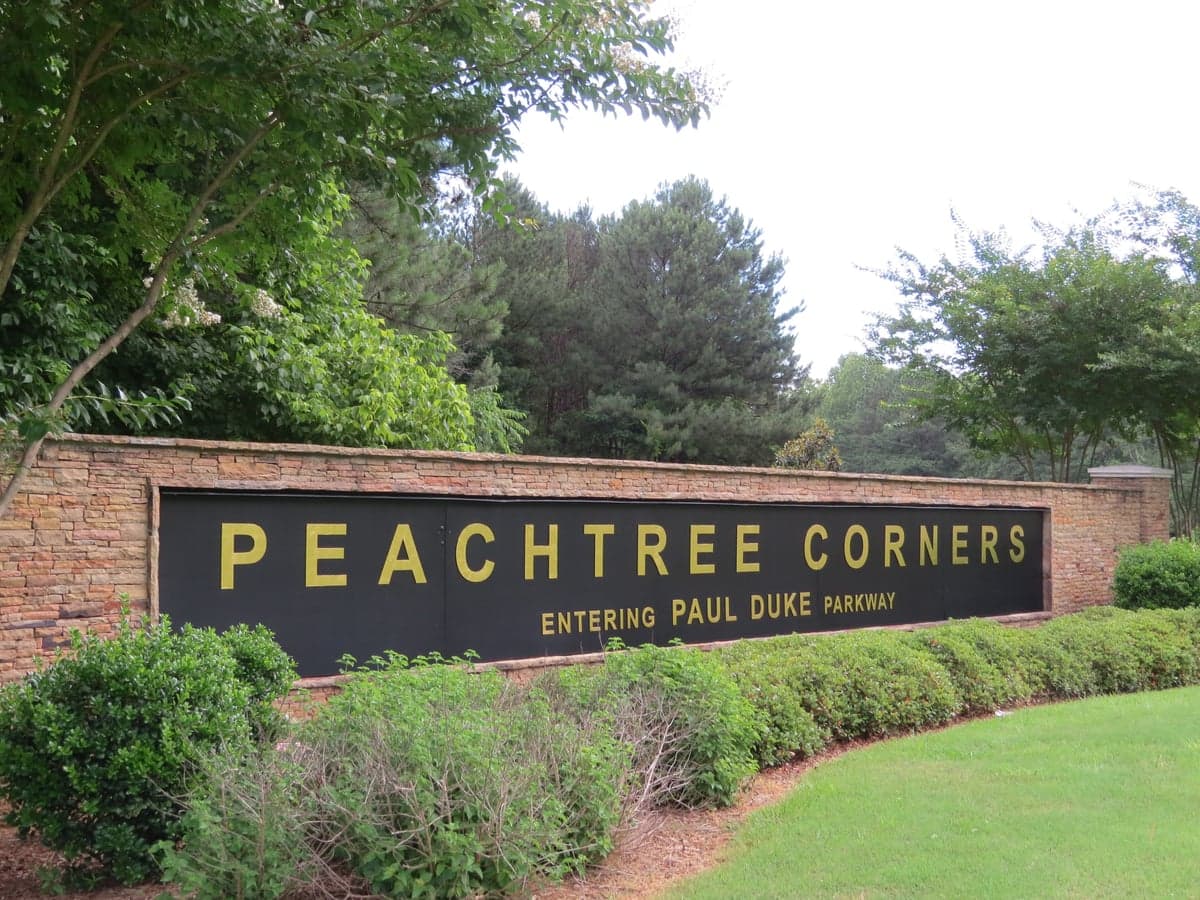
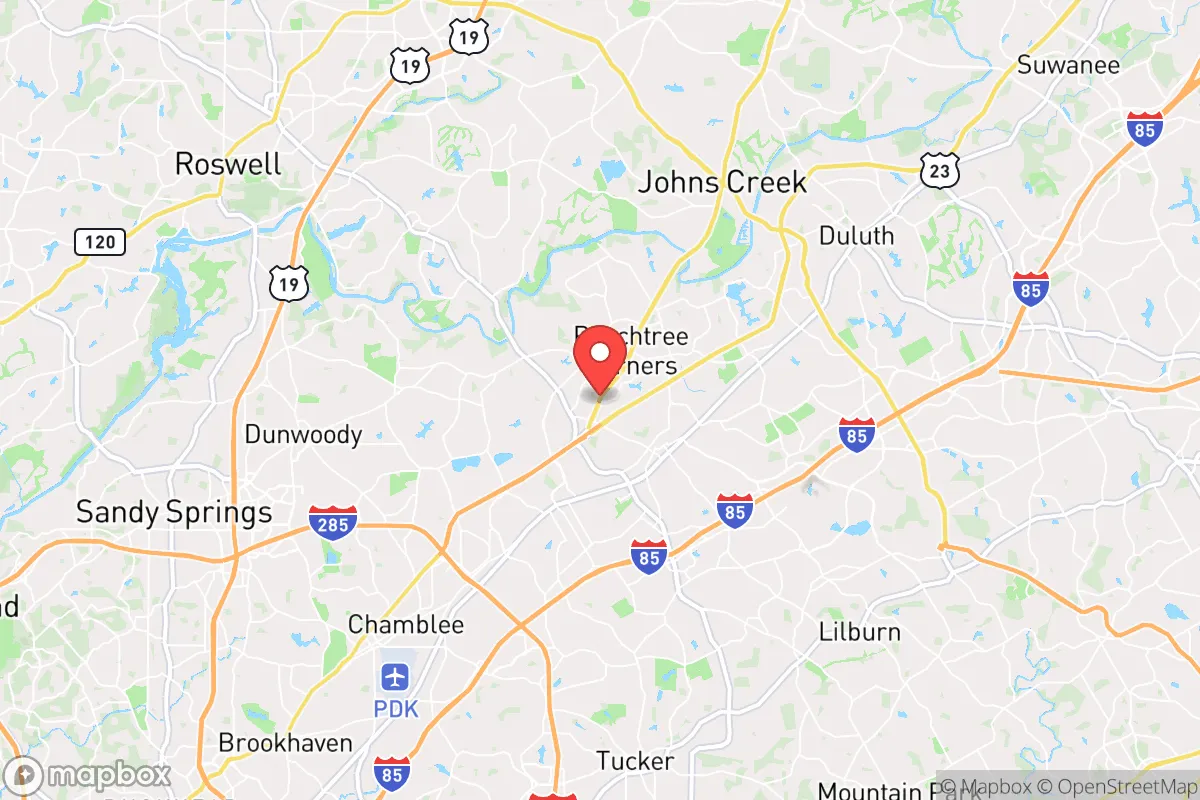
Photo: Wikipedia
Quality of Life in Peachtree Corners, GA
Above-average quality of iife. The area offers a reasonable cost of living, decent mobility, and a mix of neighborhood amenities.
What does Quality of Life tell us?
Quality of Life blends cost of living, nearby amenities, socioeconomic signals, and neighborhood character. City-level scores represent the whole municipality; individual neighborhoods can differ.
What does this tell us?
Quality of Life blends cost of living, nearby amenities, socioeconomic signals, and neighborhood character. City-level scores represent the whole municipality; individual neighborhoods can differ.
Cost of Living
50% above national average
The Real Cost of Living in Peachtree Corners, GA for 2026
| Tier | Individual | Family (4) |
|---|---|---|
| Survival | $26k | $49k |
| Comfortable | $91k | $133k |
| Luxury | $147k+ | $228k+ |
| Elite (Top 5%) | $220k+ | $341k+ |
61%
The Area Signal
A metric tracking the socioeconomic signals of the area.
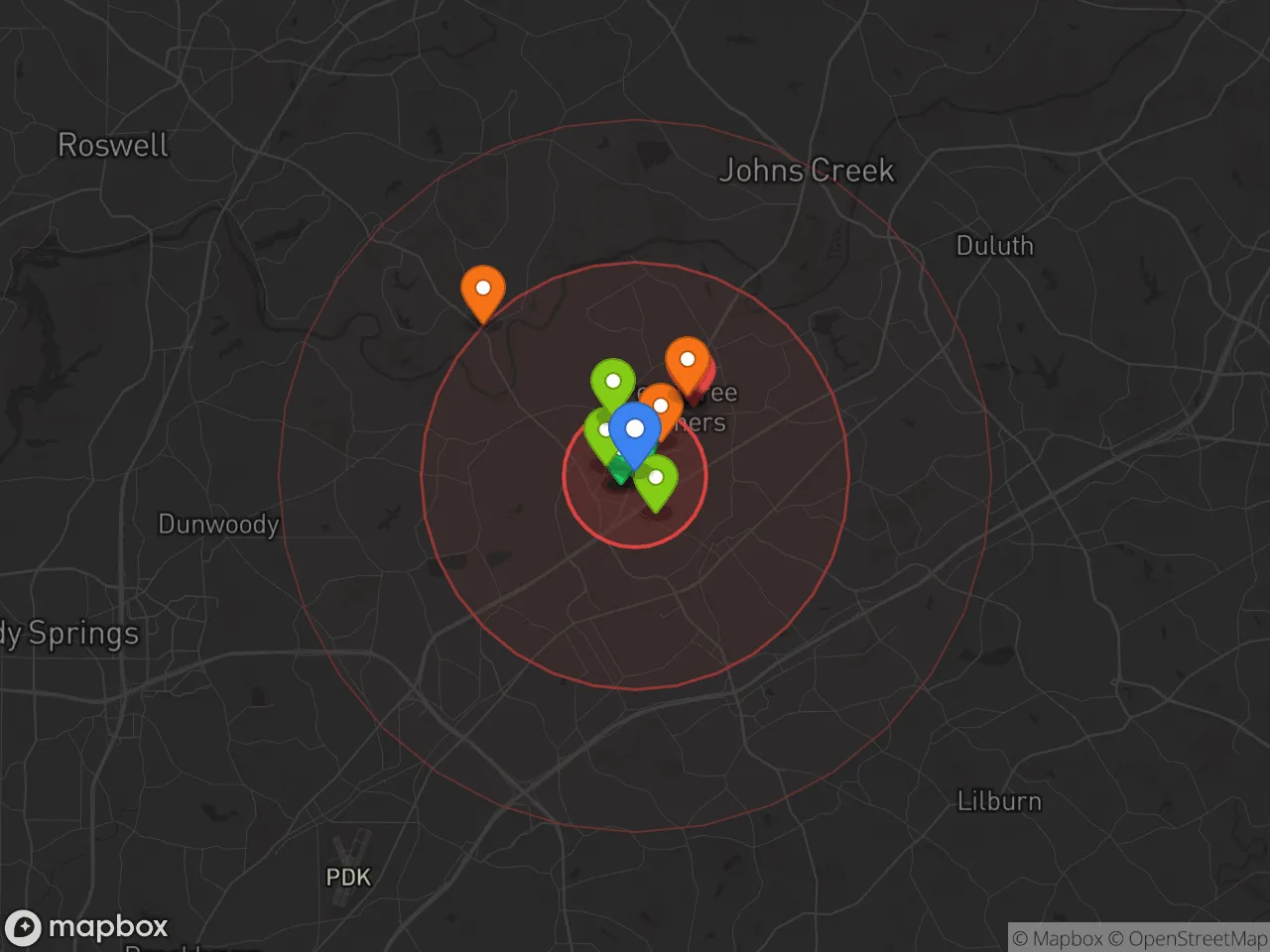
Hobbies
Explore the areaGroceries
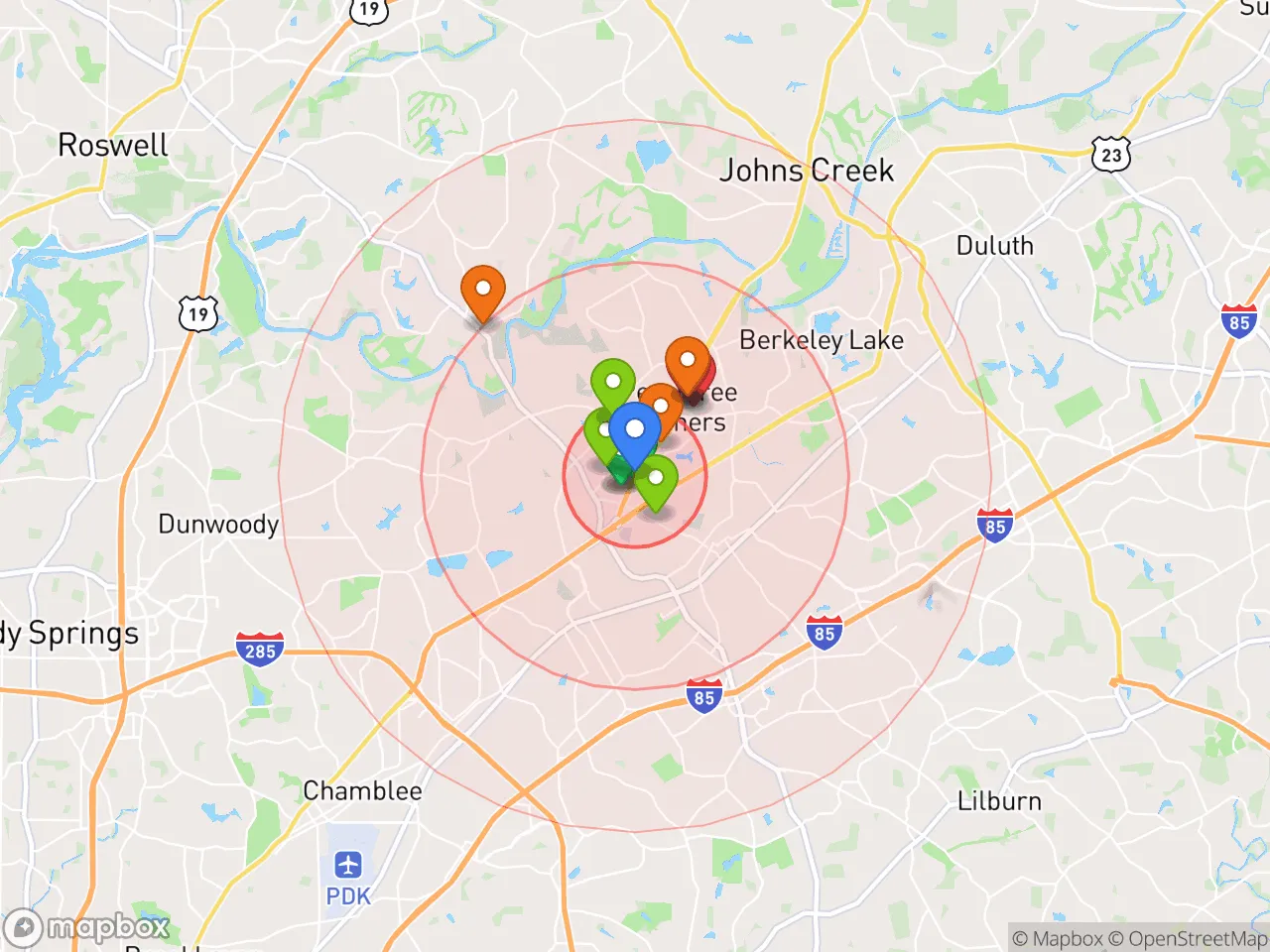
7 within 10 miles
Gas
20 within 10 miles
Hospital
20 within 20 miles
Airport
ATL — Hartsfield–Jackson Atlanta International
Post Office
USPS — Norcross, GA
Critical Amenities
Quality-of-Life Analysis
Peachtree Corners, Georgia, is an affluent, family-oriented suburb of Atlanta where the cost of living index sits at 150—50 percent above the national average—reflecting a community of professionals, executives, and dual-income households who prioritize space, schools, and suburban amenities over urban proximity. With a median home value of $467,300 and median rent of $1,617, the city attracts residents who are financially established, typically working in technology, healthcare, or corporate roles at nearby employers like the Curiosity Lab smart-city testbed, Siemens, or the numerous firms along Peachtree Parkway. The average commute of roughly 26 minutes is notably shorter than many Atlanta suburbs, making it a practical choice for those who want a buffer from city congestion without sacrificing job access.
Cost of living, housing affordability, and how Peachtree Corners compares to nearby suburbs
Peachtree Corners’ cost of living index of 150 is significantly higher than the U.S. baseline, but it remains competitive within the northern Atlanta suburbs—less expensive than Buckhead or Alpharetta, yet pricier than Norcross or Duluth. The median home value of $467,300 reflects a market dominated by single-family homes built from the 1980s through the 2000s, with newer townhome developments near the Town Center. Renting is relatively affordable compared to homeownership: the median rent of $1,617 is about 35 percent of the area’s median household income, a ratio that aligns with national norms for high-cost suburbs. Property taxes in Gwinnett County hover around 1.1 percent of assessed value, which is moderate for metro Atlanta, though buyers should factor in HOA fees common in planned subdivisions. For renters, the supply of apartments near Technology Park and the Forum shopping district keeps prices stable, but competition for units under $1,500 is fierce.
Schools, daily amenities, and the rhythm of life in Peachtree Corners
Daily life in Peachtree Corners revolves around the 225-acre Town Center, which hosts a weekly farmers market, seasonal concerts, and a public green space that functions as the community’s de facto living room. The city is served by Gwinnett County Public Schools, with Norcross High School and Paul Duke STEM High School drawing families for their strong academic programs and career-pathway offerings. For younger children, Simpson Elementary and Pinckneyville Middle School consistently earn high marks. Beyond schools, the city’s 20+ parks—including the 40-acre Jones Bridge Park along the Chattahoochee River—provide hiking, fishing, and sports fields that shape the outdoor-oriented lifestyle. The average commute of 26 minutes is a key quality-of-life factor: residents can reach downtown Atlanta in 35–40 minutes during off-peak hours, but the daily drive to Perimeter Center or Midtown typically stays under 30 minutes. Retail anchors like The Forum and Peachtree Corners Festival keep errands local, reducing the need for frequent trips to larger malls in Duluth or Buford.
This suburb is best suited for families and mid-to-senior-level professionals who value strong public schools, low crime rates, and a predictable suburban rhythm over the energy of intown neighborhoods. Empty-nesters and retirees also find Peachtree Corners appealing due to its walkable Town Center, active adult programming at the Pinckneyville Park recreation center, and proximity to Northside Hospital for healthcare. Singles or young renters may find the social scene limited compared to Decatur or Midtown, but the combination of short commutes, solid amenities, and a stable housing market makes Peachtree Corners a pragmatic choice for those prioritizing career and family life over nightlife.

Crime in Peachtree Corners, GA
Generally safer than 57% of comparable U.S. locations.
Violent CrimeViolent Crime Analysis
Property CrimeProperty Crime Analysis
Crime Analysis
Peachtree Corners presents a mixed safety profile for prospective residents. The city’s violent crime rate of 253 incidents per 100,000 residents is notably lower than the national average, but its property crime rate of 1,189.7 per 100,000 exceeds both state and national benchmarks. As a suburban hub within the Atlanta metropolitan area, Peachtree Corners benefits from economic activity and community policing, yet its proximity to a large, liberal-leaning metro area introduces systemic risks that warrant careful consideration.
Crime in context
Compared to Georgia’s statewide violent crime rate of roughly 380 per 100,000, Peachtree Corners’ rate is about 33% lower, placing it in a safer tier among metro Atlanta suburbs. However, the property crime rate is approximately 20% higher than the national average of 1,000 per 100,000. This disparity is partly attributable to the broader metro area’s challenges: Gwinnett County, which encompasses Peachtree Corners, has seen progressive district attorneys and judges implement policies that prioritize diversion and reduced incarceration for property offenses. While these policies aim to address systemic inequities, they often result in shorter sentences for repeat offenders, contributing to higher property crime rates as criminals cycle back into the community. The city’s location near major highways (I-85 and GA-141) also facilitates transient crime, with thieves targeting retail corridors and vehicle break-ins.
What residents experience
Daily life in Peachtree Corners involves a tangible awareness of property crime. Residents frequently report package thefts from porches, car break-ins at apartment complexes, and shoplifting at The Forum shopping center. Violent crime, while less common, is not absent—incidents are often concentrated near late-night entertainment venues and along the Peachtree Parkway corridor. The city’s police department has responded with targeted patrols and a real-time crime center, but the underlying issue remains the metro area’s progressive criminal justice philosophy. In 2024, Gwinnett County’s district attorney declined to prosecute several low-level property crimes under a “smart justice” framework, a decision that critics argue emboldens offenders. For families and retirees, this means investing in home security systems and avoiding leaving valuables in vehicles is a practical necessity, not an option.
Neighborhood-level variation is significant. Gated communities like Country Club of the South and newer developments near Technology Park report violent crime rates near zero, thanks to private security and limited access. In contrast, apartment complexes along Peachtree Parkway and areas near the intersection of Spalding Drive and Holcomb Bridge Road see higher property crime volumes. The city’s overall safety is therefore highly dependent on specific street and housing type, with single-family homes in established subdivisions generally offering the most secure environment. Prospective residents should research block-level crime maps and consider that the metro area’s liberal judicial trends create a baseline risk that no amount of local policing can fully neutralize.
* Values derived from national, state, county, city and local statistics and may differ in a specific area. Last updated: 2026-05-04T02:49:12.000Z
Narrative content on this page is AI-generated and may contain mistakes. Verify any details that matter before acting on them.
ReloMaps may earn a commission from affiliate links at no extra cost to you.

