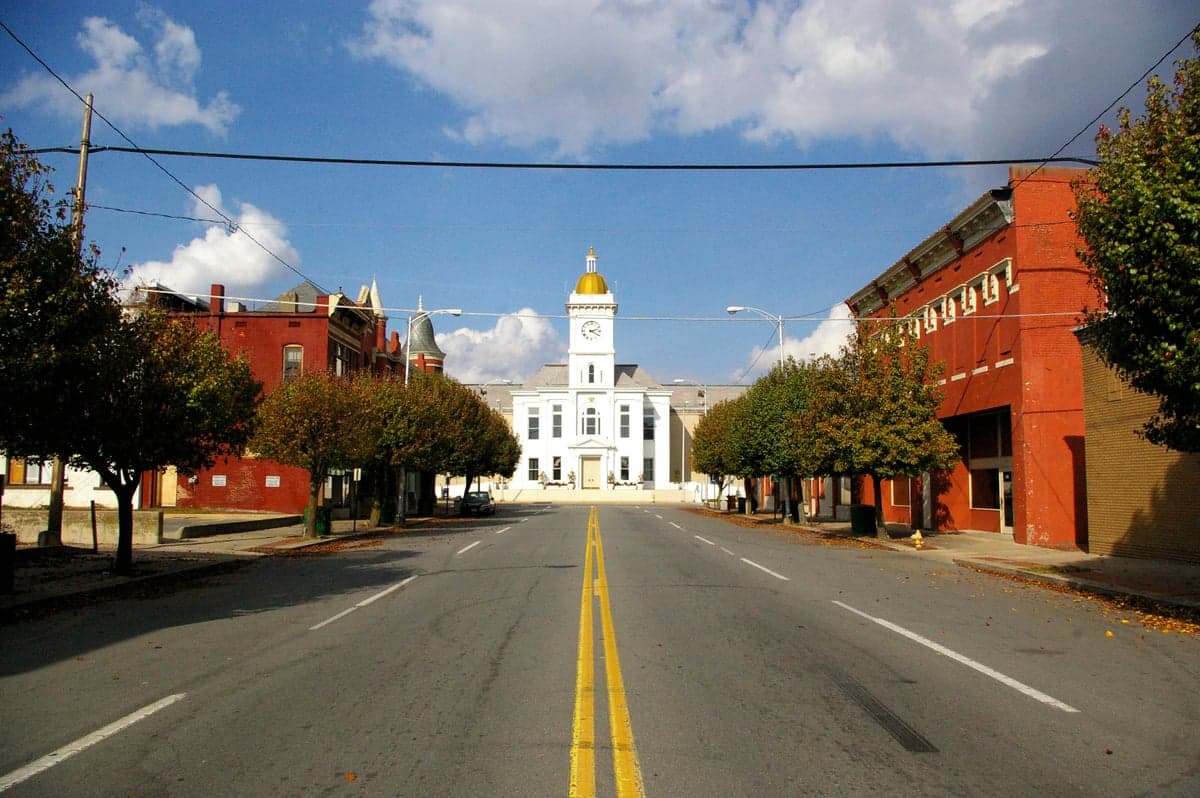
Photo: Wikipedia
Quality of Life in Pine Bluff, AR
Above-average quality of iife. The area offers a reasonable cost of living, decent mobility, and a mix of neighborhood amenities.
What does Quality of Life tell us?
Quality of Life blends cost of living, nearby amenities, socioeconomic signals, and neighborhood character. City-level scores represent the whole municipality; individual neighborhoods can differ.
What does this tell us?
Quality of Life blends cost of living, nearby amenities, socioeconomic signals, and neighborhood character. City-level scores represent the whole municipality; individual neighborhoods can differ.
Cost of Living
45% below national average
The Real Cost of Living in Pine Bluff, AR for 2026
| Tier | Individual | Family (4) |
|---|---|---|
| Survival | $13k | $25k |
| Comfortable | $22k | $32k |
| Luxury | $75k+ | $116k+ |
| Elite (Top 5%) | $90k+ | $140k+ |
129%
The Area Signal
A metric tracking the socioeconomic signals of the area.
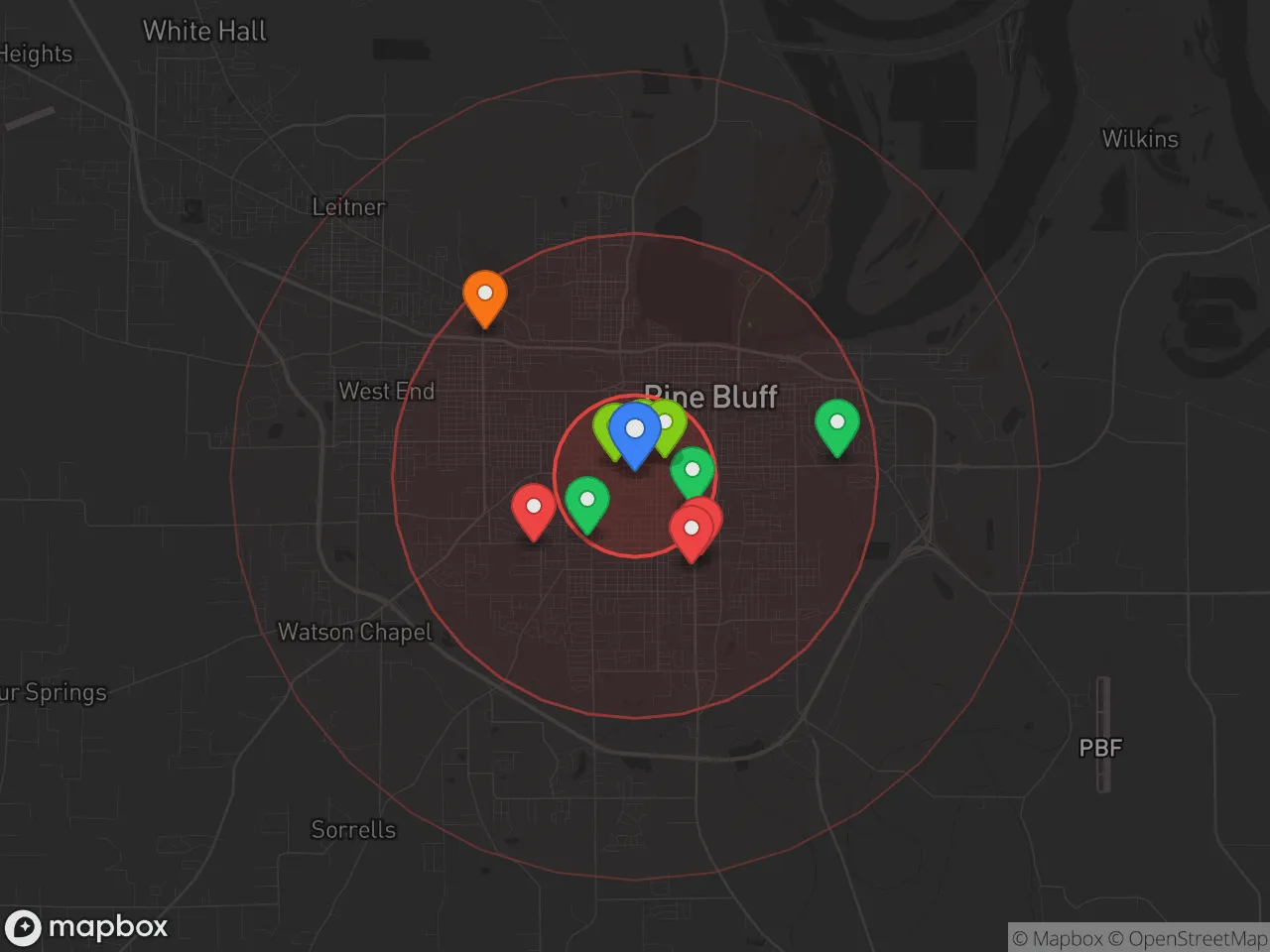
Hobbies
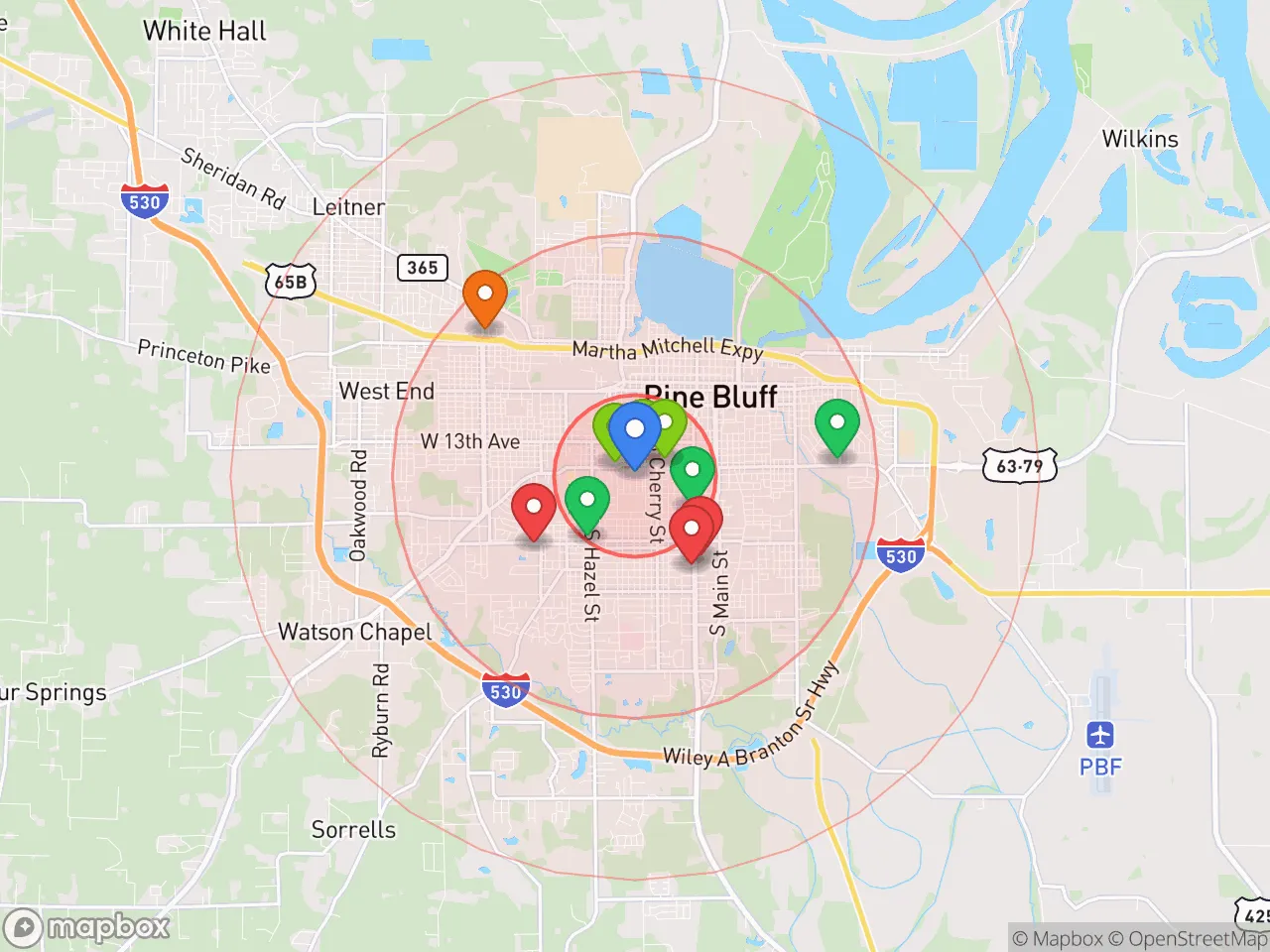
Explore the areaGroceries
2 within 10 miles
Gas
20 within 10 miles
Hospital
1 within 20 miles
Airport
DFW — Dallas/Fort Worth International
Post Office
USPS — Pine Bluff, AR
Critical Amenities
Quality-of-Life Analysis
Pine Bluff, Arkansas, presents one of the most affordable living environments in the United States, with a cost of living index of just 55 (where 100 equals the national average). The area’s median household income of roughly $38,000 is significantly below the national median, reflecting a community where many residents work in manufacturing, healthcare, and the public sector. The population is predominantly African American (over 75%), and the city has a higher-than-average share of residents living below the poverty line, making it a place where economic resilience and community ties are especially pronounced.
How housing costs and affordability compare to Little Rock and other Arkansas cities
Pine Bluff’s housing market is among the cheapest in the state. The median home value sits at $86,400, which is less than one-third of the national median and roughly half the median in Little Rock (about $175,000). Median gross rent is $831 per month, well below the state average of $900 and the national average of $1,200. For context, a renter in Pine Bluff pays roughly $300 less per month than a renter in Fayetteville. The average one-way commute is just 18.4 minutes, far shorter than the national average of 26 minutes, meaning residents spend less time and money on transportation. Property taxes are low—Jefferson County’s millage rate averages around 50 mills—and utility costs are slightly below the national average. While home appreciation has been flat over the past decade (values have risen only about 10% since 2015), the low entry price makes homeownership accessible to first-time buyers and investors alike.
What daily life is like for families: schools, amenities, and local rhythm
Daily life in Pine Bluff moves at a slower, more deliberate pace than in larger Arkansas metros. The Pine Bluff School District, which serves most of the city, has faced chronic challenges: only about 20% of students score proficient in math and reading on state assessments, and the district has been under state intervention for financial and academic performance. Several private and charter options exist, including the Pine Bluff Lighthouse Academy and St. Joseph Catholic School, but options are limited. For amenities, the city offers the Pine Bluff Convention Center, the Arkansas Railroad Museum, and the Delta Rivers Nature Center, which provides free hiking trails and wildlife exhibits. The University of Arkansas at Pine Bluff (UAPB) anchors the cultural calendar with events like the annual Homecoming parade and the Golden Lions football games. Grocery access is adequate, with a Walmart Supercenter and a Kroger, but the city lacks the specialty dining and retail found in Little Rock (45 minutes north). The crime rate, particularly for violent offenses, is roughly three times the national average, which is a significant factor in daily decision-making for many families.
Pine Bluff is best suited for individuals and families who prioritize extreme affordability and a quiet, unhurried lifestyle over high-end amenities or rapid career growth. Retirees on fixed incomes, remote workers with stable salaries, and first-time homebuyers willing to accept the city’s trade-offs will find the most value here. Those seeking strong public schools, vibrant nightlife, or low crime rates should look instead to suburbs of Little Rock such as Benton or Bryant. For the right resident, Pine Bluff offers a low-stress, low-cost base with easy access to the Arkansas River and the Delta region’s natural beauty.

Crime in Pine Bluff, AR
Significantly higher crime rates than 85% of comparable U.S. locations.
Violent CrimeViolent Crime Analysis
Property CrimeProperty Crime Analysis
Crime Analysis
Pine Bluff, Arkansas, reports a violent crime rate of 1,393.2 per 100,000 residents and a property crime rate of 3,659.5 per 100,000, placing it among the most dangerous cities in the state for its size. These figures are significantly elevated compared to both the Arkansas state average and the national median, indicating a serious public safety challenge. The city’s crime statistics reflect systemic issues that potential residents should weigh carefully against any local amenities or job opportunities.
Crime in context
Pine Bluff’s violent crime rate is roughly 3.5 times higher than the national average of approximately 400 per 100,000, and its property crime rate is nearly double the U.S. median. Within Arkansas, only a handful of smaller communities report higher per-capita violent crime. The city’s location within Jefferson County, part of the broader Pine Bluff metropolitan area, does not benefit from the lower crime profiles typical of many suburban or exurban communities. The elevated rates are consistent with patterns seen in jurisdictions where progressive prosecutorial policies—such as reduced bail, diversion programs for violent offenders, and lenient sentencing guidelines—have been implemented. These policies, while intended to reduce incarceration, can result in repeat offenders returning to the streets more quickly, directly undermining public safety and victim justice.
What residents experience
For those living in Pine Bluff, the high crime rates translate into tangible daily risks. Property crime, including burglary, theft, and motor vehicle theft, is a persistent concern, with residents often reporting break-ins and vandalism in both residential and commercial districts. Violent crime, particularly aggravated assault and robbery, is concentrated in certain neighborhoods but can occur citywide. The presence of a large, low-income population and limited economic opportunity exacerbates these issues. Residents frequently cite fear of walking alone after dark and a need for heightened home security measures as part of normal life. Local law enforcement, while active, faces resource constraints that limit proactive patrols and rapid response times.
Neighborhood-level variation
Safety in Pine Bluff is not uniform. Areas west of U.S. Highway 65, including the neighborhoods around the University of Arkansas at Pine Bluff and the Jefferson Regional Medical Center, tend to report lower violent crime rates than the central and eastern parts of the city. The downtown core and the areas near the Pine Bluff Convention Center see higher concentrations of property crime and occasional violent incidents. Suburban pockets like the Country Club area and newer developments along the southern edge offer somewhat better safety profiles but still face elevated property crime compared to national norms. Prospective residents should consult local police crime maps and speak with neighbors before committing to a specific block or apartment complex.
* Values derived from national, state, county, city and local statistics and may differ in a specific area. Last updated: 2026-04-29T22:36:07.000Z
Narrative content on this page is AI-generated and may contain mistakes. Verify any details that matter before acting on them.
ReloMaps may earn a commission from affiliate links at no extra cost to you.

