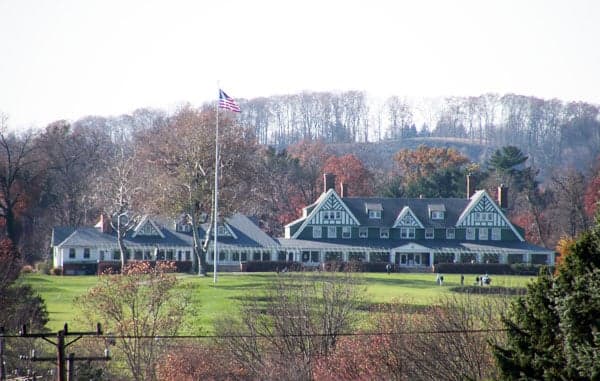
Photo: Wikipedia
Political ClimatePolitical Climate in Plum, PA
District shown is the primary district for this city’s centroid. Cities may span multiple districts.
Local Political AnalysisPolitical Analysis of Plum, PA
Plum, Pennsylvania, has a Cook PVI of D+10, meaning it leans significantly Democratic in federal elections, but that number doesn't tell the whole story for those of us who've lived here a while. This area used to be a solidly blue-collar, union-stronghold kind of place where folks voted Democrat out of habit and loyalty to labor, not because they bought into the whole progressive agenda. Over the last decade or so, you've seen a real shift—more people are voting their conscience on things like taxes, school policies, and Second Amendment rights, even if the official registration numbers still favor the D. The trajectory is actually moving toward a more independent, common-sense center, but the local machine still leans hard left, and that's where the friction comes in.
How it compares
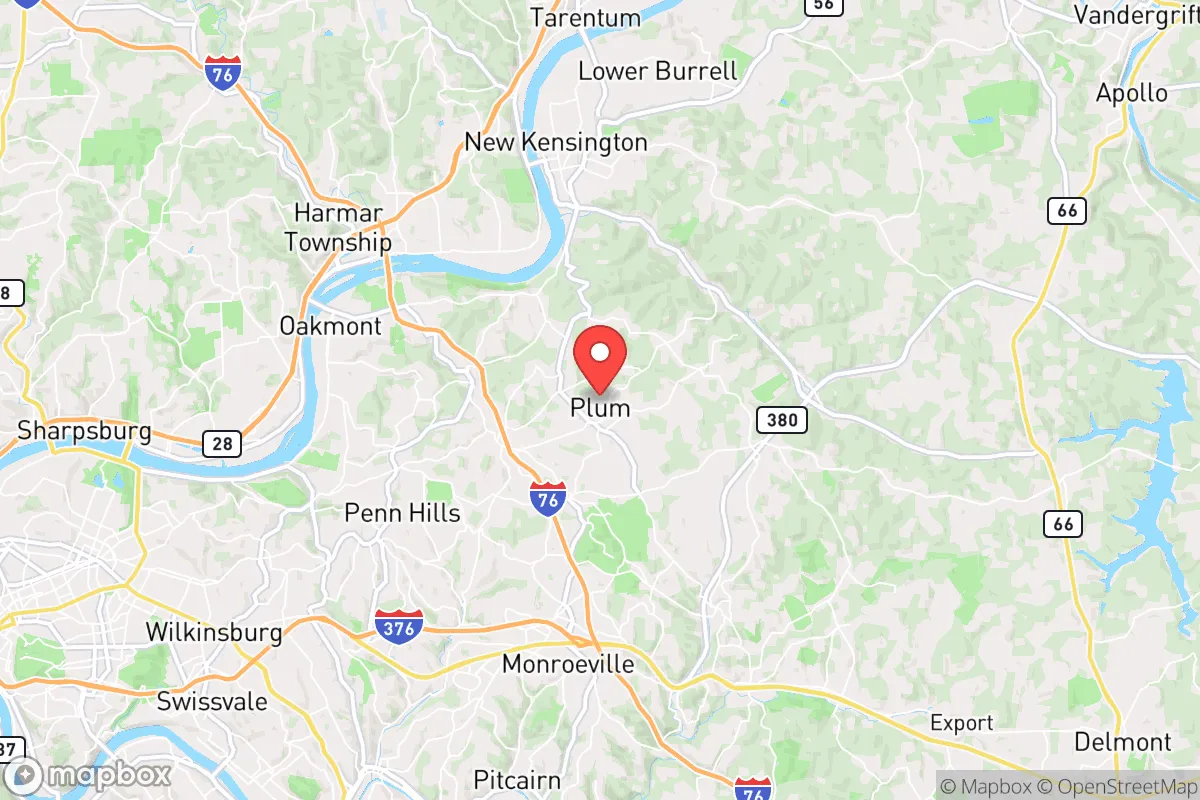
Drive ten minutes west into Penn Hills or Wilkinsburg, and you're in deep-blue territory where the politics feel like a different planet—more government programs, higher taxes, and a lot less patience for anyone questioning the status quo. Head east toward Murrysville or Delmont, and you hit areas that are reliably red, where property rights and low taxes are practically religion. Plum sits right in the middle, but the contrast is stark: our neighbors to the east have school boards that actually push back on critical race theory and gender ideology in classrooms, while Plum's board has been slower to resist those trends. It's a real mixed bag, and if you're coming from a place like Butler or Armstrong County, you'll notice the political vibe here is more cautious, less willing to rock the boat.
What this means for residents
For those of us who value personal freedom and limited government, the D+10 lean translates into a constant low-grade worry about overreach. You see it in things like the borough council's willingness to entertain noise ordinances that could affect your ability to work on your own property, or the school district's quiet adoption of DEI initiatives that nobody really voted for. Property taxes are already a burden—Plum's millage rate is higher than surrounding communities like Monroeville or Oakmont—and there's always talk of new fees or regulations that nibble away at your autonomy. The good news is that the community is still full of people who remember when this was a place where you could live your life without a dozen permits, and that sentiment is growing. Local elections are where the real fight is, and more folks are waking up to the fact that a D+10 label doesn't have to mean rubber-stamping every progressive idea that comes down the pike.
Culturally, Plum still holds onto some old-school values—you'll see plenty of American flags, hunting trucks, and folks who wave hello—but there's a creeping unease about where things are headed. The borough has been slow to push back on state-level mandates, like the governor's energy policies that drive up heating costs, and there's a sense that local leaders are more concerned with staying in line with Harrisburg than with protecting residents' wallets and rights. If you're looking for a place where your voice still matters and you can push back against the tide, Plum has potential, but it's going to take active involvement to keep it from sliding further into the kind of progressive groupthink you see in the city proper. Keep an eye on the school board races and the council meetings—that's where the real story of this town's future is being written.

State Political ClimatePolitical Climate in Pennsylvania
State Political AnalysisPolitical Environment in the State
Pennsylvania is a classic swing state that has drifted leftward over the past two decades, but it remains a genuine battleground where conservative strongholds in the central and northern regions still hold significant sway. The state voted for Joe Biden by just over 80,000 votes in 2020, a razor-thin margin that underscores its deep 50-50 split. Over the last 20 years, the Philadelphia suburbs have shifted hard toward Democrats, while the rural "T" stretching from the northern tier down through the center has become more reliably Republican. For a conservative considering relocation, Pennsylvania offers a mixed bag: low property taxes in many areas and strong Second Amendment protections, but also a Democratic governor and a state Supreme Court that have pushed progressive policies on education funding, voting access, and energy regulation.
Urban vs. rural divide
The political map of Pennsylvania is a tale of two worlds. The southeastern corner, anchored by Philadelphia and its inner-ring suburbs like Montgomery County and Bucks County, is the engine of Democratic power. These counties have become reliably blue, with Montgomery County delivering a 30-point margin for Biden in 2020. Meanwhile, the vast rural expanse—places like Bradford County in the north, Bedford County in the south-central region, and Indiana County in the west—vote Republican by 30 to 40 points. The critical swing region is the "collar counties" around Philadelphia (Bucks, Chester, Delaware, and Montgomery), which have flipped from competitive to solidly Democratic over the past decade. Pittsburgh and its Allegheny County base are also Democratic strongholds, though the surrounding southwestern counties like Washington County and Westmoreland County remain reliably red. The I-81 corridor, including Harrisburg and Scranton, is a true battleground where working-class voters have shifted toward Trump but local Democratic machines still hold power in city limits.
Policy environment
Pennsylvania's policy landscape is a study in contradictions. The state has a flat income tax rate of 3.07%, which is relatively low and hasn't changed in years, but property taxes vary wildly—some rural districts have rates under 1% of assessed value, while Philadelphia's combined city-school rate can exceed 2.5%. The state's regulatory posture is moderate, but the Democratic governor, Josh Shapiro, has used executive orders to push climate mandates, including joining the Regional Greenhouse Gas Initiative (RGGI), which effectively taxes carbon emissions from power plants. This has been challenged in court by Republican lawmakers. On education, the state Supreme Court ruled in 2023 that Pennsylvania's school funding system is unconstitutional, opening the door to massive new spending that will likely raise taxes. Election laws are a flashpoint: no-excuse mail-in voting was expanded in 2019 under Act 77, and while Republicans have tried to tighten voter ID requirements, the Democratic-controlled state Supreme Court has blocked most efforts. For conservatives, the biggest bright spot is the state's strong preemption laws on firearms—Philadelphia and Pittsburgh have tried to pass local gun control, but state law blocks them.
Trajectory & freedom
Pennsylvania is trending in a concerning direction for personal freedom, particularly on Second Amendment rights and parental rights. In 2022, the state passed a "red flag" law that allows courts to temporarily seize firearms from individuals deemed a threat, a move that gun rights advocates see as a due process violation. The state also expanded background checks for long guns in 2023 through a court ruling, bypassing the legislature. On parental rights, the state has not passed a Parents Bill of Rights like Florida or Texas, and school boards in blue counties have adopted policies allowing transgender students to use preferred names and bathrooms without parental notification. However, there are bright spots: the state has no income tax on retirement income (Social Security, pensions, 401(k) withdrawals), which is a major draw for retirees. Property rights are generally strong outside of Philadelphia, where zoning and rent control debates are heating up. The state's natural gas industry in the Marcellus Shale region has been a boon for energy freedom, but new permitting fees and environmental reviews have slowed development.
Civil unrest & political movements
Pennsylvania has seen its share of political flashpoints. The 2020 election aftermath was particularly intense, with Trump's campaign challenging results in Philadelphia and Allegheny counties, leading to protests and a statewide recount. The "Stop the Steal" movement had a strong presence in rural counties, while counter-protests were concentrated in Philadelphia. More recently, the Israel-Hamas war sparked large protests in Philadelphia and Pittsburgh, with some turning violent at university campuses. Immigration politics are less visible than in border states, but Philadelphia's sanctuary city status has been a recurring issue—the city limits cooperation with ICE, and the state has not intervened. There have been secession murmurs in the northern tier, with some counties exploring joining a proposed "Greater Idaho" movement, but nothing serious. Election integrity remains a hot-button issue: the state's voter rolls have been criticized for containing outdated registrations, and the 2024 election saw lawsuits over mail-in ballot deadlines. A new resident would notice the stark cultural divide between the "Pennsyltucky" rural areas and the coastal urban centers, with political yard signs and bumper stickers being a common sight.
Projection
Over the next 5-10 years, Pennsylvania is likely to become more competitive at the state level but bluer at the local level in growing areas. The Philadelphia suburbs are expected to continue their leftward drift as younger, college-educated professionals move in from out of state. Meanwhile, rural counties are aging and losing population, which will reduce their electoral weight. The wild card is the I-81 corridor, where Hispanic and Asian populations are growing in places like Hazleton and Allentown, potentially creating new swing voters. The state's energy policy will be a major battleground—if RGGI is fully implemented, it could raise electricity costs and hurt the natural gas industry, driving more resentment in the western part of the state. A conservative moving in now should expect that the state legislature will remain Republican-controlled (thanks to gerrymandered districts), but the governor's office and Supreme Court will likely stay Democratic, leading to gridlock on most issues. The biggest risk is a future Democratic governor pushing through a state income tax increase or a statewide property tax hike to fund the court-ordered education spending.
For a conservative considering Pennsylvania, the bottom line is this: you can find a great quality of life in the rural and suburban areas, with low taxes on retirement income and strong gun rights, but you'll be living in a state where the political culture is increasingly at odds with your values. The Philadelphia and Pittsburgh metros will continue to drive progressive policies that affect the whole state, from energy costs to education funding. If you're looking for a place where your vote will truly matter in statewide elections, Pennsylvania is one of the few remaining swing states—but be prepared for a constant political fight. The best bet for a conservative is to target the fast-growing exurbs of Lancaster County or the northern tier, where the local culture is still red and the cost of living is reasonable. Just don't expect the state government to have your back anytime soon.
* Values derived from national, state, county, city and local statistics and may differ in a specific area. Last updated: 2026-04-24T12:17:36.000Z
Narrative content on this page is AI-generated and may contain mistakes. Verify any details that matter before acting on them.
ReloMaps may earn a commission from affiliate links at no extra cost to you.

