Photo: Wikipedia
Find The Best Places To Live
in Plymouth
PRO TIP! You can paste a Zillow or Redfin link to get info on that property.
What It's Like Living in Plymouth, MN
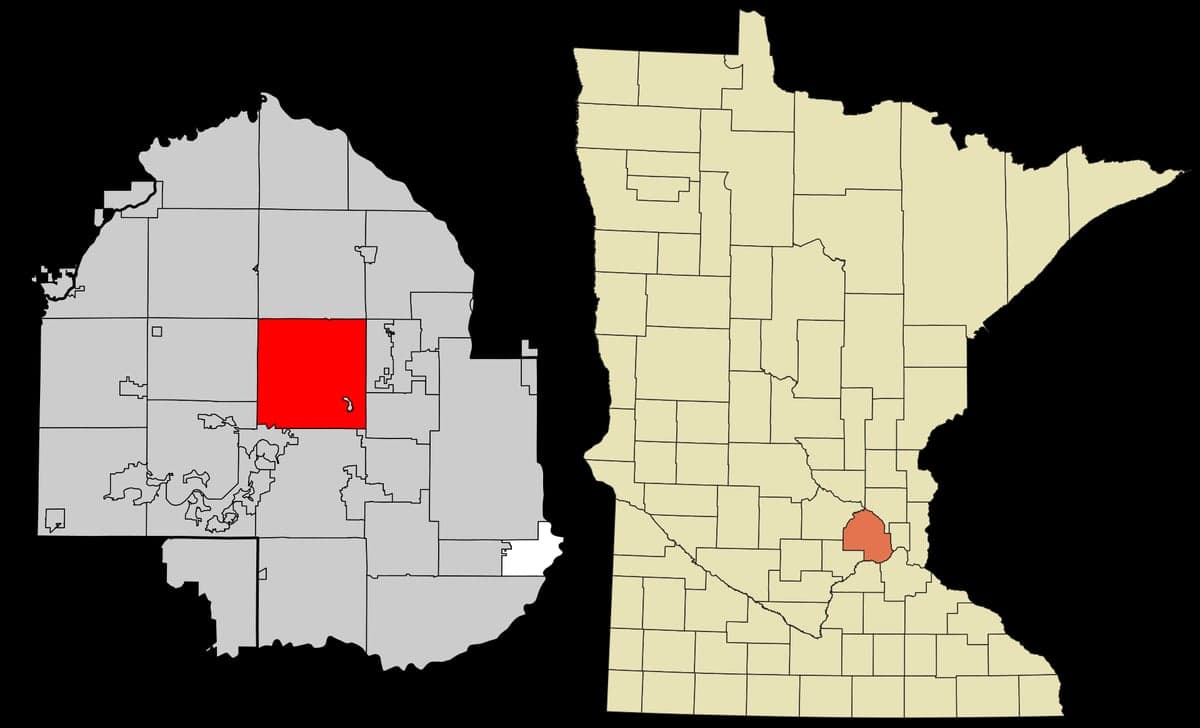
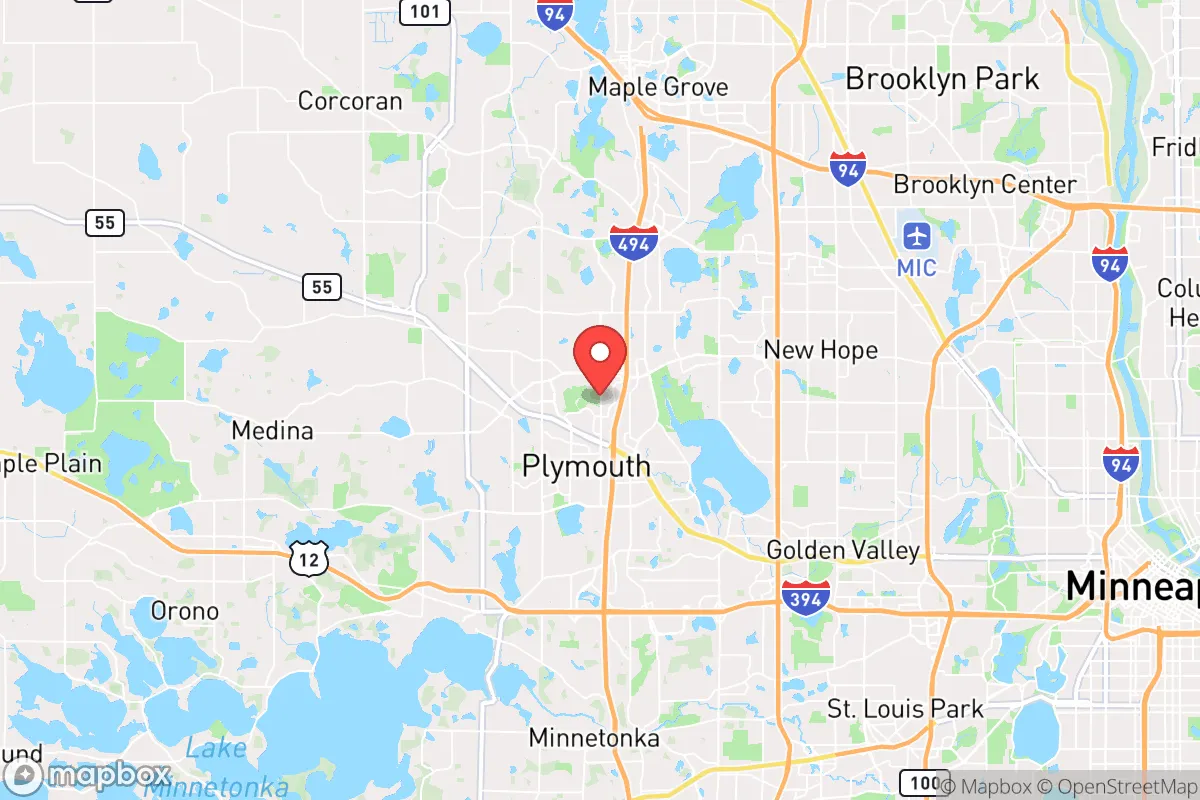
Plymouth, Minnesota, feels like the suburbs you imagine when you picture a place that just works — safe streets, good schools, and a community where people actually know their neighbors. It’s not a flashy city, but it’s the kind of place where families settle down for the long haul, drawn by a mix of solid jobs, easy access to Minneapolis, and a surprising amount of green space. If you’re looking for a quiet, well-managed community with a slightly conservative tilt and a focus on raising kids, Plymouth is worth a serious look.
Daily Rhythm: Work, School, and Weekend Errands
Most mornings in Plymouth start with a commute that averages about 22 minutes — short enough to feel manageable, long enough to listen to a podcast. The city’s population of roughly 79,500 is largely professional, with 64.8% holding a college degree and a median household income of $133,865. That affluence shows in the well-maintained neighborhoods and the cars in the driveways, but it doesn’t feel ostentatious. People here work at companies like Honeywell, Boston Scientific, and UnitedHealth Group, many of which have offices in the city or just down the road in Minnetonka or Golden Valley.
After school, you’ll see kids biking to parks or heading to hockey practice at the Plymouth Ice Center. The Wayzata School District (which serves much of Plymouth) is a major draw — consistently ranked among the best in the state, it’s a big reason families move here. Weekends often involve a trip to the Plymouth Farmers Market (seasonal, but well-attended), a hike at French Regional Park along the shores of Medicine Lake, or a meal at Giovanni’s for Italian or Redstone American Grill for a reliable steak. The city’s median age of 40.7 reflects a community of established professionals and parents, not a young singles scene.
Sports & Community: Where the Energy Goes
Plymouth doesn’t have a pro sports team of its own, but residents are passionate about the Minnesota Vikings, Twins, and Wild — you’ll see plenty of purple jerseys on game days. The real local sports energy, though, centers on high school athletics. Wayzata High School (the Trojans) is a powerhouse in football, hockey, and swimming, and Friday night games in the fall draw big crowds. The Plymouth Ice Center is a hub for youth hockey, and on winter weekends, the rinks are packed with kids and parents. For adults, the Plymouth Creek Center offers fitness classes and a fieldhouse, and the city’s extensive trail system (over 100 miles of paved paths) is popular for running and biking.
The community’s identity is quietly civic-minded. The Plymouth 4th of July Celebration at Parkers Lake is a big deal — fireworks, a parade, and a pancake breakfast that feels like a Norman Rockwell painting. There’s also the Plymouth Art Fair in August and the Plymouth Music in the Park series at Hilde Performance Center, where families spread blankets and listen to cover bands. It’s not a city that throws wild festivals; it’s a city that does community events well, with a focus on families and low-key fun.
What’s There to Do: Parks, Dining, and the Occasional Night Out
Outdoor life is a big part of the appeal. Medicine Lake is the centerpiece — boating, fishing, and swimming in summer, and ice fishing in winter. French Regional Park has hiking trails, a dog park, and a beach. For a more urban outing, the West End area (technically in nearby St. Louis Park) has a movie theater, restaurants, and a lively bar scene, but it’s a 15-minute drive. Within Plymouth itself, dining leans toward reliable chains and a few local gems: Axel’s for a classic Minnesota supper club vibe, Khaluna for upscale Thai, and Pizzeria Lola for wood-fired pies. The Plymouth Bar & Grill is a neighborhood spot where you can catch a game and grab a burger.
For entertainment beyond sports, the Plymouth Playhouse hosts community theater, and the Hilde Performance Center brings in concerts and shows. But honestly, most evenings here are quiet — people are at home, at a kid’s game, or out for a casual dinner. If you want a vibrant nightlife with clubs and live music until 2 a.m., you’ll need to head into Minneapolis (about 20 minutes east).
Pros and Cons of Living Here
- Pros: Excellent schools (Wayzata district is a top-tier draw). Very low violent crime rate — 65.4 per 100,000 residents, well below national averages. Strong job market with major employers nearby. Great parks and trail system. Short commute to Minneapolis. High property values hold steady.
- Cons: Cost of living is high — index of 155 (55% above the US average), driven largely by housing. Median home value is $474,700, which prices out many first-time buyers. Winters are long and cold (November through March). The social scene is family-focused, so singles or empty-nesters without kids might find it quiet. Traffic on Highway 55 and I-494 can back up during rush hour.
One cultural quirk: Plymouth is a city of homeowners and planners. You’ll see a lot of minivans, a lot of “In My Wayzata Era” bumper stickers, and a general sense that people are here for the long term. It’s not a place for spontaneous adventure — it’s a place for building a stable, comfortable life. If that sounds like your speed, Plymouth will feel like home.

Similar small cities to Plymouth

* Values derived from national, state, county, city and local statistics and may differ in a specific area. Last updated: 2026-08-24T23:18:32.000Z
Narrative content on this page is AI-generated and may contain mistakes. Verify any details that matter before acting on them.
ReloMaps may earn a commission from affiliate links at no extra cost to you.

