Photo: Wikipedia
Quality of Life in Port Huron, MI
A high quality of life with strong walkability, manageable living costs, healthy neighborhood signals, and solid amenity access.
What does Quality of Life tell us?
Quality of Life blends cost of living, nearby amenities, socioeconomic signals, and neighborhood character. City-level scores represent the whole municipality; individual neighborhoods can differ.
What does this tell us?
Quality of Life blends cost of living, nearby amenities, socioeconomic signals, and neighborhood character. City-level scores represent the whole municipality; individual neighborhoods can differ.
Cost of Living
31% below national average
The Real Cost of Living in Port Huron, MI for 2026
| Tier | Individual | Family (4) |
|---|---|---|
| Survival | $16k | $29k |
| Comfortable | $26k | $39k |
| Luxury | $86k+ | $134k+ |
| Elite (Top 5%) | $102k+ | $157k+ |
127%
The Area Signal
A metric tracking the socioeconomic signals of the area.
Hobbies
Explore the areaGroceries
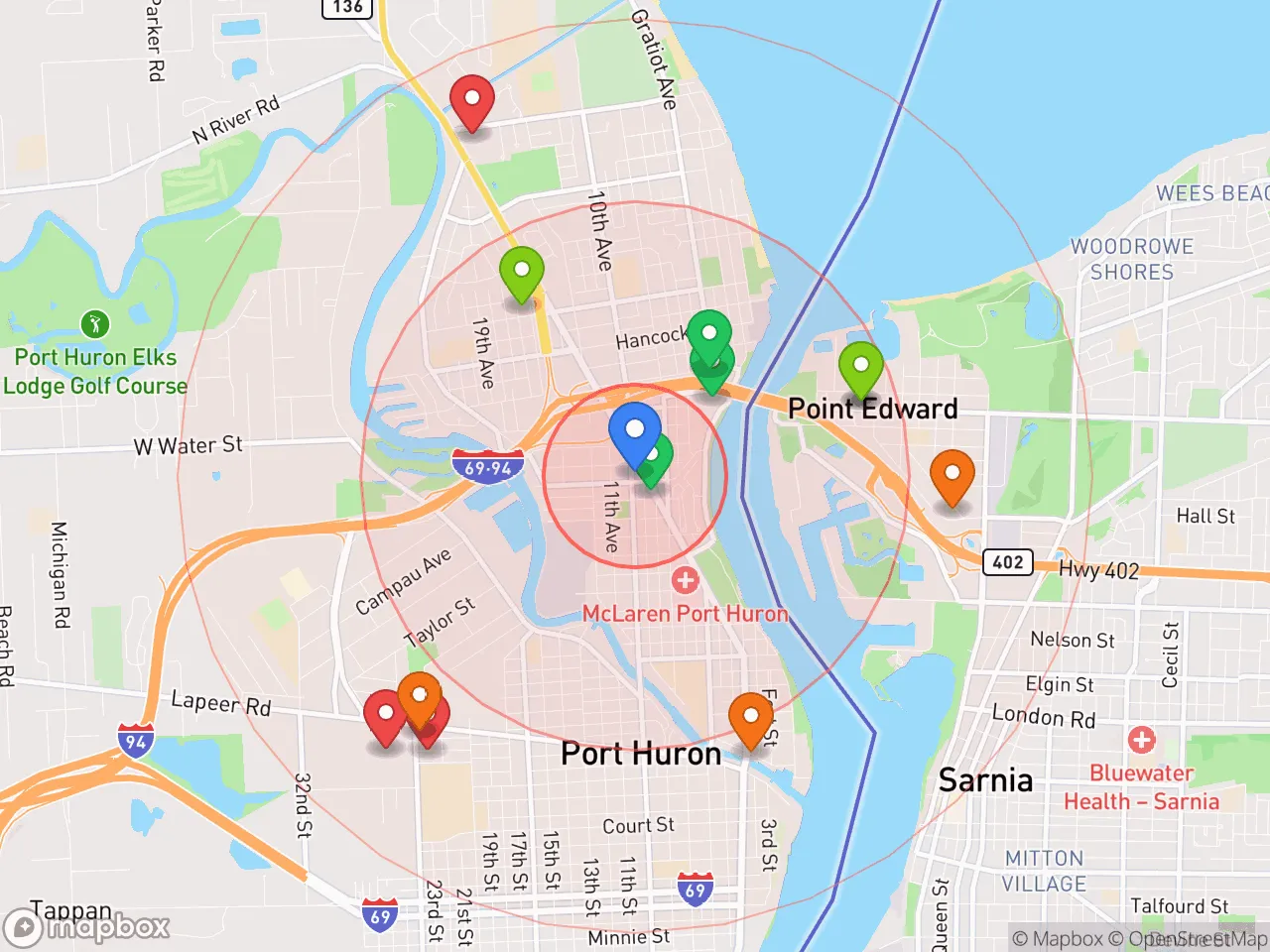
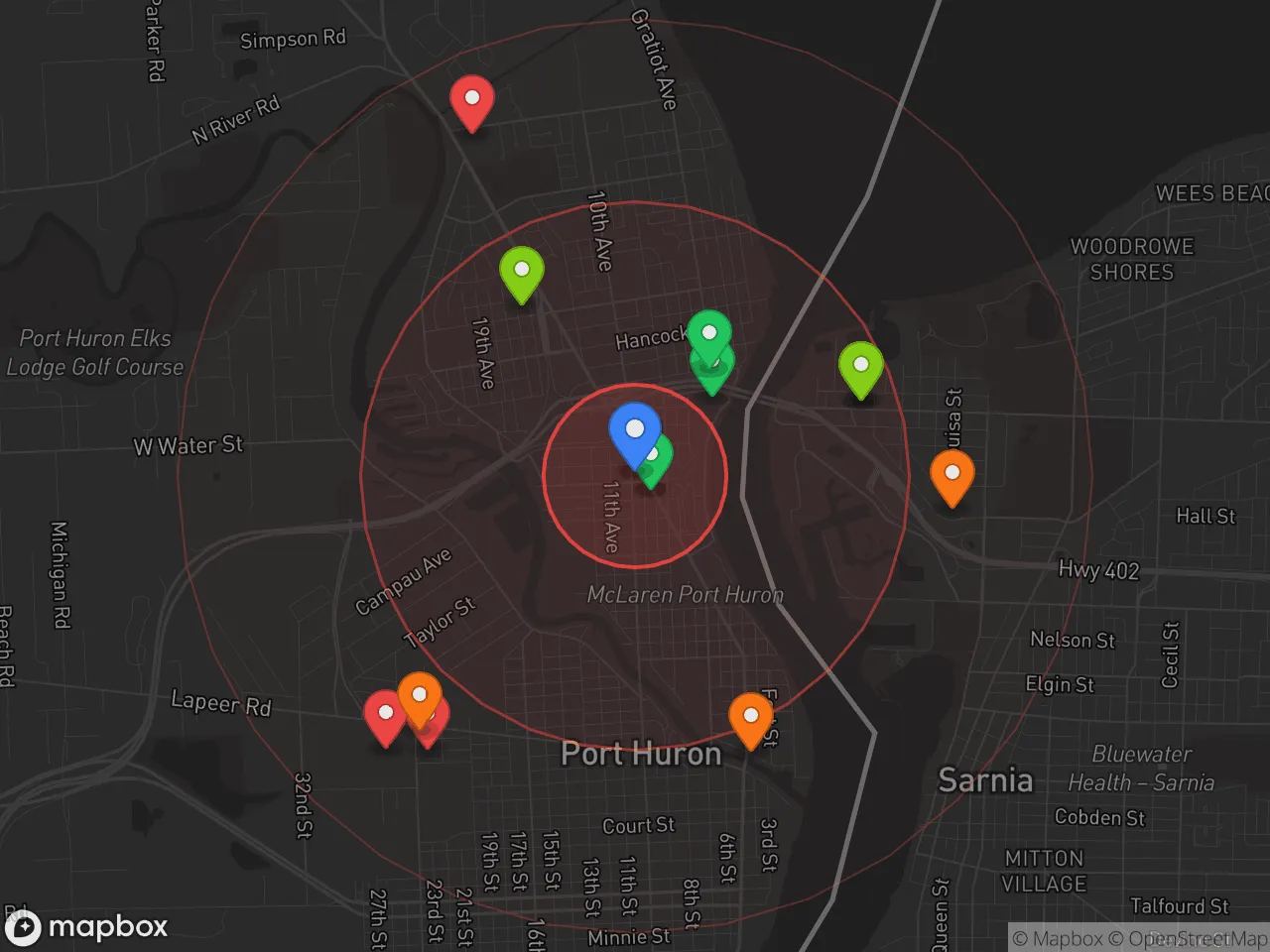
6 within 10 miles
Gas
20 within 10 miles
Hospital
8 within 20 miles
Airport
DTW — Detroit Metropolitan Wayne County
Post Office
USPS — Port Huron, MI
Critical Amenities
Quality-of-Life Analysis
Port Huron, Michigan, presents a notably lower cost of living than much of the United States, with a cost-of-living index of 69 (where 100 is the national average). This affordability attracts a mix of working-class families, retirees on fixed incomes, and younger professionals seeking a slower pace near the water. The area’s median household income is below the national median, reflecting a community where economic stability often depends on manufacturing, healthcare, and cross-border trade with Canada.
How housing costs and affordability compare to nearby cities
Housing in Port Huron is significantly cheaper than in many Michigan metro areas. The median home value is approximately $136,000, compared to the national median of roughly $350,000, and the median rent is $972 per month. This makes homeownership accessible for first-time buyers and those relocating from pricier regions like Detroit’s suburbs or Ann Arbor. By contrast, homes in nearby St. Clair or Marysville often command higher prices, while Port Huron’s stock includes older single-family homes and some newer developments. The average commute time is just under 21 minutes, well below the national average of 26 minutes, which reduces transportation costs and allows residents to live affordably without sacrificing access to jobs in Port Huron or commuting to Detroit (about 60 miles south).
What daily life is like for families and retirees
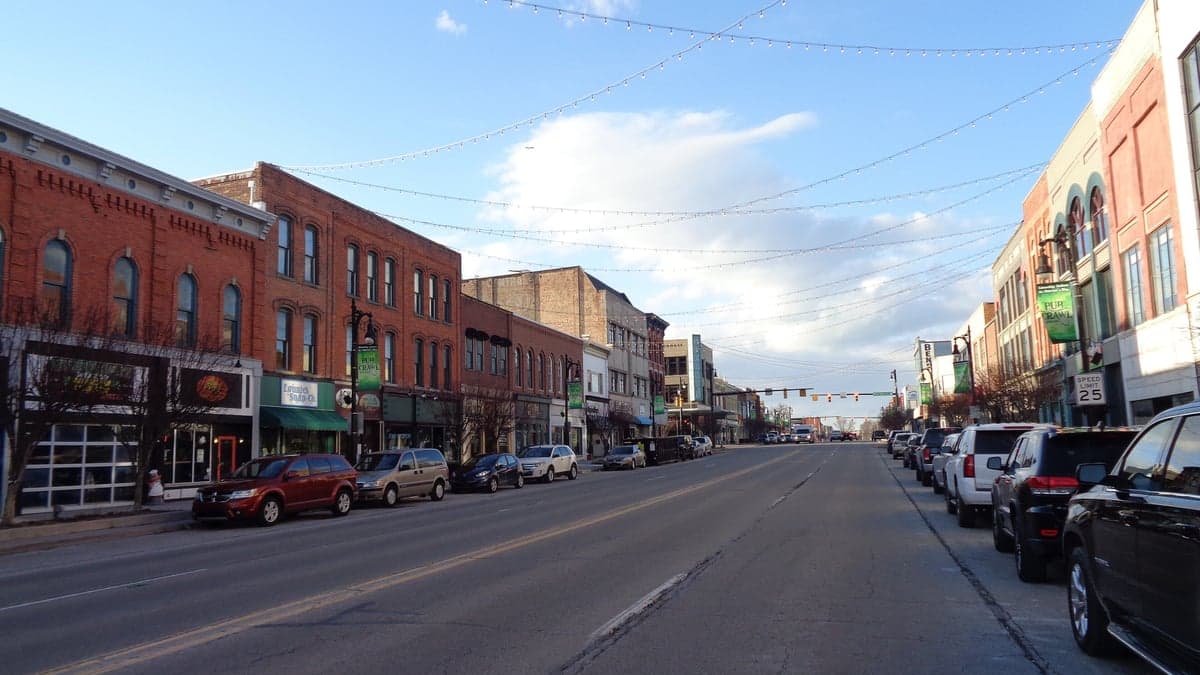
Daily life in Port Huron centers on the St. Clair River and Lake Huron shoreline, with residents frequently using the Blue Water River Walk and Lakeside Park for recreation. The Port Huron School District serves most families, though some opt for charter or private options like St. Stephen Catholic School. Amenities include the Port Huron Museum, the McMorran Place sports and entertainment complex, and seasonal events such as the Blue Water Festival. Healthcare is anchored by McLaren Port Huron Hospital, which provides emergency and specialty care. The area’s retail corridor along Pine Grove Avenue and the Birchwood Mall offers shopping, while dining leans toward local diners and family-owned restaurants rather than high-end chains. For daily errands, residents find a mix of national grocery chains and local markets. The pace is noticeably slower than in metro Detroit, appealing to those who prioritize outdoor access and community familiarity over urban nightlife.
Port Huron is best suited for individuals and families who value affordability, water access, and a quieter lifestyle over career diversity or cultural density. Retirees on fixed incomes benefit from low housing costs and proximity to healthcare, while remote workers can leverage the short commute and lower expenses. Those seeking vibrant nightlife, high-end retail, or rapid career advancement may find the area limiting, but for buyers and renters priced out of larger Michigan cities, Port Huron offers a practical, livable alternative with a strong sense of place along the Great Lakes.

Crime in Port Huron, MI
Higher crime rates than 57% of comparable U.S. locations.
Violent CrimeViolent Crime Analysis
Property CrimeProperty Crime Analysis
Crime Analysis
Port Huron, Michigan, reports a violent crime rate of 666.8 incidents per 100,000 residents and a property crime rate of 1,276.8 per 100,000, placing it well above both state and national averages for communities of its size. These figures indicate that the city faces significant public safety challenges, particularly when compared to safer suburban enclaves in St. Clair County. The overall safety picture is one of elevated risk, driven in part by the city's proximity to the larger Detroit metropolitan area and the socioeconomic pressures that accompany a post-industrial border town.
Crime in context
Port Huron's violent crime rate is roughly double the national average of approximately 380 per 100,000, while its property crime rate exceeds the U.S. median of about 1,954 per 100,000 by a narrower margin. Michigan's statewide violent crime rate hovers around 450 per 100,000, meaning Port Huron is about 48% more violent than the average Michigan community. The city's crime index is comparable to other small industrial cities in the Great Lakes region, such as Saginaw or Muskegon, but significantly higher than nearby suburban communities like Fort Gratiot or Marysville. These disparities reflect broader patterns: Port Huron functions as a regional hub with a higher concentration of poverty, transient populations, and drug-related activity, all of which correlate with elevated crime statistics.
What residents experience
Residents report that property crime—particularly vehicle break-ins, theft from porches, and residential burglaries—is a routine concern, especially in neighborhoods near the downtown corridor and along the Black River. Violent crime, while less frequent in daily life, includes aggravated assaults and robberies that often cluster around specific blocks rather than being evenly distributed. St. Clair County's justice system operates under a mix of traditional and progressive policies, with local prosecutors and judges who sometimes emphasize diversion programs and reduced sentencing for nonviolent offenders. While these approaches aim to reduce recidivism, critics argue they contribute to a revolving-door effect that undermines deterrence and leaves victims feeling underserved. Residents in areas like the Pine Grove Park neighborhood or the north end near the bridge to Canada generally report feeling safer than those in the central downtown or the south side near the industrial waterfront.
Neighborhood-level variation is pronounced in Port Huron. The wealthier, more suburbanized edges of the city—such as the area around the St. Clair River near the Thomas Edison Inn—experience crime rates closer to the county average, while the core downtown and the blocks surrounding the former Michigan Central Depot see the highest concentrations of both property and violent offenses. Prospective residents should research specific block-level data through the Port Huron Police Department's online crime map and consider visiting at different times of day to gauge street-level safety. For those prioritizing security, the adjacent townships of Fort Gratiot and Port Huron Township offer substantially lower crime rates while maintaining easy access to the city's amenities and the Blue Water Bridge crossing into Canada.
* Values derived from national, state, county, city and local statistics and may differ in a specific area. Last updated: 2026-04-30T05:02:37.000Z
Narrative content on this page is AI-generated and may contain mistakes. Verify any details that matter before acting on them.
ReloMaps may earn a commission from affiliate links at no extra cost to you.

