Photo: Wikipedia
Find The Best Places To Live
in Port Huron
PRO TIP! You can paste a Zillow or Redfin link to get info on that property.
What It's Like Living in Port Huron, MI
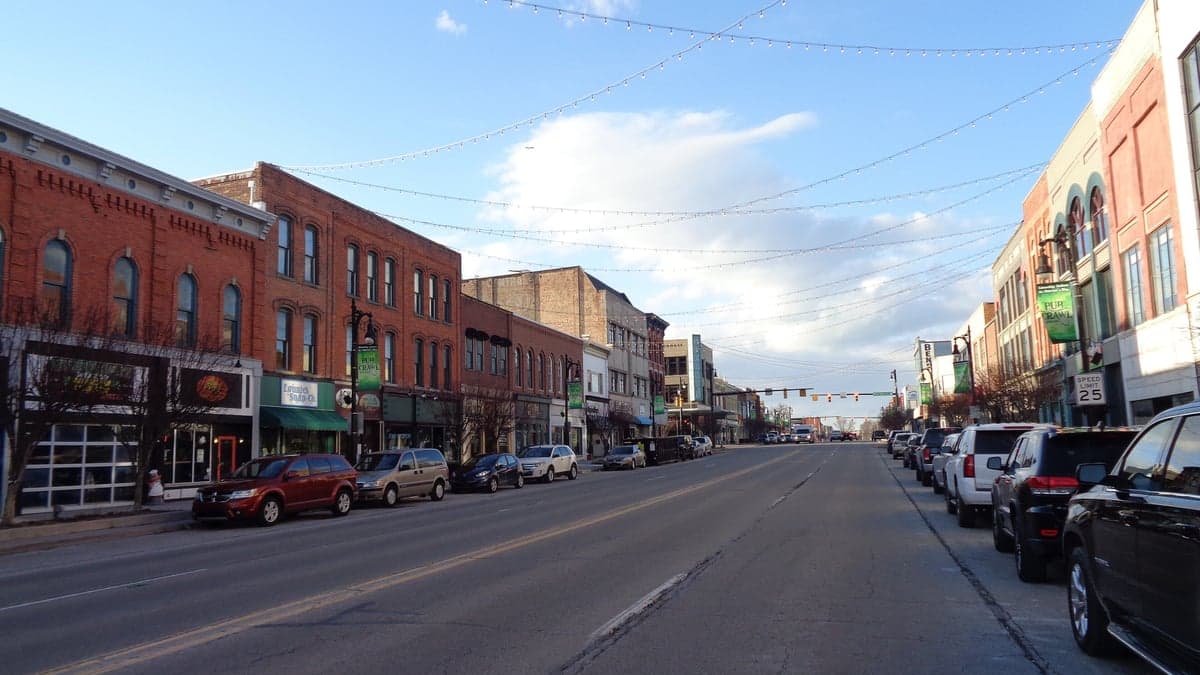
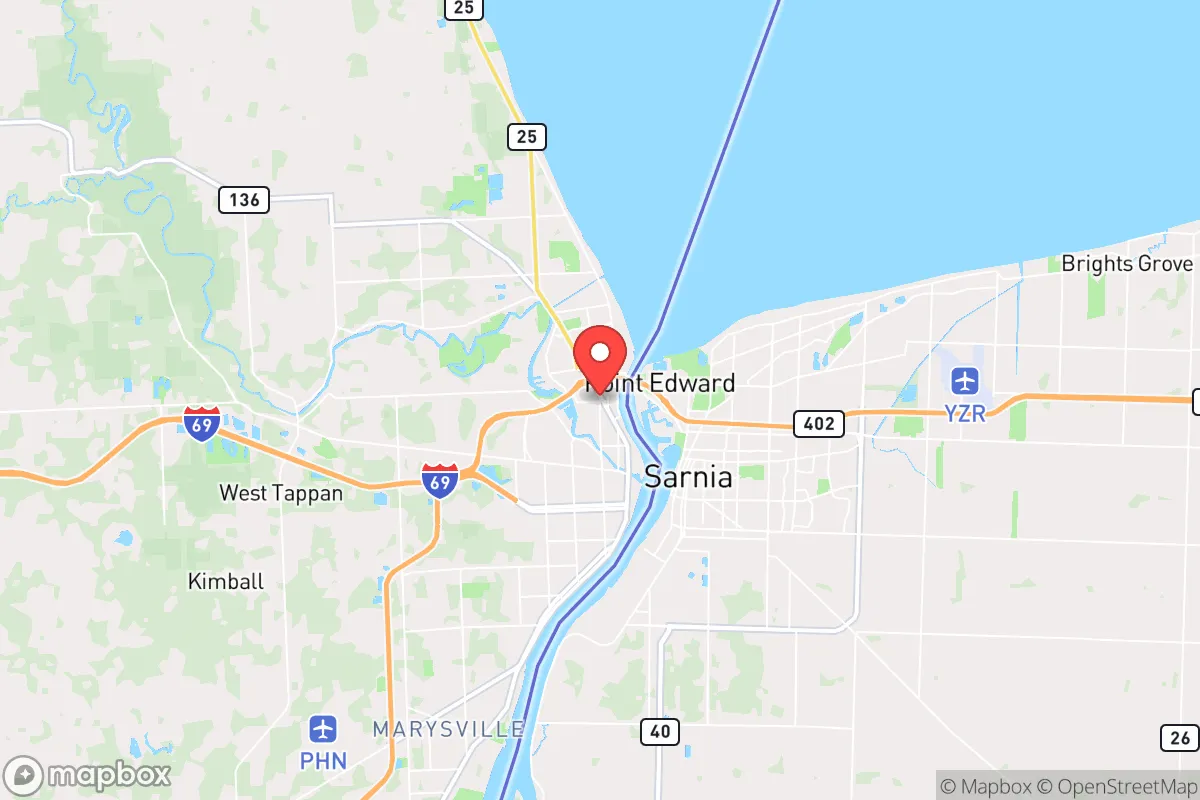
Port Huron feels like a Great Lakes town that time didn’t exactly pass by—it just slowed down enough for people to notice the potholes and the sunsets over the St. Clair River. It’s a blue-collar city with a small-town pulse, where the Blue Water Bridge hums with traffic heading to Canada and the local high school football game on a Friday night still draws a crowd that rivals the population of some nearby villages. If you’re looking for a place where you can afford a house on a single income, where winter is a fact of life rather than a surprise, and where “going out” might mean a fish fry at the VFW or a sunset cruise on the river, Port Huron is worth a serious look.
The Daily Rhythm: Work, Weather, and Weekends
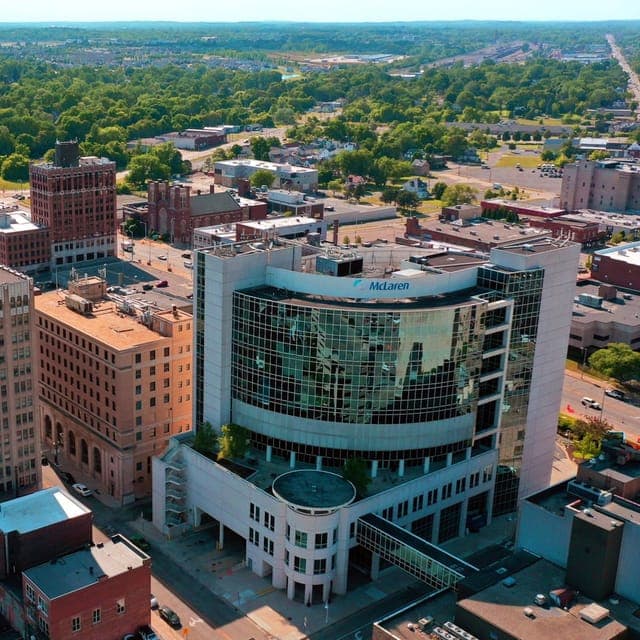
Most people here work in manufacturing, healthcare, or retail, with major employers like McLaren Port Huron Hospital, SEMCO Energy, and the St. Clair County government anchoring the local economy. The average commute clocks in at just under 21 minutes—short enough that you can live on the north end and still grab coffee downtown before the 8 a.m. shift. The median household income sits around $49,000, which goes further than you’d expect thanks to a cost of living index of 69 (31% below the national average). A median home value of $136,000 means a couple earning that median income can actually buy a decent three-bedroom ranch without a six-figure down payment.
Weekends here are dictated by the seasons. Summer means Lakeside Park for the beach, the Port Huron Farmers Market on Saturdays, and the Port Huron Float Down—an unofficial, semi-chaotic tradition where thousands of people drift down the St. Clair River on inflatable rafts, inner tubes, and kayaks. Winter shifts to ice fishing on the river, snowmobiling on regional trails, or hunkering down at a local sports bar like The Vintage Tavern or Rum Runners. The weather is reliably Lake Effect: cold, gray winters (expect 40-50 inches of snow) and humid, lake-breezy summers that rarely hit 90°F for more than a few days.
Sports, Community, and the High School Factor
High school sports are a genuine cultural force here. Port Huron High School and Port Huron Northern have a rivalry that splits the city in two, with the annual “Big House” football game drawing 5,000+ fans. Basketball and hockey also pull strong crowds—the local Port Huron Prowlers (junior hockey) play at McMorran Arena, and games are cheap, loud, and family-friendly. There’s no major pro team within an hour, so the Detroit Tigers and Red Wings get plenty of TV time, but the real loyalty is to the local kids wearing the school colors.
For adults, community life revolves around church, the Port Huron Civic Theatre, and a handful of fraternal organizations like the Elks or Moose Lodge. The Blue Water Area Transit system is limited, so most people drive everywhere—but parking is never a problem. The median age of 38.3 skews a bit older than the national average, and you’ll notice it in the slower pace: coffee shops like Rapids & Grounds are busy by 7 a.m., but downtown sidewalks are quiet by 9 p.m. on a weekday.
What’s There to Do—and What’s Missing
The biggest draw is the water. The St. Clair River is the lifeblood of the city—you can walk the boardwalk along the riverfront, watch freighters pass so close you can read their names, or rent a kayak from Blue Water Paddling. The Port Huron Museum (housed in a former Carnegie library) and the Thomas Edison Depot Museum offer low-cost history lessons. For music, the Sounds of Summer Concert Series at the Pine Grove Park amphitheater runs weekly from June to August, mostly cover bands and classic rock.
But let’s be honest about the downsides. The violent crime rate is 666.8 per 100,000—roughly double the national average—and it’s concentrated in a few neighborhoods near downtown and the south end. Property crime is also a headache; locals will tell you to lock your car doors even in your own driveway. The college-educated population is just 18.7%, which means fewer white-collar jobs and less of the coffee-shop-and-startup culture you’d find in Ann Arbor or Grand Rapids. Dining options are heavy on pizza, burgers, and chain restaurants; for anything more adventurous (Thai, Indian, upscale seafood), you’re driving 45 minutes to the north side of Detroit or to nearby St. Clair or Marysville.
Traffic is rarely a problem—the average commute is under 21 minutes—but the Blue Water Bridge can back up for an hour on summer weekends when Canadians come over for shopping or Americans head to Sarnia for cheaper gas. Schools are a mixed bag: Port Huron Area School District has solid elementary schools but struggles with funding and aging facilities, and many families with means opt for private schools like St. Stephen Catholic School or Holy Cross Academy.
Who Fits In—and Who Might Not
Port Huron works best for people who value affordability and proximity to the water over career opportunity and cultural variety. It’s a good fit for tradespeople, nurses, remote workers, and early retirees who want a house with a yard and a boat slip for under $200,000. It’s a tougher sell for young singles looking for a dating scene or nightlife—the bars are mostly divey, the dating pool is shallow, and the nearest city with a real downtown (Detroit) is an hour away. Families appreciate the low cost of living and the safe suburban pockets like Fort Gratiot or North Port Huron, but they’ll need to drive their kids to most activities. The local identity is proudly working-class, a bit insular, and deeply tied to the lake and the bridge. If that sounds like home, you’ll find a lot to like here—just don’t expect it to be anything other than what it is.

Similar towns to Port Huron

* Values derived from national, state, county, city and local statistics and may differ in a specific area. Last updated: 2026-04-30T05:02:37.000Z
Narrative content on this page is AI-generated and may contain mistakes. Verify any details that matter before acting on them.
ReloMaps may earn a commission from affiliate links at no extra cost to you.

