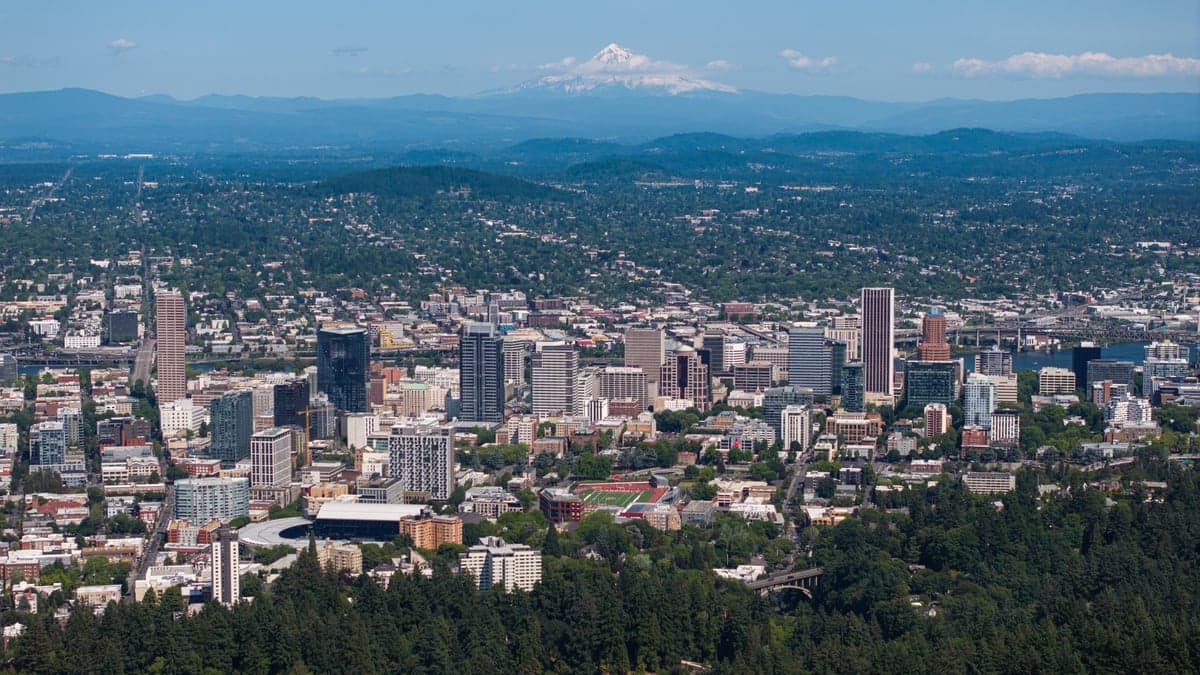
Photo: Wikipedia
Quality of Life in Portland, OR
Above-average quality of iife. The area offers a reasonable cost of living, decent mobility, and a mix of neighborhood amenities.
What does Quality of Life tell us?
Quality of Life blends cost of living, nearby amenities, socioeconomic signals, and neighborhood character. City-level scores represent the whole municipality; individual neighborhoods can differ.
What does this tell us?
Quality of Life blends cost of living, nearby amenities, socioeconomic signals, and neighborhood character. City-level scores represent the whole municipality; individual neighborhoods can differ.
Cost of Living
61% above national average
The Real Cost of Living in Portland, OR for 2026
| Tier | Individual | Family (4) |
|---|---|---|
| Survival | $25k | $48k |
| Comfortable | $108k | $159k |
| Luxury | $160k+ | $249k+ |
| Elite (Top 5%) | $200k+ | $310k+ |
56%
The Area Signal
A metric tracking the socioeconomic signals of the area.
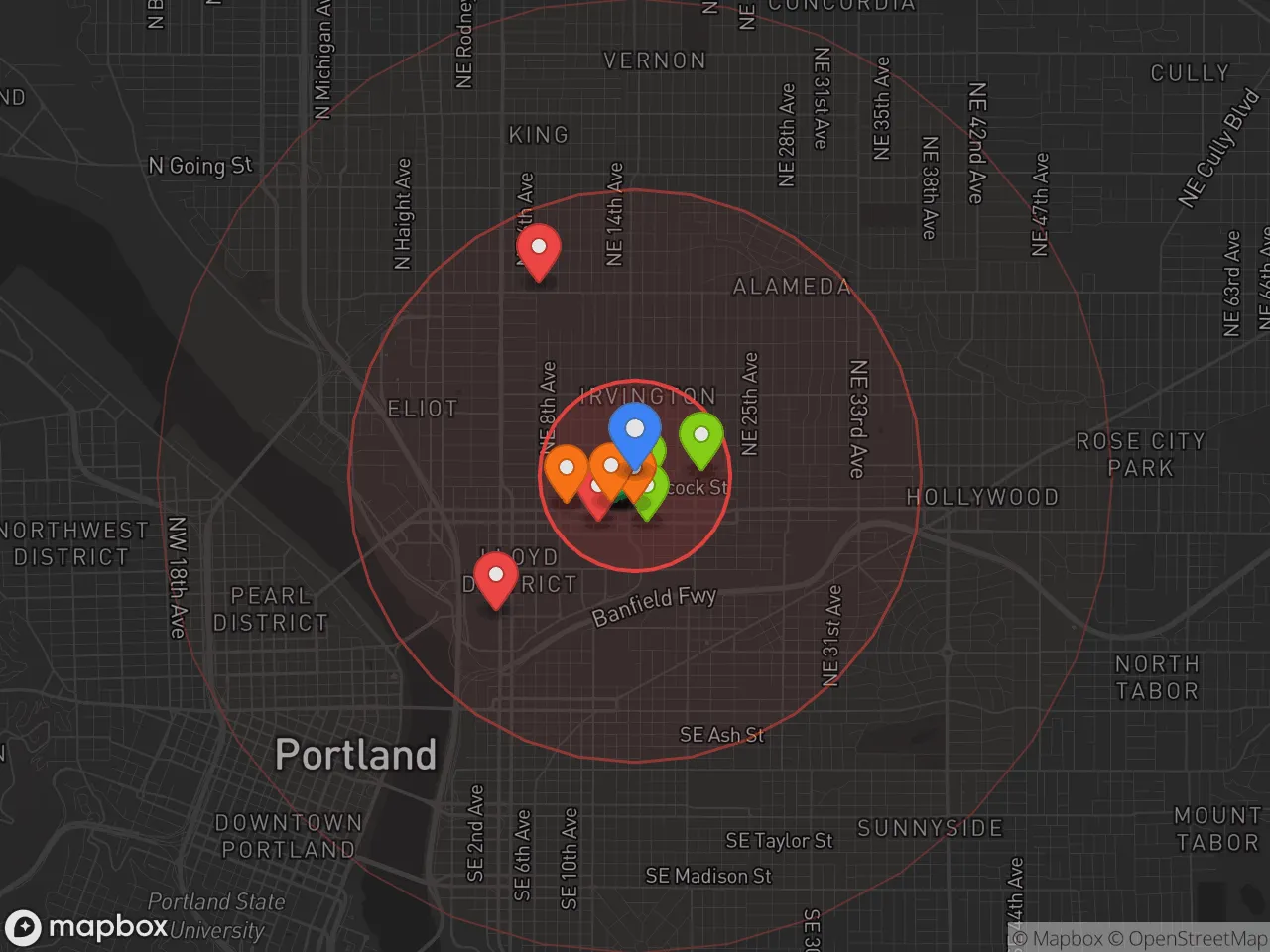
Hobbies
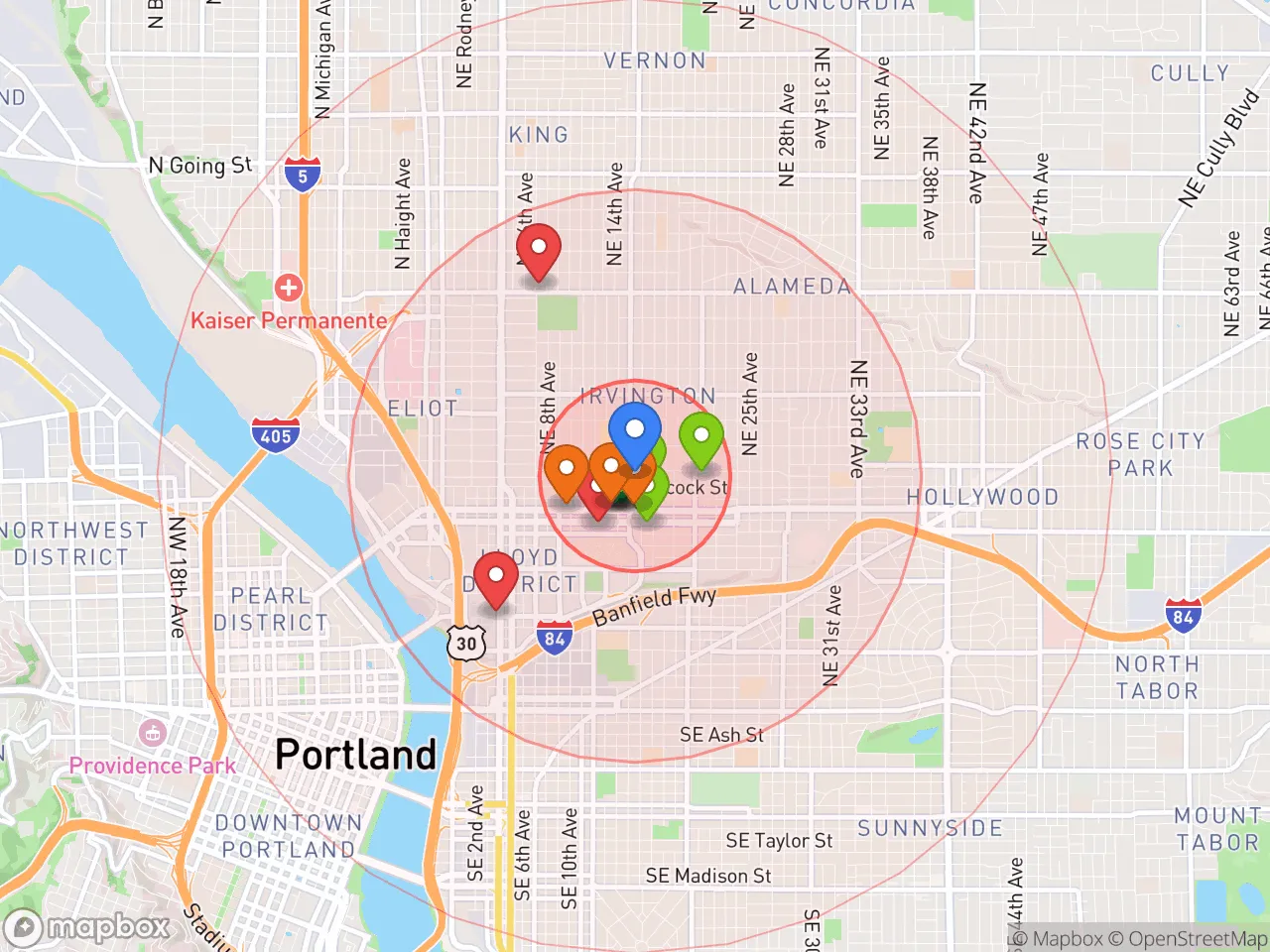
Explore the areaGroceries
7 within 10 miles
Gas
20 within 10 miles
Hospital
20 within 20 miles
Airport
PDX — Portland International
Post Office
USPS — Portland, OR
Critical Amenities
Quality-of-Life Analysis
Portland, Oregon, attracts a mix of young professionals, creatives, and families drawn to its distinctive culture and natural setting, but its affluence is tempered by a cost of living that significantly outpaces the national average. With a cost of living index of 161 (100 = U.S. average), Portland is notably more expensive than the national norm, though it remains more affordable than major coastal peers like San Francisco or Seattle. The city’s population skews younger and more educated than the Oregon average, with a median age around 37 and a high proportion of residents holding bachelor’s degrees, reflecting its status as a hub for tech, design, and sustainable industries.
Cost of living, housing, and affordability compared to nearby areas
Portland’s housing market is the primary driver of its elevated cost of living. The median home value sits at $557,600, roughly 50% higher than the Oregon state median and more than double the national figure, while the median rent of $1,596 is similarly elevated. Compared to nearby suburbs like Beaverton or Gresham, Portland proper commands a premium of 10–20% for housing, though it remains significantly cheaper than Seattle’s median home value of over $800,000. The average commute time of 24.6 minutes is slightly below the national average of 26 minutes, a relative advantage for a city of its size, aided by a robust public transit system including MAX light rail and bus lines. However, for renters and first-time buyers, affordability is a growing challenge: the percentage of households spending more than 30% of income on housing has risen above 45% in recent years, pushing many to consider outer-ring suburbs like Hillsboro or Vancouver, Washington, where home values are 15–25% lower.
What daily life is like for families, amenities, and schools
Daily life in Portland is defined by its walkable neighborhoods, abundant green spaces, and a strong emphasis on local food and culture. The city boasts over 200 parks, including Forest Park—one of the largest urban forests in the U.S.—and the iconic Washington Park, which houses the Oregon Zoo and Portland Japanese Garden. For families, the Portland Public Schools district serves most of the city, with notable magnet programs like the Benson Polytechnic High School and the French-American International School, though many families also opt for charter or private options due to uneven school performance across neighborhoods. The city’s food scene is a major draw, with over 600 food carts and a nationally recognized farm-to-table restaurant culture, while the Saturday Portland Farmers Market at Portland State University is a weekly anchor. Commuting patterns reflect a mix of car, bike, and transit use: Portland has one of the highest bike-commute rates in the U.S. (around 6%), and the MAX system provides direct access to the airport and suburban job centers. For recreation, the nearby Columbia River Gorge and Mount Hood offer world-class hiking, skiing, and windsurfing within a 90-minute drive.
Portland is best suited for individuals and families who value a progressive, environmentally conscious lifestyle and are willing to pay a premium for walkable urban living and access to nature. Those working in tech, healthcare, or creative fields—major employers include Intel, Nike, and Oregon Health & Science University—will find strong job markets, while remote workers can leverage the city’s relatively lower cost compared to the Bay Area. However, the high housing costs and rising homelessness (over 6,000 individuals counted in the 2023 point-in-time survey) mean that budget-conscious newcomers or those seeking suburban-style space may find better value in nearby communities like Lake Oswego or Camas, Washington. For those who prioritize cultural vibrancy, outdoor recreation, and a tight-knit neighborhood feel, Portland offers a quality of life that few other mid-sized U.S. cities can match.

Crime in Portland, OR
Significantly higher crime rates than 84% of comparable U.S. locations.
Violent CrimeViolent Crime Analysis
Property CrimeProperty Crime Analysis
Crime Analysis
Portland, Oregon, presents a challenging safety landscape, with crime rates significantly exceeding both state and national averages. The city's violent crime rate stands at 694.6 incidents per 100,000 residents, while property crime is reported at a notably high 5,087.2 per 100,000. These figures place Portland among the higher-crime large metro areas in the Pacific Northwest, a situation many analysts link to the area's progressive judicial policies and district attorney offices, which critics argue prioritize offender rehabilitation over public safety and victim justice.
Crime in context
To understand Portland's crime levels, it is essential to compare them to broader benchmarks. The national average for violent crime is roughly 380 per 100,000, meaning Portland's rate is nearly double that figure. Property crime is even more stark, with Portland's rate of 5,087 per 100,000 far exceeding the national average of approximately 2,100 per 100,000. Oregon's state averages are also elevated, but Portland's numbers are consistently higher than other large cities in the state like Salem or Eugene. This disparity is frequently attributed to the local justice system's progressive approach, where district attorneys and judges often implement policies such as reduced sentencing, diversion programs, and lower bail requirements. While intended to reduce incarceration, these policies are criticized for allowing repeat offenders to remain on the streets, directly increasing the risk to residents and undermining justice for victims.
What residents experience
For those living in Portland, the high crime rates translate into tangible daily concerns. Property crime, including car break-ins, bicycle theft, and home burglaries, is a pervasive issue that many residents encounter. The likelihood of experiencing a property crime in Portland is more than double the national average, making it a constant consideration for homeowners and renters alike. Violent crime, while less frequent, is still a serious worry, with incidents of assault, robbery, and carjacking reported across the city. The perception of public safety is further eroded by visible issues like open drug use and property destruction, which are often linked to the same lenient enforcement and prosecution policies. Many residents feel that the criminal justice system's focus on offender circumstances leaves them without adequate protection or recourse after a crime occurs.
Neighborhood-level variation is significant, however, and can dramatically alter a resident's experience. Areas like the Pearl District and Northwest District generally report lower crime rates, while neighborhoods such as Old Town/Chinatown, Lents, and parts of Southeast Portland see much higher concentrations of both property and violent crime. Proximity to major thoroughfares and MAX light rail stations also correlates with increased theft and nuisance crimes. Prospective residents should research specific neighborhood statistics and consider that even in safer areas, the citywide impact of progressive judicial policies means a higher baseline risk of encountering crime than in more traditionally conservative jurisdictions. The trade-off for Portland's cultural and environmental amenities is a security environment that demands constant vigilance and proactive property protection.
* Values derived from national, state, county, city and local statistics and may differ in a specific area. Last updated: 2026-05-04T23:09:15.000Z
Narrative content on this page is AI-generated and may contain mistakes. Verify any details that matter before acting on them.
ReloMaps may earn a commission from affiliate links at no extra cost to you.

