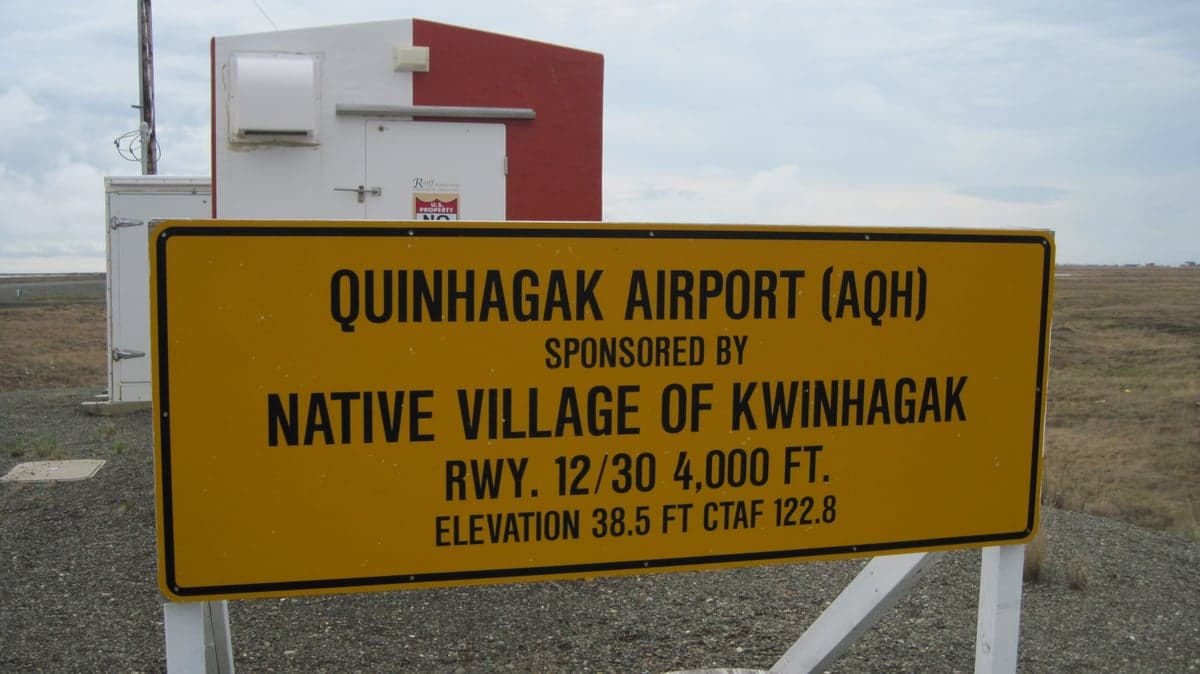
Photo: Wikipedia
Political ClimatePolitical Climate in Quinhagak, AK
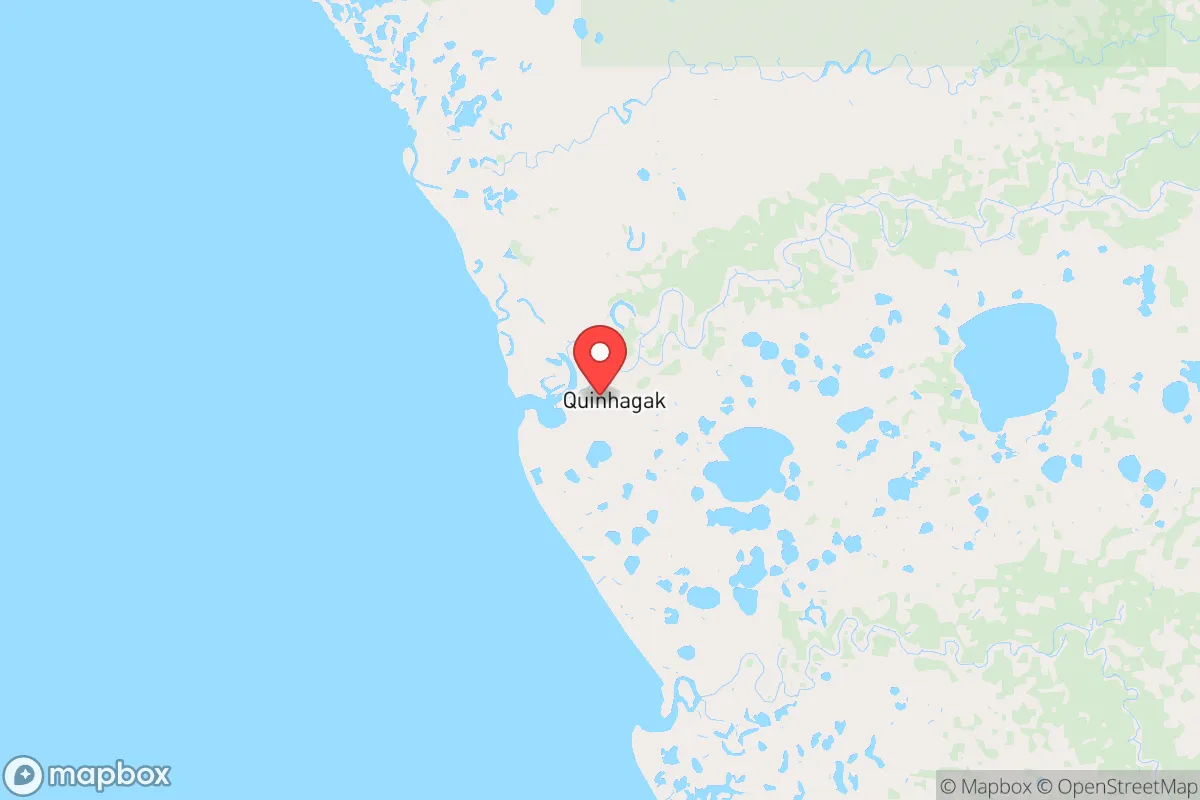
District shown is the primary district for this city’s centroid. Cities may span multiple districts.
Inherited from parent state — no local data available.
Local Political AnalysisPolitical Analysis of Quinhagak, AK
Quinhagak, Alaska, has long been a place where folks value their independence and traditional ways of life, and that’s reflected in its political leanings. The area carries a Cook PVI of R+6, meaning it’s reliably Republican by a solid margin, and that’s been the case for as long as most of us can remember. You won’t find much of the coastal progressive shift here—people tend to vote for candidates who promise to keep government out of our fishing, hunting, and daily routines. If anything, the trajectory has been a slow, steady hold against outside pressures, though we’re starting to see some worrying signs of change creeping in from the bigger towns.
How it compares
When you look at the political map of Alaska, Quinhagak stands out as a conservative anchor compared to places like Bethel, about 70 miles to the northeast. Bethel has been trending more liberal over the past decade, with a growing number of votes for progressive candidates and policies that feel out of step with village life. Down the coast, Dillingham leans slightly more moderate, but still not as reliably red as Quinhagak. The contrast is stark: while Bethel’s city council debates things like sanctuary city status or climate action plans that sound like they came from Juneau or Seattle, Quinhagak’s focus stays on practical issues—subsistence rights, local control over land use, and keeping the state from meddling in our schools and tribal affairs. That R+6 rating isn’t just a number; it’s a reflection of a community that’s skeptical of big government solutions and prefers to handle things ourselves.
What this means for residents
For those of us living here, the political climate directly shapes how much freedom we have to live the way we want. A conservative majority in the region means fewer regulations on fishing and hunting seasons, less pressure to adopt costly environmental mandates from outside, and a stronger voice against state overreach into our subsistence practices. It also means our local school board and tribal council can focus on teaching practical skills—like how to set a net or process a seal—rather than pushing ideological agendas that don’t fit our reality. The downside? We’ve seen a few attempts by outside groups to bring in progressive policies, like stricter gun laws or land-use restrictions, but so far, the community has pushed back hard. If that trend ever flips, it could mean losing the very freedoms that make Quinhagak worth living in.
One thing that sets Quinhagak apart culturally is how deeply politics is tied to the land and our Yup’ik heritage. There’s a strong distrust of government mandates that come from Anchorage or Washington, D.C., especially when they don’t account for our subsistence lifestyle. For example, when the state tried to impose new bear-hunting regulations a few years back, the village council organized a petition that killed the proposal—because we know better what works here than some bureaucrat who’s never seen a tundra. That’s the kind of local control we fight to keep. Looking ahead, the biggest concern is whether younger generations, exposed to more outside media and education, will hold the line or start drifting toward the progressive ideas that have already reshaped places like Bethel. For now, Quinhagak remains a place where personal freedom and tradition still win the day, but it’s something we keep an eye on.

State Political ClimatePolitical Climate in Alaska
State Political AnalysisPolitical Environment in the State
Alaska has long been a politically unique state, with a strong libertarian streak that leans conservative on many issues, but with a notable independent and moderate wing that keeps it from being a deep red stronghold. Over the past 20 years, the state has shifted from a reliably Republican bastion to a more volatile swing state, with the 2020 presidential election being decided by just 10 points for Trump—a far cry from the 30-point margins of the 2000s. The dominant coalition is a mix of rural conservatives, resource extraction workers, and fiscal conservatives in the Anchorage bowl, but a growing urban progressive bloc in Anchorage and Juneau is pulling the state leftward, creating a tense, competitive environment.
Urban vs. rural divide
The political map of Alaska is starkly divided between the urban core of Anchorage and the vast rural and suburban areas. Anchorage, home to about 40% of the state’s population, is the key battleground. Its liberal-leaning districts, like those around the University of Alaska and downtown, often vote Democratic, while the suburban neighborhoods of Eagle River and Chugiak lean heavily Republican. The Matanuska-Susitna Valley, including towns like Wasilla and Palmer, is the state’s conservative heartland, where Trump won by 30+ points in 2020. Fairbanks is a mixed bag, with the city itself trending more moderate but the surrounding interior and North Slope boroughs remaining deeply red. Juneau, the capital, is the most consistently liberal city, driven by state government employees and a strong environmentalist presence. The rural bush, including villages like Bethel and Nome, often votes Democratic due to strong union ties and reliance on federal programs, but these areas are also culturally conservative on social issues, creating a complex dynamic.
Policy environment
Alaska’s policy environment is defined by its lack of a state income tax or sales tax, funded instead by oil revenue and the Permanent Fund Dividend (PFD). This low-tax structure is a major draw for conservatives, but the state’s heavy reliance on volatile oil prices creates fiscal instability. The regulatory posture is generally pro-business, especially in resource extraction, but the state has seen a push for stricter environmental regulations under the current administration. Education policy is a flashpoint: the state has a school choice program through correspondence and charter schools, but funding battles are constant, with rural schools often underfunded. Healthcare is a mixed bag, with a high rate of uninsured and a struggling rural healthcare system. Election laws are relatively open, with same-day registration and no-excuse absentee voting, which conservatives argue can lead to fraud concerns. The state also has a strong open meetings and public records law, which is a double-edged sword for transparency.
Trajectory & freedom
Alaska’s trajectory on personal freedom is a mixed bag. On the positive side, the state has some of the strongest gun rights in the nation, with constitutional carry and no permit required for concealed carry. Recent legislation, like the 2023 passage of a law protecting firearm manufacturers from lawsuits, has reinforced this. However, there are concerning trends. The 2020 passage of a ballot measure to raise the minimum wage and mandate paid sick leave was a blow to economic freedom. More troubling is the growing push for government overreach in health mandates; the state’s response to COVID-19 was relatively light compared to the Lower 48, but the 2021 vaccine mandate for state employees was a clear overstep. Parental rights are under threat, with a 2022 bill that would have allowed minors to consent to certain medical procedures without parental knowledge—it was defeated, but the fight is ongoing. Property rights are generally strong, but the state’s vast federal land holdings (60% of the state) create constant tension over land use and resource development.
Civil unrest & political movements
Alaska has seen relatively low levels of civil unrest compared to the Lower 48, but there are notable flashpoints. The 2020 Black Lives Matter protests in Anchorage were large but peaceful, and the state’s small population means these movements are less disruptive. The most visible political movement is the Alaska Independence Party, which advocates for a vote on secession, though it has little mainstream support. Immigration politics are less of a factor here due to the state’s remote location, but there is a growing debate over the influx of refugees and asylum seekers, with Anchorage being a designated refugee resettlement city. Election integrity is a hot topic; the 2020 election saw no major scandals, but the introduction of ranked-choice voting in 2022 (passed by ballot measure) has been deeply controversial, with conservatives arguing it dilutes voter intent and leads to confusing outcomes. The 2022 special election for the U.S. House, where a Democrat won with less than 50% of the first-choice votes, has fueled these concerns.
Projection
Over the next 5-10 years, Alaska is likely to become more politically competitive, but with a conservative advantage in statewide races. The demographic shift is driven by an aging population and out-migration of young people, which tends to favor Republicans. However, the influx of remote workers and retirees from blue states, particularly to the Anchorage area, is slowly shifting the urban vote leftward. The ranked-choice voting system will likely benefit moderate candidates and could lead to more split outcomes. The state’s fiscal crisis, driven by declining oil revenue, will force tough choices on taxes and the PFD, which could either unite conservatives around fiscal discipline or fracture them. The biggest wildcard is the federal government’s role; if the Biden administration continues to restrict oil and gas development on federal lands, it could cripple the state’s economy and fuel a backlash that strengthens the conservative movement. A new resident moving in now should expect a state that remains broadly free on gun rights and taxes, but where the cultural and political battles are intensifying, especially in the urban centers.
For a new resident, the bottom line is that Alaska offers a high degree of personal freedom compared to most states, but it’s not a conservative utopia. You’ll find strong gun rights, no income tax, and a culture of self-reliance, but you’ll also face a growing progressive influence in Anchorage and Juneau, a controversial ranked-choice voting system, and constant battles over resource development. If you’re looking for a place where your voice still matters and government overreach is resisted, Alaska is a solid choice—but you’ll need to stay engaged and vote in every election to keep it that way. The Mat-Su Valley and the Kenai Peninsula are your best bets for a like-minded community, while Anchorage requires more vigilance.
* Values derived from national, state, county, city and local statistics and may differ in a specific area. Last updated: 2026-04-19T19:34:55.000Z
Narrative content on this page is AI-generated and may contain mistakes. Verify any details that matter before acting on them.
ReloMaps may earn a commission from affiliate links at no extra cost to you.

