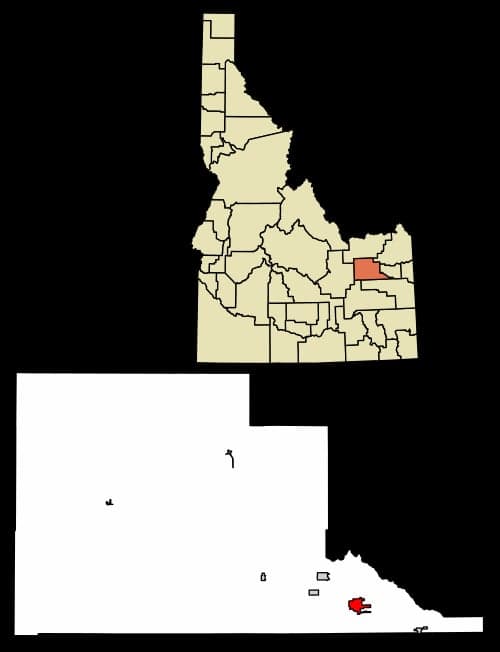
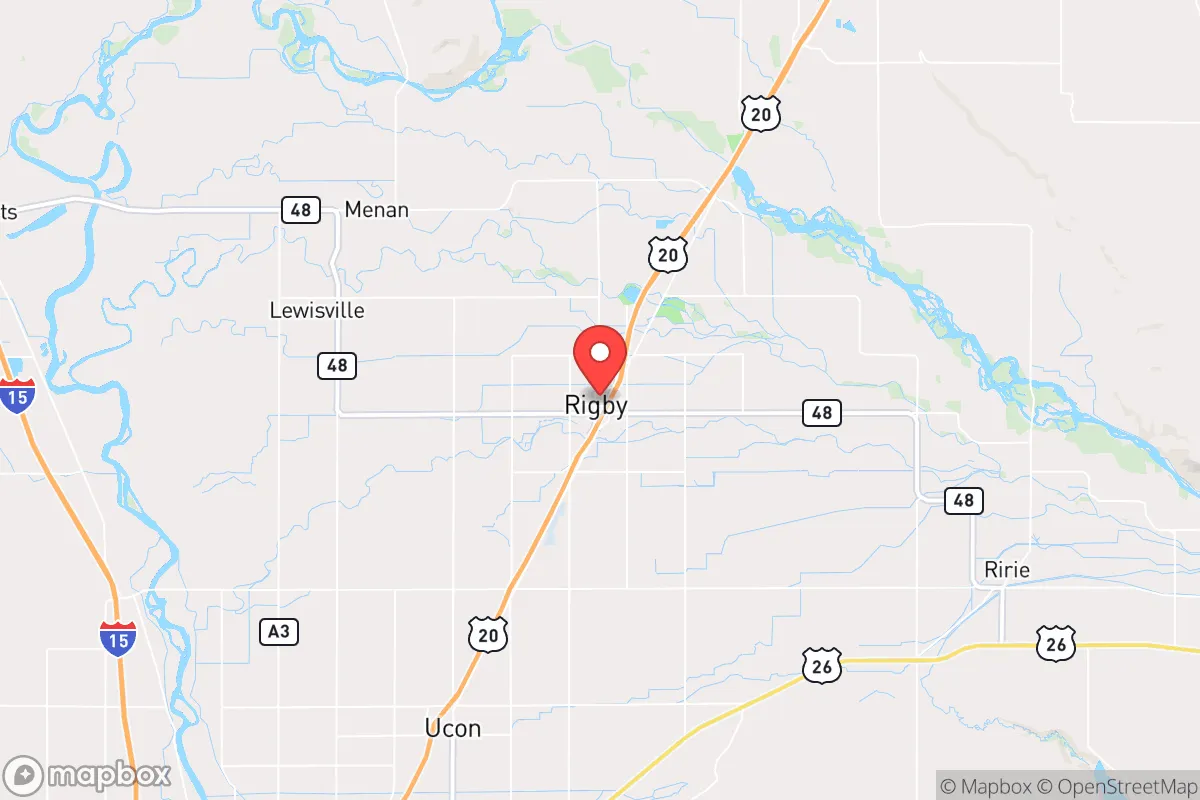
Photo: Wikipedia
Quality of Life in Rigby, ID
A high quality of life with strong walkability, manageable living costs, healthy neighborhood signals, and solid amenity access.
What does Quality of Life tell us?
Quality of Life blends cost of living, nearby amenities, socioeconomic signals, and neighborhood character. City-level scores represent the whole municipality; individual neighborhoods can differ.
What does this tell us?
Quality of Life blends cost of living, nearby amenities, socioeconomic signals, and neighborhood character. City-level scores represent the whole municipality; individual neighborhoods can differ.
Cost of Living
9% below national average
The Real Cost of Living in Rigby, ID for 2026
| Tier | Individual | Family (4) |
|---|---|---|
| Survival | $17k | $31k |
| Comfortable | $52k | $76k |
| Luxury | $77k+ | $120k+ |
| Elite (Top 5%) | $91k+ | $141k+ |
103%
The Area Signal
A metric tracking the socioeconomic signals of the area.
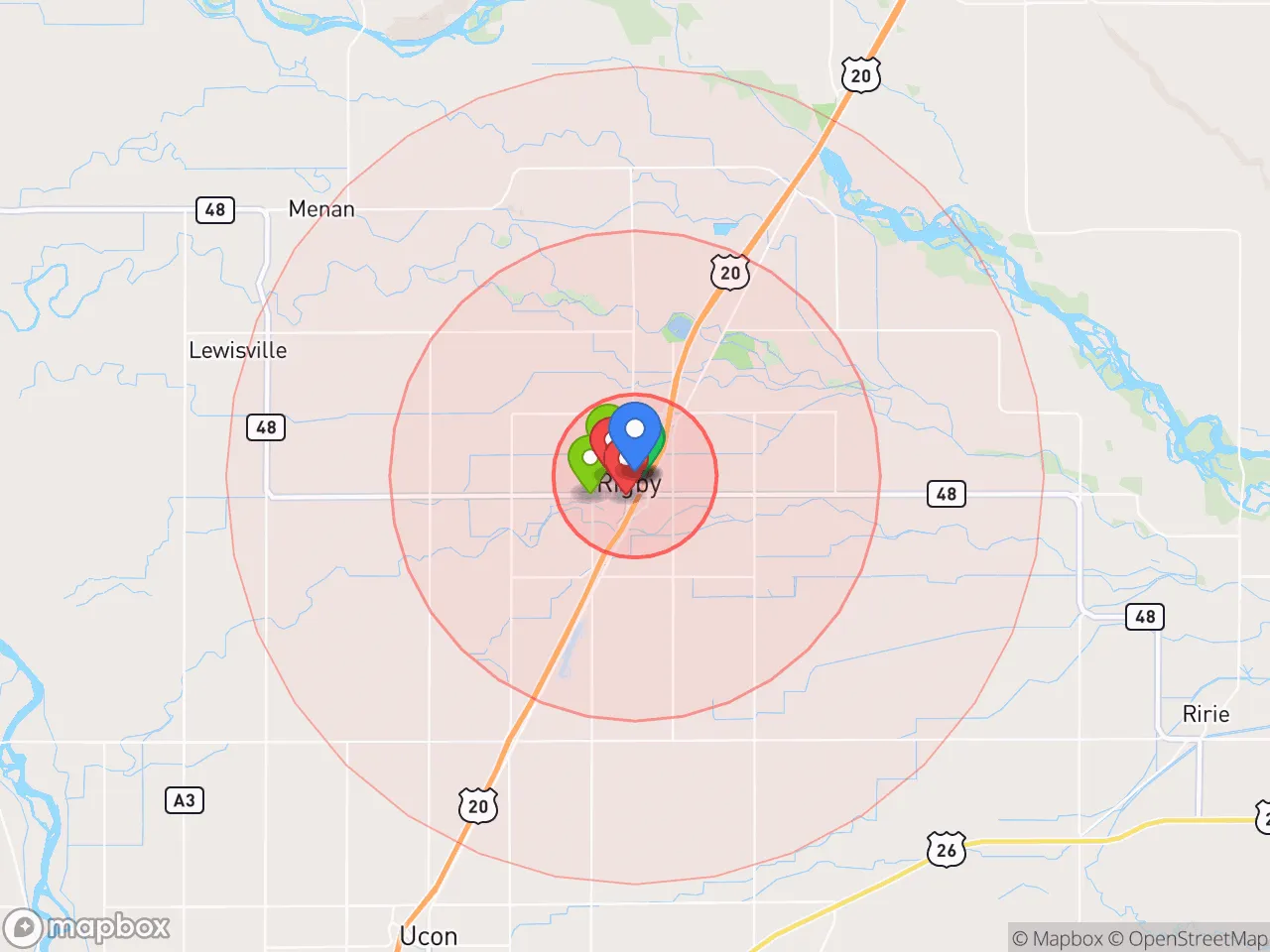
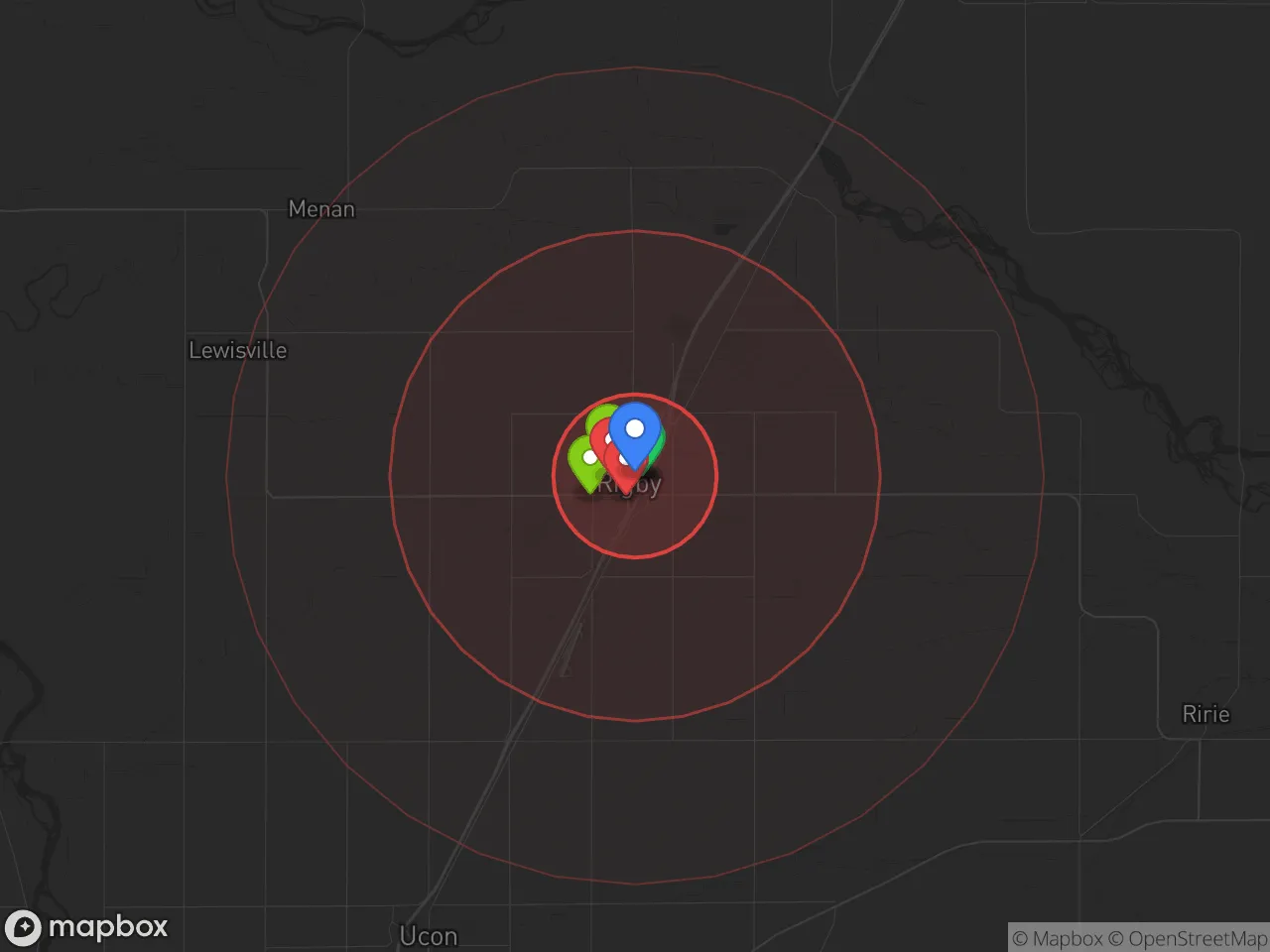
Hobbies
Explore the areaGroceries
0 within 10 miles
Gas
10 within 10 miles
Hospital
5 within 20 miles
Airport
SLC — Salt Lake City International
Post Office
USPS — Rigby, ID
Critical Amenities
Quality-of-Life Analysis
Rigby, Idaho, presents a notably affordable quality of life in the upper Snake River Valley, with a cost of living index of 91—well below the national average of 100. The city attracts a mix of young families, agricultural workers, and commuters who work in Idaho Falls or Rexburg, drawn by lower housing costs and a slower pace of life. Median household incomes here tend to track slightly below state averages, but the lower expenses allow residents to maintain a comfortable standard of living that feels more attainable than in pricier Western markets.
How housing costs and affordability compare to Idaho Falls and Rexburg
Rigby’s housing market is a primary draw for budget-conscious buyers. The median home value sits at $267,200, roughly 15% lower than Idaho Falls’ median of about $315,000 and significantly cheaper than Boise-area suburbs. Median rent is $1,035, making it one of the more affordable rental markets in eastern Idaho. For context, a two-bedroom apartment in Rigby typically rents for $900–$1,100, compared to $1,200–$1,400 in Idaho Falls. The average commute of 21.5 minutes is manageable, with most residents driving to jobs in Idaho Falls (20 minutes south) or Rexburg (15 minutes north). Property taxes remain low by national standards—around 0.6% of assessed value—which further stretches household budgets. However, inventory is tight; homes often sell within 30 days, and new construction is concentrated in subdivisions near U.S. Highway 20.
What daily life is like for families: schools, amenities, and local rhythm
Daily life in Rigby centers on its strong school system and outdoor recreation. The Jefferson School District serves the area, with Rigby High School consistently posting graduation rates above 90% and offering dual-credit courses through Brigham Young University-Idaho. For younger children, the district operates four elementary schools within city limits. Amenities are modest but functional: a small downtown with a grocery store, a hardware store, and a handful of local restaurants like the Rigby Drive-In. The city’s proximity to the Snake River and the Teton Range means residents can fish, hike, or ski at Grand Targhee Resort within an hour. The local rhythm is quiet—most businesses close by 8 p.m., and weekend social life revolves around church activities, high school sports, and community events like the Jefferson County Fair. Healthcare access requires a 20-minute drive to Idaho Falls, which has two hospitals and multiple clinics.
Rigby is best suited for families and professionals who prioritize affordability and a low-key lifestyle over urban amenities. Commuters who work in Idaho Falls or Rexburg will find the 20-minute drive a fair trade for lower housing costs and less congestion. Retirees on fixed incomes also benefit from the low property taxes and cost of living. However, those seeking nightlife, diverse dining, or walkable neighborhoods will find Rigby too sparse. The city’s growth—population up 12% since 2020—suggests it will continue to attract newcomers priced out of larger Idaho cities, but its small-town character remains intact for now.

Crime in Rigby, ID
Lower crime rates than 88% of comparable U.S. locations.
Violent CrimeViolent Crime Analysis
Property CrimeProperty Crime Analysis
Crime Analysis
Rigby, Idaho, presents a notably safer profile than the national average, with violent crime rates roughly one-third of the U.S. figure and property crime rates about half the national benchmark. The city’s 2024 crime data shows a violent crime rate of 136.8 incidents per 100,000 residents and a property crime rate of 923.6 per 100,000, placing it well below the typical risk levels found in many small cities near larger metropolitan areas. This safety record is a key factor for families and professionals considering relocation to the greater Idaho Falls region.
Crime in context
When compared to state and national figures, Rigby’s crime statistics are consistently lower. Idaho’s statewide violent crime rate hovers around 240 per 100,000, while the national average exceeds 380 per 100,000. Rigby’s property crime rate is also significantly below the national figure of roughly 1,950 per 100,000. This favorable comparison is partly attributable to the local justice system’s orientation: Jefferson County, where Rigby is located, does not operate under the progressive prosecutorial policies seen in many large metro areas. Unlike jurisdictions with liberal district attorneys who may prioritize reduced sentencing or diversion programs—policies that critics argue can lead to more offenders returning to the street—Rigby’s legal environment tends to emphasize accountability. This approach is reflected in the area’s lower recidivism and crime rates, offering residents a tangible sense of security.
What residents experience
Daily life in Rigby is characterized by low fear of violent crime. Theft and burglary are the most common property offenses, but they occur at a frequency that residents generally consider manageable. The community’s small-town character means neighbors often know one another, and local law enforcement maintains a visible presence. The city’s police department and the Jefferson County Sheriff’s Office collaborate on patrols and community outreach, which helps deter opportunistic crime. For families, the primary safety concerns are typically minor property crimes like vehicle break-ins or package theft, rather than the violent incidents that dominate headlines in larger cities. The absence of a progressive judicial philosophy in the local courts reinforces a deterrent effect, as offenders face consistent consequences.
Neighborhood-level variation in Rigby is modest. The most established residential areas near the city center and along the main commercial corridors report the lowest incident rates, while newer subdivisions on the outskirts occasionally see higher rates of construction-site theft. Overall, no single neighborhood in Rigby carries a reputation for elevated danger, and the city’s crime map shows a relatively even distribution of low-level property offenses. For those moving from high-crime metro areas, the contrast is stark: Rigby offers a community where unlocked doors remain common and evening walks feel safe, supported by a justice system that prioritizes public safety over offender-centric policies.
* Values derived from national, state, county, city and local statistics and may differ in a specific area. Last updated: 2026-05-01T00:54:54.000Z
Narrative content on this page is AI-generated and may contain mistakes. Verify any details that matter before acting on them.
ReloMaps may earn a commission from affiliate links at no extra cost to you.

