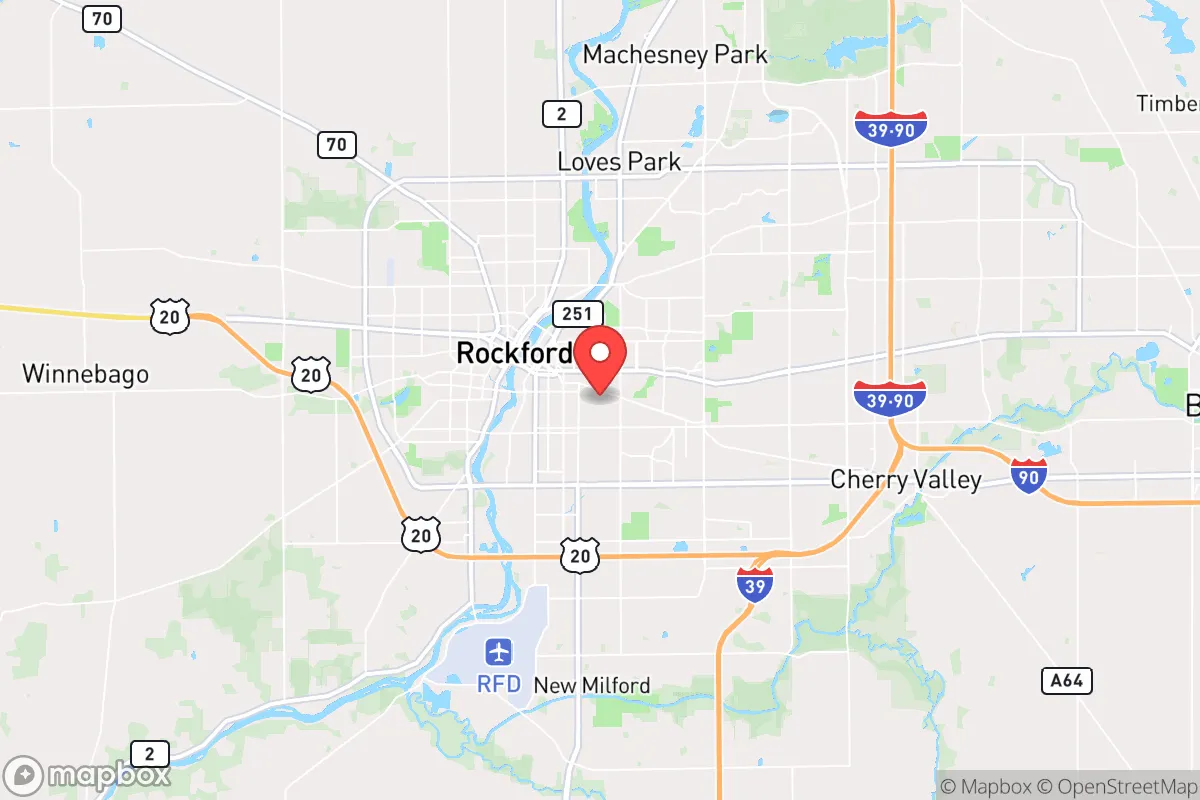
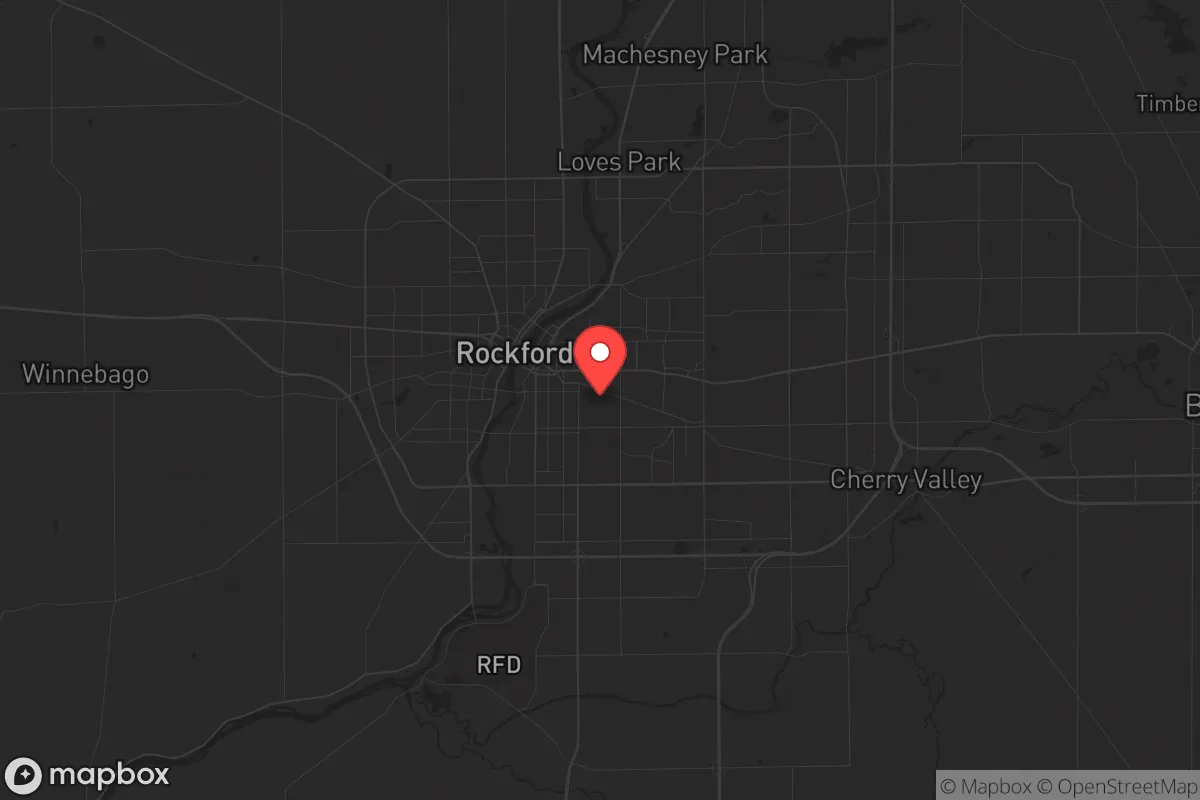
Political ClimatePolitical Climate in Rockford, IL
District shown is the primary district for this city’s centroid. Cities may span multiple districts.
Local Political AnalysisPolitical Analysis of Rockford, IL
Rockford, Illinois, has long been a blue dot in a sea of red, but the political climate here is more complicated than the city’s D+3 Cook PVI suggests. For decades, this was a working-class, union-heavy town where Democrats held sway, but the party’s shift toward progressive social policies has left a lot of long-time residents feeling like the rug’s been pulled out from under them. You’ll still see plenty of “Union Yes” bumper stickers, but you’ll also hear a growing number of folks grumbling about property taxes, crime, and a sense that the city council is more focused on national culture wars than fixing potholes. The trajectory feels like a slow drift leftward, but with a real undercurrent of frustration that could flip things if the right candidate comes along.
How it compares
Drive 20 minutes in almost any direction from Rockford, and you’re in deep-red territory. Winnebago County as a whole voted for Trump in 2020 by a slim margin, while the city itself stayed blue. Head south to Byron or Oregon, and you’ll find conservative strongholds where the Second Amendment is a given and taxes are a fraction of what they are in town. Even nearby Belvidere, just 15 miles east, leans noticeably more conservative, with a strong manufacturing base that still values traditional family structures and limited government. The contrast is stark: Rockford’s city council has pushed for things like sanctuary city policies and equity initiatives, while the surrounding towns are more focused on keeping their schools local and their taxes low. It creates a real “us vs. them” dynamic that’s hard to ignore when you’re paying the bills.
What this means for residents
For the average family in Rockford, the political lean means you’re dealing with a city government that’s increasingly comfortable with expanding its reach. Property taxes here are among the highest in the state, and they’ve been climbing steadily to fund programs that many residents feel are more about social engineering than core services. You’ll see new ordinances on everything from rental inspections to business licensing that feel like the city is trying to manage your life instead of just keeping the streets safe and the water clean. The school board has also gotten more progressive, with debates over curriculum and library books that would have been unthinkable 20 years ago. For a conservative-leaning family, it means you’re constantly watching your back, wondering what new regulation or mandate is coming next. A lot of folks I know are either moving to the outskirts or just keeping their heads down, hoping the pendulum swings back before it’s too late.
One thing that still sets Rockford apart is its stubborn, blue-collar identity. You won’t find the kind of coastal-style progressive activism you see in Chicago or Madison—most people here still value hard work, self-reliance, and minding your own business. The city’s gun culture is alive and well, with a strong hunting and sport shooting tradition that even some Democrats defend. But the long-term trend is concerning: as older, more conservative residents retire or move out, younger transplants from Chicago are bringing big-city voting habits with them. If that pattern holds, Rockford could look a lot more like a mini-Chicago in 10 years—and that’s a future that has a lot of us worried about our freedoms and our wallets.

State Political ClimatePolitical Climate in Illinois
State Political AnalysisPolitical Environment in the State
Illinois is a solidly blue state in federal elections, but its political landscape is far more complicated than a simple partisan label suggests. The Democratic stronghold of Chicago and its inner suburbs reliably deliver huge margins, while the rest of the state has shifted sharply rightward over the past two decades. Over the last 10-20 years, the state has moved from a purple-ish blue to a deep blue at the state level, driven by a powerful Chicago machine and a shrinking rural population that has lost political clout.
Urban vs. rural divide
The political map of Illinois is a tale of two worlds. Chicago and Cook County are the engine of the Democratic vote, routinely delivering 70-80% of the vote for statewide Democrats. The collar counties—DuPage, Lake, Kane, and Will—were once reliably Republican but have trended blue over the last decade, especially in suburban areas like Naperville and Schaumburg. Meanwhile, downstate Illinois is a different country. Counties like Williamson, Effingham, and Macon have become deeply red, with many rural precincts voting 70-80% Republican. The divide is stark: a voter in Chicago's Lincoln Park and a farmer near Carbondale live under the same state government but have almost nothing in common politically. The metro area of Peoria is a rare swing zone, while Rockford and the Quad Cities lean blue but are surrounded by deep red territory.
Policy environment
Illinois’s policy environment is a textbook example of progressive governance with real consequences for residents. The state has the second-highest property tax burden in the nation, with effective rates often exceeding 2% of home value. The state income tax is a flat 4.95%, but there is a push for a progressive income tax that voters rejected in 2020. The regulatory posture is heavy: Illinois has some of the strictest gun laws in the country, including a 2023 ban on many semi-automatic firearms and magazines. Education policy is dominated by the Chicago Teachers Union, which has driven school closures and a shift toward progressive curricula. Healthcare is heavily regulated, with a state-run insurance exchange and Medicaid expansion. Election laws are notably permissive: Illinois offers same-day voter registration, no-excuse mail-in voting, and automatic voter registration at DMVs. The state also has a sanctuary state law, limiting cooperation between local law enforcement and federal immigration authorities.
Trajectory & freedom
Illinois is becoming less free by nearly any measure. The 2023 gun ban (HB 5471) was a major expansion of government power, banning a wide range of firearms that are legal in most other states. The state has also tightened restrictions on parental rights in education, with a 2021 law requiring schools to adopt policies that affirm LGBTQ+ students, which critics argue undermines parental notification. Medical autonomy has been expanded in one direction: Illinois has some of the most liberal abortion laws in the Midwest, with no gestational limits and a requirement that insurance cover the procedure. Property rights are under pressure from high property taxes and a strong eminent domain framework. The state’s pension crisis—unfunded liabilities exceed $140 billion—means taxes are likely to rise further. On the positive side for conservatives, Illinois has no right-to-work law, but it also has no state-level rent control, and property rights for homeowners are generally respected outside of Chicago’s zoning battles.
Civil unrest & political movements
Illinois has been a flashpoint for political movements on both sides. The 2020 George Floyd protests in Chicago were among the largest and most destructive in the country, with widespread looting and property damage. The city’s progressive prosecutor, Kim Foxx, has been a lightning rod for criticism over her handling of crime. On the right, the Illinois Freedom Caucus has emerged as a vocal minority in the state legislature, pushing back on gun control and vaccine mandates. Immigration politics are heated: the sanctuary state law has led to tensions between Chicago and downstate counties that want to cooperate with ICE. There have been calls for secession from downstate counties, with some proposing a new state of "Illinois" separate from Cook County, though this is largely symbolic. Election integrity has been a persistent concern, with Republicans pointing to the state’s lax voter ID laws and the 2020 election where mail-in ballots were sent to all registered voters without a request.
Projection
Over the next 5-10 years, Illinois is likely to become even more blue at the state level, but the geographic divide will deepen. Chicago and its suburbs will continue to grow in population and political power, while downstate counties will see continued population loss. The state’s fiscal crisis will force either massive tax increases or severe cuts to services—neither of which will be popular. The gun ban will likely face legal challenges, but the state’s courts are increasingly liberal. In-migration patterns are not kind to Illinois: the state lost population for the ninth straight year in 2024, with many residents moving to Texas, Florida, and Indiana. Those who stay will face higher taxes and a more progressive policy environment. A new resident moving in now should expect to see continued expansion of government control over personal choices, from firearms to education to healthcare.
For a conservative-leaning individual or family, Illinois presents a challenging environment. The state’s high taxes, heavy regulation, and progressive social policies are a poor fit for those who value personal freedom and limited government. The political trajectory is clear: more of the same, with Chicago’s machine driving the agenda. If you value low taxes, gun rights, and local control, Illinois is likely not the right fit. However, if you are tied to the region for family or work, the suburbs of places like Naperville or the red counties of downstate Illinois offer pockets of relative sanity, though you will still be subject to state-level policies that are increasingly hostile to conservative values.
* Values derived from national, state, county, city and local statistics and may differ in a specific area. Last updated: 2026-04-29T20:35:31.000Z
Narrative content on this page is AI-generated and may contain mistakes. Verify any details that matter before acting on them.
ReloMaps may earn a commission from affiliate links at no extra cost to you.

