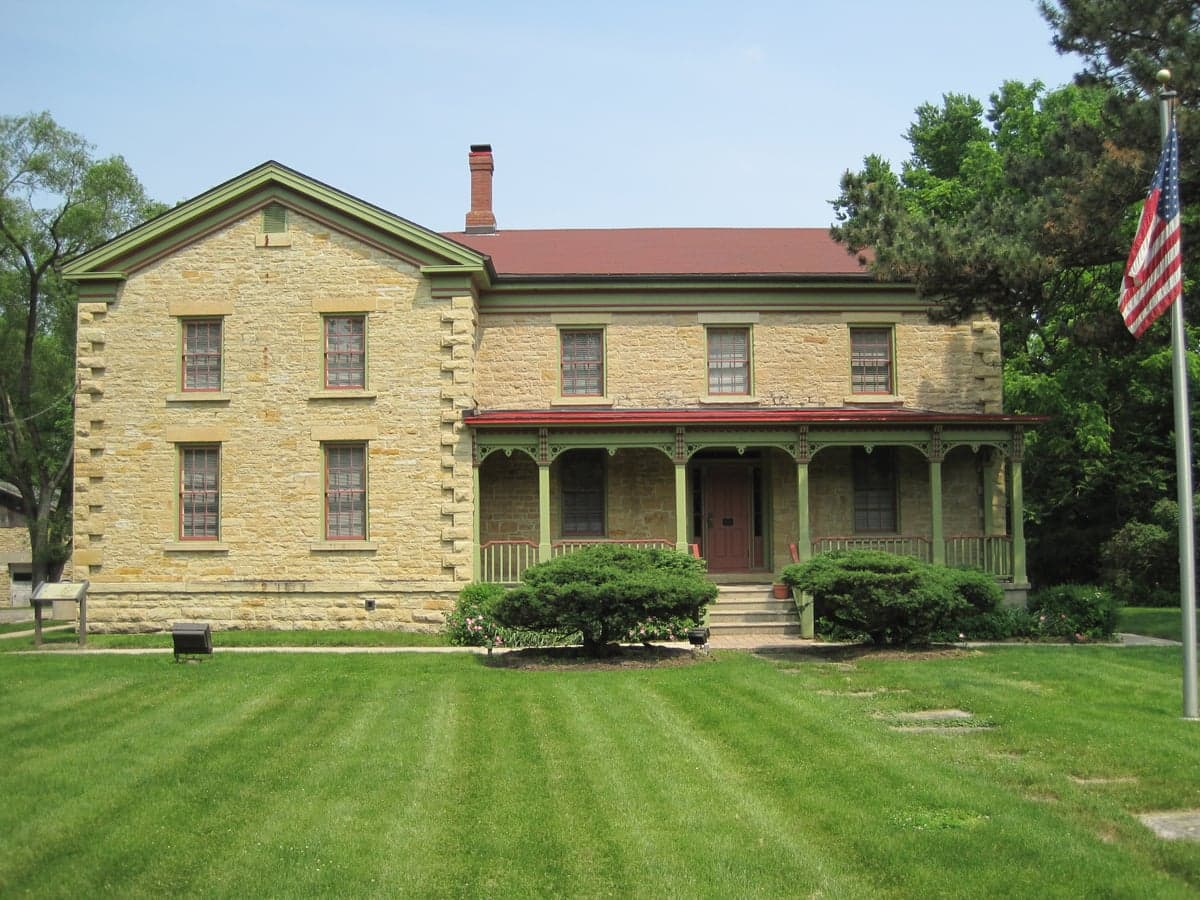
Photo: Wikipedia
Quality of Life in Romeoville, IL
A high quality of life with strong walkability, manageable living costs, healthy neighborhood signals, and solid amenity access.
What does Quality of Life tell us?
Quality of Life blends cost of living, nearby amenities, socioeconomic signals, and neighborhood character. City-level scores represent the whole municipality; individual neighborhoods can differ.
What does this tell us?
Quality of Life blends cost of living, nearby amenities, socioeconomic signals, and neighborhood character. City-level scores represent the whole municipality; individual neighborhoods can differ.
Cost of Living
32% above national average
The Real Cost of Living in Romeoville, IL for 2026
| Tier | Individual | Family (4) |
|---|---|---|
| Survival | $30k | $56k |
| Comfortable | $48k | $70k |
| Luxury | $122k+ | $190k+ |
| Elite (Top 5%) | $144k+ | $223k+ |
143%
The Area Signal
A metric tracking the socioeconomic signals of the area.
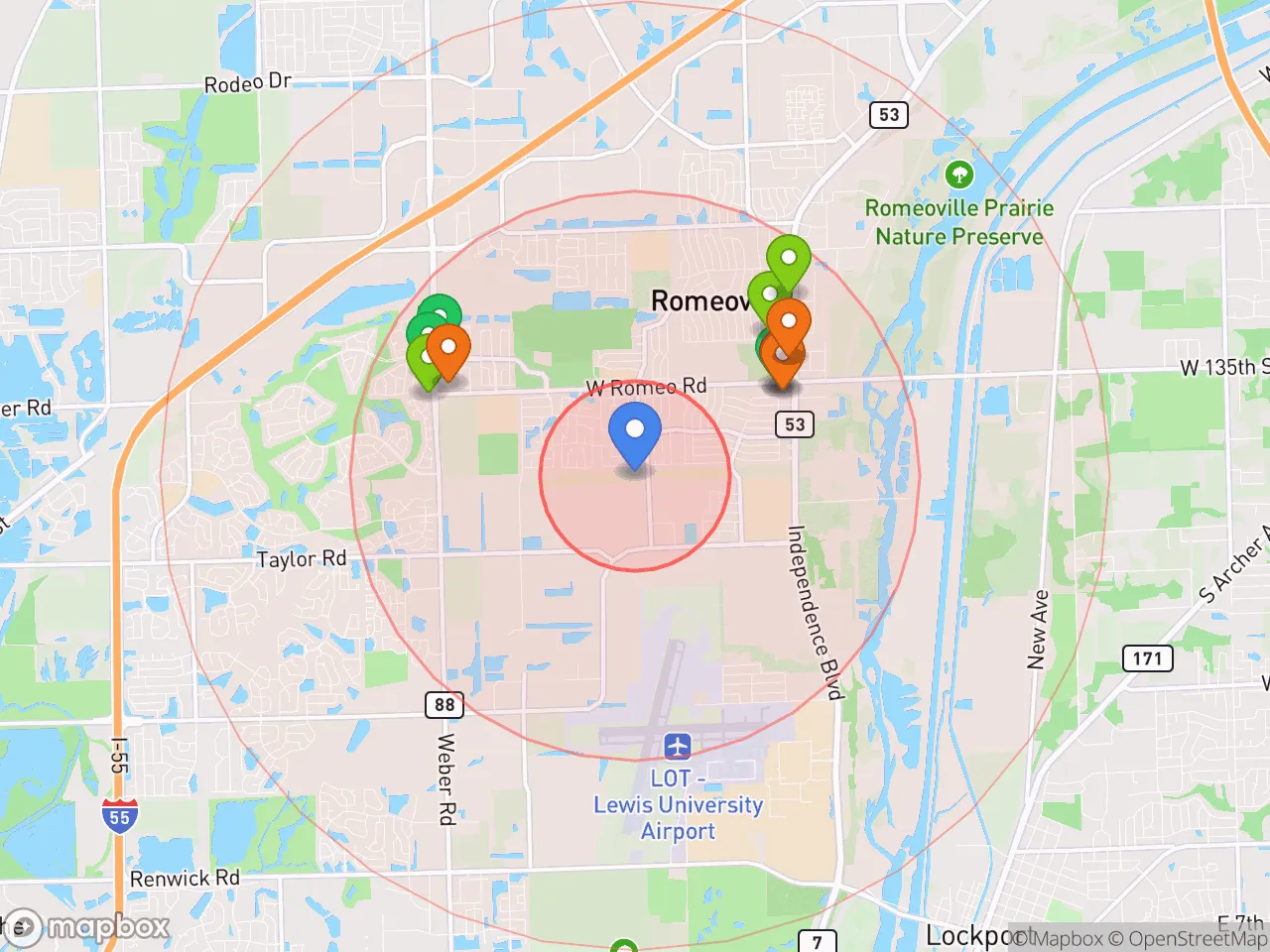
Hobbies
Explore the areaGroceries
7 within 10 miles
Gas
20 within 10 miles
Hospital
20 within 20 miles
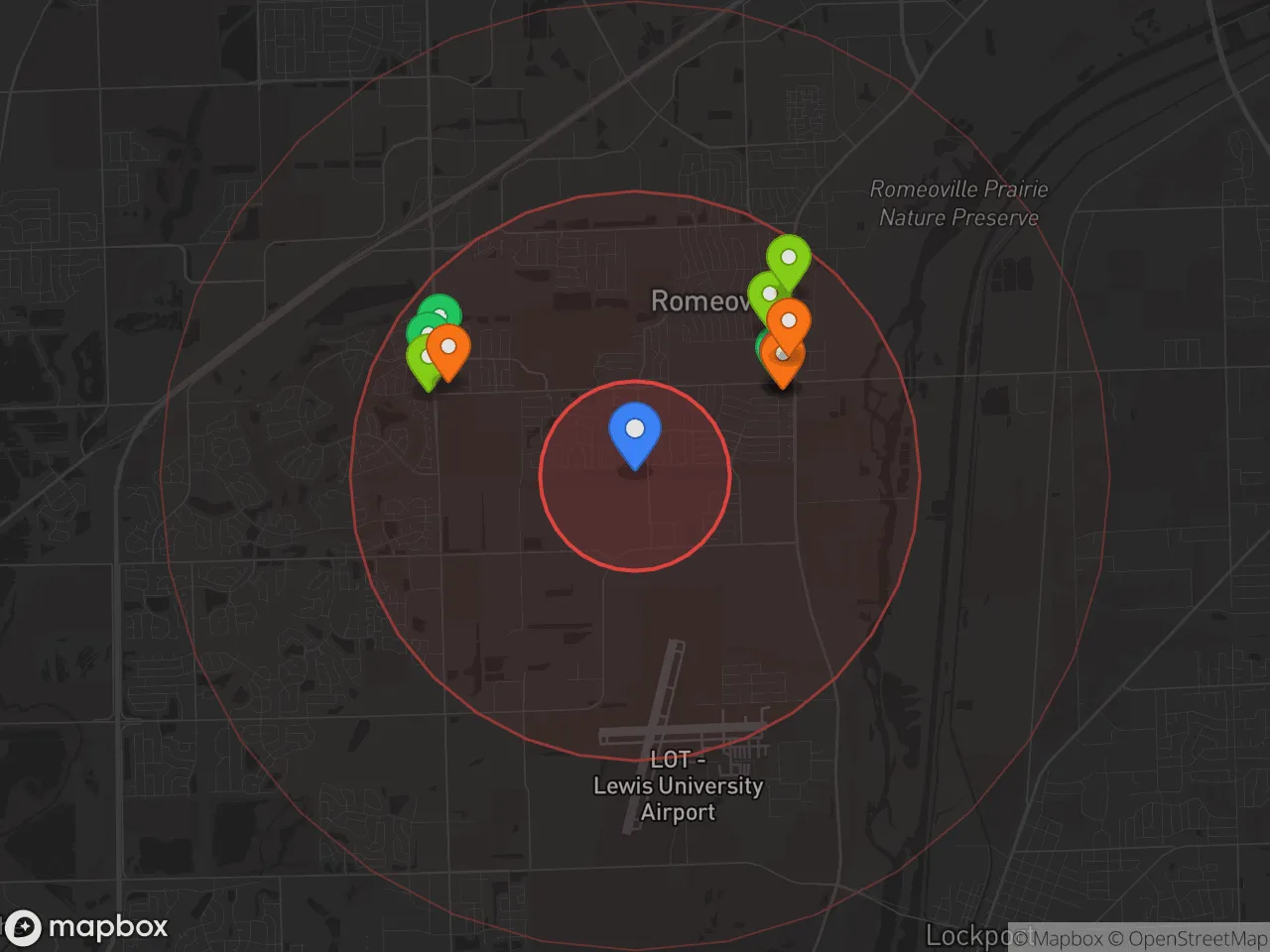
Airport
MDW — Midway International
Post Office
USPS — Romeoville, IL
Critical Amenities
Quality-of-Life Analysis
Romeoville, Illinois, presents a quality of life defined by solidly middle-to-upper-middle-class affluence, with a cost of living index of 132 (32% above the U.S. average) that reflects its position as a desirable suburban alternative to pricier Chicago neighborhoods. The village attracts a mix of established families, long-term homeowners, and professionals who work in the broader Will County and DuPage County corridor, valuing space, good schools, and relative stability over the urban intensity of the city. With a median home value of $245,200 and a median rent of $1,892, Romeoville sits in a competitive sweet spot—more affordable than Naperville or Bolingbrook to the north, but pricier than Joliet or Plainfield to the south.
Cost of living, housing, and affordability compared to nearby suburbs
Romeoville’s cost of living index of 132 is driven primarily by housing and transportation. The median home value of $245,200 is roughly $50,000 below the median in neighboring Bolingbrook and nearly $100,000 less than in Naperville, making Romeoville a practical entry point for buyers seeking a detached single-family home within commuting distance of Chicago. Renters face a median of $1,892 per month, which is competitive for the region—comparable to Lockport but about $200 less than in Downers Grove. The average commute of 31.6 minutes is typical for the southwest suburbs, with many residents driving to jobs in the I-55 and I-355 corridors or taking Metra from nearby Joliet or Lemont stations. Property taxes in Will County are moderate for the Chicago metro area, though they still add a significant monthly cost for homeowners. Overall, Romeoville offers a higher home-for-the-dollar ratio than its immediate northern neighbors, making it a pragmatic choice for families who want suburban space without the premium price tag.
What daily life is like for families: schools, parks, and local amenities
Daily life in Romeoville centers on its well-regarded Valley View School District 365U, which includes Romeoville High School and several elementary and middle schools that consistently meet state performance benchmarks. The village is home to Lewis University, a private Catholic institution that adds a college-town energy and provides cultural events, athletic facilities, and part-time employment for residents. Outdoor recreation is anchored by the Romeoville Recreation Center and the sprawling Isle a la Cache Museum, a 50-acre preserve along the Des Plaines River offering canoeing, hiking, and environmental education. The retail landscape is practical rather than luxurious: strip malls along Weber Road and Route 53 contain grocery stores, chain restaurants, and big-box retailers, while dining leans toward family-friendly chains and local pizzerias. Commuters appreciate the village’s direct access to I-55 and I-355, though traffic on Weber Road can be heavy during peak hours. The overall rhythm is quiet and suburban—weekends are filled with youth sports, library programs, and trips to the nearby White Oak Library District branch.
Romeoville is best suited for families and long-term homeowners who prioritize affordable suburban space, good public schools, and a stable community over nightlife or urban walkability. Singles and young professionals may find the social scene limited, but those seeking a safe, well-maintained village with room to grow—and a commute that stays under 35 minutes—will find Romeoville a solid, no-surprises choice in the southwest suburbs.

Crime in Romeoville, IL
Lower crime rates than 86% of comparable U.S. locations.
Violent CrimeViolent Crime Analysis
Property CrimeProperty Crime Analysis
Crime Analysis
Romeoville, Illinois, presents a notably safer profile than many communities in the Chicago metropolitan area, with violent crime rates significantly below both state and national averages. The village recorded a violent crime rate of 111.5 incidents per 100,000 residents and a property crime rate of 826.2 per 100,000 in the most recent reporting period. However, as a suburb within a large, progressive-leaning metro area, Romeoville is not immune to the broader criminal justice trends that can undermine public safety.
Crime in context
Romeoville’s violent crime rate is roughly 70% lower than the national average and well below the Illinois state average, placing it among the safer suburbs in Will County. Property crime, while higher than violent crime, still sits below the national benchmark. These figures reflect a community where serious offenses like homicide and aggravated assault are rare events. However, the surrounding region—including Will and Cook counties—operates under district attorneys and judges who have adopted progressive prosecution policies, such as cash bail reform and reduced sentencing for nonviolent offenses. These policies, while intended to reduce incarceration, have been linked to increased recidivism and a perception that consequences for crime are diminished, which can embolden offenders and erode public confidence in the justice system.
What residents experience
For daily life in Romeoville, the low violent crime rate means most residents feel safe walking their neighborhoods and using local parks. The most common property crimes are theft from vehicles and package theft, particularly near apartment complexes and retail corridors like Weber Road. Residents should remain vigilant about locking cars and securing deliveries. The progressive judicial environment in the broader metro area means that even when arrests are made, offenders may face lighter sentences or be released quickly, increasing the likelihood of repeat offenses. This dynamic creates a gap between the village’s low crime statistics and the potential for crime to rise if regional policies continue to prioritize offender rehabilitation over public protection.
Neighborhood-level variation exists, with areas closer to Interstate 55 and the Bolingbrook border experiencing slightly higher property crime rates than the more residential, single-family-home sections near the village’s southern edge. The downtown core and newer subdivisions near the Louis Joliet Mall generally report the fewest incidents. While Romeoville itself maintains a strong police presence and community-oriented policing, residents should recognize that the safety of any suburb is influenced by the policies of the larger county and state systems. The progressive approach to criminal justice in Illinois, including the Pretrial Fairness Act, means that the region’s overall safety outlook warrants cautious attention from prospective residents.
* Values derived from national, state, county, city and local statistics and may differ in a specific area. Last updated: 2026-04-30T02:37:14.000Z
Narrative content on this page is AI-generated and may contain mistakes. Verify any details that matter before acting on them.
ReloMaps may earn a commission from affiliate links at no extra cost to you.

