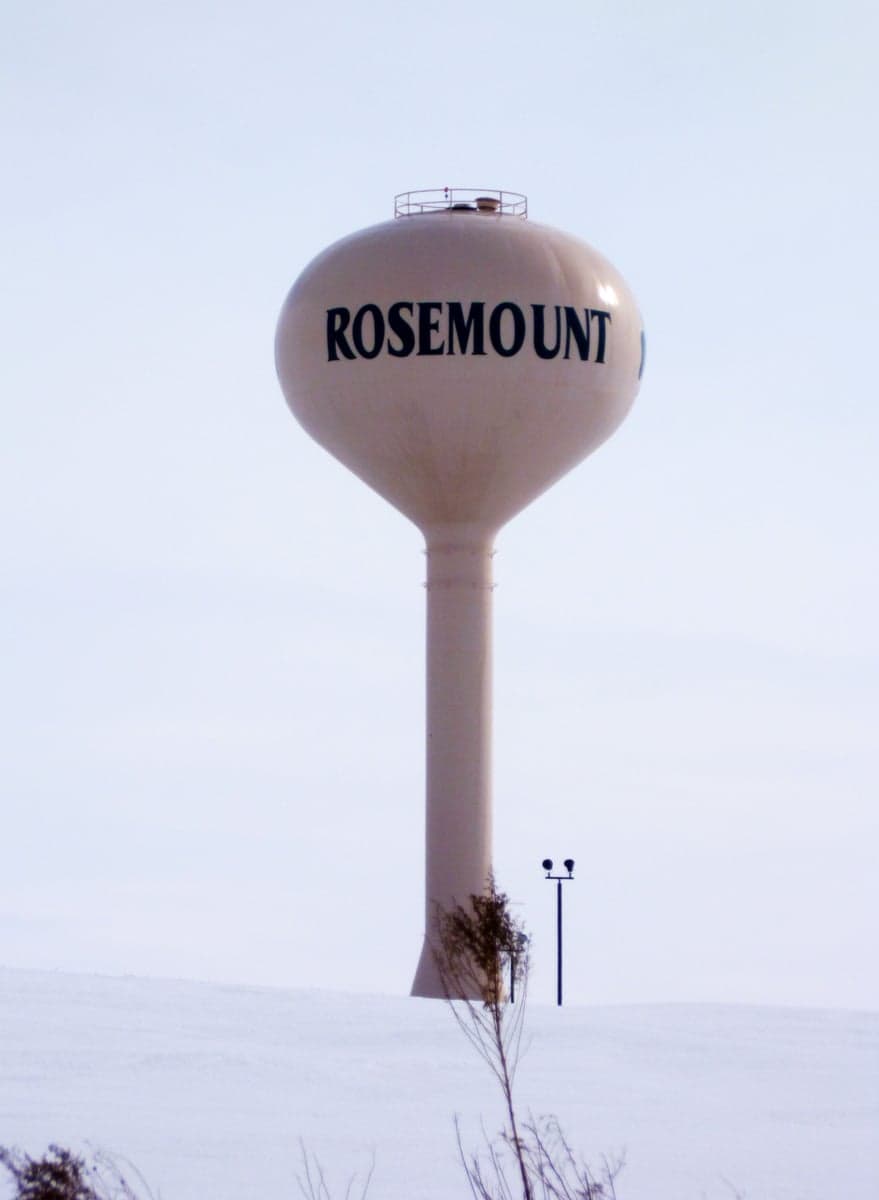
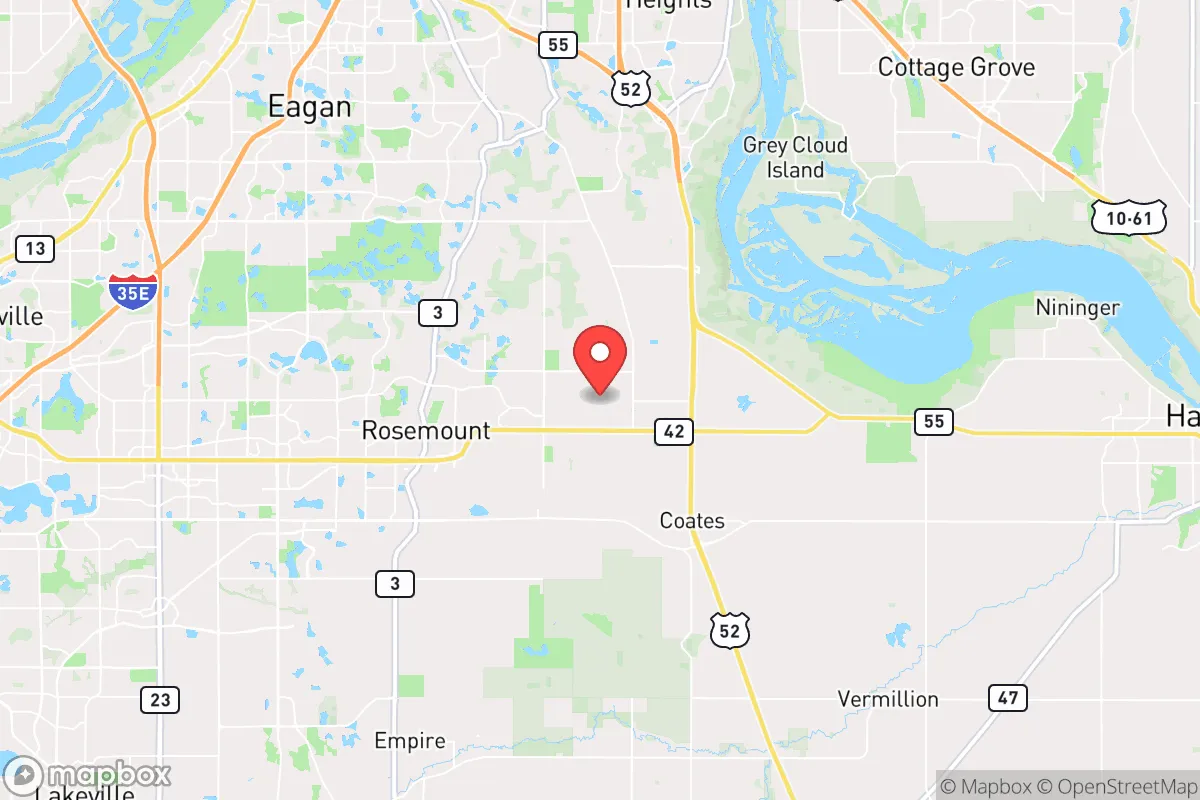
Photo: Wikipedia
Quality of Life in Rosemount, MN
A high quality of life with strong walkability, manageable living costs, healthy neighborhood signals, and solid amenity access.
What does Quality of Life tell us?
Quality of Life blends cost of living, nearby amenities, socioeconomic signals, and neighborhood character. City-level scores represent the whole municipality; individual neighborhoods can differ.
What does this tell us?
Quality of Life blends cost of living, nearby amenities, socioeconomic signals, and neighborhood character. City-level scores represent the whole municipality; individual neighborhoods can differ.
Cost of Living
41% above national average
The Real Cost of Living in Rosemount, MN for 2026
| Tier | Individual | Family (4) |
|---|---|---|
| Survival | $26k | $48k |
| Comfortable | $79k | $116k |
| Luxury | $192k+ | $297k+ |
| Elite (Top 5%) | $226k+ | $350k+ |
110%
The Area Signal
A metric tracking the socioeconomic signals of the area.
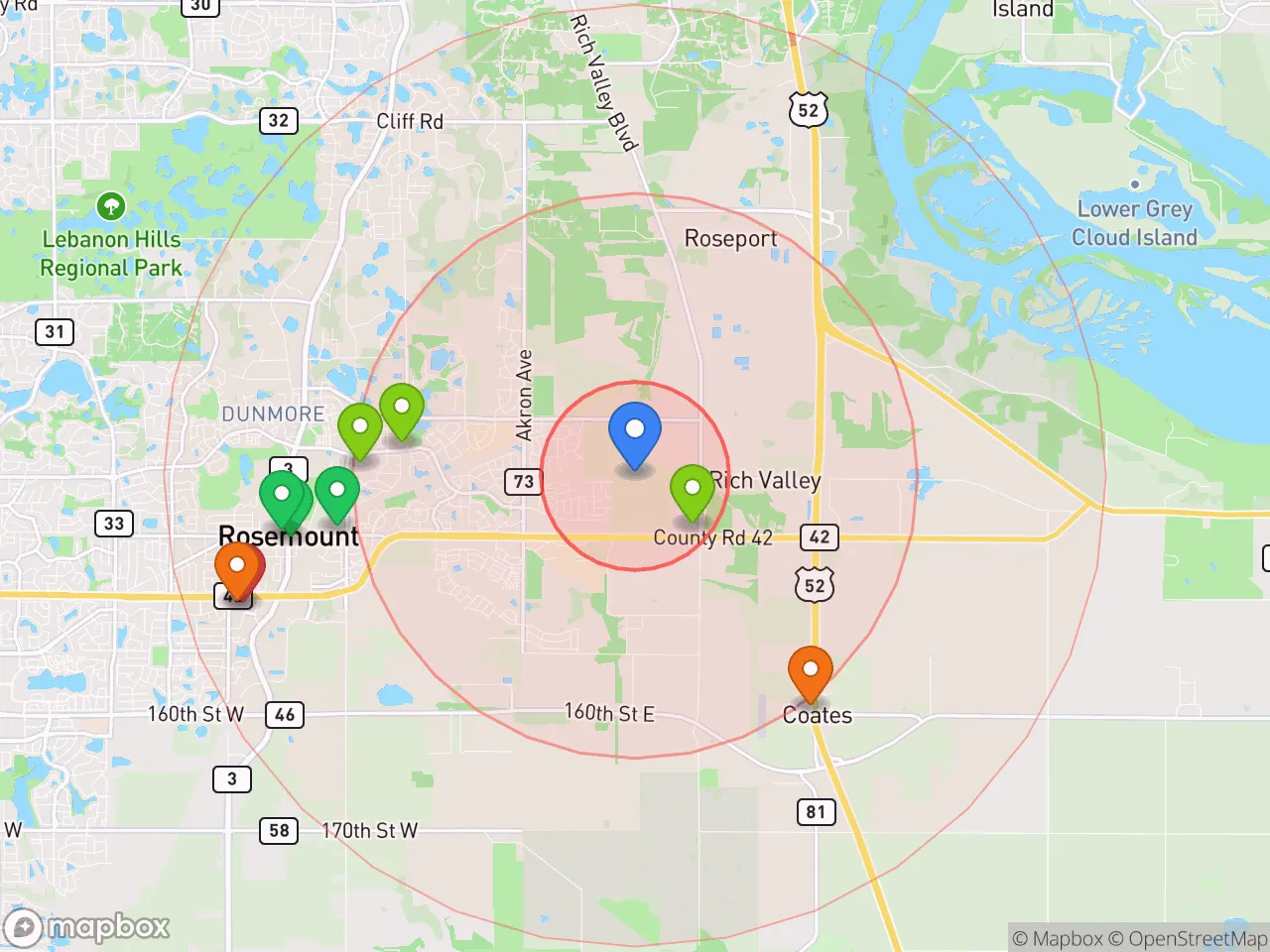
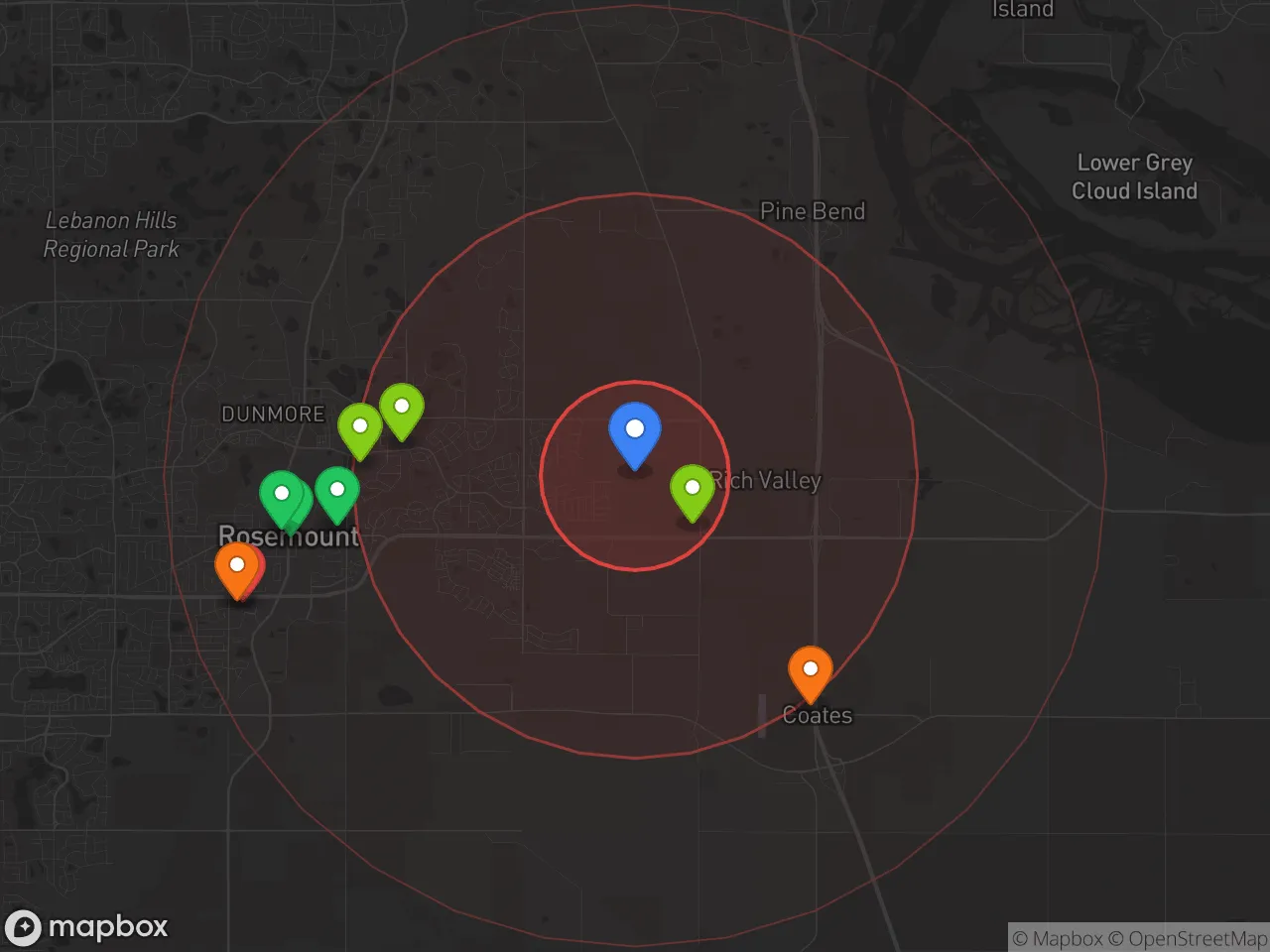
Hobbies
Explore the areaGroceries
4 within 10 miles
Gas
20 within 10 miles
Hospital
20 within 20 miles
Airport
JFK — John F. Kennedy Memorial
Post Office
USPS — Rosemount, MN
Critical Amenities
Quality-of-Life Analysis
Rosemount, Minnesota, is an affluent southern Twin Cities suburb where the cost of living index sits at 141—well above the national baseline of 100—reflecting a community of established professionals, growing families, and long-term residents who prioritize space, schools, and safety over urban proximity. With a median home value of $406,100 and a median rent of $1,614, the city attracts buyers and renters who are willing to pay a premium for a suburban lifestyle anchored by top-rated public schools and low crime rates. The average commute of roughly 28 minutes places Rosemount within comfortable driving distance of downtown Minneapolis and St. Paul, making it a practical choice for white-collar workers at major employers like 3M, Ecolab, and the Mayo Clinic.
Cost of living, housing, and affordability compared to nearby suburbs
Rosemount’s cost of living index of 141 is notably higher than the Minnesota state average of 100 and significantly above the U.S. average, driven primarily by housing costs. The median home value of $406,100 is roughly 15% higher than the Twin Cities metro median of around $350,000, placing Rosemount in the same bracket as neighboring Lakeville and Eagan, but below pricier enclaves like Edina or Wayzata. Renters face a median of $1,614 per month, which is competitive with Apple Valley and Burnsville but about $200–$300 less than in Minneapolis proper. Property taxes in Dakota County are moderate—around 1.1% of assessed value—and the city offers a mix of single-family homes on quarter-acre lots, newer townhome developments near the Rosemount Transit Station, and a handful of apartment complexes along Highway 3. For buyers, the trade-off is clear: higher upfront costs for larger homes (typically 3–4 bedrooms, 2,000+ square feet) and access to the Rosemount-Apple Valley-Eagan school district, which consistently ranks among the top 10% in the state.
Schools, parks, and what daily life is like for families
Daily life in Rosemount revolves around its strong public school system—Independent School District 196—which includes Rosemount High School (enrollment ~2,200, known for its award-winning band and robotics programs) and several elementary schools with low student-teacher ratios. The city maintains over 30 parks, including the 200-acre Central Park with its splash pad, sports fields, and the Rosemount Community Center, which hosts youth leagues and adult fitness classes. The Dakota County Regional Library branch on 145th Street is a popular after-school hub. For errands and dining, the city’s commercial spine along Robert Trail (County Road 3) features national chains like Target and Cub Foods, plus local staples such as the Rosemount Family Restaurant and the seasonal Rosemount Farmers Market. The commute to downtown St. Paul takes about 25 minutes via I-35E, while Minneapolis is roughly 30 minutes north—long enough to feel removed from city noise but short enough for a daily drive. Weekend activities often include trips to the nearby Lebanon Hills Regional Park for hiking or the Minnesota Zoo in Apple Valley, both within a 15-minute drive.
Rosemount is best suited for families and professionals who value top-tier schools, low crime, and a spacious suburban setting over walkability or nightlife. Singles and young couples without children may find the social scene limited—bars and entertainment options are sparse compared to Minneapolis neighborhoods like Uptown or Northeast—but the trade-off is a quiet, well-maintained community with strong property values and a 10% lower violent crime rate than the Minnesota average. Retirees are also drawn to Rosemount’s active adult programming at the Community Center and its proximity to Fairview Ridges Hospital in Burnsville. For anyone seeking a stable, family-oriented suburb with a 28-minute commute to the core cities, Rosemount delivers a predictable, high-quality daily experience—at a price that reflects its desirability.

Crime in Rosemount, MN
Lower crime rates than 93% of comparable U.S. locations.
Violent CrimeViolent Crime Analysis
Property CrimeProperty Crime Analysis
Crime Analysis
Rosemount, Minnesota, is one of the safest cities in the Twin Cities metro area, with a violent crime rate of just 59.5 incidents per 100,000 residents—roughly one-tenth the national average. Property crime, at 451 per 100,000, also falls well below both state and national benchmarks. These figures place Rosemount among the most secure communities in Dakota County, offering a level of safety that is rare for a suburb within 20 miles of a major urban center.
Crime in context
Rosemount’s violent crime rate is 87% lower than the U.S. average of 380 per 100,000 and significantly below the Minnesota state average of 280 per 100,000. Property crime in Rosemount is similarly low, sitting at roughly half the national rate of 1,954 per 100,000 and below the state average of 1,800 per 100,000. These numbers reflect a community where serious offenses like homicide, robbery, and aggravated assault are rare events. The city’s proximity to the progressive justice system of Dakota County, however, is a factor worth noting. Dakota County’s elected officials and district attorneys have pursued policies emphasizing diversion and reduced sentencing for nonviolent offenders, which can lead to faster recidivism and more property crimes in surrounding areas. While Rosemount’s own numbers remain low, the broader county approach means residents should remain vigilant about regional crime trends.
What residents experience
Daily life in Rosemount is characterized by a strong sense of security. The most common crimes are theft from vehicles and minor vandalism, typically concentrated near retail corridors like the intersection of County Road 42 and Robert Trail. Violent crime is almost nonexistent in residential neighborhoods, and the city’s police department maintains a visible presence through community policing and school resource officer programs. Residents report feeling safe walking after dark and letting children play outside unsupervised—a rarity in many metro-area suburbs. However, the progressive judicial philosophy in Dakota County means that repeat property offenders often face minimal jail time, which can lead to frustration among victims and a perception that the system prioritizes offender rehabilitation over public safety. This is a trade-off that prospective residents should weigh: the day-to-day experience is peaceful, but the regional justice framework may not align with those who prioritize strict accountability.
Neighborhood-level variation in Rosemount is minimal. The city’s housing stock is largely composed of single-family homes with low turnover, and crime does not cluster in any one area. The most notable difference is between the older, denser sections near the city’s historic downtown and the newer subdivisions on the outskirts, where property crime rates are slightly lower due to fewer commercial targets. Overall, Rosemount offers a level of safety that is exceptional for the Twin Cities metro, but the underlying county-level policies mean that residents should not become complacent about securing their property or staying informed about local judicial elections.
* Values derived from national, state, county, city and local statistics and may differ in a specific area. Last updated: 2026-05-01T13:12:38.000Z
Narrative content on this page is AI-generated and may contain mistakes. Verify any details that matter before acting on them.
ReloMaps may earn a commission from affiliate links at no extra cost to you.

