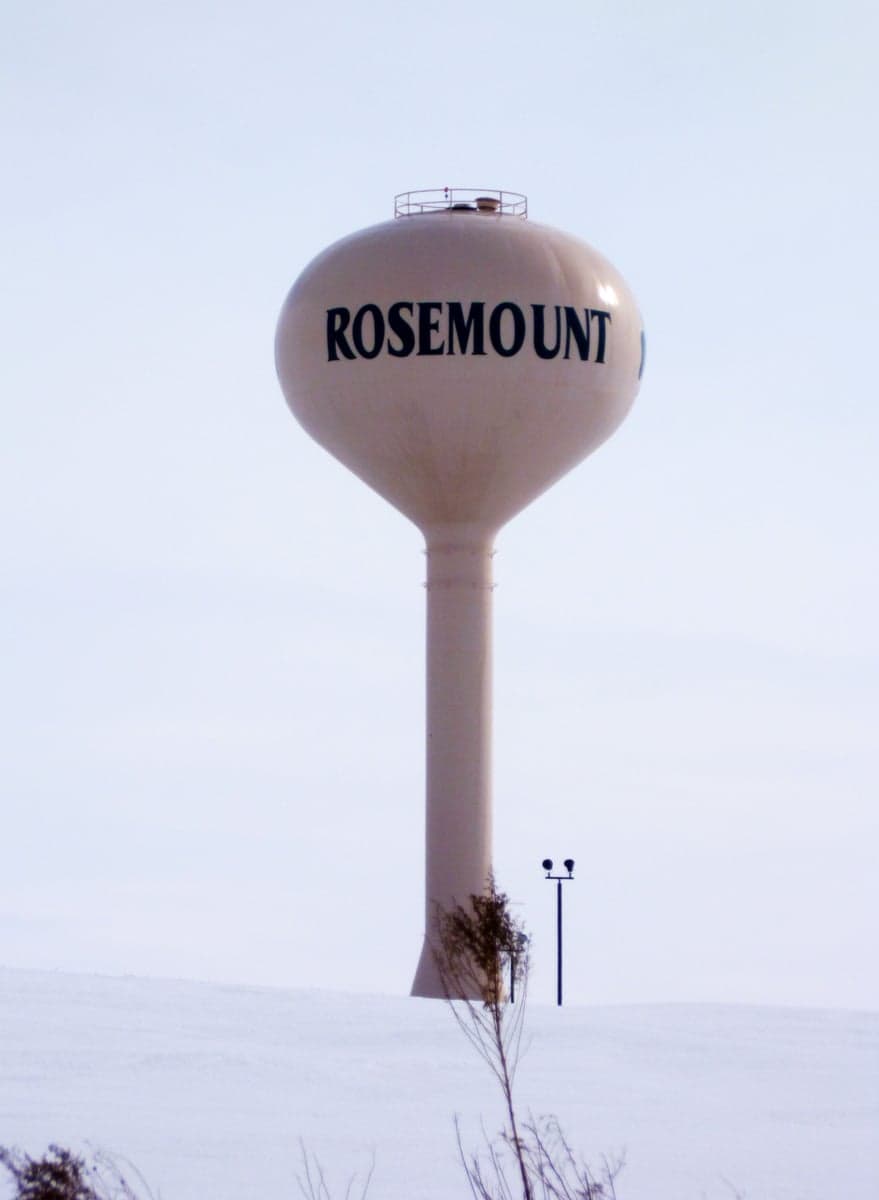
Photo: Wikipedia
Political ClimatePolitical Climate in Rosemount, MN
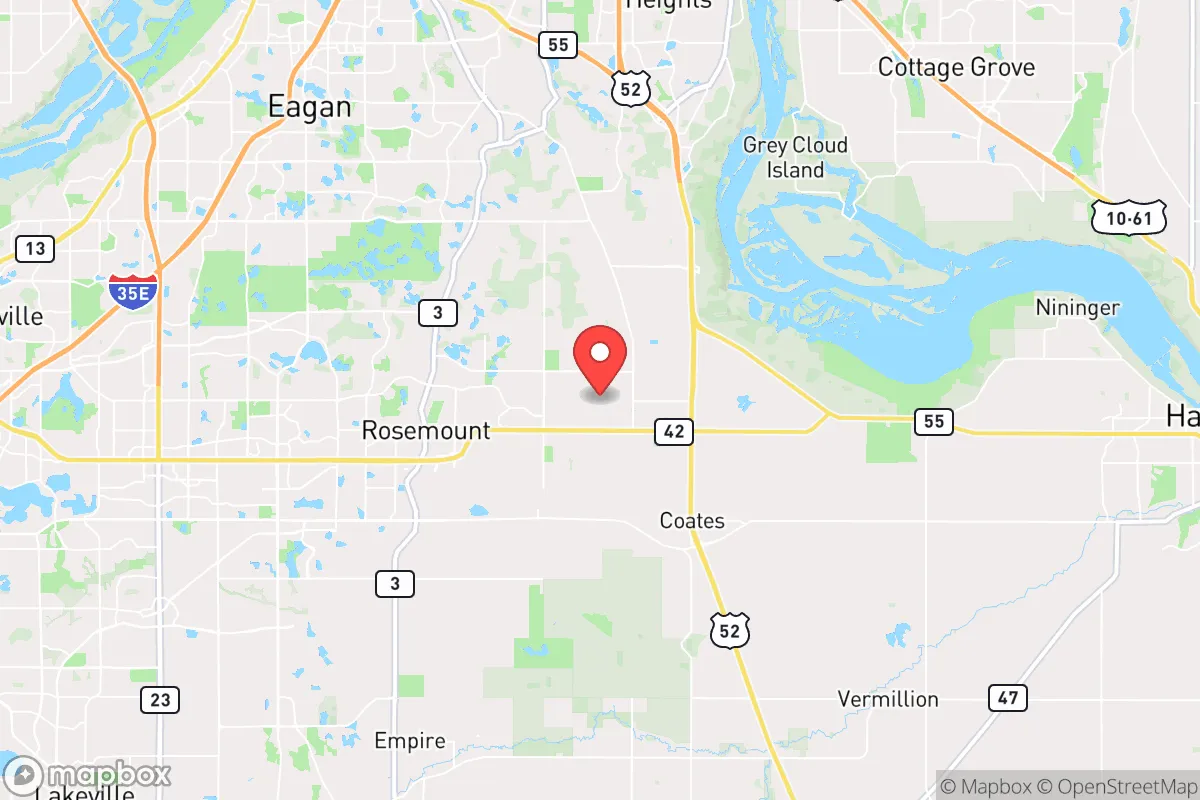
District shown is the primary district for this city’s centroid. Cities may span multiple districts.
Local Political AnalysisPolitical Analysis of Rosemount, MN
Rosemount, Minnesota, has always been a solid, common-sense community, but like a lot of the southern metro, it’s been slowly shifting away from its conservative roots. For decades, this was a reliably red town in Dakota County, but the last few election cycles have shown a real tightening. You can see it in the precinct-level results—while the city still leans right-of-center, the margins have shrunk, and some of the newer developments are bringing in folks with a more progressive mindset. It’s not a sudden flip, but it’s a definite trend that has a lot of us longtime residents watching closely.
How it compares
To really get the picture, you have to look at the neighbors. Head east a few miles to Hastings, and you’re in a place that’s held the line much better—still a reliably conservative stronghold. Go west to Lakeville, and you’ll find a similar story to Rosemount: a historically red suburb that’s getting purple fast, especially in the newer neighborhoods near the high school. The real contrast is north, into the core of the metro. Places like Eagan and Apple Valley have already gone solidly blue, and you can feel the difference in everything from local ordinances to school board decisions. Rosemount is kind of the last stand for a certain way of thinking in this part of the county, but the pressure is definitely on.
What this means for residents
For those of us who value personal freedoms and want the government to stay out of our lives, the shift is concerning. It’s not about any single issue, but a general drift toward more regulation and a “we know best” attitude from the local government. You see it in things like the push for more restrictive land-use rules that make it harder to run a small business out of your home, or the school board’s increasing focus on social-emotional learning over core academics. The tax burden is another red flag—as the city tries to fund more programs and services that a growing progressive bloc demands, the levy keeps creeping up. It’s a classic case of the tail wagging the dog, where a vocal minority starts dictating policy for the rest of us who just want to be left alone to live our lives.
One of the biggest cultural distinctions here is the tension between the old farming families and the new commuter crowd. The folks who’ve been here for generations tend to be fiercely independent and skeptical of any new government program. The newer residents, many of whom work in Minneapolis or St. Paul, often bring a more urban, collectivist mindset. You can see this clash play out at city council meetings, where debates over things like a new park or a housing development can get surprisingly heated. The long-term trajectory is uncertain, but if the current trend holds, Rosemount will likely continue to inch leftward, making it harder for those of us who believe in limited government and individual responsibility to feel like our voices are still being heard. It’s a slow erosion, but it’s real, and it’s worth keeping an eye on.

State Political ClimatePolitical Climate in Minnesota
State Political AnalysisPolitical Environment in the State
Minnesota has shifted from a classic purple battleground to a solidly blue state over the past 15 years, driven largely by the explosive growth of the Twin Cities metro area. While the state hasn’t voted Republican for president since 1972, the real story is the accelerating leftward lurch in state government since 2018, when Democrats (the DFL) secured a trifecta and began passing a wish list of progressive policies. For a conservative considering a move here, the state’s political trajectory is a tale of two Minnesotas: a vibrant, increasingly libertarian-leaning rural and exurban corridor, and a dense, heavily regulated urban core that dictates state law.
Urban vs. rural divide
The political map is stark. The 7-county Twin Cities metro (Hennepin, Ramsey, Dakota, Washington, Anoka, Carver, Scott) generates about 55% of the state’s vote, and it’s overwhelmingly blue. Minneapolis and St. Paul are deep-blue strongholds, but even the inner-ring suburbs like Bloomington and Roseville have moved left. The real shift is in the outer-ring suburbs: Lakeville and Prior Lake in Dakota and Scott counties used to be reliably red, but they’ve trended purple as young professionals and remote workers move in. Meanwhile, greater Minnesota is a sea of red. The Iron Range (Hibbing, Virginia) was historically DFL but has flipped hard to the GOP over trade and mining policy. The agricultural south (Rochester, Mankato) is mixed—Rochester is a blue dot in a red region due to Mayo Clinic’s workforce. The northwest (Moorhead, Bemidji) is reliably red. The divide isn’t just urban vs. rural—it’s the metro core vs. everything else, with the exurbs acting as a buffer zone that’s slowly eroding.
Policy environment
Since the DFL trifecta in 2023, the policy environment has become aggressively progressive. Taxes are a major concern: Minnesota has a progressive income tax with a top rate of 9.85% on income over $200,000 (single), plus a new 1% surcharge on income over $1 million. Property taxes are high, especially in the metro, and the state just enacted a new paid family and medical leave program funded by a 0.7% payroll tax split between employer and employee. Education is a mixed bag: the state spends heavily per pupil, but school choice is limited—no universal voucher program, though charter schools exist. The 2023 education bill eliminated the requirement for school districts to notify parents of curriculum changes (the "Parents Bill of Rights" was defeated). Healthcare is heavily regulated; Minnesota expanded Medicaid under Obamacare and has a state-run insurance exchange. Election laws are a flashpoint: the 2023 law restored voting rights for felons upon release from prison, and automatic voter registration is now in effect. No voter ID requirement exists, which concerns many conservatives. Gun rights took a hit: the 2023 public safety bill enacted universal background checks on private transfers and a "red flag" law allowing courts to temporarily seize firearms. The state also banned "ghost guns" and raised the purchase age for semi-automatic rifles to 21.
Trajectory & freedom
On the freedom index, Minnesota is moving in the wrong direction for conservatives. The 2023 legislative session was a blitz: the DFL passed nearly every item on the progressive wish list. Parental rights took a direct hit—the "Parents Bill of Rights" (which would have required schools to notify parents of curriculum changes and allow opt-outs for sex ed) was killed. Medical autonomy expanded in the opposite direction: the state codified abortion rights into law (the Protect Reproductive Options Act) and removed nearly all restrictions, including parental notification for minors. Property rights are under pressure: the 2023 law eliminated the "right to farm" protections for agricultural operations, making it easier for nuisance lawsuits against farms. Energy freedom is constrained: the state mandated 100% carbon-free electricity by 2040, which will likely drive up energy costs. On the positive side for conservatives, school choice saw a small win: the state expanded charter school funding and created a tax credit for educational expenses, but it’s not a voucher program. The Second Amendment is clearly under siege—the red flag law and universal background checks are in effect, and there’s talk of an "assault weapons" ban in the next session. The trajectory is clear: the metro’s political power is consolidating, and rural voices are being drowned out.
Civil unrest & political movements
Minnesota has been a national flashpoint. The 2020 George Floyd protests in Minneapolis triggered the largest civil unrest in the state since the 1960s, with over $500 million in property damage and the burning of the Third Precinct police station. The aftermath saw a surge in progressive activism: the "defund the police" movement gained traction, leading to a failed ballot measure to replace the Minneapolis police department. Immigration politics are contentious: Minnesota is a "sanctuary state" in practice—the 2023 law prohibits state and local law enforcement from cooperating with federal immigration enforcement in most cases. The election integrity debate is active: the 2020 election saw a narrow Biden win (by 7 points), but the state’s same-day voter registration and no voter ID law remain targets for GOP criticism. Secession rhetoric is mostly a rural phenomenon—the "Greater Minnesota" secession movement is fringe but vocal, with some counties passing symbolic resolutions to explore leaving the state. Political movements on the right are organized but outmatched: the Minnesota GOP is fractured between moderates and Trump-aligned populists, while the DFL is unified and well-funded. The Iron Range is a key battleground—miners and union workers have flipped to the GOP over environmental regulations, but the DFL still holds sway in Duluth and the tribal areas.
Projection
Over the next 5-10 years, the state will likely become more blue, not less. The Twin Cities metro is growing faster than the rest of the state, and in-migration from blue states (California, Illinois) is accelerating. The 2020 census gave Minnesota one fewer congressional seat, but the metro’s share of the population is still rising. The DFL trifecta is likely to hold for at least another cycle—Governor Tim Walz is term-limited in 2026, but the DFL bench is deep. Expect more progressive policies: a potential "assault weapons" ban, a state-level public option for healthcare, and a carbon tax. The rural-urban divide will widen, and the state’s political culture will become more like Illinois or New York—high taxes, heavy regulation, and a strong social safety net. For a conservative moving in now, the best bet is to settle in the exurbs or rural areas where local government is still red, but state-level policy will be a constant headwind. The St. Cloud area and Rochester are worth watching—they’re growing but still politically mixed.
Bottom line for a new resident: If you’re a conservative, Minnesota is a beautiful state with great outdoor recreation and a strong economy, but you’ll be swimming against the political current. Your vote will matter more in local races than statewide, and your tax bill will be high. The state is not hostile to conservatives in daily life—most people are friendly and pragmatic—but the policy environment is increasingly hostile to gun rights, parental authority, and fiscal conservatism. If you can afford the taxes and tolerate the regulations, the quality of life is high. Just don’t expect the political winds to change anytime soon.
* Values derived from national, state, county, city and local statistics and may differ in a specific area. Last updated: 2026-05-01T13:12:38.000Z
Narrative content on this page is AI-generated and may contain mistakes. Verify any details that matter before acting on them.
ReloMaps may earn a commission from affiliate links at no extra cost to you.

