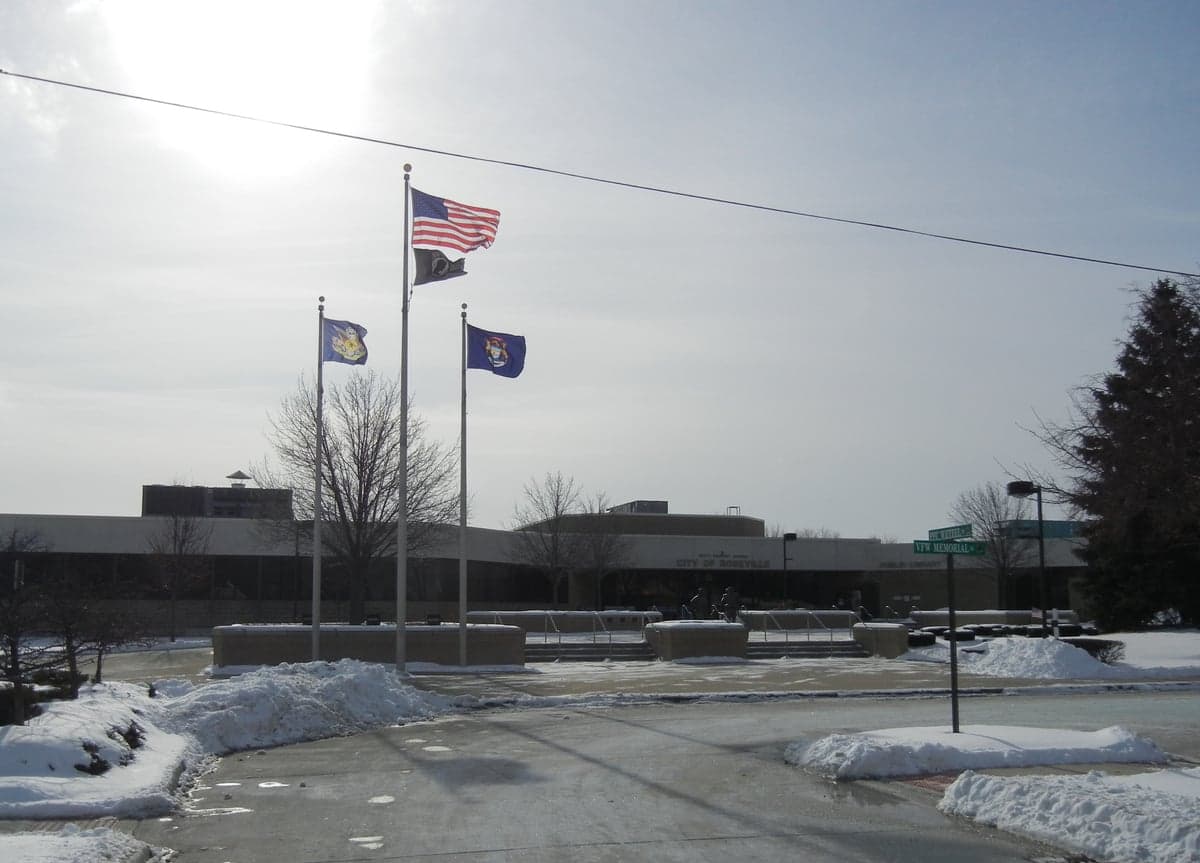
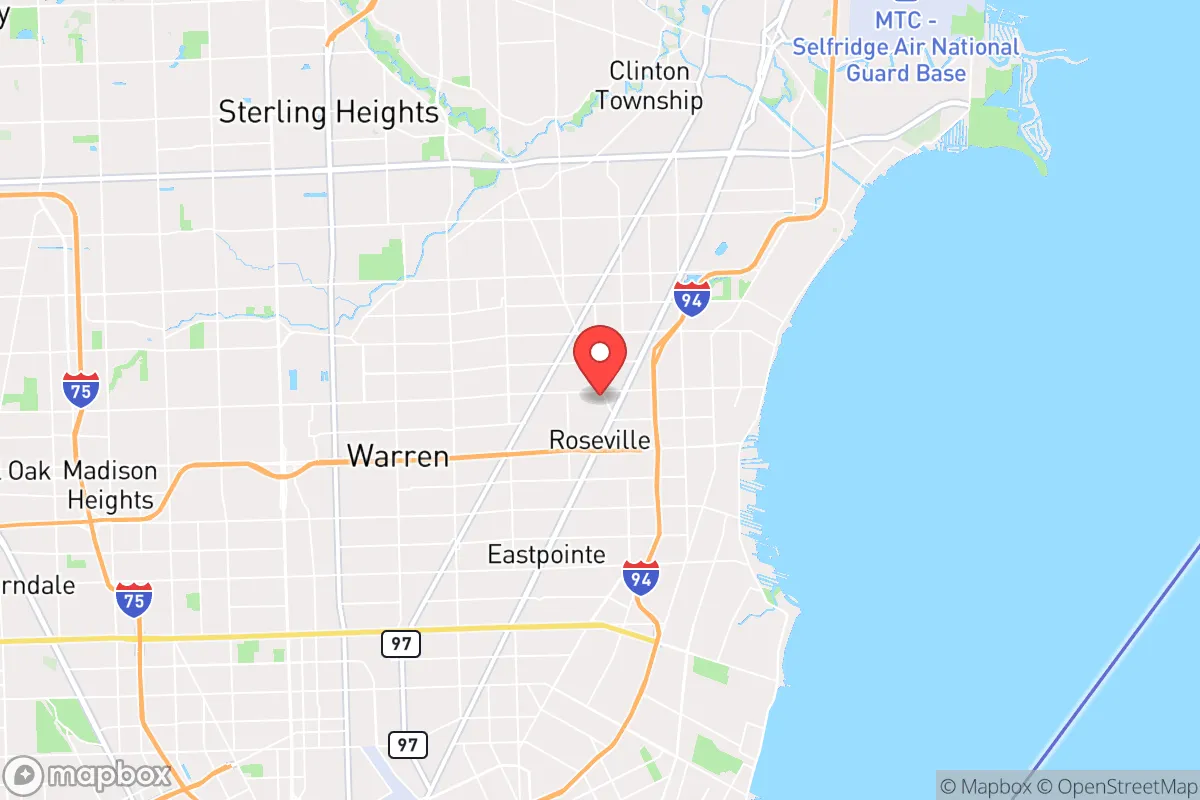
Photo: Wikipedia
Quality of Life in Roseville, MI
A high quality of life with strong walkability, manageable living costs, healthy neighborhood signals, and solid amenity access.
What does Quality of Life tell us?
Quality of Life blends cost of living, nearby amenities, socioeconomic signals, and neighborhood character. City-level scores represent the whole municipality; individual neighborhoods can differ.
What does this tell us?
Quality of Life blends cost of living, nearby amenities, socioeconomic signals, and neighborhood character. City-level scores represent the whole municipality; individual neighborhoods can differ.
Cost of Living
19% below national average
The Real Cost of Living in Roseville, MI for 2026
| Tier | Individual | Family (4) |
|---|---|---|
| Survival | $19k | $35k |
| Comfortable | $30k | $44k |
| Luxury | $92k+ | $143k+ |
| Elite (Top 5%) | $108k+ | $168k+ |
140%
The Area Signal
A metric tracking the socioeconomic signals of the area.
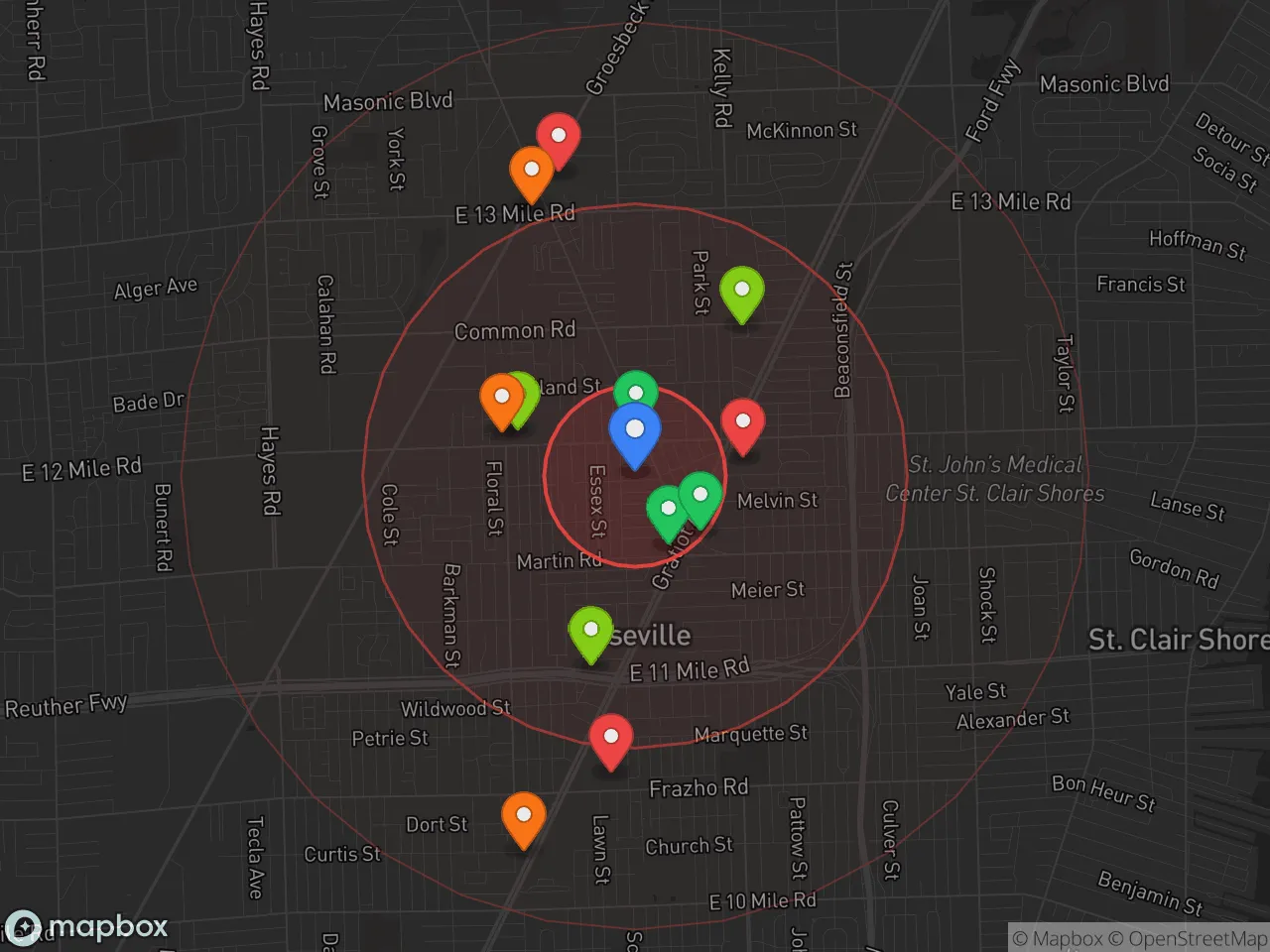
Hobbies
Explore the areaGroceries
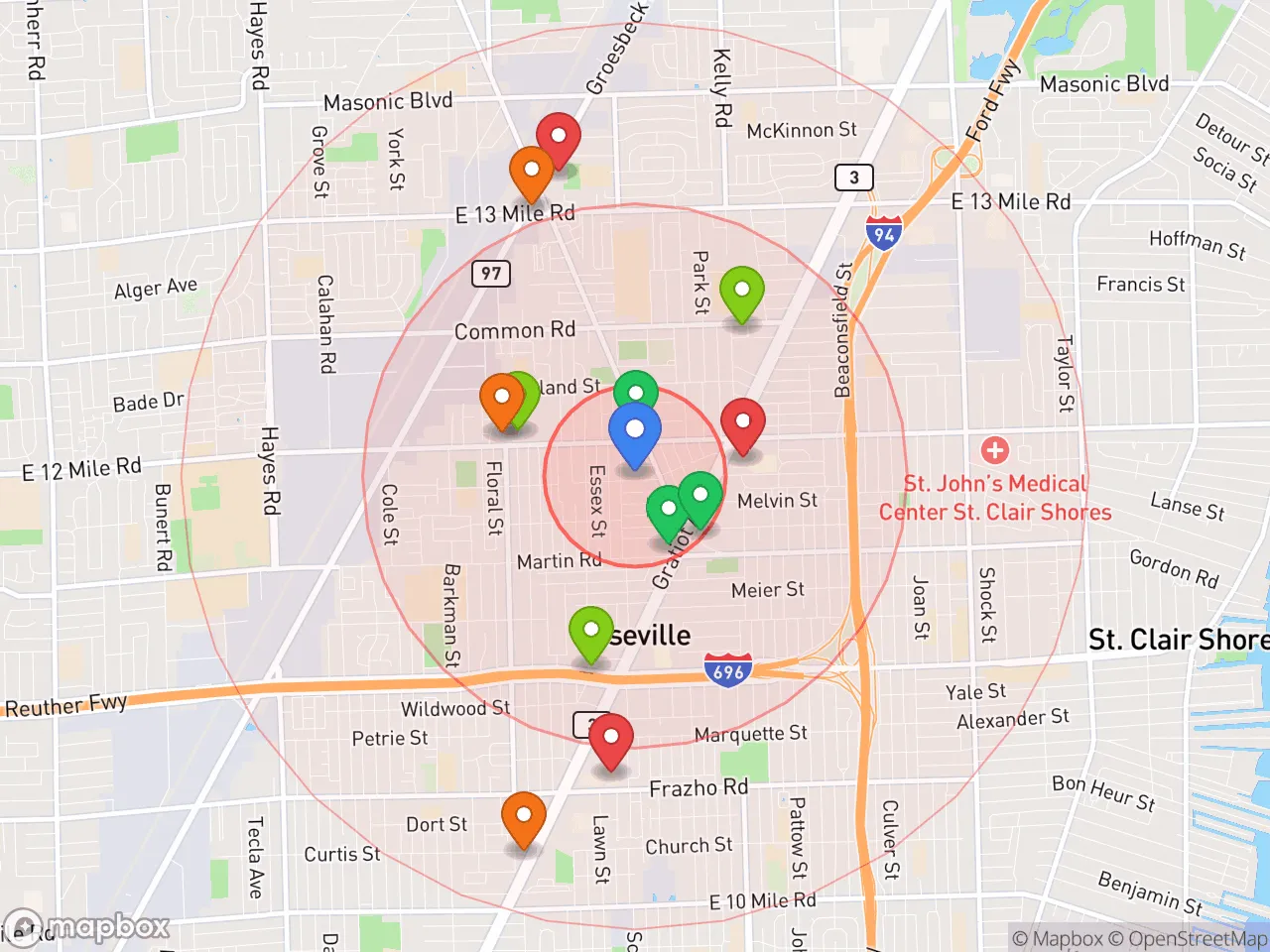
6 within 10 miles
Gas
20 within 10 miles
Hospital
20 within 20 miles
Airport
DTW — Detroit Metropolitan Wayne County
Post Office
USPS — Fraser, MI
Critical Amenities
Quality-of-Life Analysis
Roseville, Michigan, offers a notably affordable quality of life that attracts a mix of working professionals, young families, and retirees seeking proximity to Detroit without the city’s higher costs. With a cost of living index of 81—19 points below the national average—the community is characterized by a strong sense of middle-class stability, where residents prioritize value and convenience over urban glamour. The population skews slightly older than the national median, and the area’s housing stock reflects a post-war suburban development pattern, with many ranch-style homes and modest bungalows.
How housing costs and affordability compare to nearby Detroit and Macomb County
Roseville’s housing market is a standout in the region for its affordability. The median home value sits at $142,700, which is roughly half the national median and significantly lower than neighboring communities like St. Clair Shores (median around $200,000) or Royal Oak (median above $300,000). Median rent is $1,175, making it one of the most budget-friendly rental markets in Macomb County. For context, a two-bedroom apartment in Roseville typically costs $200–$400 less per month than comparable units in Warren or Sterling Heights. Property taxes in Macomb County are moderate, averaging about 2.1% of assessed value, which keeps monthly carrying costs manageable for first-time buyers. The average commute time of 26 minutes is slightly below the national average, and most residents drive to jobs in Detroit (20 minutes via I-94) or to manufacturing and logistics hubs in Warren and Clinton Township.
What daily life is like for families: schools, parks, and local amenities
Daily life in Roseville revolves around practical, family-oriented amenities. The Roseville Community Schools district serves about 4,500 students, with Roseville High School offering a solid academic program and a well-regarded vocational-technical center. For younger children, the city operates seven parks, including the 40-acre Memorial Park with sports fields, a splash pad, and a walking trail. Shopping is concentrated along Gratiot Avenue, where big-box retailers like Meijer and Target sit alongside local diners and auto repair shops. The city lacks a walkable downtown core—most errands require a car—but residents appreciate the 10-minute drive to Lake St. Clair for boating and fishing. Healthcare access is strong, with Beaumont Hospital, Troy and Henry Ford Macomb Hospital both within 15 minutes. The rhythm of life is quiet and predictable: school drop-offs, commutes to nearby office parks, and weekend trips to the lake or to Detroit’s cultural attractions (25 minutes away).
Who would thrive in Roseville’s cost-conscious suburban setting
Roseville is best suited for budget-conscious buyers and renters who prioritize square footage and yard space over trendy walkability or nightlife. First-time homebuyers priced out of Oakland County will find the most value here, as will downsizing retirees who want a single-story home with low property taxes. The city also appeals to tradespeople and manufacturing workers employed at nearby plants like General Motors’ Warren Tech Center or Ford’s Sterling Axle Plant. Families with school-age children will find adequate public schools and ample recreational sports leagues, though those seeking top-tier academic districts may prefer neighboring Fraser or Utica. Professionals who work in downtown Detroit will appreciate the short, reverse-commute-friendly drive. Roseville does not offer a vibrant arts scene or high-end dining, but for residents who value financial breathing room and a stable, low-crime suburban environment, it delivers a practical and comfortable quality of life.

Crime in Roseville, MI
Higher crime rates than 65% of comparable U.S. locations.
Violent CrimeViolent Crime Analysis
Property CrimeProperty Crime Analysis
Crime Analysis
Roseville, Michigan, presents a crime profile that warrants serious consideration for potential residents, particularly given its location within the larger Detroit metro area. The city’s violent crime rate stands at 505.3 incidents per 100,000 residents, while property crime occurs at a rate of 3,191.5 per 100,000. These figures place Roseville in a category where safety concerns should be a primary factor in relocation decisions, especially when factoring in the broader regional criminal justice environment.
Crime in context
Roseville’s crime rates significantly exceed both Michigan state averages and national benchmarks. The violent crime rate of 505.3 per 100,000 is roughly 40% higher than the national average of approximately 380 per 100,000. Property crime in Roseville is even more pronounced, with the 3,191.5 rate being about 60% higher than the U.S. average of roughly 1,950 per 100,000. This disparity is not an anomaly; it reflects a pattern common in many suburban communities within large, progressive-leaning metropolitan areas. The influence of liberal prosecutorial policies in Macomb County and the broader Detroit region—which often prioritize diversion and reduced sentencing—contributes to a revolving-door justice system that fails to deter repeat offenders. This ideological approach, while sympathetic to offenders, directly results in more criminals remaining on the street, undermining public safety and victim justice.
What residents experience
For those living in Roseville, the high property crime rate is the most tangible daily concern. Theft, burglary, and motor vehicle theft are common, with residents frequently reporting package thefts from porches and break-ins of unlocked vehicles. The violent crime rate, while lower than Detroit’s, still translates to a tangible risk of assault, robbery, and aggravated incidents, particularly in areas near commercial corridors like Gratiot Avenue and 12 Mile Road. Residents often describe a need for constant vigilance—installing security cameras, using steering wheel locks, and avoiding walking alone after dark. The local police department is active, but its effectiveness is hamstrung by a county-level judicial system that often releases offenders on low or no bail, a direct consequence of progressive criminal justice reforms that prioritize offender rehabilitation over public protection.
Neighborhood-level variation exists, but it is limited. Areas closer to the Detroit border and along major commercial strips tend to experience higher crime concentrations. The more residential, interior blocks—particularly those east of I-94—generally see fewer incidents, though property crime remains a persistent issue citywide. Prospective residents should research specific block-level data and consider that even in “safer” pockets, the overarching regional criminal justice philosophy creates a baseline risk that is higher than in comparable Midwestern suburbs with more traditional, victim-centered prosecutorial approaches.
* Values derived from national, state, county, city and local statistics and may differ in a specific area. Last updated: 2026-04-30T03:37:46.000Z
Narrative content on this page is AI-generated and may contain mistakes. Verify any details that matter before acting on them.
ReloMaps may earn a commission from affiliate links at no extra cost to you.

