 Popular
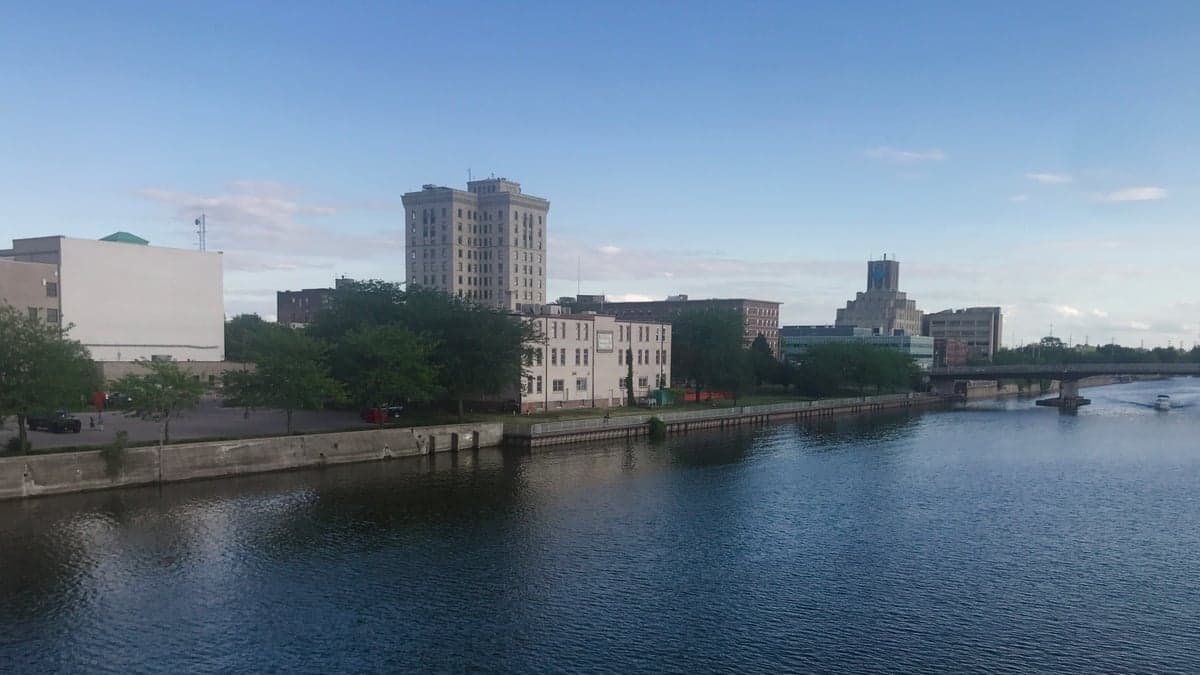
Photo: Wikipedia
Quality of Life in Saginaw, MI
A high quality of life with strong walkability, manageable living costs, healthy neighborhood signals, and solid amenity access.
What does Quality of Life tell us?
Quality of Life blends cost of living, nearby amenities, socioeconomic signals, and neighborhood character. City-level scores represent the whole municipality; individual neighborhoods can differ.
What does this tell us?
Quality of Life blends cost of living, nearby amenities, socioeconomic signals, and neighborhood character. City-level scores represent the whole municipality; individual neighborhoods can differ.
Cost of Living
45% below national average
The Real Cost of Living in Saginaw, MI for 2026
| Tier | Individual | Family (4) |
|---|---|---|
| Survival | $15k | $27k |
| Comfortable | $23k | $33k |
| Luxury | $66k+ | $102k+ |
| Elite (Top 5%) | $77k+ | $120k+ |
112%
The Area Signal
A metric tracking the socioeconomic signals of the area.
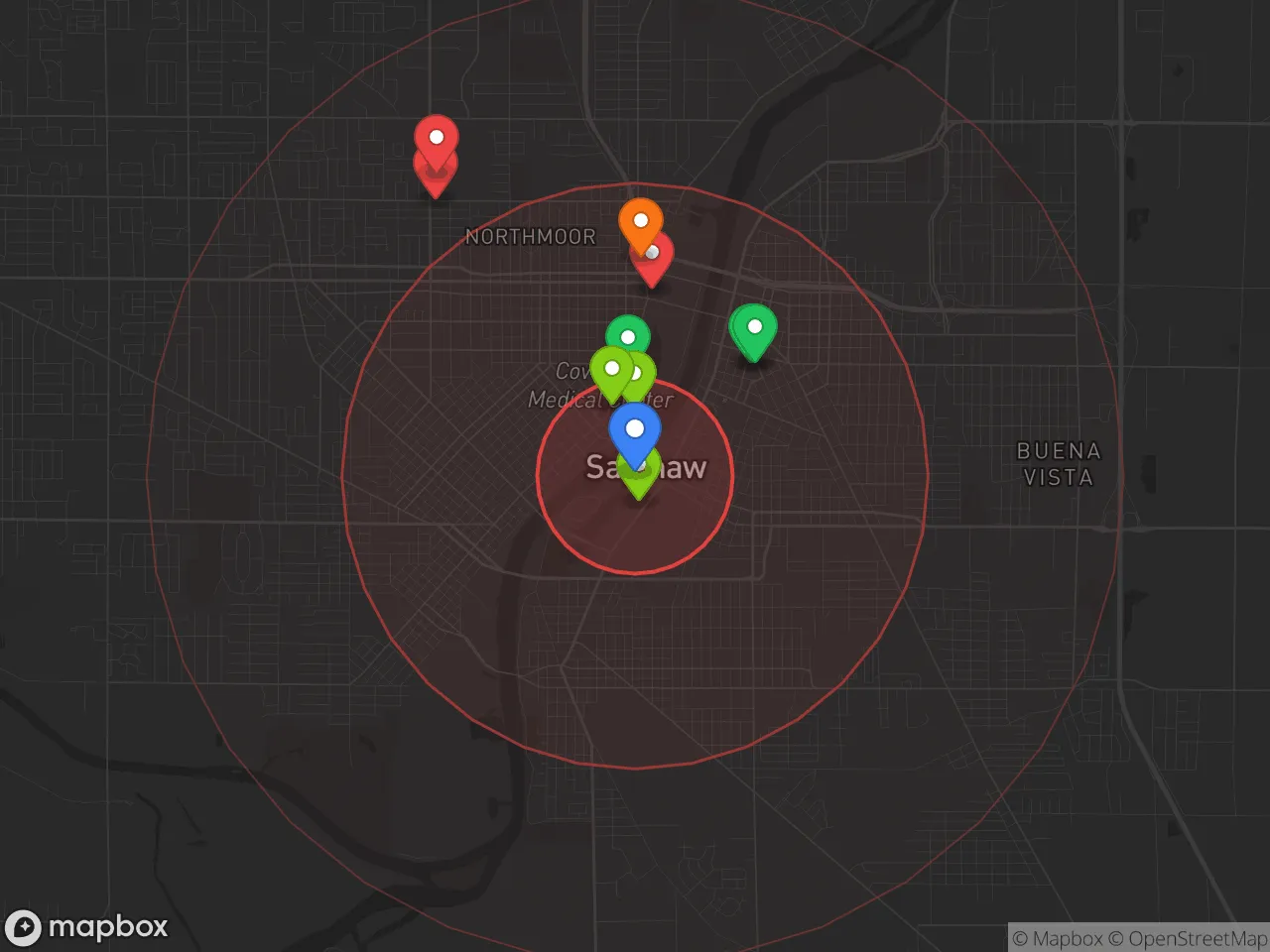
Hobbies
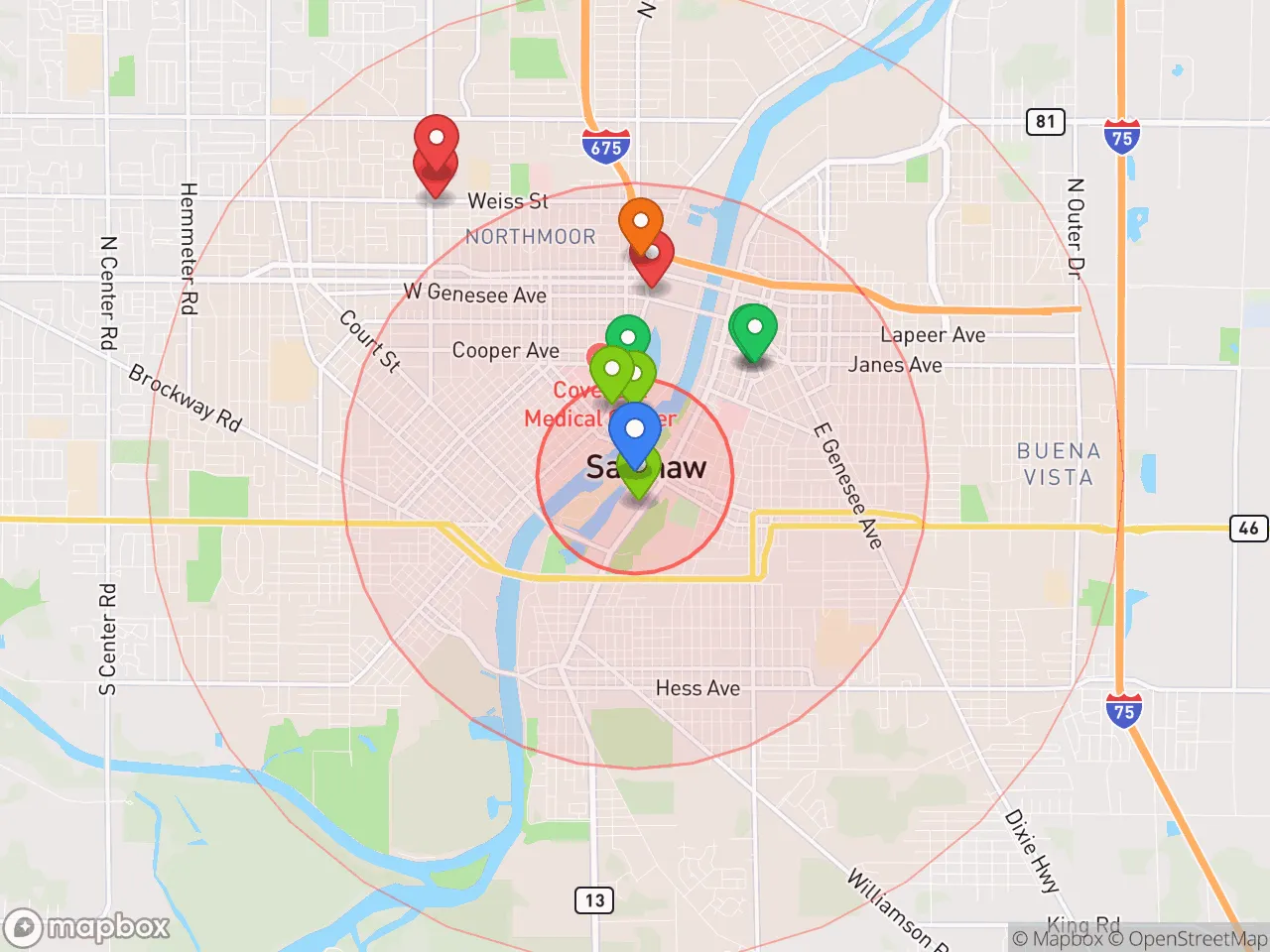
Explore the areaGroceries
6 within 10 miles
Gas
20 within 10 miles
Hospital
8 within 20 miles
Airport
DTW — Detroit Metropolitan Wayne County
Post Office
USPS — Saginaw, MI
Critical Amenities
Quality-of-Life Analysis
Saginaw, Michigan, presents a unique quality-of-life profile defined by its exceptionally low cost of living and a predominantly working-class and retired population. With a cost-of-living index of 55—nearly half the national average—the city attracts residents seeking financial breathing room, particularly those in manufacturing, healthcare, and education sectors, as well as retirees on fixed incomes. The median home value of $54,000 and median rent of $909 create an affordability landscape that is increasingly rare in the Midwest, though this low barrier to entry is balanced by the economic challenges typical of a post-industrial Great Lakes city.
How housing costs and everyday expenses compare to nearby cities
Saginaw’s cost-of-living index of 55 is dramatically lower than the U.S. average of 100, and it undercuts nearby regional hubs like Midland (index ~85) and Bay City (index ~75) by a wide margin. The median home value of $54,000 is roughly one-fifth the national median, making homeownership accessible even for households earning near minimum wage. Renters face a median of $909 per month, which is well below the Michigan state average of roughly $1,100. However, this affordability reflects a housing stock that is older and often in need of renovation; many homes were built before 1950. The average commute of just 19 minutes is notably short—far below the national average of 26 minutes—meaning residents save both time and transportation costs, especially compared to commuters in the Detroit or Grand Rapids suburbs. Property taxes in Saginaw County are moderate, averaging about 1.5% of assessed value, though city taxes add a small premium. For a family or individual prioritizing low housing costs and a short drive to work, Saginaw offers a financial advantage that few other Michigan cities can match.
What daily life is like for families and retirees in Saginaw
Daily life in Saginaw revolves around a modest but functional set of amenities. The Saginaw Public Schools district serves most of the city, though many families opt for charter schools or nearby suburban districts like Heritage High School in Saginaw Township, which consistently posts higher test scores. Healthcare access is solid, anchored by Covenant HealthCare and Ascension St. Mary’s Hospital, both major employers. Groceries and everyday shopping are concentrated along the Bay Road and State Street corridors, with national chains like Meijer and Kroger present. Recreational life centers on the Saginaw River and nearby parks such as the 123-acre Japanese Cultural Center and the Saginaw Bay area, about 30 minutes east. The city’s cultural offerings include the Saginaw Art Museum and the Temple Theatre, which hosts concerts and events. For retirees, the low cost of living and the presence of senior-focused communities like the Saginaw Senior Center provide a quiet, affordable rhythm. Families benefit from the short commute—19 minutes on average—which allows more time at home, though the lack of high-end retail and entertainment options means many residents drive to Midland or Frankenmuth for dining and recreation.
Who thrives in Saginaw? The city is best suited for cost-conscious households—especially those in manufacturing, healthcare, or remote work—who value financial stability over urban amenities. Retirees on fixed incomes will find the low housing costs and short commute particularly appealing. However, professionals seeking vibrant nightlife, top-tier public schools, or rapid job growth may find Saginaw’s pace too slow and its economic base too narrow. For those who prioritize a low-stress, low-cost lifestyle with a strong sense of community and proximity to outdoor recreation, Saginaw offers a compelling, if understated, quality of life.

Crime in Saginaw, MI
Significantly higher crime rates than 77% of comparable U.S. locations.
Violent CrimeViolent Crime Analysis
Property CrimeProperty Crime Analysis
Crime Analysis
Saginaw, Michigan, faces significant public safety challenges, with violent and property crime rates that far exceed both state and national averages, making it one of the more dangerous cities in the Great Lakes Bay Region. The city's crime statistics reflect a community grappling with systemic issues, and the local justice system's progressive approach to prosecution and sentencing has been a point of concern for residents seeking stricter accountability. For anyone considering relocation, understanding the specific crime landscape is essential for making an informed decision about safety and daily life.
Crime in context
Saginaw's violent crime rate stands at 2,260.9 incidents per 100,000 residents, a figure that is roughly 5.5 times the national average and more than double the already-high rate for Michigan's large cities. Property crime, at 1,966 per 100,000, is also elevated, though it aligns more closely with other struggling post-industrial cities in the state. These numbers place Saginaw among the most violent cities in Michigan, alongside Flint and Detroit. The city's high crime rates are compounded by a local judicial philosophy that prioritizes rehabilitation and diversion programs over incarceration, a progressive stance that critics argue has resulted in repeat offenders cycling through the system without meaningful consequences. This approach, while intended to reduce recidivism, has been linked to a perception of leniency that undermines deterrence and public confidence in the justice system.
What residents experience
For those living in Saginaw, the impact of violent crime is immediate and pervasive. Aggravated assaults make up the majority of violent incidents, but the city also sees a disproportionate number of homicides and robberies relative to its population. Property crimes such as burglary and motor vehicle theft are common, particularly in areas with lower foot traffic and less surveillance. Residents frequently report feeling unsafe walking alone at night, and many avoid certain commercial corridors after dark. The progressive policies of Saginaw County's district attorney's office, which emphasize alternatives to incarceration for non-violent offenders, have been a recurring topic of local debate. While supporters argue these measures address root causes like addiction and poverty, opponents contend they have contributed to a revolving-door justice system that fails to protect victims and emboldens criminals.
Neighborhood-level variation
Safety in Saginaw is not uniform. The city's east side, particularly neighborhoods near the Saginaw River and the downtown core, experiences the highest concentration of violent crime, while the west and northwest areas—such as the neighborhoods around Saginaw Township and Kochville Township—tend to have lower crime rates. Suburban communities like Freeland and Thomas Township offer a stark contrast, with crime rates that are a fraction of the city's. For prospective residents, choosing a location within the greater Saginaw area requires careful attention to block-by-block conditions, as even adjacent streets can differ dramatically in safety. Consulting local crime maps and speaking with current residents is strongly advised before committing to a specific neighborhood.
* Values derived from national, state, county, city and local statistics and may differ in a specific area. Last updated: 2026-04-29T22:58:32.000Z
Narrative content on this page is AI-generated and may contain mistakes. Verify any details that matter before acting on them.
ReloMaps may earn a commission from affiliate links at no extra cost to you.

