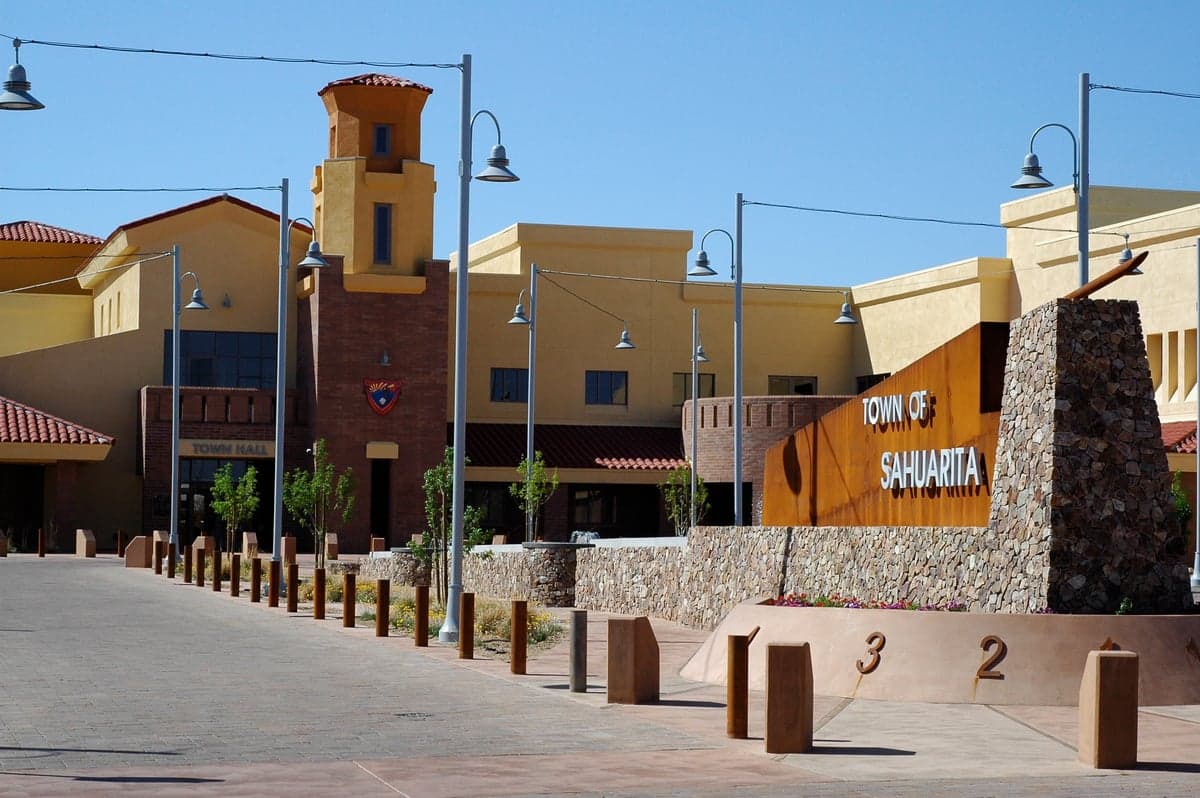
Photo: Wikipedia
Quality of Life in Sahuarita, AZ
A high quality of life with strong walkability, manageable living costs, healthy neighborhood signals, and solid amenity access.
What does Quality of Life tell us?
Quality of Life blends cost of living, nearby amenities, socioeconomic signals, and neighborhood character. City-level scores represent the whole municipality; individual neighborhoods can differ.
What does this tell us?
Quality of Life blends cost of living, nearby amenities, socioeconomic signals, and neighborhood character. City-level scores represent the whole municipality; individual neighborhoods can differ.
Cost of Living
39% above national average
The Real Cost of Living in Sahuarita, AZ for 2026
| Tier | Individual | Family (4) |
|---|---|---|
| Survival | $28k | $53k |
| Comfortable | $66k | $98k |
| Luxury | $143k+ | $221k+ |
| Elite (Top 5%) | $168k+ | $260k+ |
103%
The Area Signal
A metric tracking the socioeconomic signals of the area.
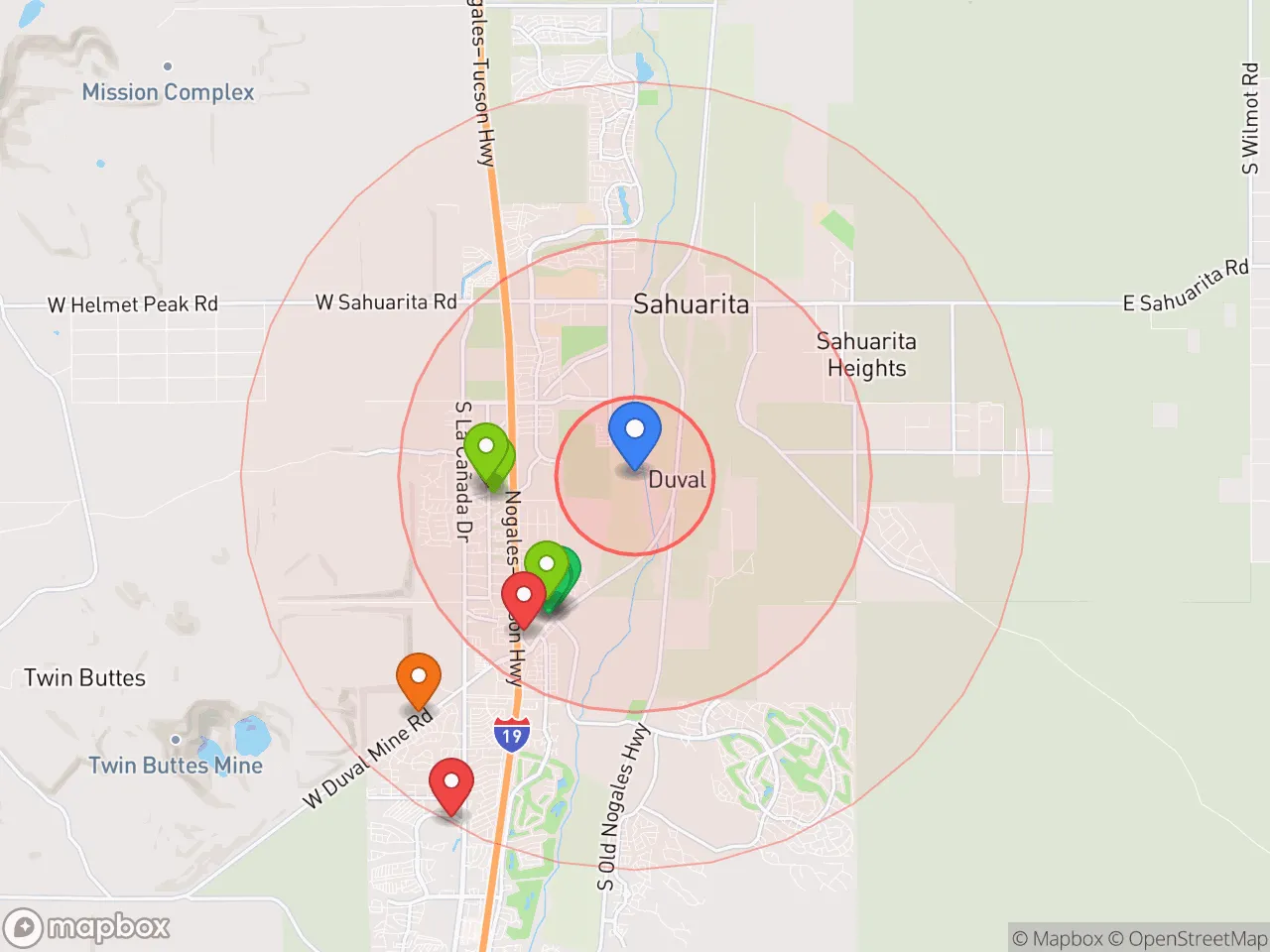
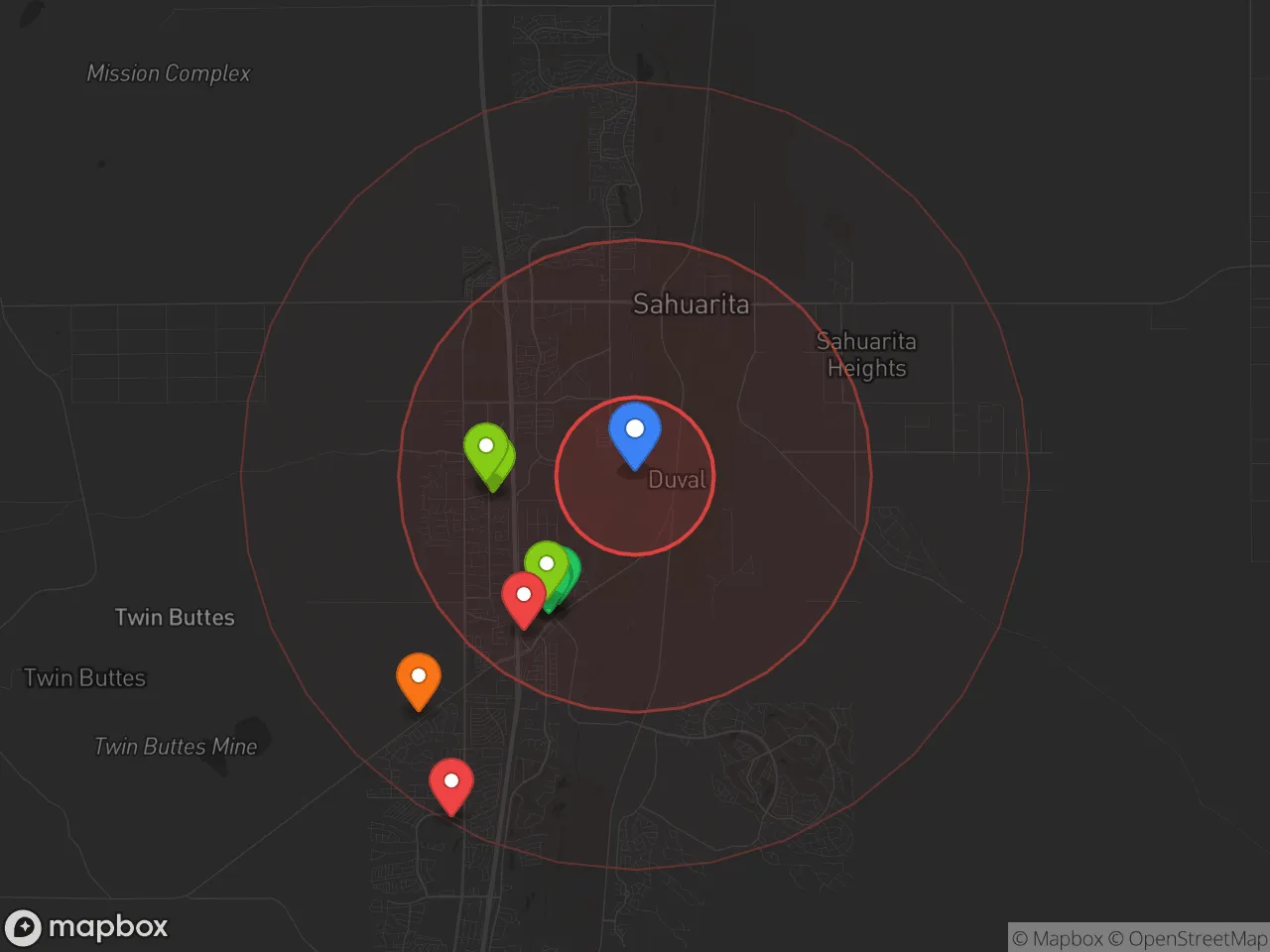
Hobbies
Explore the areaGroceries
3 within 10 miles
Gas
6 within 10 miles
Hospital
8 within 20 miles
Airport
SAN — San Carlos Apache
Post Office
USPS — Sahuarita, AZ
Critical Amenities
Quality-of-Life Analysis
Sahuarita, Arizona, presents a distinctive quality-of-life profile shaped by its rapid growth, relative affluence, and family-oriented character. With a cost-of-living index of 139 (39% above the national average), the town attracts a demographic mix of young families seeking newer housing stock, retirees drawn to the climate and proximity to Tucson, and professionals working in the nearby aerospace and defense sectors. The population skews younger than the state median, with a median age of roughly 35, and the area is known for its master-planned communities, low crime rates, and a deliberate suburban pace that contrasts with Tucson's urban density.
Cost of living, housing affordability, and how Sahuarita compares to Tucson and Green Valley
Sahuarita's cost-of-living index of 139 is significantly higher than the national baseline but roughly 10-15% lower than comparable master-planned suburbs in Maricopa County like Gilbert or Chandler. The median home value of $341,800 is notably more affordable than the Tucson metro average of approximately $370,000 and far below Phoenix's median of $440,000. Median rent sits at $1,763, which is competitive with Green Valley (around $1,700) but about $200 less than comparable rentals in central Tucson. However, the average commute of 28.2 minutes is a trade-off: many residents drive north into Tucson for employment, as Sahuarita's own job base is still maturing. Property taxes remain relatively low by national standards, with effective rates around 0.6-0.7% of assessed value, which partially offsets the higher home prices. For buyers, the trade-off is clear: newer, larger homes on larger lots compared to Tucson's older inventory, but at the cost of longer daily drives and fewer immediate urban amenities.
Schools, parks, and the daily rhythm of life in Sahuarita
Daily life in Sahuarita revolves around its master-planned communities—Rancho Sahuarita being the largest—which offer extensive trail systems, community pools, and neighborhood parks. The Sahuarita Unified School District serves the area, with Sahuarita High School earning a 7/10 rating on GreatSchools and Anza Trail School receiving strong marks for elementary education. The town's amenity base includes the Sahuarita Aquatic Center, multiple golf courses, and the Sahuarita Lake Park, which hosts seasonal events. Retail is concentrated along the I-19 corridor, anchored by the Sahuarita Marketplace and the newer Rancho Sahuarita Town Center, offering grocery, dining, and big-box shopping. For specialized services, entertainment, or healthcare, residents typically drive 20-30 minutes north to Tucson's hospitals, the University of Arizona, or the Tucson International Airport. The rhythm is distinctly suburban: weekends center on youth sports leagues, hiking at nearby Madera Canyon, or trips to the Titan Missile Museum in Green Valley. The town lacks a traditional downtown core, which some residents view as a drawback, but the planned community model ensures consistent landscaping and a clean, orderly environment.
Who thrives here? Sahuarita is best suited for families seeking newer, affordable housing in a low-crime, amenity-rich suburban setting who are willing to accept a 28-minute commute for employment and entertainment. Retirees who prefer a quieter, more active lifestyle than Green Valley's older demographic also find it appealing, as do remote workers who can leverage the lower housing costs relative to Phoenix. Those who prioritize walkable urbanism, nightlife, or immediate access to cultural institutions will likely find Sahuarita too car-dependent and quiet. For the target demographic—families and professionals prioritizing space, safety, and schools over urban convenience—Sahuarita offers a compelling, if trade-off-laden, quality of life.

Crime in Sahuarita, AZ
Lower crime rates than 92% of comparable U.S. locations.
Violent CrimeViolent Crime Analysis
Property CrimeProperty Crime Analysis
Crime Analysis
Sahuarita, Arizona, consistently ranks as one of the safest communities in the Tucson metropolitan area, with crime rates significantly below both state and national averages. The town's violent crime rate of 41.8 incidents per 100,000 residents is roughly one-tenth the national average, while its property crime rate of 875.5 per 100,000 is about half the U.S. figure. This strong safety record is a primary draw for families and retirees relocating to the region.
Crime in context
To understand Sahuarita's safety, it helps to compare it to nearby jurisdictions. The town's violent crime rate is dramatically lower than Tucson's (which hovers around 700 per 100,000) and also well below the Arizona state average of roughly 430 per 100,000. Property crime in Sahuarita, while higher than violent crime, still undercuts the national rate of approximately 1,950 per 100,000. However, it is important to note that Sahuarita is part of Pima County, which includes the larger, more progressive city of Tucson. Pima County's elected district attorney and some judges have been criticized for policies that prioritize diversion and reduced sentencing, a trend that concerns residents who worry about recidivism and a revolving-door justice system. While Sahuarita itself maintains low crime, its proximity to a metro area with more lenient prosecutorial philosophies means that regional crime trends can still spill over into the community.
What residents experience
Daily life in Sahuarita is characterized by a palpable sense of security. The town's master-planned communities, such as Rancho Sahuarita, feature neighborhood watch programs, well-lit streets, and active homeowners' associations that contribute to low incident rates. The Sahuarita Police Department maintains a visible presence and emphasizes community policing. The most common property crimes are theft from vehicles and package theft, rather than violent confrontations. Residents report feeling safe walking at night and allowing children to play outdoors, a stark contrast to experiences in many parts of the Tucson metro area. The town's demographic profile—largely families and retirees—also contributes to a stable, low-crime environment.
Neighborhood-level variation in Sahuarita is minimal but worth noting. The newer, gated subdivisions in the eastern and southern parts of town see the lowest crime rates, while areas closer to the Interstate 19 corridor and the town's commercial core experience slightly higher property crime. Overall, Sahuarita offers a level of safety that is exceptional for a community within a major metropolitan area, though residents remain mindful of the broader county's criminal justice trends.
* Values derived from national, state, county, city and local statistics and may differ in a specific area. Last updated: 2026-05-01T08:08:55.000Z
Narrative content on this page is AI-generated and may contain mistakes. Verify any details that matter before acting on them.
ReloMaps may earn a commission from affiliate links at no extra cost to you.

