Photo: Wikipedia
Find The Best Places To Live
in Hayward
PRO TIP! You can paste a Zillow or Redfin link to get info on that property.
What It's Like Living in Hayward, CA
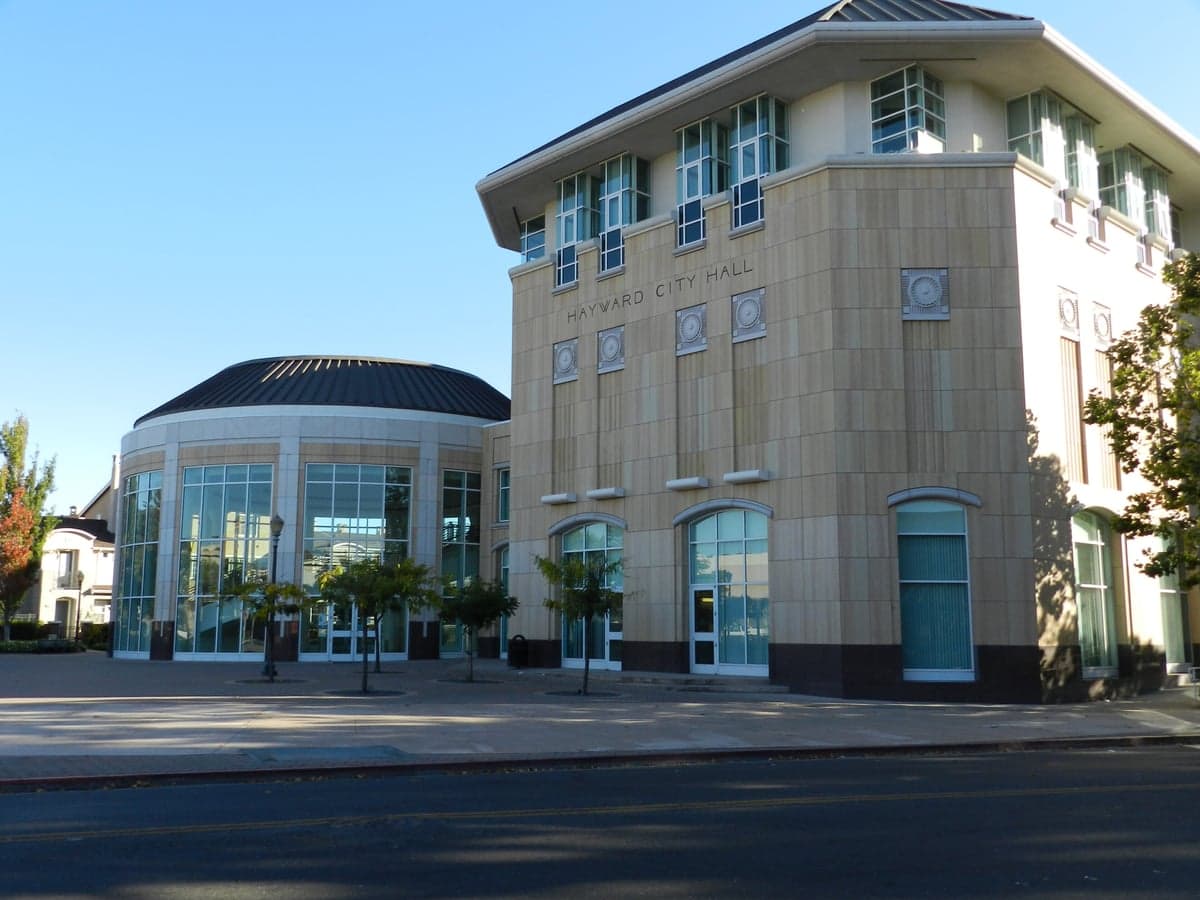
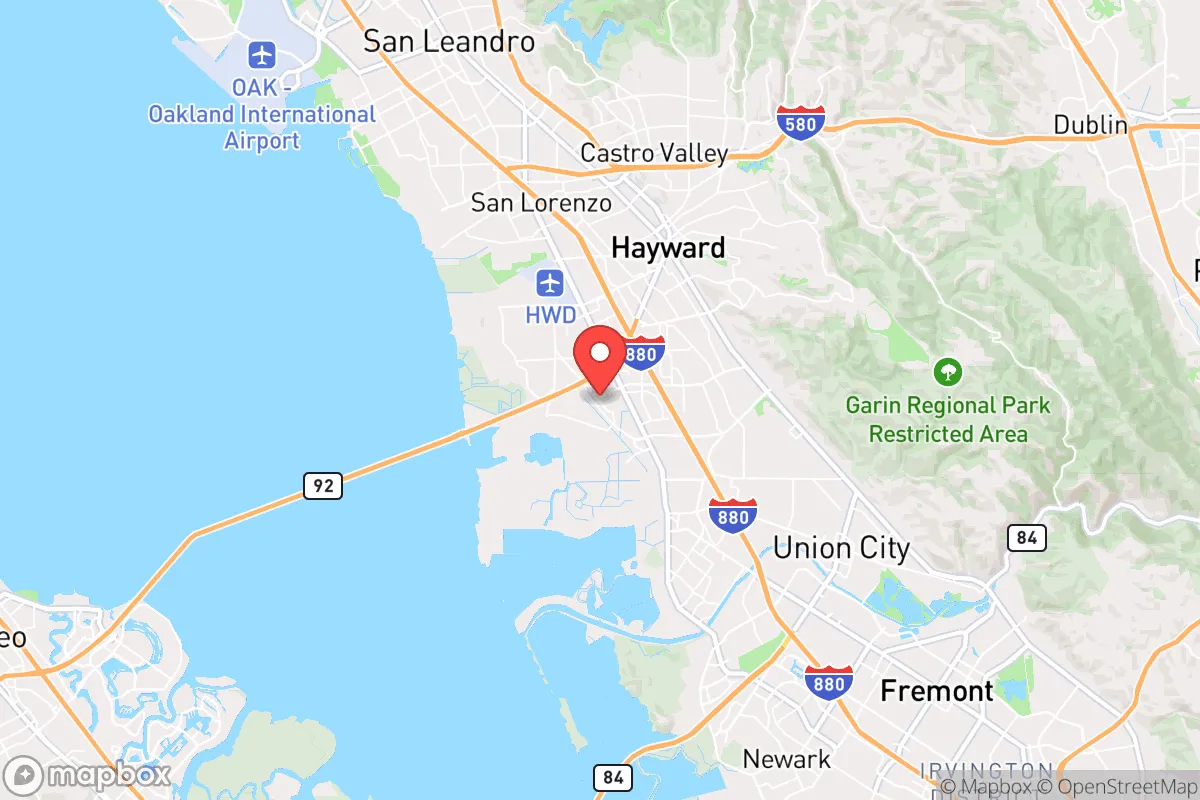
Hayward, California, is the kind of place that doesn’t try to impress you with flashy waterfront views or Silicon Valley glamour. Instead, it offers a grounded, workaday rhythm that appeals to people who want Bay Area access without the eye-watering price tag of San Francisco or Palo Alto. With a population of just over 159,000, it’s a mid-sized city that feels like a collection of neighborhoods—some older and established, others newer and more suburban—all tucked between the East Bay hills and the San Francisco Bay shoreline.
The Daily Rhythm: What People Actually Do
Most mornings in Hayward start with a commute. The average one-way trip clocks in at about 34 minutes, which is typical for the East Bay—long enough to finish a podcast, short enough to avoid total misery. People head west over the San Mateo Bridge to tech jobs in the Peninsula, north to Oakland or San Francisco, or south to San Jose. The city’s own job base is solid but not flashy: Cal State East Bay, the local hospital system, and a mix of logistics and manufacturing employers keep a lot of folks close to home. After work, you’ll find families at the Safeway on Mission Boulevard or grabbing pho at one of the many Vietnamese restaurants along Hesperian Boulevard. Weekends often mean a trip to the Hayward Farmers Market on Saturday mornings, a hike in the Garin Regional Park hills, or a slow afternoon at the Japanese Gardens—a surprisingly serene spot tucked behind City Hall.
Sports, Community, and What People Care About
Hayward isn’t a sports town in the way that, say, Green Bay is. There’s no major pro team here. But high school football is a genuine community event—especially at Hayward High and Mt. Eden High, where Friday night games draw families, alumni, and local boosters. The city also has a strong youth soccer and Little League scene, and the Chabot College athletics program gives locals a reason to cheer on a Saturday afternoon. For pro sports, residents are split between rooting for the Oakland Athletics (or now the Las Vegas A’s, depending on how bitter they are) and the San Francisco Giants, with a healthy contingent of Warriors and 49ers fans mixed in. The real cultural touchstone, though, is the annual Hayward-Russell City Blues Festival, which brings live music and food vendors to town each summer. It’s a low-key, family-friendly event that captures the city’s working-class, multicultural vibe better than anything else.
What’s There to Do: Parks, Eats, and Entertainment
For a city its size, Hayward has a decent spread of things to do, though you won’t mistake it for a nightlife destination. The downtown area along B Street has seen some revitalization in recent years, with a few breweries (like the always-busy Drake’s Brewing taproom), a solid taqueria scene, and the historic Castro Valley/Hayward area’s small theater venues. For outdoor types, the Hayward Shoreline Interpretive Center offers flat trails along the bay, while Garin Regional Park gives you real hills, oak woodlands, and views of the entire South Bay. The Southland Mall is the main shopping hub—nothing fancy, but it gets the job done. What frustrates some residents is the lack of a true “third place” downtown: there’s no central square or pedestrian plaza where people naturally gather. Most socializing happens at someone’s house, a park, or a chain restaurant parking lot.
Pros and Cons of Living Here
- Pro: Affordability (relatively speaking). With a median home value around $820,700, Hayward is significantly cheaper than San Francisco ($1.4M+) or Oakland ($900K+). For a family or single person earning the median household income of $113,775, homeownership is still a stretch but not impossible—especially compared to the rest of the Bay Area.
- Con: Cost of living is still brutal. The cost of living index sits at 238—more than double the national average. Rent for a one-bedroom apartment often runs $2,200–$2,800. You’re paying for location, not luxury.
- Pro: Diversity and real community. Hayward is one of the most ethnically diverse cities in the East Bay. You’ll hear Tagalog, Spanish, Vietnamese, and Cantonese on the bus. That diversity shows up in the food scene and in local festivals.
- Con: Crime is a real concern. The violent crime rate is 436.5 per 100,000—higher than the national average. Property crime, especially car break-ins and package theft, is a daily annoyance in some neighborhoods. It’s not a dangerous city by any means, but you’ll want to be street-smart and lock your car doors.
- Pro: Weather that’s hard to beat. Mediterranean climate with mild, wet winters and dry summers. You’ll use your heater maybe 10 days a year. Fog rolls in from the bay some mornings, but it burns off by noon.
- Con: Traffic is a fact of life. The 880 freeway is a parking lot during rush hour. The 238 interchange is notorious. If you work in San Francisco, expect a 45–60 minute commute each way.
Who Fits In Here
Hayward works best for people who value practicality over prestige. It’s a city of teachers, nurses, tradespeople, and mid-level tech workers who want a house with a yard and a decent school district without paying $2 million for the privilege. The median age is 38.2, and about 32.6% of adults hold a bachelor’s degree or higher—lower than the Bay Area average, which reflects the city’s blue-collar and service-industry roots. Single people often find it a good launching pad: close enough to the city for nightlife, far enough to afford rent. Parents appreciate the decent public schools (though many opt for private or charter options) and the abundance of parks and rec programs. If you’re looking for a place with a vibrant downtown, a thriving arts scene, or a high concentration of young professionals, Hayward will feel sleepy. But if you want a stable, diverse, no-nonsense community where you can actually afford to live in the Bay Area, it’s one of the few remaining options that still makes sense.

Similar small cities to Hayward
* Values derived from national, state, county, city and local statistics and may differ in a specific area. Last updated: 2026-04-24T12:20:46.000Z
Narrative content on this page is AI-generated and may contain mistakes. Verify any details that matter before acting on them.
ReloMaps may earn a commission from affiliate links at no extra cost to you.

