


Photo: Wikipedia
Quality of Life in San Diego, CA
A high quality of life with strong walkability, manageable living costs, healthy neighborhood signals, and solid amenity access.
What does Quality of Life tell us?
Quality of Life blends cost of living, nearby amenities, socioeconomic signals, and neighborhood character. City-level scores represent the whole municipality; individual neighborhoods can differ.
What does this tell us?
Quality of Life blends cost of living, nearby amenities, socioeconomic signals, and neighborhood character. City-level scores represent the whole municipality; individual neighborhoods can differ.
Cost of Living
135% above national average
The Real Cost of Living in San Diego, CA for 2026
| Tier | Individual | Family (4) |
|---|---|---|
| Survival | $35k | $67k |
| Comfortable | $130k | $191k |
| Luxury | $188k+ | $292k+ |
| Elite (Top 5%) | $224k+ | $348k+ |
55%
The Area Signal
A metric tracking the socioeconomic signals of the area.
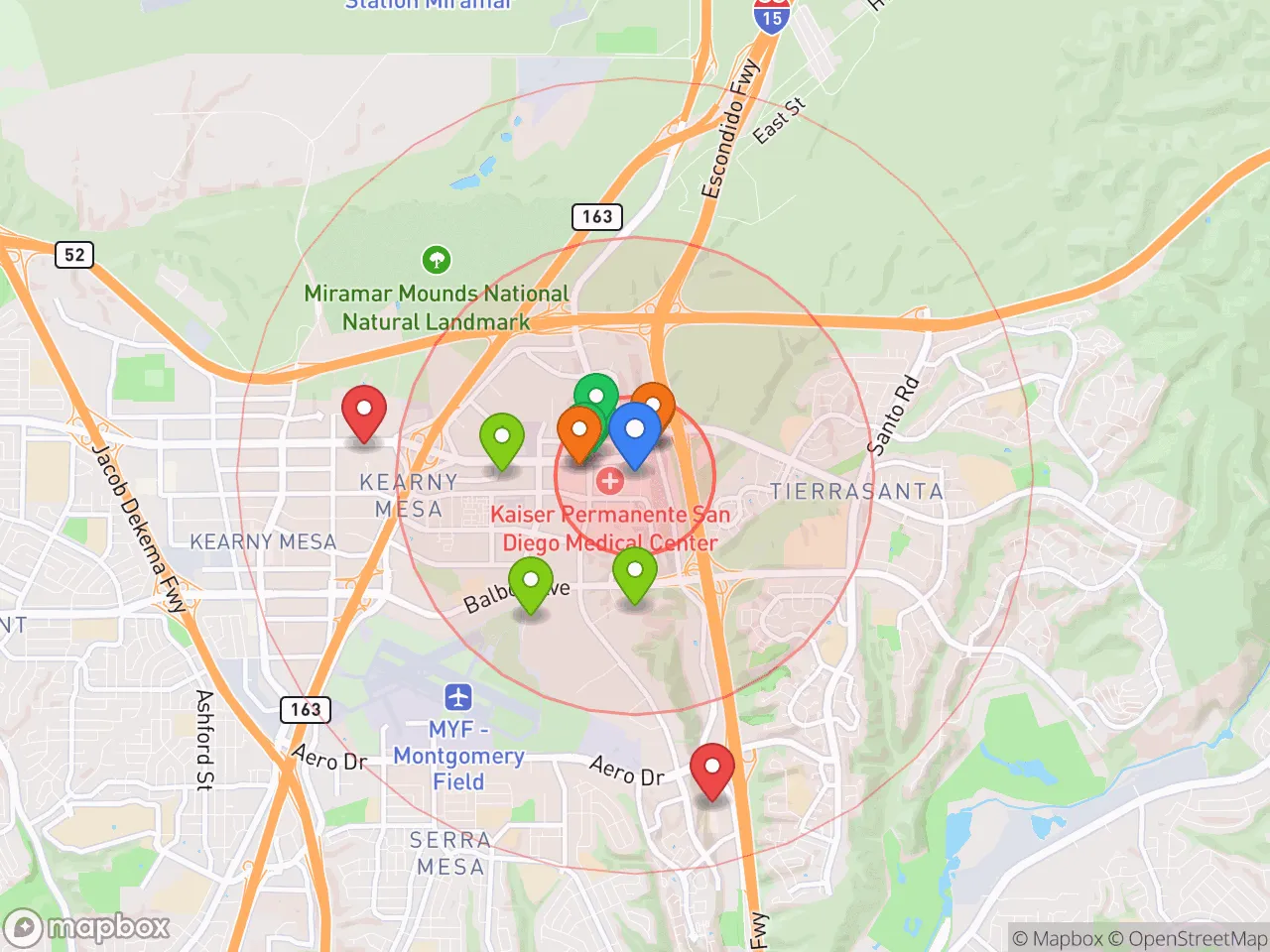
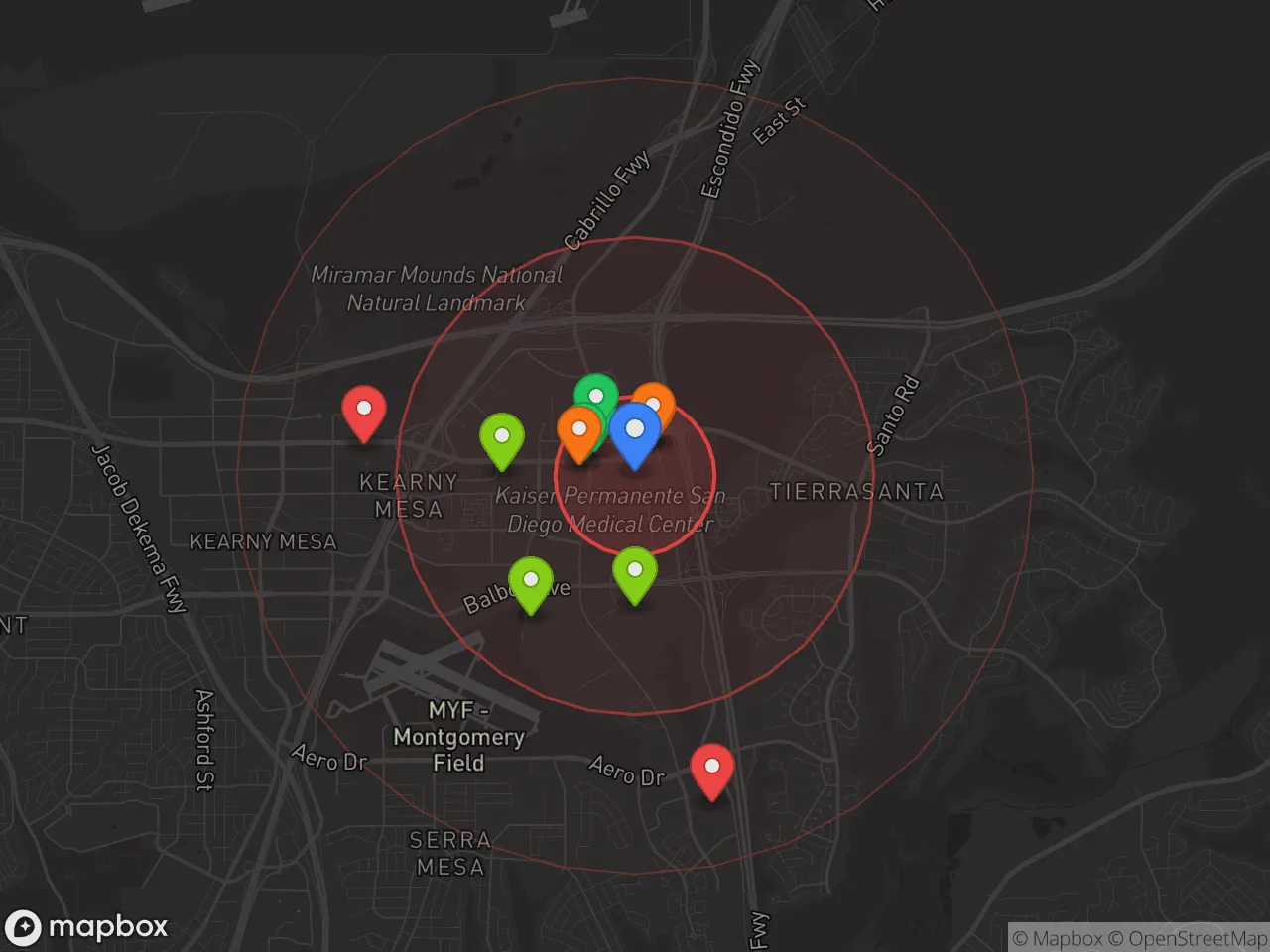
Hobbies
Explore the areaGroceries
7 within 10 miles
Gas
20 within 10 miles
Hospital
20 within 20 miles
Airport
SAN — San Diego International
Post Office
USPS — San Diego, CA
Critical Amenities
Quality-of-Life Analysis
San Diego is an affluent coastal city where the cost of living index sits at 235—more than double the national average—attracting a mix of military families, biotech professionals, and remote tech workers drawn by the region's near-perfect climate and ocean access. The city's population skews educated and active, with a median age of 35.6 and a high proportion of residents working in defense, healthcare, and tourism. While the median household income of $89,457 outpaces the national median, the steep housing costs mean that many newcomers must carefully budget to maintain the lifestyle San Diego promises.
Cost of living and housing affordability compared to Los Angeles and Orange County
San Diego's housing market is among the most expensive in the nation, with a median home value of $848,500 and median rent of $2,223. The cost of living index of 235 is roughly 15% lower than San Francisco's but about 10% higher than Los Angeles County's average, making San Diego a relative bargain among California's coastal metros—though still punishing for out-of-state movers. Compared to nearby Orange County cities like Irvine (median home value ~$1.1M), San Diego offers slightly more square footage per dollar, especially in inland neighborhoods like Mira Mesa or Rancho Bernardo. The average commute of 23.9 minutes is notably shorter than Los Angeles's 30-minute average, a practical advantage for workers at major employers like UC San Diego, Qualcomm, and Naval Base San Diego. Renters face stiff competition: the median rent consumes roughly 30% of the median household income, meeting the federal affordability threshold but leaving little room for savings.
What daily life is like for families and professionals
Daily life in San Diego revolves around outdoor activity and neighborhood-centric amenities. The city's public school system is mixed: top-rated districts like Poway Unified and San Dieguito Union High School District serve northern suburbs, while San Diego Unified—the second-largest district in California—has high-performing magnet schools (e.g., San Diego School of Creative and Performing Arts) alongside underfunded neighborhood schools. Families gravitate toward Balboa Park's museums, the San Diego Zoo, and Mission Bay's calm waters for weekend recreation. Professionals benefit from a robust craft brewery scene (over 150 breweries regionally) and a dining culture that emphasizes Baja-influenced Mexican cuisine and sustainable seafood. The city's 70 miles of coastline and 3,400 hours of sunshine per year make hiking Torrey Pines State Reserve or paddleboarding in La Jolla a normal Tuesday evening activity. Traffic congestion is moderate by California standards, with the I-5 and I-805 corridors backing up during peak hours but clearing faster than in the Bay Area.
San Diego is best suited for those who can command a high income—particularly in biotech, defense contracting, or remote tech roles—and who prioritize climate and outdoor lifestyle over square footage or savings. Military personnel and veterans find strong support networks and proximity to bases like Camp Pendleton and Naval Air Station North Island. Families willing to research school districts and accept a smaller home for coastal access will thrive, while those seeking affordable starter homes or low utility costs should look inland to cities like Temecula or Chula Vista. The city's combination of professional opportunity, natural beauty, and manageable commute times makes it a compelling choice for anyone who can navigate the high cost of entry.

Crime in San Diego, CA
WARNING: The crime statistics are unreliable for this jurisdiction. Local authorities have either not reported or under reported their data to the FBI. This could be due to bad intentions, incompetence or technical issues. Regardless, we suggest skepticism.
Higher crime rates than 65% of comparable U.S. locations.
Violent CrimeViolent Crime Analysis
Property CrimeProperty Crime Analysis
Crime Analysis
San Diego’s overall safety picture is mixed: the city’s violent crime rate of 372 incidents per 100,000 residents is notably higher than the national average of 380, but its property crime rate of 1,539 per 100,000 sits well below the U.S. average of 1,954. However, these figures mask a deeper concern driven by local prosecutorial policies. San Diego County’s District Attorney’s office, while not as progressive as those in Los Angeles or San Francisco, has adopted several reform-minded approaches—including reduced charging for certain nonviolent offenses and expanded diversion programs—that critics argue embolden repeat offenders and erode public trust. For readers weighing a move, the raw numbers alone don’t tell the full story; the ideological tilt of the local justice system is a critical factor in understanding day-to-day safety.
Crime in context
San Diego’s violent crime rate of 372 per 100K is slightly below the national average but still places it among the higher-crime large metros in California. Property crime at 1,539 per 100K is significantly lower than the state average of 2,100, yet this statistic can be misleading. Progressive policies in the county’s justice system—such as a presumption against cash bail for many felonies and a focus on “restorative justice” for property crimes—have been linked to higher recidivism rates among those arrested for theft and burglary. Compared to nearby conservative-leaning jurisdictions like Escondido or Santee, San Diego’s approach results in a greater number of known offenders cycling back onto the streets, directly impacting neighborhood safety. The city’s overall crime index is 15% higher than the national average, with theft and motor vehicle theft being the most common complaints.
What residents experience
For daily life, the most tangible impact of San Diego’s crime environment is property crime. Vehicle break-ins and package thefts are routine in many central neighborhoods, with some areas reporting rates three times the city average. Violent crime, while less frequent, is concentrated in specific corridors—particularly in downtown’s East Village, parts of City Heights, and along the I-15 corridor in Mid-City. Residents in these areas report feeling unsafe walking alone after dark, a concern amplified by the perception that police response times have slowed due to staffing shortages and a district attorney’s office that is less willing to prosecute quality-of-life offenses. The city’s homeless population, estimated at over 10,000, is frequently cited by locals as a source of both property crime and public disorder, with encampments linked to increased theft and drug-related incidents. For families, the safest bets are the outer suburban neighborhoods like Carmel Valley, Scripps Ranch, and Rancho Bernardo, where crime rates drop to well below the city average.
Neighborhood-level variation is stark. La Jolla and Pacific Beach, despite high property values, experience elevated theft and burglary rates due to transient populations and tourist traffic. Conversely, the more conservative, family-oriented suburbs of Poway and Santee—which operate under different local policing philosophies—report violent crime rates below 100 per 100K. For anyone considering a move, the choice of neighborhood is not just about aesthetics or commute times; it is a direct decision about exposure to a justice system that, in San Diego proper, prioritizes offender rehabilitation over public safety. Readers should carefully examine the specific precinct’s crime map and the local DA’s track record on repeat offenders before signing a lease.
* Values derived from national, state, county, city and local statistics and may differ in a specific area. Last updated: 2026-04-24T09:52:25.000Z
Narrative content on this page is AI-generated and may contain mistakes. Verify any details that matter before acting on them.
ReloMaps may earn a commission from affiliate links at no extra cost to you.

