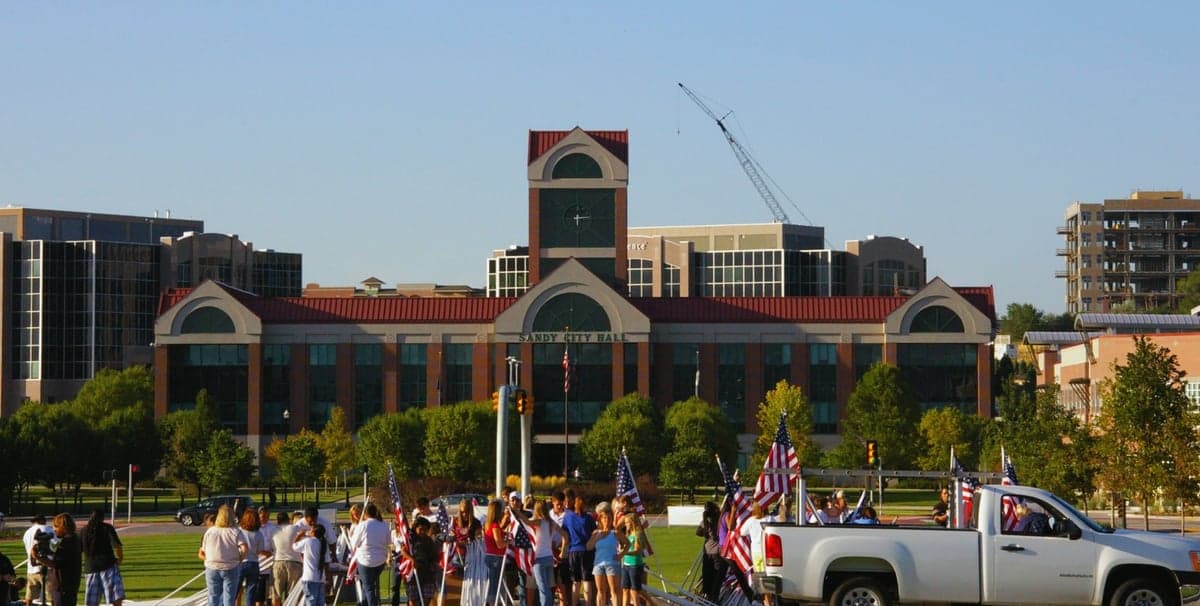
Photo: Wikipedia
Quality of Life in Sandy, UT
A high quality of life with strong walkability, manageable living costs, healthy neighborhood signals, and solid amenity access.
What does Quality of Life tell us?
Quality of Life blends cost of living, nearby amenities, socioeconomic signals, and neighborhood character. City-level scores represent the whole municipality; individual neighborhoods can differ.
What does this tell us?
Quality of Life blends cost of living, nearby amenities, socioeconomic signals, and neighborhood character. City-level scores represent the whole municipality; individual neighborhoods can differ.
Cost of Living
69% above national average
The Real Cost of Living in Sandy, UT for 2026
| Tier | Individual | Family (4) |
|---|---|---|
| Survival | $28k | $52k |
| Comfortable | $109k | $161k |
| Luxury | $181k+ | $281k+ |
| Elite (Top 5%) | $213k+ | $330k+ |
69%
The Area Signal
A metric tracking the socioeconomic signals of the area.
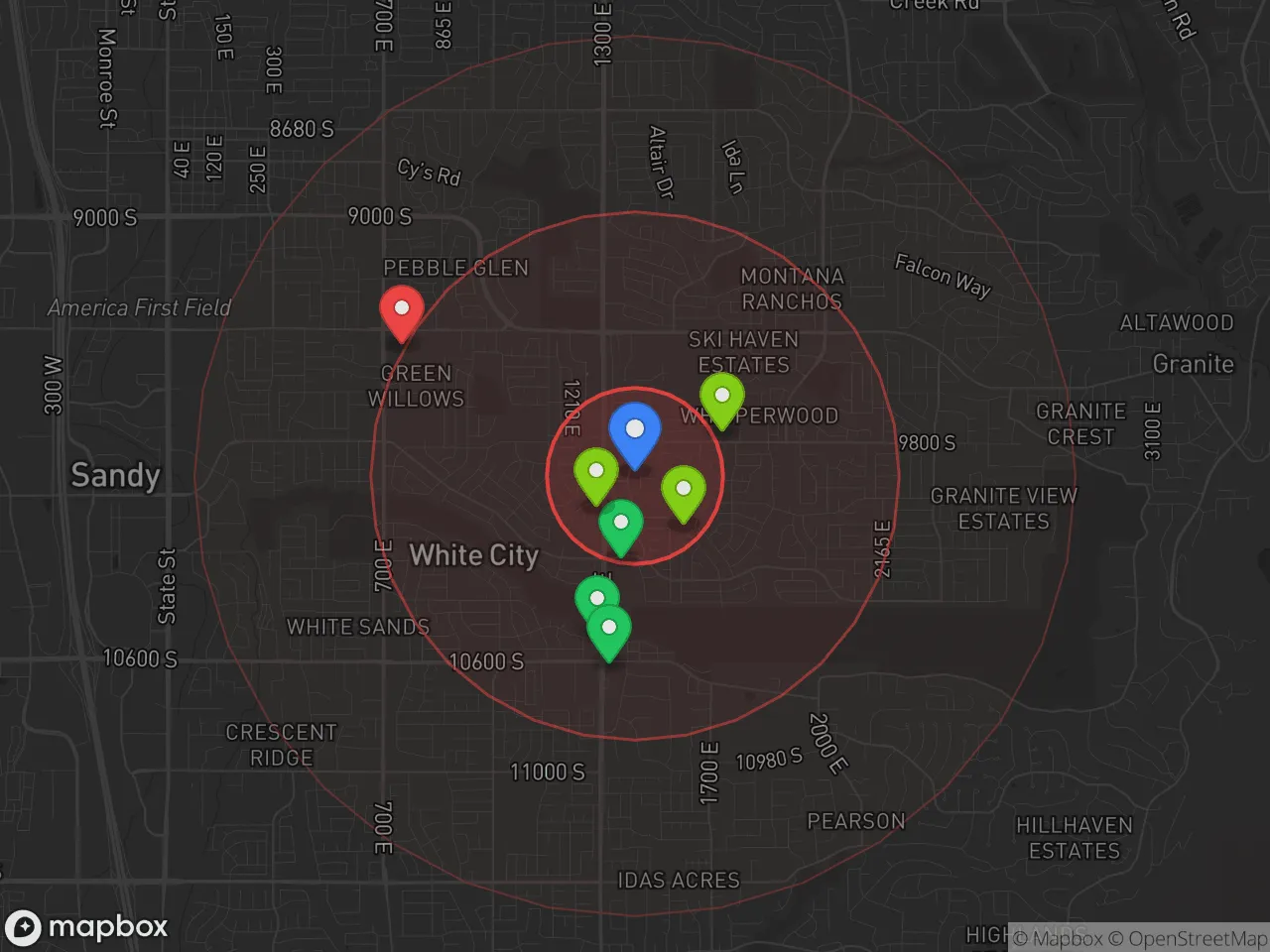
Hobbies
Explore the areaGroceries
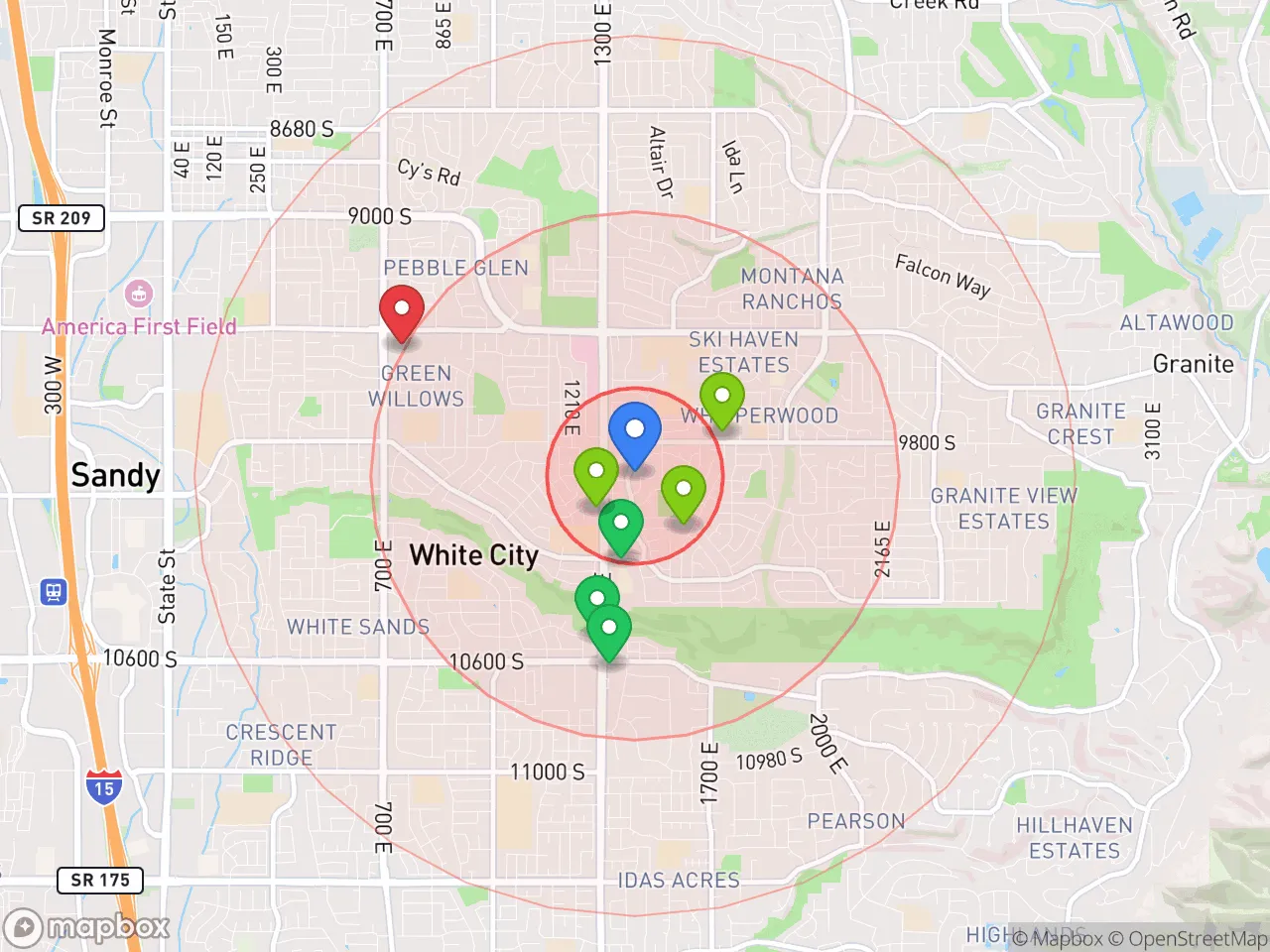
6 within 10 miles
Gas
20 within 10 miles
Hospital
20 within 20 miles
Airport
SLC — Salt Lake City International
Post Office
USPS — Sandy, UT
Critical Amenities
Quality-of-Life Analysis
Sandy, Utah, consistently ranks among the most affluent suburbs in the Salt Lake City metropolitan area, with a cost of living index of 169—69% above the national average—reflecting a community where high-earning professionals, tech workers, and families with deep roots in the region predominate. The city’s population of roughly 96,000 skews toward married couples with children, drawn by top-tier schools, low crime rates, and immediate access to the Wasatch Range’s outdoor recreation. This is not a budget-friendly enclave; it is a premium lifestyle choice for those who prioritize safety, education, and mountain proximity over low housing costs.
Cost of living and housing affordability compared to nearby areas
Sandy’s housing market is the primary driver of its elevated cost of living. The median home value sits at $562,500, roughly 35% higher than the Salt Lake County median of $415,000, while the median rent of $1,728 is about 15% above the county average of $1,500. Compared to neighboring Cottonwood Heights or Draper, Sandy is slightly more affordable—homes there typically run $50,000–$80,000 less than in Draper’s newer subdivisions—but it is significantly pricier than West Jordan or South Jordan, where median values hover around $450,000. The average commute of 22.9 minutes is notably shorter than the Salt Lake metro average of 26 minutes, a benefit of Sandy’s position along I-15 and the TRAX light-rail line, which connects directly to downtown Salt Lake City in under 30 minutes. For renters, the market is tight: vacancy rates below 3% mean competition for units under $1,800 is fierce, and many newer apartment complexes near the Shops at South Town command rents above $2,000 for two-bedrooms.
Schools, amenities, and the daily rhythm of life
Daily life in Sandy revolves around a blend of suburban convenience and outdoor access. The Canyons School District, which serves the city, is consistently rated among Utah’s top five, with schools like Alta High School and Hillcrest High School posting graduation rates above 95% and strong Advanced Placement participation. The city’s 30+ parks, including the 110-acre Dimple Dell Regional Park with its equestrian trails and natural open space, provide year-round recreation. The Shops at South Town, Utah’s largest indoor mall, anchors retail and dining, while the nearby Lone Peak Hospital and Intermountain Medical Center in Murray ensure high-quality healthcare within 15 minutes. The daily rhythm is car-dependent but efficient: most errands cluster along State Street and 90th South, and the commute to Silicon Slopes tech hubs in Lehi or Draper takes 15–20 minutes. Winters shift the pace—residents trade school drop-offs for ski runs at Alta or Snowbird, both 25 minutes up Little Cottonwood Canyon, making Sandy a rare suburb where powder days are a routine part of the workweek.
Families with school-age children and outdoor-oriented professionals will thrive in Sandy, provided they can absorb the housing premium. The city’s combination of top-ranked schools, a 22.9-minute average commute, and direct canyon access to world-class skiing and hiking creates a lifestyle that few other U.S. suburbs can match. Empty-nesters and remote workers may find the cost-to-amenity ratio less compelling—Draper offers newer homes and slightly lower taxes, while Cottonwood Heights provides closer trail access—but for those who want a stable, high-service community with a proven school system and a 30-minute-or-less path to both downtown jobs and mountain recreation, Sandy remains a benchmark choice in the Wasatch Front.

Crime in Sandy, UT
Lower crime rates than 78% of comparable U.S. locations.
Violent CrimeViolent Crime Analysis
Property CrimeProperty Crime Analysis
Crime Analysis
Sandy, Utah, presents a mixed safety profile: its violent crime rate of 160.1 per 100,000 residents is significantly lower than both the national average and the Utah state average, while its property crime rate of 1,320.8 per 100,000 exceeds the state average and approaches the national figure. This means residents generally face a lower risk of violent offenses but a heightened risk of theft, burglary, and vehicle-related crime compared to other Utah communities. The city's location within the Salt Lake City metropolitan area introduces a key concern: the influence of progressive judicial policies in Salt Lake County, which can lead to reduced incarceration rates and more lenient sentencing, potentially increasing the number of repeat offenders active in suburban areas like Sandy.
Crime in context
Sandy’s violent crime rate of 160.1 per 100,000 is roughly 55% lower than the national average of about 380 per 100,000 and well below the Utah state average of approximately 230 per 100,000. This places Sandy among the safer suburbs for violent offenses like homicide, rape, robbery, and aggravated assault. However, the property crime rate of 1,320.8 per 100,000 is about 10% higher than the Utah state average of roughly 1,200 per 100,000, though still below the national average of approximately 1,950 per 100,000. The primary drivers of Sandy’s property crime are larceny-theft and motor vehicle theft, with the latter being a persistent issue in the broader Salt Lake Valley. The presence of large retail centers like the South Towne Center mall and the Shops at South Town creates concentrated opportunities for theft, which local law enforcement actively monitors but cannot fully prevent.
What residents experience
For most Sandy residents, daily life feels safe, with violent crime being a rare occurrence. The most common safety concerns are non-violent: package theft from porches, bicycle theft, and occasional vehicle break-ins, particularly in parking lots of shopping centers and trailheads. Neighborhood watch programs are active in many Sandy subdivisions, and the Sandy Police Department maintains a visible presence, with response times generally under 10 minutes for priority calls. However, a growing frustration among residents is the perceived lack of consequences for property crime offenders. Salt Lake County’s District Attorney’s office, which prosecutes crimes in Sandy, has adopted progressive policies that emphasize diversion programs and reduced sentencing for non-violent offenders. This approach, while intended to reduce recidivism, has resulted in repeat property crime offenders cycling through the system with minimal jail time, a pattern that erodes public confidence in the justice system and can embolden criminals to target suburban homes and vehicles.
Neighborhood-level variation in Sandy is notable. The eastern bench areas, near the Wasatch Mountains and including neighborhoods like East Sandy and the Suncrest area, experience the lowest crime rates, often with violent crime rates below 50 per 100,000. In contrast, the western and central parts of the city, particularly areas near State Street (US-89) and the commercial corridors around 9000 South and 10600 South, see higher property crime concentrations. Apartments and townhome complexes near the Sandy Civic Center TRAX station report more frequent theft and vandalism incidents than single-family home neighborhoods further east. For prospective residents, choosing a home in the eastern foothills or a gated community can significantly reduce exposure to property crime, while those living near transit hubs or major retail should invest in security cameras and comprehensive renter’s or homeowner’s insurance.
* Values derived from national, state, county, city and local statistics and may differ in a specific area. Last updated: 2026-04-21T12:15:38.000Z
Narrative content on this page is AI-generated and may contain mistakes. Verify any details that matter before acting on them.
ReloMaps may earn a commission from affiliate links at no extra cost to you.

