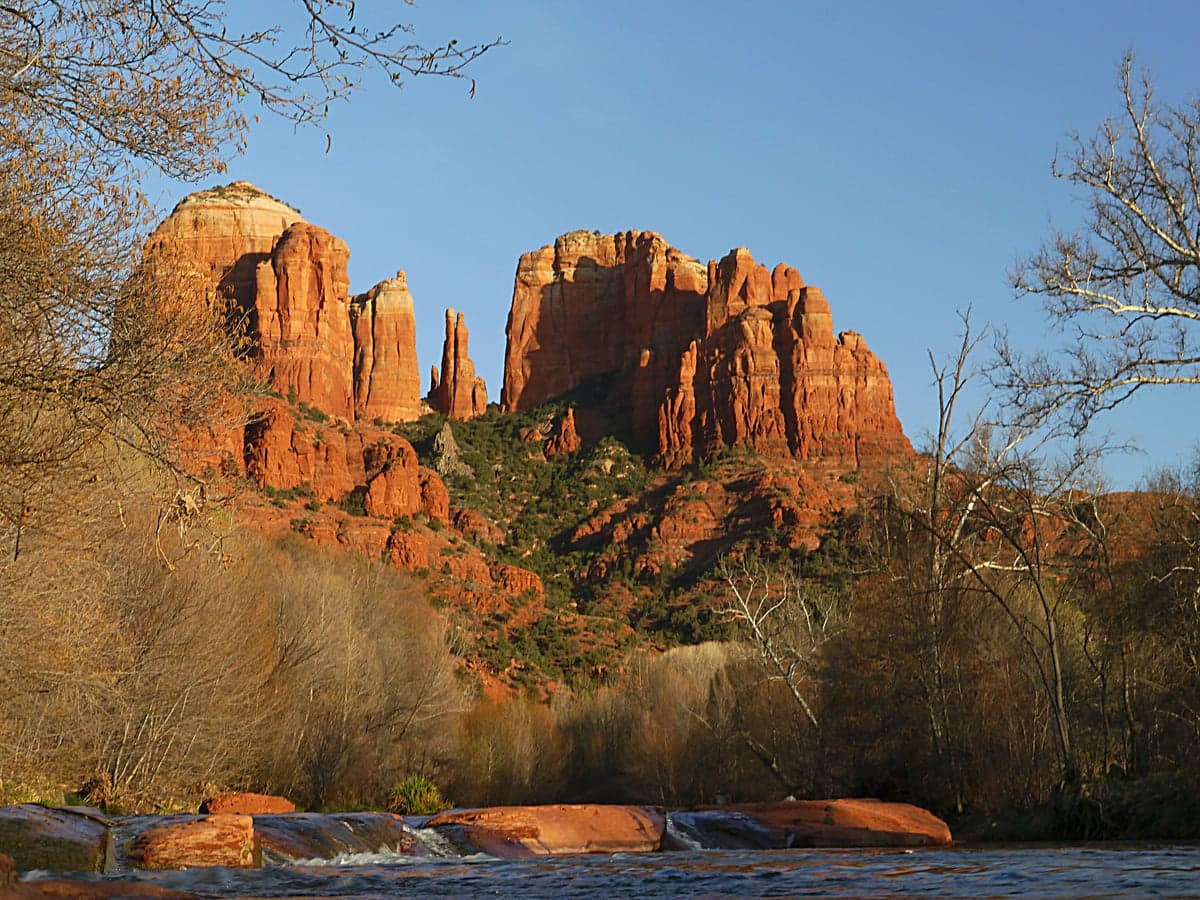
Photo: Wikipedia
Political ClimatePolitical Climate in Sedona, AZ
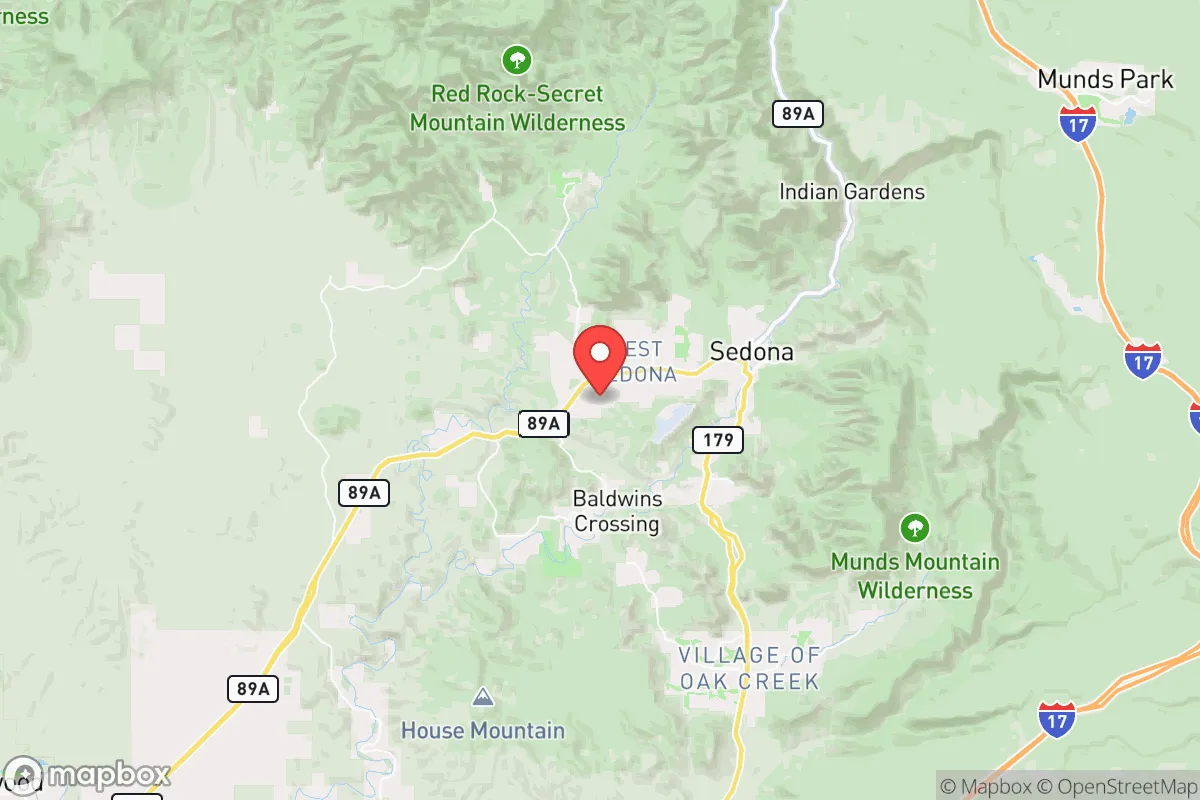
District shown is the primary district for this city’s centroid. Cities may span multiple districts.
Local Political AnalysisPolitical Analysis of Sedona, AZ
Sedona's political climate has long leaned conservative, with a Cook PVI of R+7, making it more Republican than the state of Arizona as a whole, which sits at EVEN. But I've seen things shifting over the years, and not always for the better. The influx of out-of-state money and tourism has brought some progressive ideas that feel out of step with what made this area great. It's still a red dot in a purple state, but you feel the pressure from the surrounding areas and newcomers who don't always respect our values.
How it compares
Compared to the rest of Arizona, Sedona is a conservative stronghold. The state's EVEN rating reflects a tight balance between parties, but here in Sedona, we've historically voted red by a solid margin. However, drive down to Cottonwood or up to Flagstaff, and you'll see a different story. Cottonwood is trending more liberal as it grows, while Flagstaff is outright progressive, with policies that often feel like government overreach into personal freedoms. On the other hand, Prescott and Camp Verde hold firm with traditional values, offering a contrast that reminds you what this region used to be. Sedona sits in the middle geographically, but with a conservative tilt that's worth protecting.
What this means for residents
For residents, this means we have to stay vigilant. Local government overreach is a real concern, especially with zoning laws and water regulations that can feel like they're infringing on property rights. The push for progressive policies, like stricter environmental rules or housing mandates, often comes from outside influences who don't understand our way of life. We need to keep our local elections focused on personal freedoms and limited government, because once those progressive ideas take hold, they're hard to roll back. I've seen it happen in other towns—they lose their character and saddle folks with red tape.
Culturally, Sedona is unique. We have the New Age tourism and spiritual scene, but the conservative backbone is still here among the long-time residents. Policy-wise, we've managed to hold off most progressive overreach so far, but it's a constant fight. If you value your rights and want to keep government out of your business, you'll feel at home here—just keep an eye on the local ballot measures and who's running for city council.

State Political ClimatePolitical Climate in Arizona
State Political AnalysisPolitical Environment in the State
Arizona is a true battleground state, with a Cook PVI of EVEN that reflects its razor-thin margins in recent presidential elections. After decades as a reliably voting Republican, the state has shifted leftward over the past 15 years—driven largely by explosive growth in Maricopa County’s suburbs and an influx of voters from California and other blue states. That said, the conservative base remains deep and organized, especially outside the major metro corridors, and the state still elects a Republican at the legislative level, and the fight for its political soul is far from over.
Urban vs. rural divide
The political map of Arizona is a study in contrasts. The Phoenix metro area—home to roughly two-thirds of the state’s population—is where elections are won and lost. Maricopa County itself was reliably red for decades, but by 2020 it flipped to Biden by about two points, powered by suburban voters in Scottsdale, ChandlerChandler, and Gilbert who have grown more moderate or left-leaning. Meanwhile, Tucson and Flagstaff are solidly Democratic strongholds, with Pima and Coconino counties providing a reliable blue base. The rest of the state is deeply conservative: Rural counties like Mohave (Lake Havasu City), Yavapai (Prescott), and (Prescott), and Cochise (Sierra Vista) vote Republican by 20–40 points. Yuma County, with its large Hispanic population, is a true swing area that often breaks Republican in statewide races. The urban-rural split is stark: drive an hour outside Phoenix and you’re in Trump country, but the fast-growing exurbs like Queen Creek and Buckeye are still reliably conservative—for now.
Policy environment
Arizona’s policy landscape is a mixed bag for conservatives. On the plus side, the state has a flat income tax rate of 2.5% (passed in 2021) is among the lowest in the nation, and there’s no state-level estate tax, and property taxes are capped by the state constitution. The Empowerment Scholarship Account (ESA) program is the nation’s most expansive school choice system, giving parents direct funding for private or homeschool expenses—a huge win for parental rights. The state is also right-to-work, with a strong business climate. However, there are troubling trends. In 2022, Governor Hobbs signed a repeal of the 1864 near-total abortion ban, and the state has expanded Medicaid under the Affordable Care Act. On election integrity, the 2020 audit in Maricopa County sparked national controversy, but subsequent legislation (like voter ID requirements for mail ballots) has been modest. The state also has a “red flag” law (SB 1062, 2022) that allows temporary gun confiscation without due process—a major concern for Second Amendment supporters.Trajectory & freedom
Is Arizona becoming more or less free? It depends on the issue. On gun rights, the state passed permitless carry in 2021 (HB 2568), a clear win. But the red flag law and a 2023 law banning firearms near polling places are steps in the wrong direction. On education, the ESA program expanded dramatically in 2022 to include all students, a massive victory for school choice. Parental rights were bolstered by a 2021 law prohibiting critical race theory in schools (HB 2498, 2021). On medical freedom, Arizona had some of the strictest COVID-19 lockdowns in the West, but no lasting mandates. Property rights remain strong, with no statewide rent control. The biggest threat to freedom is demographic: the steady influx of voters from California and other high-tax states, many of whom bring progressive voting habits. The state’s libertarian streak is real, but it’s being tested by growth.Civil unrest & political movementsArizona has been a flashpoint for political activism on both sides. The 2020 election integrity protests in Phoenix drew thousands, and the subsequent “audit” of Maricopa County ballots by the state’s election system. Border politics dominate in southern Arizona: Sierra Vista and Nogales are ground zero for immigration debates, with the Biden administration’s border policies fueling anger among conservatives. The “Build the Wall” movement remains strong, and the legacy of SB 1070 (2010) still shapes local politics. On the left, groups like LUCHA (Living United for Change in Arizona) push for driver’s licenses and expanded voting access. Election integrity remains a live issue: the 2022 midterms saw razor-thin margins in several races, and lawsuits over ballot drop boxes and signature verification continue. New residents will notice the political energy—yard signs, rallies, and constant campaign ads are the norm in swing counties.ProjectionProjectionOver the next 5–10 years, Arizona will likely remain a battleground, but the trend line is concerning for conservatives. The state is growing by about 1.5% annually, with most new residents settling in Maricopa County’s suburbs. While many are conservatives are moving from California, they are being outnumbered by moderate and left-leaning transplants. The rural base is shrinking as a share of the population. However, the Republican Party has shown resilience: the state legislature is still GOP-controlled, and the governor’s mansion flips back and forth. The key battlegrounds will be the suburban swing districts in Mesa, Gilbert, and Scottsdale. If the GOP can hold those areas, the state stays competitive. If not, Arizona could become a lean-blue state by 2032. The border crisis will keep immigration politics a major issue, and the fight over school choice and parental rights will intensify.For a conservative considering a move to Arizona, the bottom line is this: you can still find a strong community of like-minded people, low taxes, and a business-friendly environment—especially in the rural counties and exurbs. But you choose carefully. The state, choose your county carefully. Prescott, Lake Havasu City, and YumaQueen Creek offer a conservative lifestyle with good schools and outdoor amenities. But be prepared for political volatility: your vote will matter, and the culture wars are real. If you value freedom, get involved locally—because the future of Arizona is still being written, and it could go either way.
* Values derived from national, state, county, city and local statistics and may differ in a specific area. Last updated: 2026-05-14T18:03:46.000Z
Narrative content on this page is AI-generated and may contain mistakes. Verify any details that matter before acting on them.
ReloMaps may earn a commission from affiliate links at no extra cost to you.

