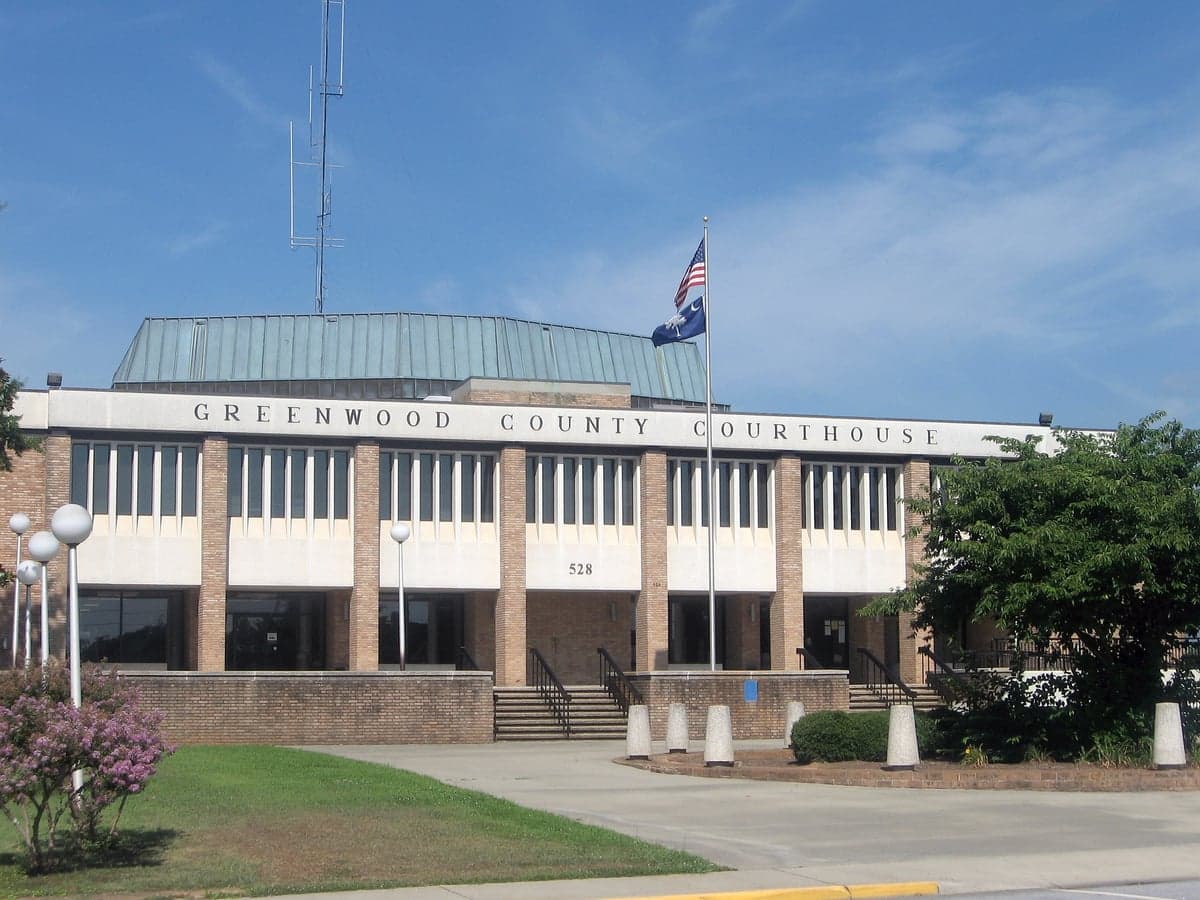
Photo: Wikipedia
Strategic Assessment of Greenwood County
Workable tactical position. Some exposure to population density or targets, but generally defensible in a crisis.
What does the Strategic Assessment tell us?
Our Strategic Assessment grades tactical survivability of an area. Major population centers, military targets, fallout zones, natural disasters, and border exposure all drive risk — lower exposure means a more defensible position in a crisis.
This is heavily inspired by Joel Skousen's Strategic Relocation book. Highly recommended you checkout the book ($)What does this tell us?
Our Strategic Assessment grades tactical survivability of an area. Major population centers, military targets, fallout zones, natural disasters, and border exposure all drive risk — lower exposure means a more defensible position in a crisis.
This is heavily inspired by Joel Skousen's Strategic Relocation book. Highly recommended you checkout the book ($)Strategic Pillars

Key Distances
Strategic Assessment Analysis
If you're looking for a strategic relocation spot that keeps you out of the major fallout zones while still giving you access to resources, Greenwood County, South Carolina deserves a hard look. This region sits in the upstate, far enough from the coastal hurricane kill zones, the Atlanta metro sprawl, and the I-85 corridor's density, but close enough to tap into regional infrastructure when needed. The area's resilience comes from its low population density, a substantial man-made water source in Lake Greenwood, and a local economy that still runs on manufacturing and agriculture — not just service-sector hype. For a prepper or survivalist with a conservative lens, Greenwood County offers a quiet base camp that isn't screaming for attention, which is exactly what you want in uncertain times.
Geographic position and natural advantages: why this corner of the upstate works
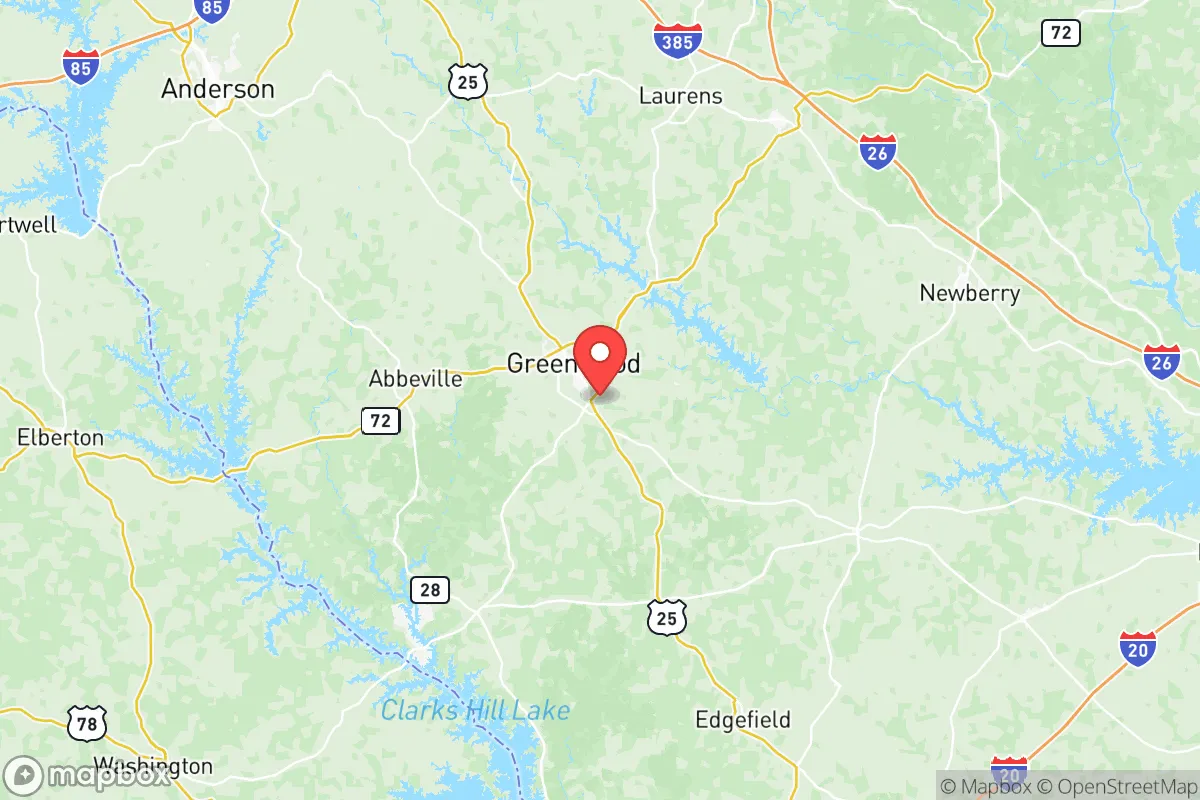
Greenwood County sits roughly halfway between Columbia and Greenville, but it isn't part of either metro's sprawl. The county seat, Greenwood city, houses about 23,000 people, and the entire county barely pushes past 70,000. That low density is a huge plus for anyone trying to avoid the chaos of urban collapse or mass casualty events. The terrain is rolling Piedmont hills — nothing dramatic, but enough to give you natural defensibility and good drainage. The real jewel here is Lake Greenwood, a 11,400-acre reservoir created by the Buzzard Roost Dam on the Saluda River. It supplies municipal water for the county and provides a reliable off-grid water source for anyone with lakefront access or a well-drilling plan. The lake also supports local fishing and small-scale irrigation. Climate-wise, you're looking at mild winters and hot summers, which means growing seasons are long enough to sustain serious gardening or small farms. The county sits north of the Savannah River Site fallout risk (more on that shortly) but far enough inland to avoid direct hurricane surge threats. The closest major port is Charleston, about 150 miles southeast — close enough for supply chain access, far enough to be out of the blast radius of a port-related event.
Risks, exposures, and fallout-relevant landmarks you need to know about
No area is a perfect bunker, and Greenwood County has real exposure points you have to plan around. The biggest one is Savannah River Site (SRS), a 310-square-mile Department of Energy nuclear reservation about 60 miles south as the crow flies. SRS historically produced weapons-grade plutonium and tritium, and it still houses nuclear waste storage and ongoing remediation. A release event — whether from a malfunction, a terrorist strike, or simply aging infrastructure — could send a plume up the Savannah River valley. Prevailing winds in the region generally flow from the southwest to northeast, which means Greenwood County sits in a potential downwind corridor if the wind shifts. That’s not a reason to write the area off, but it means you need a real water and air filtration plan, plus an underground shelter if you’re committed to staying long-term. Another exposure: Interstate 26 cuts through the northern part of the county, connecting Charleston to the mountains. That highway becomes an evacuation chokepoint and a potential vector for civil unrest spillover from Columbia or Greenville-Spartanburg. The rail lines through Greenwood are also active — CSX freight runs through town, carrying chemicals and manufactured goods. A derailment or hazmat event near the city core could cause localized evacuation. On the plus side, there are no major military bases directly in the county. Fort Jackson (Army basic training) is about 70 miles east in Columbia, and Shaw Air Force Base is further east near Sumter. Those are potential targets in a conflict scenario, but Greenwood’s distance puts it out of the immediate blast or fallout radius — unlike places closer to Charleston or the Savannah River coast.
Practical resilience for a relocator: food, water, energy, and defensibility
If you’re moving here to harden your position, the practicalities are manageable but not automatic. Water is the strongest asset. Lake Greenwood and the major creeks (Cuffytown Creek, Wilson Creek) give plenty of surface water if you know how to treat it. The county also sits atop the Coastal Plain aquifer system, so private wells are viable in most areas outside the floodplain — you’ll want a well-drilling plan before you commit to a property. Food relies on local agriculture. Greenwood County has a long history in cotton, soybeans, and peaches; Greenwood’s own “Peach Capital of South Carolina” moniker isn’t just branding. You’ll find small farms, U-pick operations, and a farmers market in the city. For long-term food security, look for acreage with established soil — the red clay needs amendment, but it can produce. Energy currently comes from Duke Energy’s grid, which is fed by natural gas, nuclear (Catawba and Oconee plants to the north), and some coal. The grid is stable in normal times but vulnerable to cascading failures during cyberattacks or EMP scenarios. Solar is a viable supplement; the region gets around 215 sunny days per year. Local permitting for off-grid solar is straightforward in rural areas. Defensibility is moderate. The rolling hills and scattered woodlots give you cover, but there are no natural chokepoints like mountains or rivers that strongly limit access. The county is crisscrossed by small roads, so a determined group could approach from multiple directions. That said, the low population density means fewer potential threats and less competition for resources. Your best bet is to pick a property off the main arteries, with a long driveway and a clear field of view. The nearby towns of Abbeville and McCormick are even smaller and offer similar terrain with even less infrastructure — worth scouting as alternatives if Greenwood city feels too dense.
The overall strategic picture: a balanced but not flawless retreat
Greenwood County offers what a serious relocator needs: a low-profile location with a reliable water source, agricultural potential, and enough distance from major metro chaos to buy you time. The trade-off is the Savannah River Site risk to the south, which you can mitigate with proper preparation but never eliminate entirely. For the conservative-minded prepper who wants a place that’s quiet, affordable (think median home prices well under $300k compared to Greenville or Charleston), and still connected to the regional supply chain, Greenwood County is a solid choice. It won’t be the first place people think to bug out to, and that anonymity may be its greatest strategic advantage. Do your own windshield survey of the lake area, the rail lines, and the wind patterns. If the numbers add up for your family, this corner of the upstate could serve as a working retreat for the long haul.

* Values derived from national, state, county, city and local statistics and may differ in a specific area. Last updated: 2026-05-21T00:56:40.000Z
Narrative content on this page is AI-generated and may contain mistakes. Verify any details that matter before acting on them.
ReloMaps may earn a commission from affiliate links at no extra cost to you.

