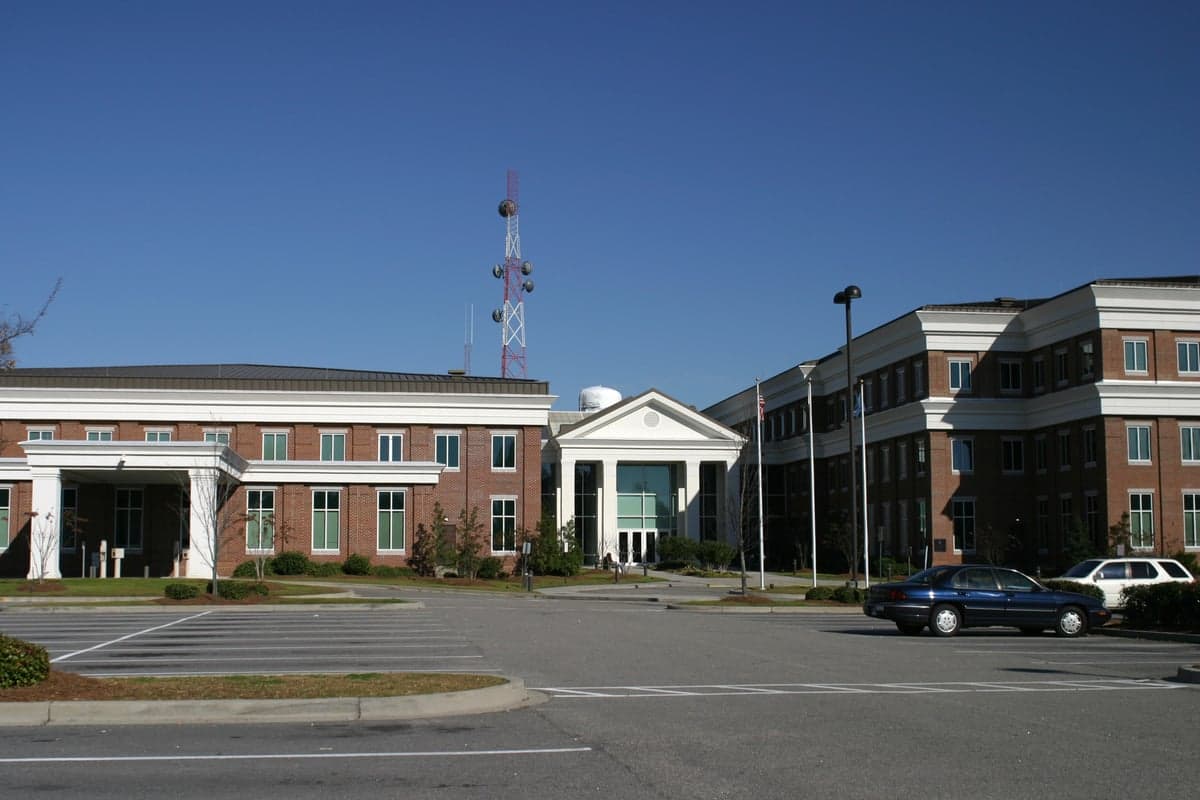
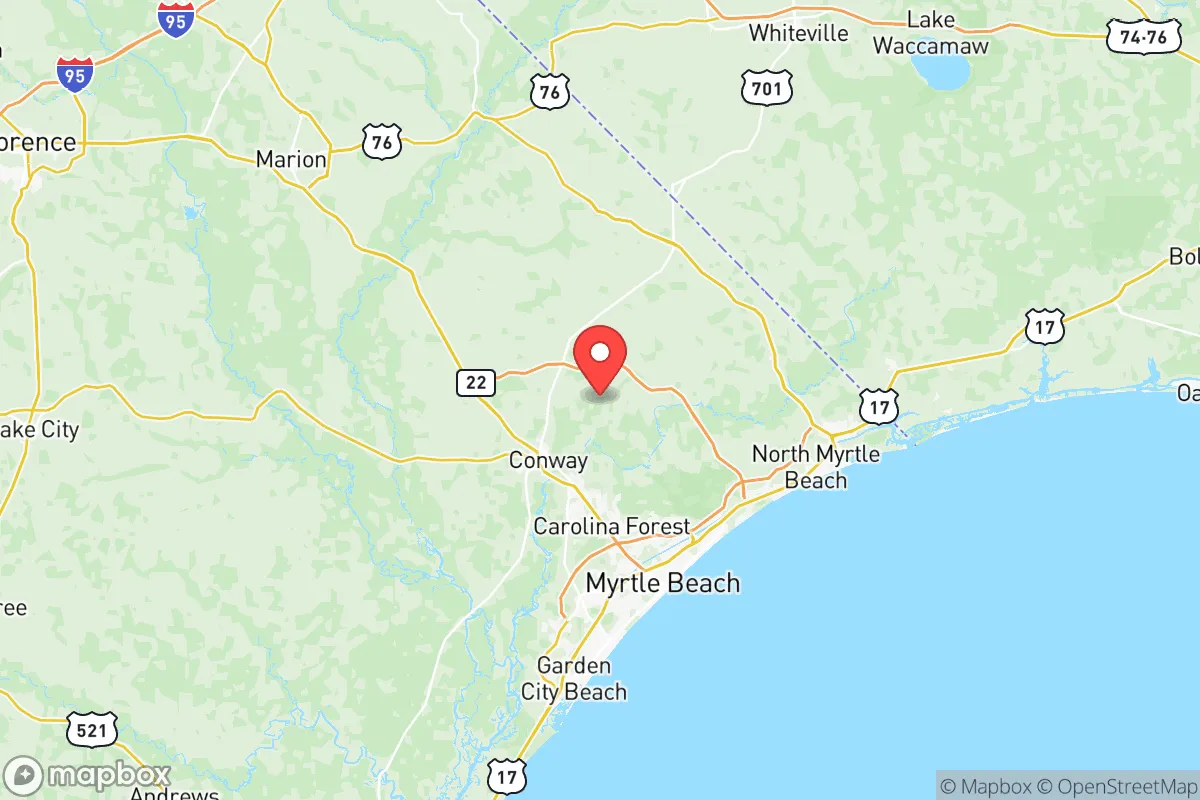
Photo: Wikipedia
Find The Best Places To Live in Horry County
PRO TIP! You can paste a Zillow or Redfin link to get info on that property.
Best Places to Live in Horry County
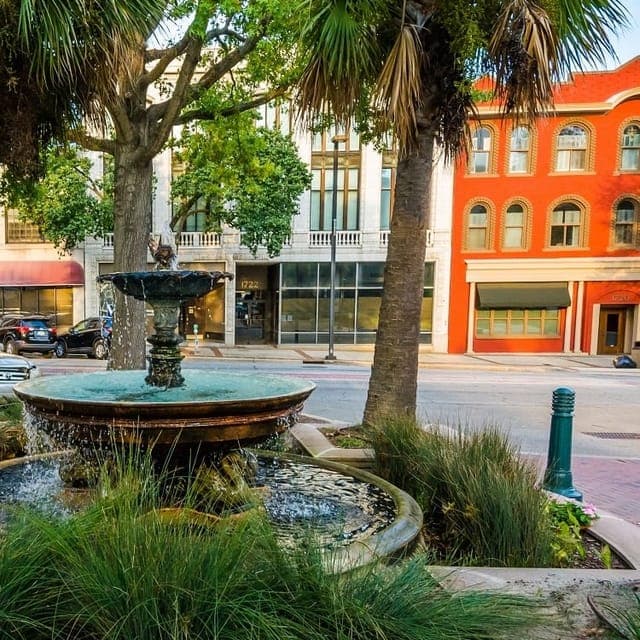
Cities & Towns in Horry County
Cities in Horry County
What It's Like Living in Horry County, SC
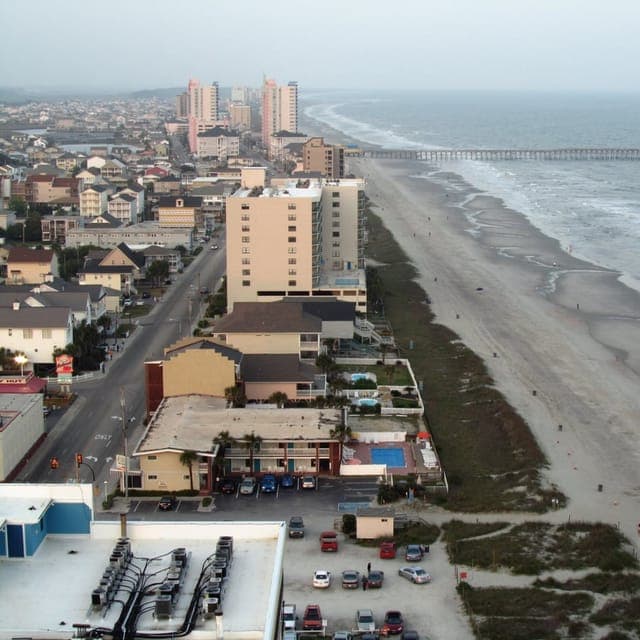
Living in Horry County, South Carolina, means trading a predictable nine-to-five for a life where weekends stretch long, traffic jams are seasonal, and the beach is never more than a half-hour drive away. This is a place that revolves around tourism, retirement, and a slower pace of life, but it’s not all ocean views and golf carts—the county’s 368,937 residents are spread across a mix of bustling tourist hubs like Myrtle Beach, quieter family towns like Conway, and rural pockets like Loris and Aynor. Whether you’re a single person looking for nightlife or a parent seeking good schools, the fit depends entirely on which part of the county you choose.
Daily Rhythm: From Conway’s Riverwalk to Myrtle Beach’s Tourist Strip
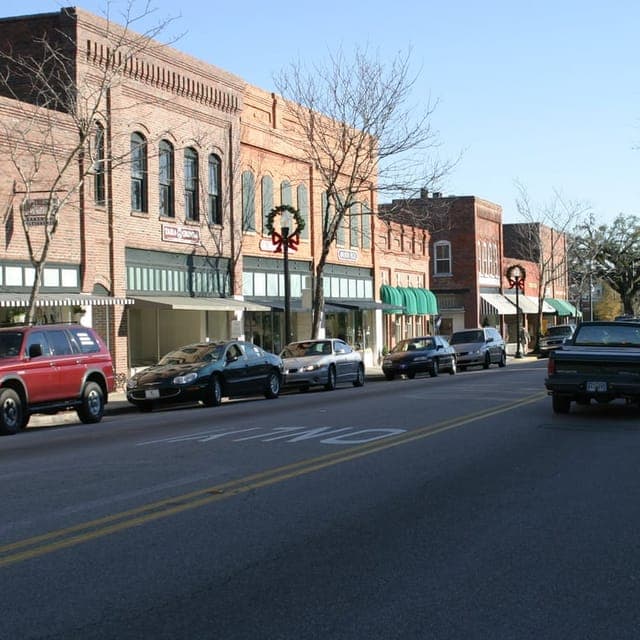
Daily life in Horry County is shaped by two distinct worlds. In Conway, the county seat, life moves at a small-town pace—people shop at the local Piggly Wiggly, grab coffee at The Trestle Bakery, and spend weekends walking the Riverwalk along the Waccamaw River. It’s a family-friendly area where the median age drops closer to the national average, and the local high school football games at Conway High draw real crowds. In contrast, Myrtle Beach is a year-round tourist engine. Singles and seasonal workers fill apartments near the ocean, and the main drag, Ocean Boulevard, is packed with souvenir shops, seafood buffets, and live music venues like the House of Blues. The median home value here is $260,500, which is affordable compared to coastal cities like Charleston, but the cost of living index sits at 98—slightly below the national average—making it a practical choice for retirees and remote workers alike.
For parents, the school system is a mixed bag. Horry County Schools is the third-largest district in the state, and schools like Carolina Forest High School and St. James High School are well-regarded, while rural schools in Loris and Aynor face more resource challenges. The average commute is a manageable 23 minutes, but that number jumps significantly during summer months when tourists clog Highway 17 and the Grand Strand. Locals learn to avoid the main beach roads from June to August, sticking to backroads like Highway 90 or the Conway Bypass.
Sports, Festivals, and the Local Identity
Sports culture here is less about pro teams and more about community gatherings. The Myrtle Beach Pelicans, a Class A affiliate of the Chicago Cubs, draw families for cheap baseball tickets and fireworks nights. High school football is a genuine event—rivalries between Conway, Carolina Forest, and Myrtle Beach High Schools pack bleachers on Friday nights. For college sports, Coastal Carolina University in Conway has a passionate following, especially for its baseball team, which won the College World Series in 2016. The Chanticleers’ football stadium, Brooks Stadium, is a Saturday destination for tailgating.
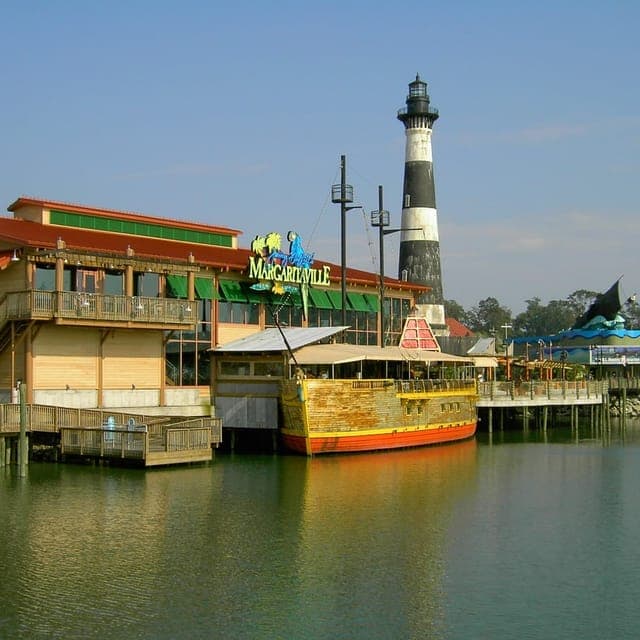
Entertainment runs the gamut from the kitschy to the cultural. The Carolina Opry and the Alabama Theatre offer variety shows that skew older, while Broadway at the Beach is a massive shopping and dining complex with attractions like the SkyWheel. For outdoor types, Huntington Beach State Park in Murrells Inlet offers pristine beaches and nature trails, and the Waccamaw National Wildlife Refuge is a quiet escape for birdwatching. The biggest annual event is the Myrtle Beach Bike Week, which brings hundreds of thousands of motorcyclists each May—locals either love the energy or dread the noise. A quieter tradition is the Conway Riverfest, a family-friendly arts and music festival held each fall.
Pros and Cons of Living Here
- Pros: Affordable housing compared to the national median, no state income tax on Social Security, and a low cost of living that attracts retirees and remote workers. The weather is mild year-round, with winters rarely dropping below freezing. There’s a strong sense of community in smaller towns like Loris and Aynor, where everyone knows each other and local diners like The Loris Café are social hubs.
- Cons: The violent crime rate is 372.5 per 100,000—higher than the national average, and concentrated in parts of Myrtle Beach and the tourist corridor. Traffic is a genuine headache from March through September, especially on Highway 17 and the Grissom Parkway. The median age of 48.2 reflects a heavy retiree population, which can make it harder for singles and young families to find their social niche. Only 26.6% of adults hold a college degree, so white-collar job opportunities are limited outside tourism and healthcare.
Seasonal rhythms dominate everything. Summer means crowds, higher prices, and a party atmosphere along the Grand Strand. Fall and spring are the sweet spots—fewer tourists, pleasant weather, and local events like the Loris Bog-Off (a chicken bog cooking competition) and the Aynor Harvest Hoedown. Winter is quiet, with many beachfront restaurants and shops closing or reducing hours, but it’s also when locals reclaim their beaches for peaceful walks and bonfires.
Who fits in here? Someone who values affordability and a relaxed pace over career ambition and urban energy. Singles might enjoy the nightlife in Myrtle Beach’s Broadway area, but they’ll find a more stable social scene in Conway or near Coastal Carolina University. Parents appreciate the low cost of living and the outdoor lifestyle—kayaking the Waccamaw, fishing off the Murrells Inlet Marsh Walk, and having a beach day without a plane ticket. The trade-off is a lack of cultural diversity, limited public transit, and a job market that leans heavily on hospitality and healthcare. For the right person, Horry County offers a life where the biggest decision is whether to hit the beach or the river on a Saturday afternoon.

* Values derived from national, state, county, city and local statistics and may differ in a specific area. Last updated: 2026-05-27T16:55:40.000Z
Narrative content on this page is AI-generated and may contain mistakes. Verify any details that matter before acting on them.
ReloMaps may earn a commission from affiliate links at no extra cost to you.

