 Popular
Photo: Wikipedia
Find The Best Places To Live
in Conway
PRO TIP! You can paste a Zillow or Redfin link to get info on that property.
What It's Like Living in Conway, SC
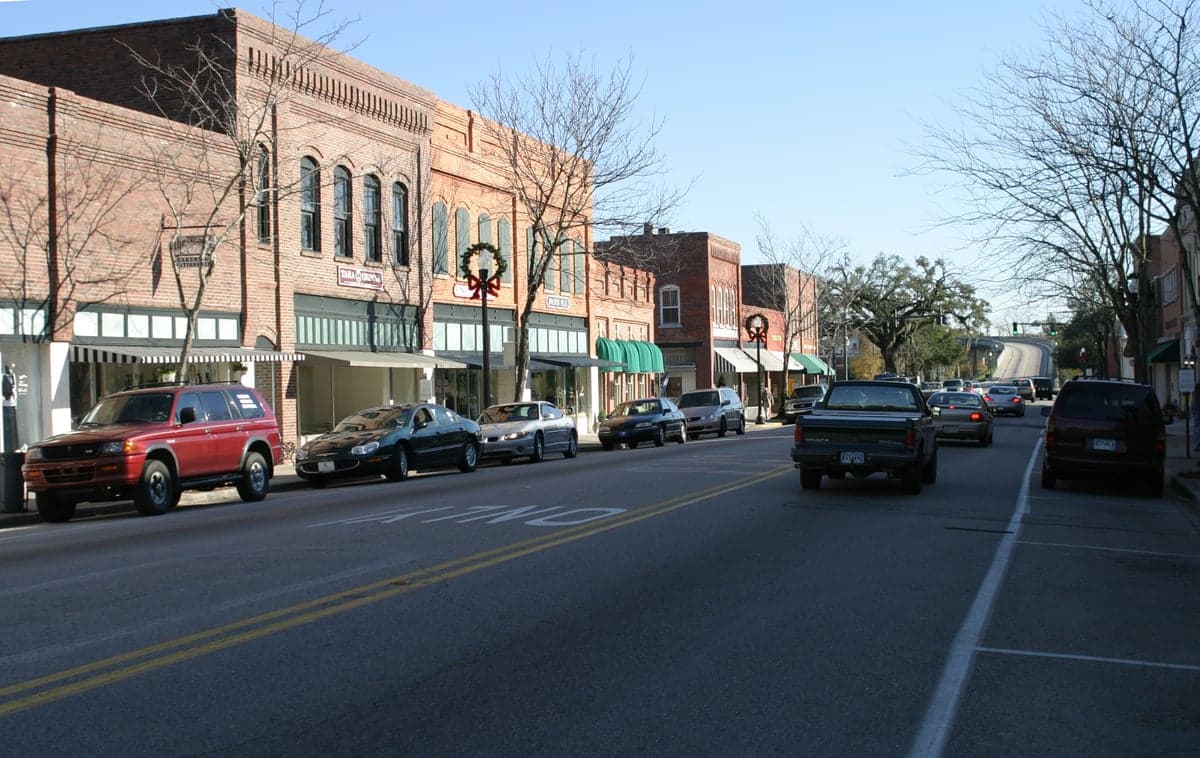
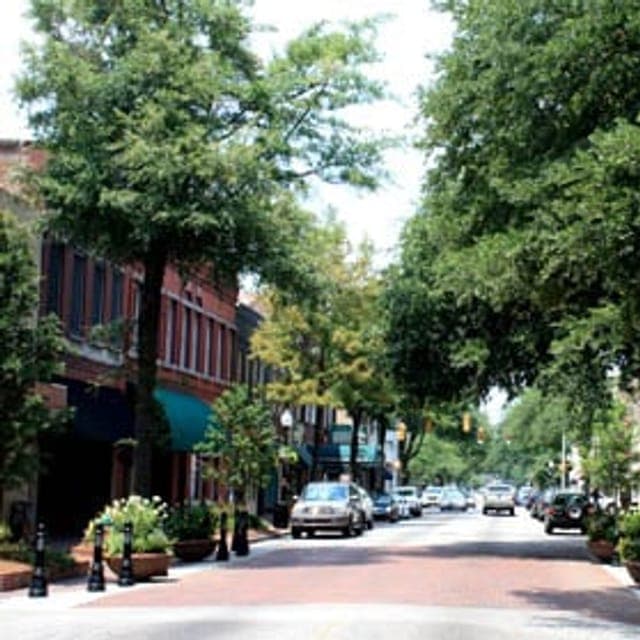
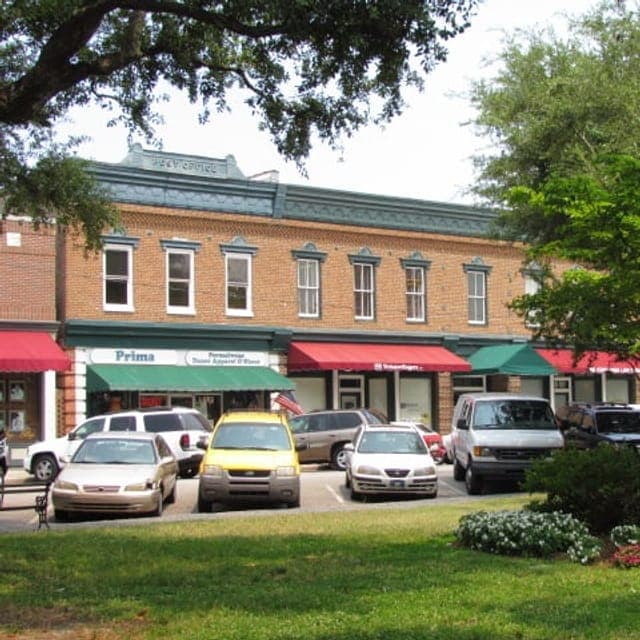
Conway, South Carolina, feels like the quieter, more grounded cousin of nearby Myrtle Beach—a place where the riverfront is the social anchor and high school football on a Friday night still draws a crowd. With just over 26,000 residents, it’s a small city that wears its history proudly, from the old courthouse square to the live oaks draped along Main Street. People here tend to know each other, or at least recognize a familiar face at the grocery store, and that sense of community is the first thing newcomers notice.
The Daily Rhythm: River Walks, Local Eats, and a Slower Pace
Life in Conway moves at a deliberate, unhurried pace. The Waccamaw River runs right through town, and the Riverwalk—a paved path that hugs the banks—is where you’ll find joggers, dog walkers, and families pushing strollers most afternoons. On weekends, the Riverfront Park hosts everything from farmers markets to outdoor concerts, and the adjacent downtown is walkable enough to hit a coffee shop, a boutique, and a lunch spot in one loop. Locals swear by Bovine’s Wood-Fired Pizza for a casual dinner and River City Cafe for burgers and a cold beer. The average commute here is about 22 minutes, which is manageable even if you work in Myrtle Beach or at one of the area’s larger employers like Conway Medical Center or Horry County Schools. Traffic on Highway 501 can back up during tourist season, but it’s nothing compared to the gridlock closer to the coast.
Sports, Community, and What People Actually Do for Fun
High school sports are a genuine pillar of Conway life. Conway High School football games on fall Fridays are the closest thing the town has to a weekly civic event—the stands are packed, the band plays, and it’s where you’ll see everyone from retirees to young families. There’s no major pro team in Conway itself, but Coastal Carolina University in nearby Conway is a Division I school with a passionate following, especially for baseball and football. The Chanticleers’ baseball program has a national reputation, and catching a game at Springs Brooks Stadium is a low-cost, high-energy evening out. For outdoor recreation, the Lewis Ocean Bay Heritage Preserve offers hiking and wildlife spotting, and the river itself is popular for kayaking, paddleboarding, and fishing. The biggest annual event is the Riverfest in the spring, which brings live music, food vendors, and a fireworks show to the riverfront—it’s the kind of festival where you run into half the town.
Who Fits In Here—and Who Might Struggle
Conway tends to attract people who want the beach within a 20-minute drive but prefer a quieter, more rooted home base. The median age is 34.3, and the median household income sits at $54,841, which aligns with the cost of living index of 79—well below the national average. That means a median home value of $236,300 is actually attainable for many single earners and young families, especially compared to pricier coastal towns. The college-educated population is lower at 19.1%, reflecting a workforce heavy on trades, healthcare, and service industries. The kind of person who thrives here values familiarity over novelty—they’re fine with the same three or four go-to restaurants and a social calendar built around church, kids’ sports, or river days. If you’re looking for a vibrant nightlife scene or a fast-paced urban environment, Conway will feel too small. But if you want a place where your neighbors wave and the pace lets you breathe, it works.
Honest Pros and Cons of Living in Conway
- Pro: Genuinely affordable living. The cost of living is 21% below the national average, and housing is a major draw. A $236,300 median home value gets you a solid single-family home with a yard, something that’s out of reach in many parts of the country.
- Pro: Strong sense of community. From the Riverwalk to the high school games, there are built-in ways to connect. People look out for each other, and it’s easy to feel like you belong.
- Con: Limited job diversity. The economy leans heavily on healthcare, education, and tourism-adjacent work. Higher-paying professional jobs are scarce, and many residents commute to Myrtle Beach or Charleston for work.
- Con: Crime is a real concern. The violent crime rate is 323.6 per 100,000, which is above the national average. Property crime, especially in certain neighborhoods, is something residents talk about. It’s not a dangerous town overall, but it’s not a bubble either—lock your car doors and stay aware.
- Pro: Weather that rewards outdoor living. Mild winters and long summers mean the Riverwalk, the parks, and the river are usable most of the year. Humidity is high from June through September, but that’s the trade-off for beach access.
- Con: Tourist season changes the rhythm. From May to August, Highway 501 gets crowded with beach traffic, and some local spots feel overrun. Locals learn to plan errands around the tourist flow.
Cultural Quirks and Practical Realities
One thing that surprises newcomers is how much the town’s identity is tied to the river and the old downtown. There’s a local pride in Conway being the “historic” side of the Grand Strand—it’s not a strip-mall sprawl like parts of Myrtle Beach. The Horry County Museum and the L.W. Paul Living History Farm give a sense of the agricultural and pre-tourism roots that still shape the culture. Schools are a major community hub; Horry County Schools are the largest employer in the area, and school events double as social gatherings. Summers are hot and humid, with temperatures often in the 90s, and afternoon thunderstorms are a near-daily occurrence in July and August. Winters are mild—think 40s and 50s—but the town does shut down if there’s even a dusting of snow. Traffic is manageable outside of tourist season, but the 22-minute average commute can stretch to 35-40 minutes during summer weekends if you’re heading toward the beach. For the right person—someone who values affordability, community, and a slower rhythm—Conway offers a solid, unflashy quality of life.

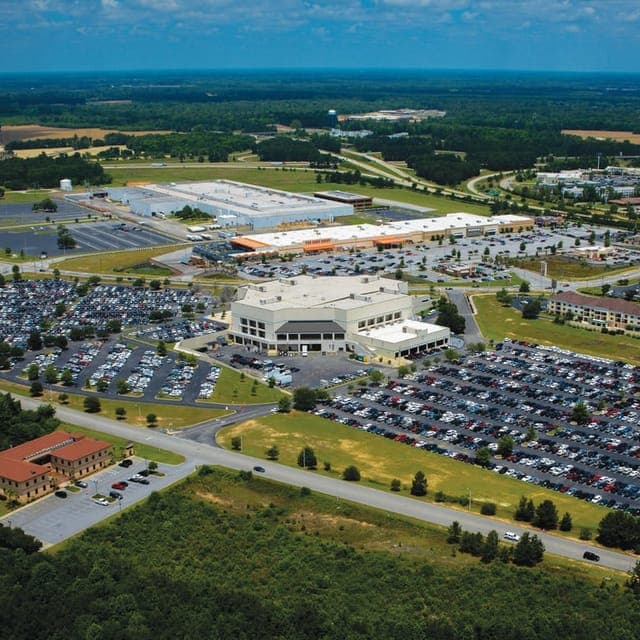
Similar towns to Conway

* Values derived from national, state, county, city and local statistics and may differ in a specific area. Last updated: 2026-04-30T02:27:01.000Z
Narrative content on this page is AI-generated and may contain mistakes. Verify any details that matter before acting on them.
ReloMaps may earn a commission from affiliate links at no extra cost to you.

