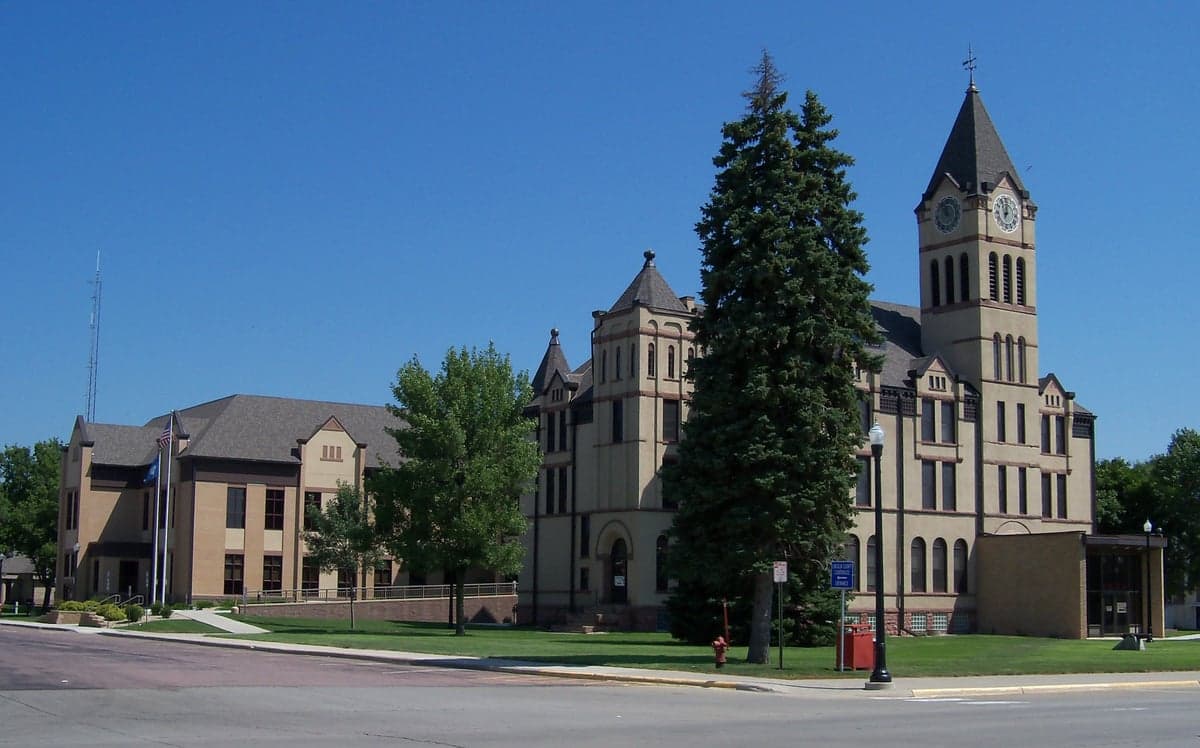
Photo: Wikipedia
Quality of Life in Lincoln County
A livable area that tracks near national norms for affordability, walkability, and neighborhood health.
What does Quality of Life tell us?
Quality of Life measures an area by evaluating factors like cost of living, nearby amenities, country club access, airport proximity, socioeconomic signals and neighborhood character. For large states, this is a general average — quality of life can vary dramatically between metro areas, suburbs, and rural communities within the same state.
What does this tell us?
Quality of Life measures an area by evaluating factors like cost of living, nearby amenities, country club access, airport proximity, socioeconomic signals and neighborhood character. For large states, this is a general average — quality of life can vary dramatically between metro areas, suburbs, and rural communities within the same state.
Cost of Living
10% above national average
105%
The Real Cost of Living in Lincoln County for 2026
| Tier | Individual | Family (4) |
|---|---|---|
| Survival | $20k | $37k |
| Comfortable | $63k | $92k |
| Luxury | $174k+ | $270k+ |
| Elite (Top 5%) | $206k+ | $320k+ |
Quality-of-Life Analysis
Lincoln County, South Dakota, offers a quality-of-life spectrum that ranges from the suburban expansion of Sioux Falls’ southern edge to quiet, unincorporated farming hamlets, drawing everyone from young families seeking new construction to retirees valuing low taxes and open space. The county’s cost of living index sits at 110 (10% above the national average), driven largely by a median home value of $323,500 and a median rent of $1,237, yet the average commute of just 19 minutes keeps daily life efficient across this 578-square-mile area. Whether you prioritize walkable downtowns, acreage for horses, or a 10-minute drive to a major metro, the county’s distinct zones deliver markedly different experiences.
Largest town(s) & population centers
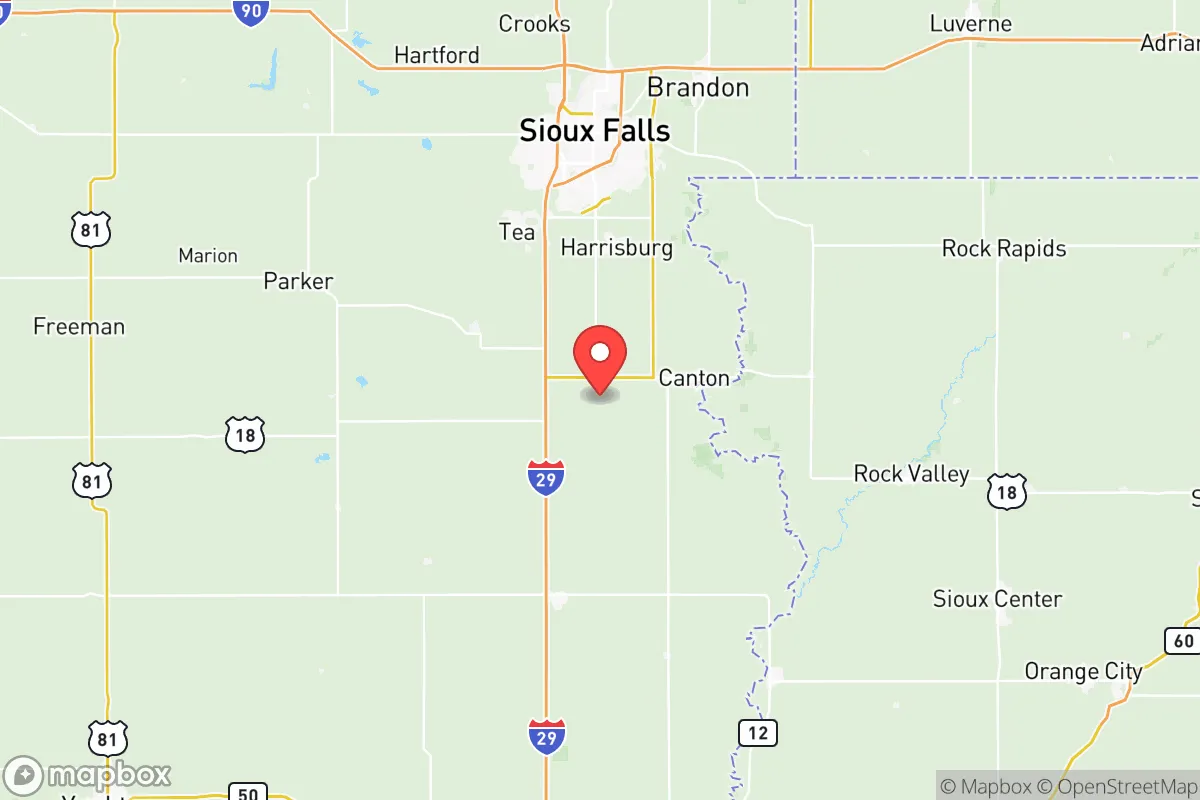
Canton, the county seat with roughly 3,500 residents, anchors the eastern side with a historic Main Street, the Big Sioux River greenway, and a strong sense of community anchored by the annual Canton Days festival. Daily life here centers on local schools (Canton High School’s 3A athletics), the Sanford Canton-Inwood Medical Center clinic, and easy access to Interstate 29 for a 20-minute commute to Sioux Falls. Tea, the fastest-growing town in the county (population ~6,000), represents the suburban end of the spectrum: new subdivisions, the Tea Area School District’s modern campus, and a 15-minute drive to Sioux Falls’ retail and employment hubs. Harrisburg (population ~7,000) mirrors Tea’s growth but with a slightly more established feel, featuring the Harrisburg School District’s highly rated K-12 system and the Harrisburg Commons shopping center. Lennox (population ~2,300) offers a quieter, more traditional small-town rhythm with a grain elevator skyline, the Lennox School District, and a 25-minute commute to Sioux Falls. These four towns collectively house over 70% of the county’s population and provide the bulk of retail, dining, and medical services.
Smaller towns & rural pockets
Beyond the population centers, Lincoln County’s smaller communities offer a slower pace and lower land costs. Worthing (population ~900) sits along the Big Sioux River and feels like a rural crossroads, with a single gas station, a volunteer fire department, and homes on 1–5 acre lots. Fairview (population ~80) is an unincorporated hamlet near the Iowa border, consisting of a handful of houses, a church, and farmland stretching to the horizon. Hudson (population ~300) lies in the county’s far southeast corner, offering a post office, a grain elevator, and a 30-minute drive to either Sioux Falls or Sioux City, Iowa. Inwood (population ~200) is a compact farming community with a small park and a strong Lutheran church presence. The rural pockets between these towns—particularly along 280th and 281st Streets—feature century farms, hobby acreages, and occasional new construction on 10–40 acre parcels, appealing to those who want space without being completely isolated.
Cost & lifestyle range
The cost spread across Lincoln County is significant. At the high end, Tea and Harrisburg command median home values above $375,000 for new construction in subdivisions like Tea’s Prairie Hills or Harrisburg’s Autumn Ridge, with monthly rents often exceeding $1,400 for a three-bedroom. These areas offer the shortest commutes (12–15 minutes to downtown Sioux Falls), the newest schools, and the most amenities—grocery stores, fast-casual dining, and daycare centers within walking distance of subdivisions. At the low end, Worthing and Hudson see median home values closer to $250,000–$280,000, with rents around $900–$1,000 for older homes or duplexes. The trade-off is a 25–35 minute commute to Sioux Falls and fewer local services—residents in Hudson drive 15 minutes to Canton for groceries. Rural acreages fall in between: a 5-acre parcel with a 1980s ranch home near Fairview might list for $310,000, while a similar property near Tea would exceed $400,000. Property taxes remain low countywide (roughly 1.1% of assessed value), but homeowners in Tea and Harrisburg pay more in absolute terms due to higher valuations.
Families seeking top-rated schools and short commutes thrive in Tea or Harrisburg, while retirees and remote workers who value space and lower housing costs gravitate toward Worthing, Hudson, or the rural acreages around Fairview. The county’s 19-minute average commute means even the most rural residents can reach Sioux Falls’ employment base within half an hour, making Lincoln County a practical choice for those who want the benefits of a small town or farmstead without sacrificing metro access.

Crime in Lincoln County
Generally safer than 61% of comparable U.S. locations.
Violent CrimeViolent Crime Analysis
Property CrimeProperty Crime Analysis
Crime Analysis
Lincoln County, South Dakota, is one of the safest large counties in the state, with violent and property crime rates that fall well below national averages. The county’s overall violent crime rate of 293.3 per 100,000 residents is roughly 20% lower than the U.S. average, while its property crime rate of 1,280.6 per 100,000 is about 30% lower. This safety profile is driven largely by the county’s suburban and rural character, its proximity to Sioux Falls, and a conservative local justice system that prioritizes public safety over progressive leniency.
Crime in context
Lincoln County’s violent crime rate of 293.3 per 100,000 is significantly lower than South Dakota’s statewide rate of 410 per 100,000 and the national rate of 380 per 100,000. Property crime in the county (1,280.6 per 100,000) also undercuts both the state (1,850) and national (1,950) figures. The contrast is especially sharp when compared to Minnehaha County (Sioux Falls), where violent crime exceeds 500 per 100,000 and property crime tops 2,200 per 100,000. Lincoln County benefits from a district attorney’s office that takes a firm stance on prosecution, avoiding the soft-on-crime policies seen in some urban jurisdictions. The county’s Second Judicial Circuit, which covers Lincoln, Minnehaha, and Turner counties, has a reputation for balanced sentencing that does not prioritize offender rehabilitation over victim justice.
What residents experience
Residents in Lincoln County’s largest towns—Tea, Harrisburg, Canton, and Lennox—report feeling safe walking at night and leaving doors unlocked in many neighborhoods. The most common crimes are property-related: vehicle break-ins, shed burglaries, and occasional package thefts, particularly in newer subdivisions near Interstate 29. Violent crime is rare and typically isolated to domestic incidents or disputes among known individuals, not random attacks. The town of Beresford, in the southern part of the county, has a notably low crime rate, with fewer than 10 violent incidents reported annually. Canton, the county seat, maintains a visible sheriff’s presence and a community policing model that keeps residents engaged with law enforcement. The county’s sheriff’s department is proactive, running regular drug-interdiction patrols on I-29 and coordinating with the Sioux Falls Metro Drug Task Force to prevent the spread of methamphetamine and fentanyl from the larger metro area.
Neighborhood-level variation is modest but worth noting. The unincorporated areas around Shindler and Fairview see virtually no crime, while the more densely populated subdivisions in Tea and Harrisburg experience occasional property crime spikes during summer months. The county’s prosecutorial philosophy is a key differentiator: unlike progressive prosecutors in some urban counties who deprioritize low-level offenses, Lincoln County’s DA pursues charges for theft, vandalism, and drug possession consistently. This approach keeps recidivism low and ensures that repeat offenders face meaningful consequences. For families and retirees considering relocation, Lincoln County offers a safety profile that is among the best in the region, with the added reassurance that local law enforcement and courts are aligned with community values rather than ideological experiments in criminal justice reform.
* Values derived from national, state, county, city and local statistics and may differ in a specific area. Last updated: 2026-05-12T11:00:47.000Z
Narrative content on this page is AI-generated and may contain mistakes. Verify any details that matter before acting on them.
ReloMaps may earn a commission from affiliate links at no extra cost to you.

