Photo: Wikipedia
Find The Best Places To Live
in Decatur
PRO TIP! You can paste a Zillow or Redfin link to get info on that property.
What It's Like Living in Decatur, IL
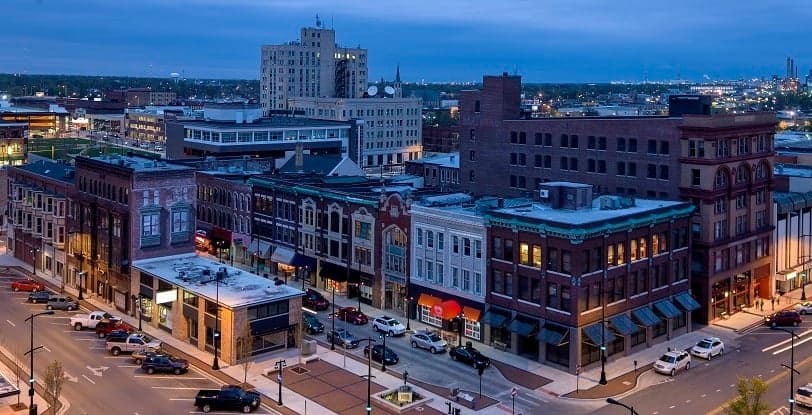
Decatur, Illinois, is one of those places that feels like it’s perpetually on the verge of a comeback, but in a way that’s more stubborn than sad. It’s a blue-collar town with a Midwestern work ethic, a surprisingly strong sense of community, and a cost of living so low it makes you wonder why everyone doesn’t move here. You’ll find people who’ve lived here their whole lives, three generations deep, alongside folks who moved for a job at ADM or Caterpillar and just never left. It’s not flashy, it’s not trendy, but for the right person—someone who values affordability, space, and a slower pace—Decatur can feel like a secret.
The Daily Rhythm: What People Actually Do
Life in Decatur moves at a pace that matches the flat, open landscape. The average commute is just over 17 minutes, which means you can live on the outskirts of town and still be at your desk in the time it takes to finish a podcast. Most people work in manufacturing, healthcare, or the massive agribusiness sector anchored by Archer Daniels Midland (ADM), which employs thousands. You’ll see a lot of pickup trucks in parking lots, a lot of Carhartt jackets, and a lot of folks who punch a clock and then head home to their families. Weekends are for yard work, fishing at Lake Decatur, or grabbing a burger at Beer Nuts (yes, the original Beer Nuts factory is here, and the snack bar is a local institution). Shopping is practical—you’ve got a decent Walmart, a Meijer, and a few local hardware stores. For anything fancy, people drive 45 minutes to Champaign or an hour to Springfield.
Sports, Community, and the Local Identity
If you want to understand Decatur, look at its sports. High school football is a big deal—Mount Zion and Decatur MacArthur games can draw crowds that rival small colleges. There’s no pro team in town, but the Decatur Flames (a semi-pro basketball team) and the Decatur Commodores (a collegiate summer baseball team) give locals something to cheer for without the price tag. The real energy, though, is in the community traditions. The Decatur Celebration is a three-day street festival every August that shuts down downtown for live music, carnival rides, and enough corn dogs to feed an army. It’s not Coachella—it’s a block party with a Ferris wheel, and people love it. The Farmers Market on Saturdays is another anchor, where you’ll find local honey, fresh produce, and the kind of small talk that makes you feel like you belong.
What’s There to Do (and What’s Missing)
Honestly, Decatur isn’t a destination city. You won’t find a thriving nightlife scene or a Michelin-starred restaurant. What you will find is Scovill Zoo, a small but well-kept zoo that’s perfect for a family afternoon, and Rock Springs Conservation Area, which has miles of hiking trails through woods and prairie that feel a world away from the grain elevators. The Decatur Public Library is surprisingly good, and the Kirkland Fine Arts Center at Millikin University brings in touring acts and local theater. For bars, Brophy’s Tavern is the classic dive—cheap beer, good burgers, and a jukebox that hasn’t been updated since 2005. Fork & Fennel is the closest thing to upscale dining, and it’s genuinely good, but it’s the exception, not the rule. The biggest complaint you’ll hear from locals is that there’s not enough to do for young singles or teenagers—the mall is half-empty, and the movie theater is fine but nothing special. If you want concerts, shopping, or dating scenes, you’re driving to Champaign or Bloomington-Normal.
Pros and Cons of Living Here
The pros are real and tangible. Cost of living index is 55—half the national average. The median home value is $97,300, which means a family can buy a three-bedroom house with a yard for what a studio apartment costs in Chicago. The median income is $50,809, and that goes a long way here. You can actually save money, own a home, and not live paycheck to paycheck. The schools—especially Mount Zion and Maroa-Forsyth—are solid, and the community rallies around them. The cons are equally real. The violent crime rate is 671.3 per 100,000, which is high for a town this size, and it’s concentrated in certain neighborhoods—most people know where to avoid. The job market is narrow; if you’re not in ag, manufacturing, or healthcare, you’ll struggle. And the weather is classic Illinois: humid summers, gray winters, and a lot of days where the sky looks like it’s made of concrete. Only 21.3% of adults have a college degree, which reflects the blue-collar nature of the economy—that’s a pro or a con depending on who you are.
The kind of person who fits in Decatur is someone who values stability over excitement, who doesn’t need a new restaurant every week, and who wants to own a home and raise kids without drowning in debt. It’s a place for people who are handy, who don’t mind driving 20 minutes for a good grocery store, and who find satisfaction in a well-kept lawn or a weekend fishing trip. The median age is 39.9, which tells you it’s not a town of young professionals—it’s a town of families and retirees. If you’re a single person in your 20s, you might feel restless. If you’re a parent who wants a safe, affordable place to let your kids ride bikes, you’ll probably love it. Decatur isn’t trying to be anything other than what it is: a quiet, affordable, hardworking Midwestern town. And for the people who call it home, that’s exactly enough.

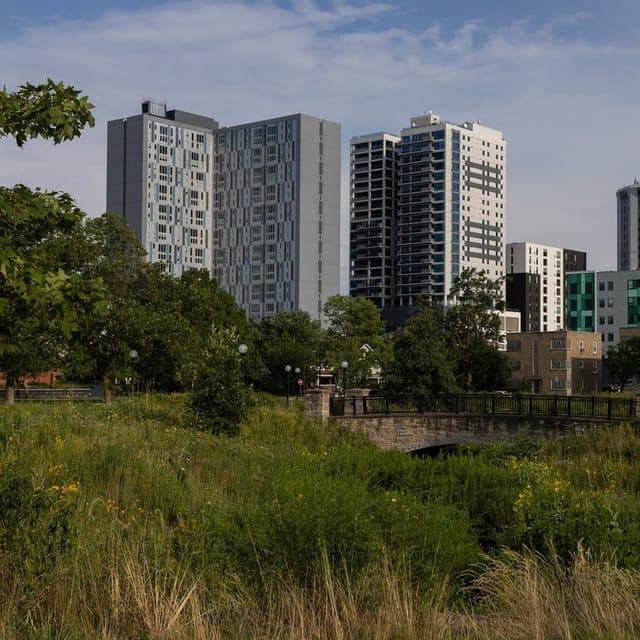
Similar small cities to Decatur
* Values derived from national, state, county, city and local statistics and may differ in a specific area. Last updated: 2026-04-23T11:04:36.000Z
Narrative content on this page is AI-generated and may contain mistakes. Verify any details that matter before acting on them.
ReloMaps may earn a commission from affiliate links at no extra cost to you.

