Photo: Wikipedia
Find The Best Places To Live
in New Bedford
PRO TIP! You can paste a Zillow or Redfin link to get info on that property.
What It's Like Living in New Bedford, MA
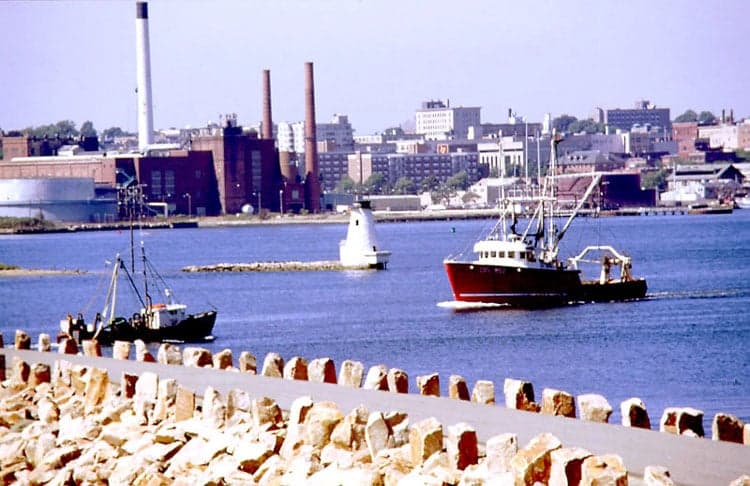
New Bedford has a way of getting under your skin. It’s a working port city with a salty, no-nonsense attitude, where the smell of the harbor mixes with the sound of Portuguese fado music drifting from a corner café. People here are proud of their fishing heritage, but they’re also quick to tell you the city has its rough edges—and that’s part of the charm. If you’re looking for a place that feels real, with a strong sense of identity and a slower, more grounded pace than Boston, this might be it.
Daily Rhythm: What Life Actually Looks Like
Most mornings start early. The fishing fleet heads out before dawn, and by 7 a.m., the docks along the working waterfront are already buzzing. For residents, the day often begins with coffee from Brew Coffee & Donut Bar on Union Street or a pastel de nata from a Portuguese bakery like Silva’s. Commutes are short—the average is just over 25 minutes—so you’re not burning an hour of your life in traffic. People shop at the New Bedford Farmers Market on Saturdays (year-round, indoors in winter) or hit the Stop & Shop on Dartmouth Street for the basics. Weekends often mean a walk at Fort Taber Park, a trip to the New Bedford Whaling Museum (it’s world-class, seriously), or a drive out to the Elizabeth Islands for a beach day. The pace is unhurried, but not sleepy—there’s always something happening at the waterfront or in the historic district.
Who Fits In Here
New Bedford tends to attract people who value authenticity over polish. The median age is 37, and the median household income is about $56,000—so it’s not a wealthy enclave, but it’s affordable for singles and young families. You’ll find a mix of fishermen, artists, nurses, and remote workers who chose the city for its low home prices (median home value is $324,400) and coastal location. It’s a good fit if you’re handy, don’t mind a little grit, and prefer a neighborhood where people know each other’s names. Parents appreciate that the public schools are deeply woven into community life—Friday night football at Dartmouth High or New Bedford High is a genuine social event, and the Whalers hockey team draws real crowds. That said, only about 17% of adults hold a college degree, so if you’re looking for a highly educated, professional-class atmosphere, you might feel out of place.
Sports, Festivals, and Things to Do
Sports here are more about local pride than pro teams. High school football and hockey are big—the New Bedford Whalers have a loyal following, and the rivalry with Dartmouth High is genuine. For pro sports, most people drive an hour north to Boston for the Red Sox, Patriots, or Bruins. But the real entertainment is the city’s festival calendar. The Feast of the Blessed Sacrament (aka “Madeira Feast”) in August is a massive Portuguese street festival with grilled sardines, live music, and enough wine to float a boat. The New Bedford Folk Festival in July fills the historic district with acoustic acts and craft vendors. For nightlife, The Pour Farm Tavern on Union Street is a reliable spot for craft beer and live music, while Cork Wine Bar offers a quieter, more refined evening. Outdoor lovers hit the Buzzards Bay coastline for kayaking, or the Acushnet River for fishing. The Buttonwood Park Zoo is a small but charming outing for families.
Pros and Cons of Living Here
- What residents love: The cost of living is reasonable (index of 102, right at the national average), and the housing market is still accessible compared to the rest of coastal Massachusetts. The food scene is underrated—Portuguese, Brazilian, and seafood are all excellent. The sense of history is tangible, and the working waterfront gives the city an identity you won’t find in a suburb. The commute to Providence (about 30 minutes) or Boston (about an hour) is doable for a hybrid schedule.
- What frustrates them: The violent crime rate is 235.8 per 100,000—higher than the national average, and it’s concentrated in certain neighborhoods. The city has struggled with opioid addiction and property crime, though things have improved in the last five years. Winters are gray and damp, with nor’easters that can shut things down. The public school system gets mixed reviews; many families opt for private or charter options if they can afford it. And if you’re used to a 24-hour city, New Bedford’s downtown can feel quiet after 9 p.m. on a weeknight.
Cultural Quirks and Local Identity
New Bedford wears its Portuguese and Cape Verdean heritage on its sleeve. You’ll hear Portuguese spoken on the street, see the flag flying from porches, and find linguica and chourico in every grocery store. The city’s motto is “The Whaling City,” and it leans into that history hard—the New Bedford Whaling National Historical Park is a major draw. One quirk: locals are fiercely protective of their accent. They say “cah” for car and “pahk” for park, just like Boston, but with a slightly softer edge. And don’t call it “New Bedford” with a hard “ford”—it’s “New Bedfid” to anyone who grew up here. The seasonal rhythm is real: summer brings tourists and the Feast, fall is for football and foliage, winter is quiet and introspective, and spring is a slow thaw. It’s a city that rewards patience and curiosity, and it’s not for everyone—but for the right person, it feels like home.

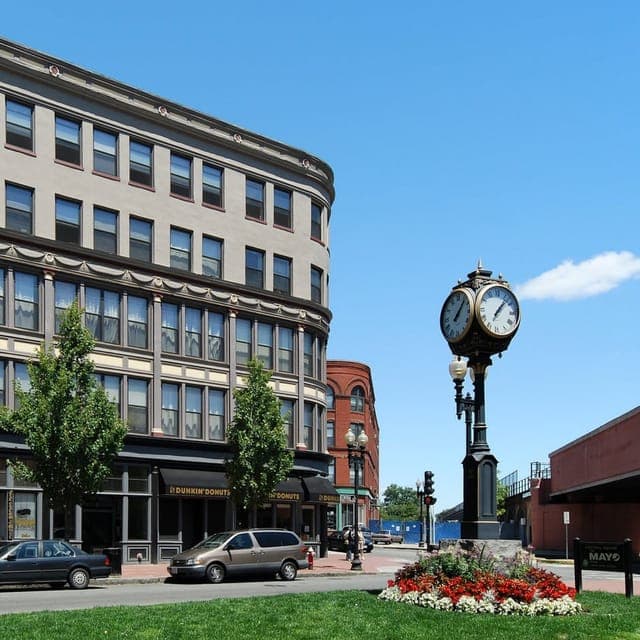
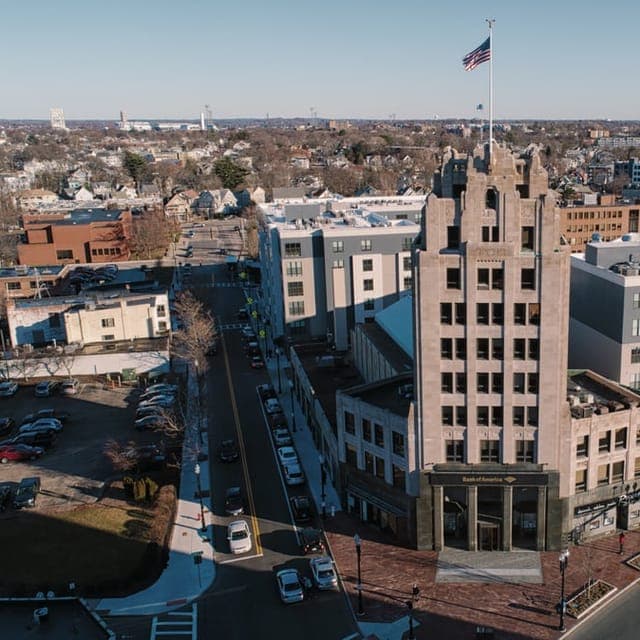
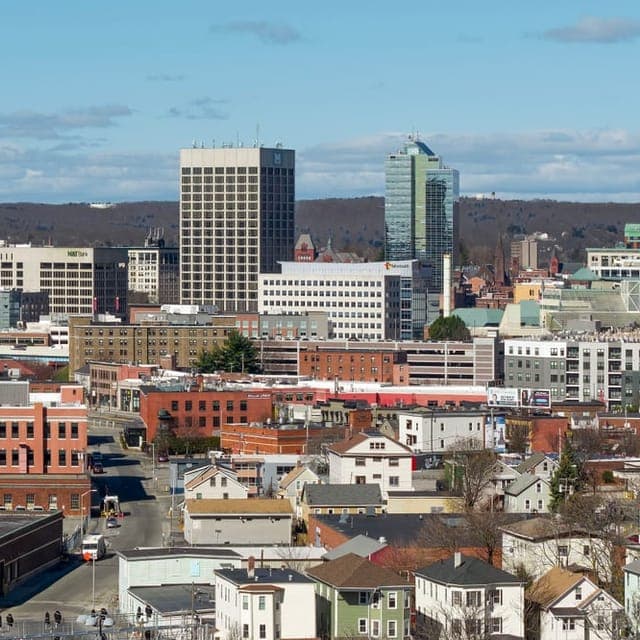
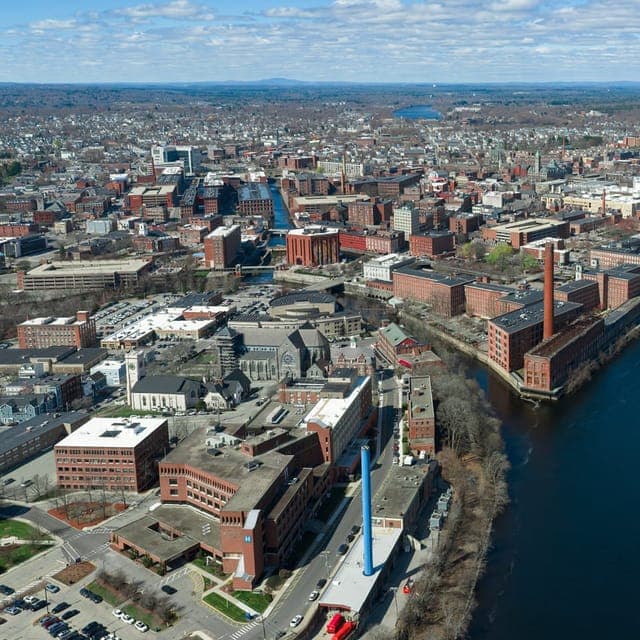
Similar small cities to New Bedford
* Values derived from national, state, county, city and local statistics and may differ in a specific area. Last updated: 2026-04-23T05:00:12.000Z
Narrative content on this page is AI-generated and may contain mistakes. Verify any details that matter before acting on them.
ReloMaps may earn a commission from affiliate links at no extra cost to you.

