Photo: Wikipedia
Quality of Life in Springfield, TN
A high quality of life with strong walkability, manageable living costs, healthy neighborhood signals, and solid amenity access.
What does Quality of Life tell us?
Quality of Life blends cost of living, nearby amenities, socioeconomic signals, and neighborhood character. City-level scores represent the whole municipality; individual neighborhoods can differ.
What does this tell us?
Quality of Life blends cost of living, nearby amenities, socioeconomic signals, and neighborhood character. City-level scores represent the whole municipality; individual neighborhoods can differ.
Cost of Living
10% below national average
The Real Cost of Living in Springfield, TN for 2026
| Tier | Individual | Family (4) |
|---|---|---|
| Survival | $18k | $33k |
| Comfortable | $46k | $67k |
| Luxury | $92k+ | $143k+ |
| Elite (Top 5%) | $108k+ | $168k+ |
87%
The Area Signal
A metric tracking the socioeconomic signals of the area.
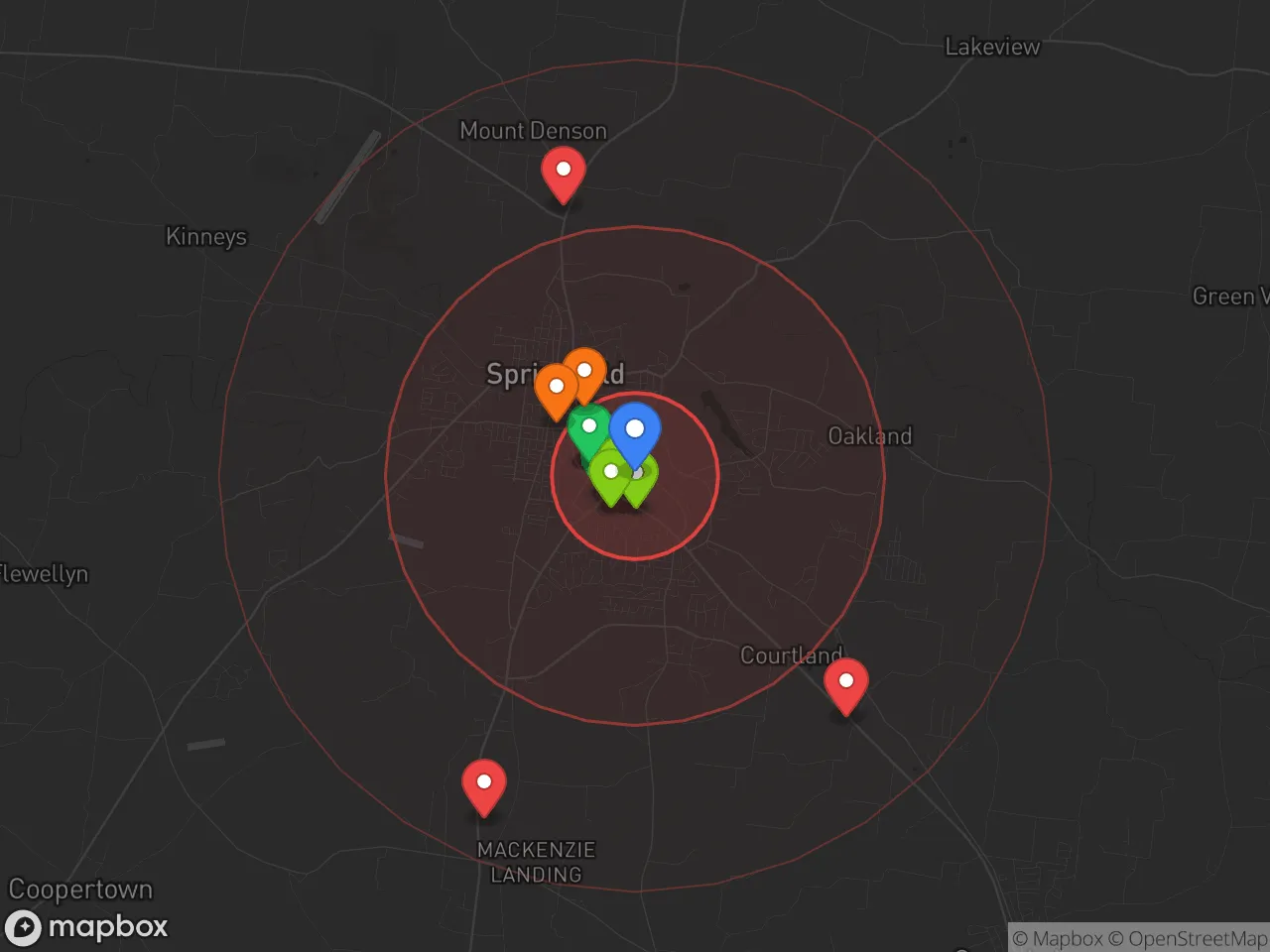
Hobbies
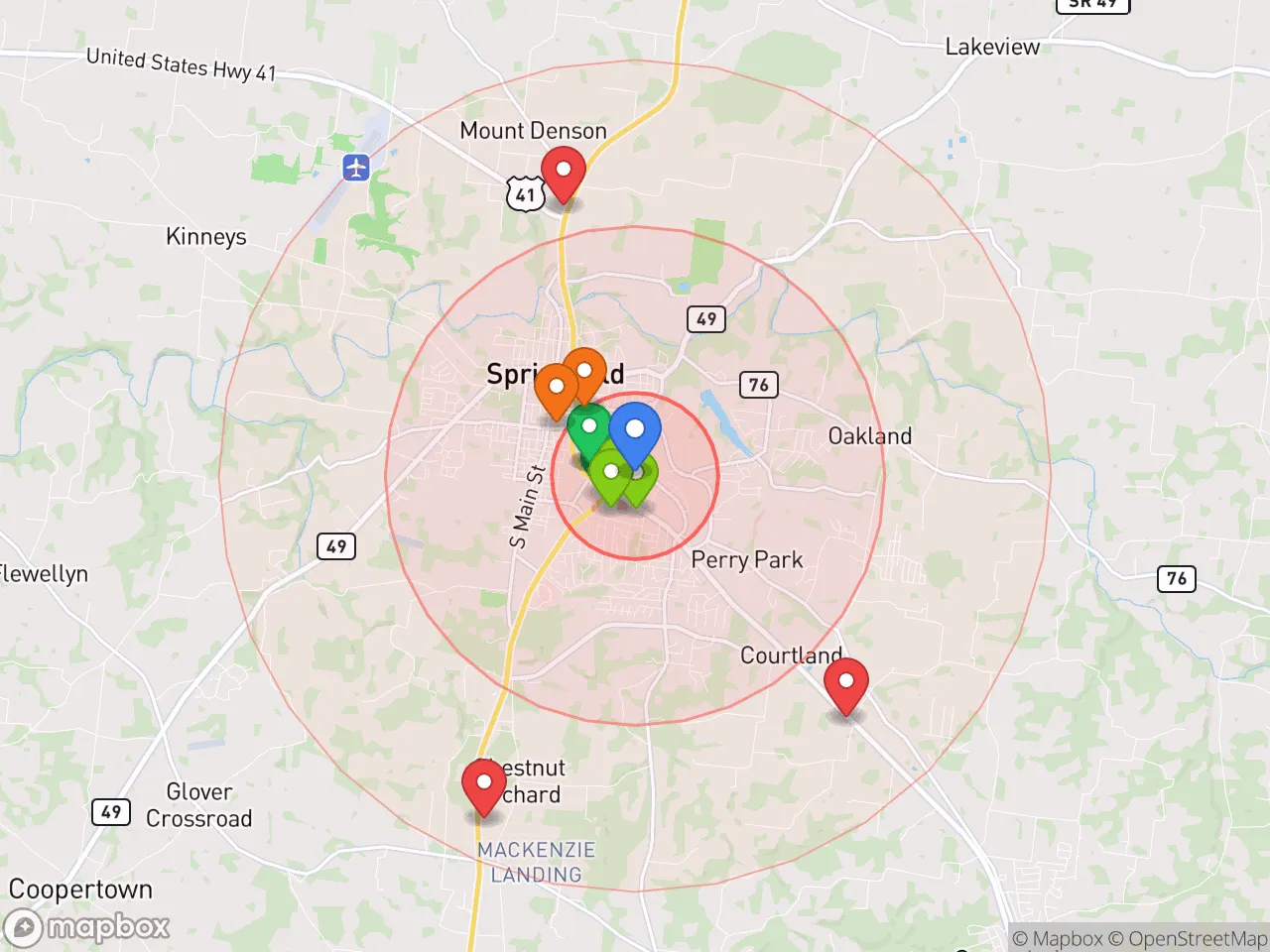
Explore the areaGroceries
3 within 10 miles
Gas
3 within 10 miles
Hospital
5 within 20 miles
Airport
BNA — Nashville International
Post Office
USPS — Springfield, TN
Critical Amenities
Quality-of-Life Analysis
Springfield, Tennessee, presents a notably affordable quality of life within the Nashville metropolitan area, attracting a demographic mix of young families, long-term locals, and commuters seeking lower costs without complete rural isolation. With a cost of living index of 90 (10% below the U.S. average) and a median home value of $235,200, the town offers a financial buffer that is increasingly rare in Middle Tennessee. The population skews toward homeowners and those in trades or remote-friendly service roles, creating a community that values space, slower pace, and proximity to both farmland and the state capital.
Cost of living and housing affordability compared to Nashville and Robertson County
Springfield’s housing market remains one of the most accessible in the region. The median home value of $235,200 sits well below the Nashville metro median of roughly $420,000, and even undercuts nearby White House and Greenbrier by 15–20%. Median rent of $1,107 is similarly competitive, making Springfield a practical choice for renters priced out of Davidson County. However, the trade-off is a longer average commute of 27.8 minutes, which for many residents means a daily drive south on I-65 or Highway 31W into Nashville or Hendersonville. Property taxes in Robertson County are moderate, and while home values have risen steadily since 2020, they have not experienced the same speculative spikes seen in Williamson or Rutherford counties. For buyers seeking a single-family home under $300,000 with a yard, Springfield remains one of the few viable options within an hour of downtown Nashville.
Local amenities, schools, and the daily-life rhythm for families
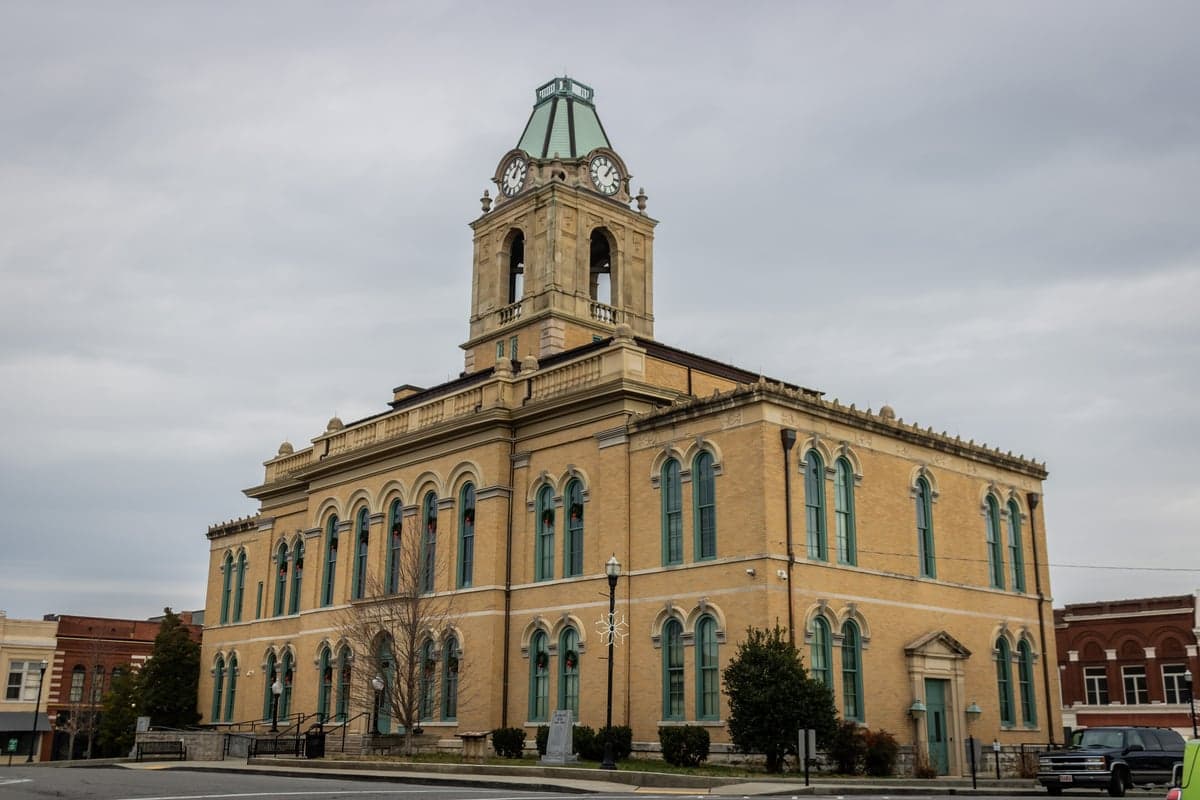
Daily life in Springfield centers on a compact historic downtown anchored by the Robertson County Courthouse, with local eateries like The Depot and family-owned shops along 5th Avenue. Grocery access is adequate, with a Walmart Supercenter and a Kroger, though specialty shopping requires a 20-minute drive to Hendersonville. The Robertson County School system serves the area, with Springfield High School and Jo Byrns High School as the primary public options; the district’s graduation rate hovers near 90%, but families seeking advanced placement or magnet programs often look to nearby White House or private options. Parks such as Springfield Municipal Park and the nearby Port Royal State Park provide outdoor recreation, while the annual Robertson County Fair and the downtown Christmas parade anchor the social calendar. The rhythm is distinctly small-town: businesses close early, weekend traffic is light, and community events draw consistent but modest crowds. For families, the trade-off is lower housing costs in exchange for fewer immediate entertainment and dining choices compared to the suburban ring closer to Nashville.
Springfield is best suited for buyers and renters who prioritize affordability and space over urban convenience, particularly those with flexible or remote work arrangements that can absorb the commute. It also appeals to retirees on fixed incomes and tradespeople who work in the broader Nashville region but want to avoid the region’s inflated housing market. The town’s steady growth—fueled by Nashville’s outward expansion—suggests continued appreciation, but the current quality of life remains defined by quiet streets, manageable costs, and a community where neighbors still know each other by name. Those seeking nightlife, high-end dining, or top-tier public schools should look closer to the city; those seeking a financially sustainable, slower-paced life in Middle Tennessee will find Springfield a strong fit.

Crime in Springfield, TN
Generally safer than 57% of comparable U.S. locations.
Violent CrimeViolent Crime Analysis
Property CrimeProperty Crime Analysis
Crime Analysis
Springfield, Tennessee, reports a violent crime rate of 412.8 incidents per 100,000 residents and a property crime rate of 964.7 per 100,000, placing it above both state and national averages for safety concerns. As a small city situated within the Nashville metropolitan area, Springfield’s crime statistics reflect pressures common to communities near large, growing urban centers. The data suggests that residents face a heightened risk of both violent and property offenses compared to the typical Tennessee or U.S. community.
Crime in context
Springfield’s violent crime rate of 412.8 per 100,000 is roughly 18% higher than the national average of approximately 350 per 100,000 and significantly exceeds Tennessee’s state average of about 370 per 100,000. Property crime in Springfield, at 964.7 per 100,000, is nearly 30% above the national average of roughly 750 per 100,000 and also surpasses the Tennessee state average of around 900 per 100,000. These figures place Springfield in a higher-risk tier among similarly sized Tennessee communities. The proximity to Nashville—a large metro area with progressive judicial policies—may contribute to these elevated rates, as liberal-leaning district attorneys and judges in the broader region often prioritize offender rehabilitation over incarceration, potentially leading to more repeat offenders on the streets.
What residents experience
For Springfield residents, the elevated crime rates translate into tangible daily concerns. Violent crimes, including aggravated assault, robbery, and burglary, occur at a frequency that demands vigilance, particularly after dark and in less-trafficked areas. Property crimes such as theft, vehicle break-ins, and vandalism are the most common offenses, with property crime being more than twice as prevalent as violent crime in the city. Residents often report that unlocked vehicles and unsecured outbuildings are frequent targets. The influence of progressive criminal justice policies in the Nashville metro area—where lenient sentencing and early release programs are common—can mean that offenders arrested in Springfield may face reduced consequences, cycling back into the community more quickly and increasing the risk of repeat victimization.
Neighborhood-level variation in Springfield is notable. Older, lower-income areas near the downtown core tend to report higher concentrations of both violent and property crime, while newer subdivisions on the city’s outskirts, such as those along Highway 76, generally experience lower incident rates. Gated communities and neighborhoods with active homeowners’ associations often see reduced property crime due to increased surveillance and neighborly vigilance. However, no area is immune, and the overall citywide rates indicate that residents should adopt standard safety measures—such as home security systems, neighborhood watch participation, and avoiding high-crime zones after dark—regardless of their specific street address.
* Values derived from national, state, county, city and local statistics and may differ in a specific area. Last updated: 2026-05-01T08:51:19.000Z
Narrative content on this page is AI-generated and may contain mistakes. Verify any details that matter before acting on them.
ReloMaps may earn a commission from affiliate links at no extra cost to you.

