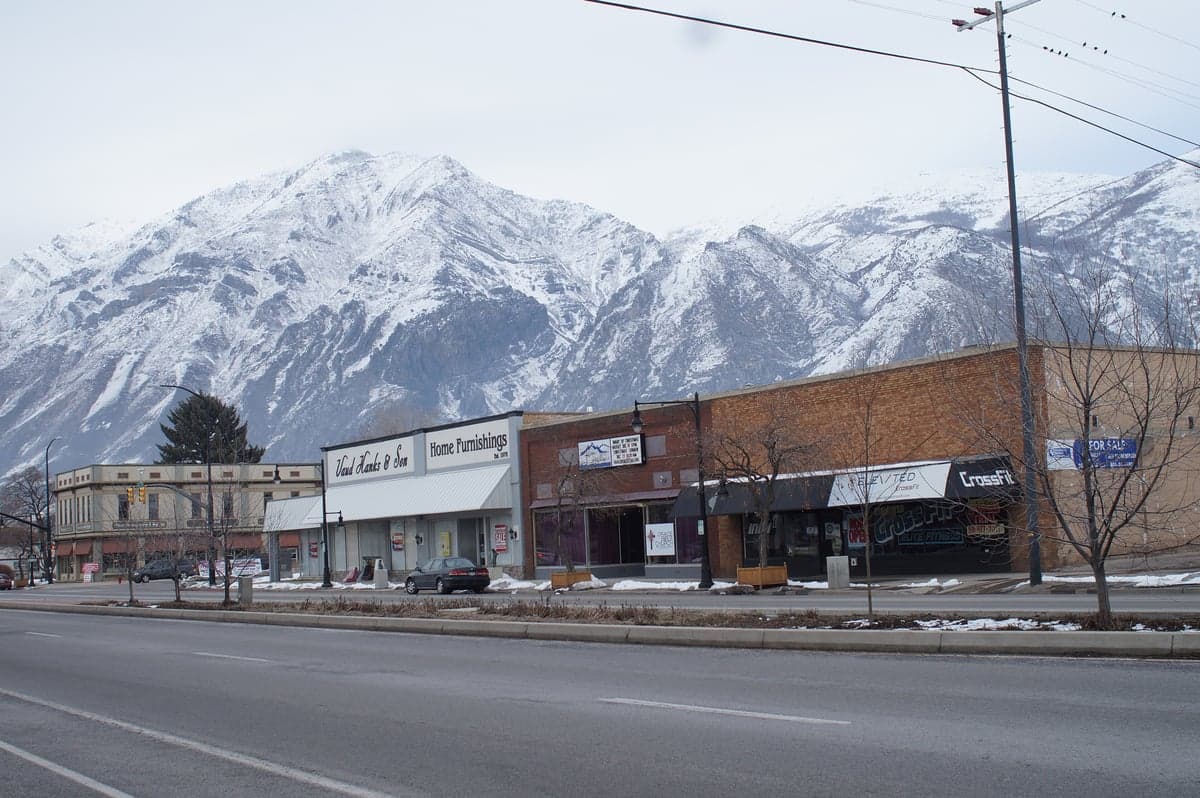
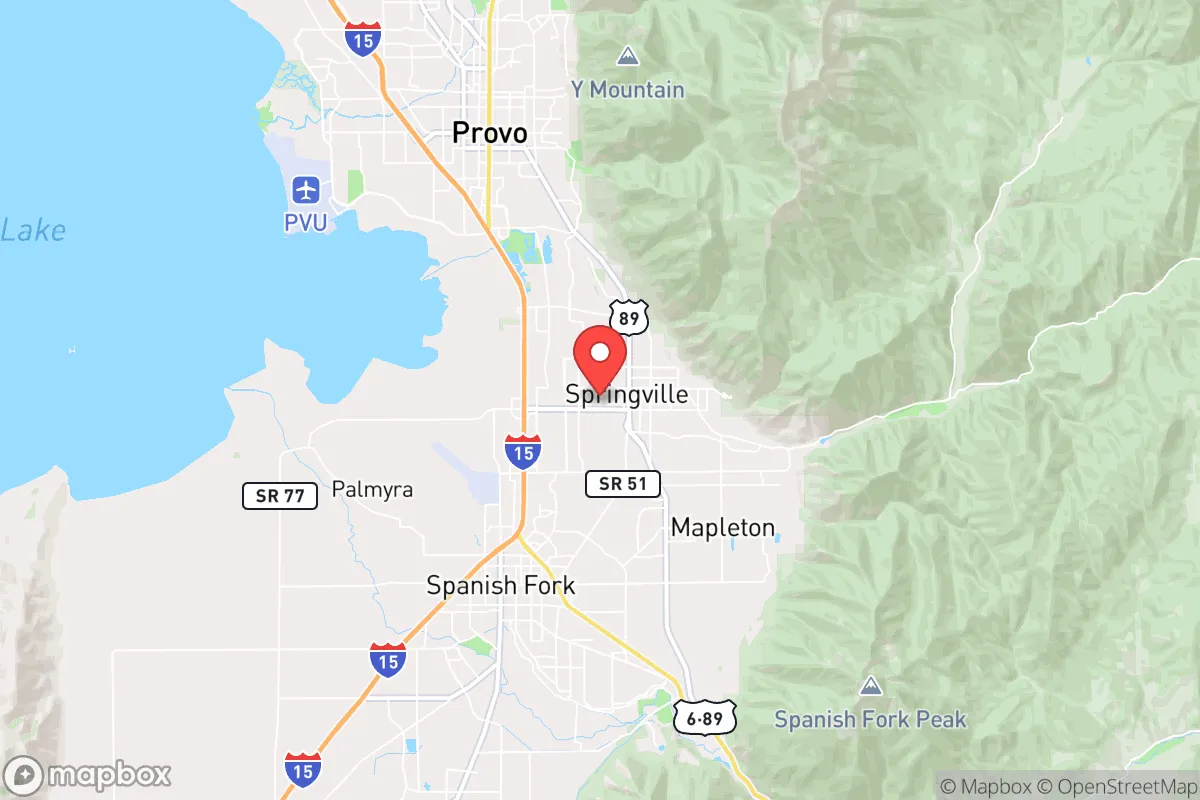
Photo: Wikipedia
Quality of Life in Springville, UT
A high quality of life with strong walkability, manageable living costs, healthy neighborhood signals, and solid amenity access.
What does Quality of Life tell us?
Quality of Life blends cost of living, nearby amenities, socioeconomic signals, and neighborhood character. City-level scores represent the whole municipality; individual neighborhoods can differ.
What does this tell us?
Quality of Life blends cost of living, nearby amenities, socioeconomic signals, and neighborhood character. City-level scores represent the whole municipality; individual neighborhoods can differ.
Cost of Living
37% above national average
The Real Cost of Living in Springville, UT for 2026
| Tier | Individual | Family (4) |
|---|---|---|
| Survival | $23k | $44k |
| Comfortable | $83k | $123k |
| Luxury | $123k+ | $190k+ |
| Elite (Top 5%) | $144k+ | $224k+ |
72%
The Area Signal
A metric tracking the socioeconomic signals of the area.
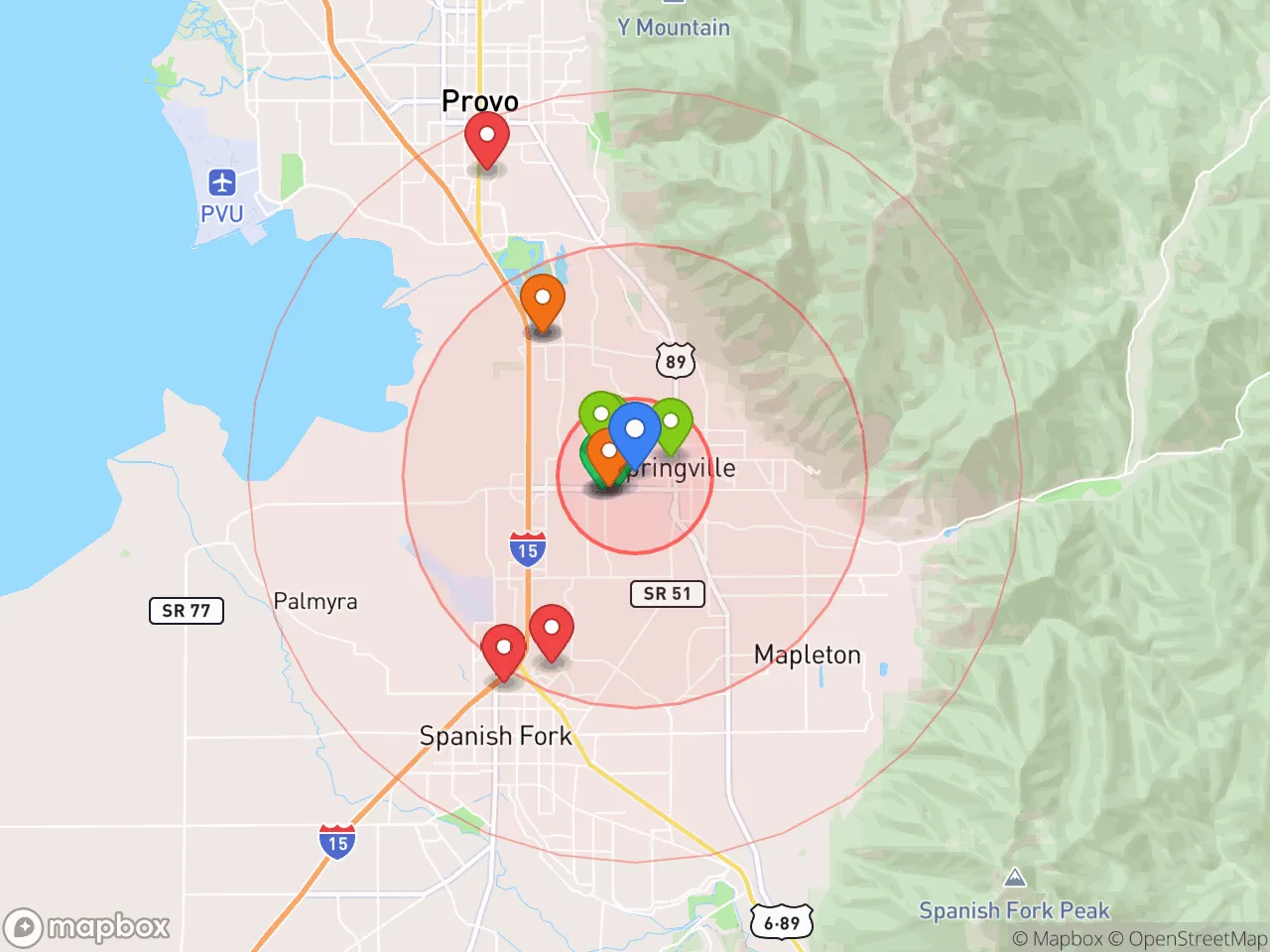
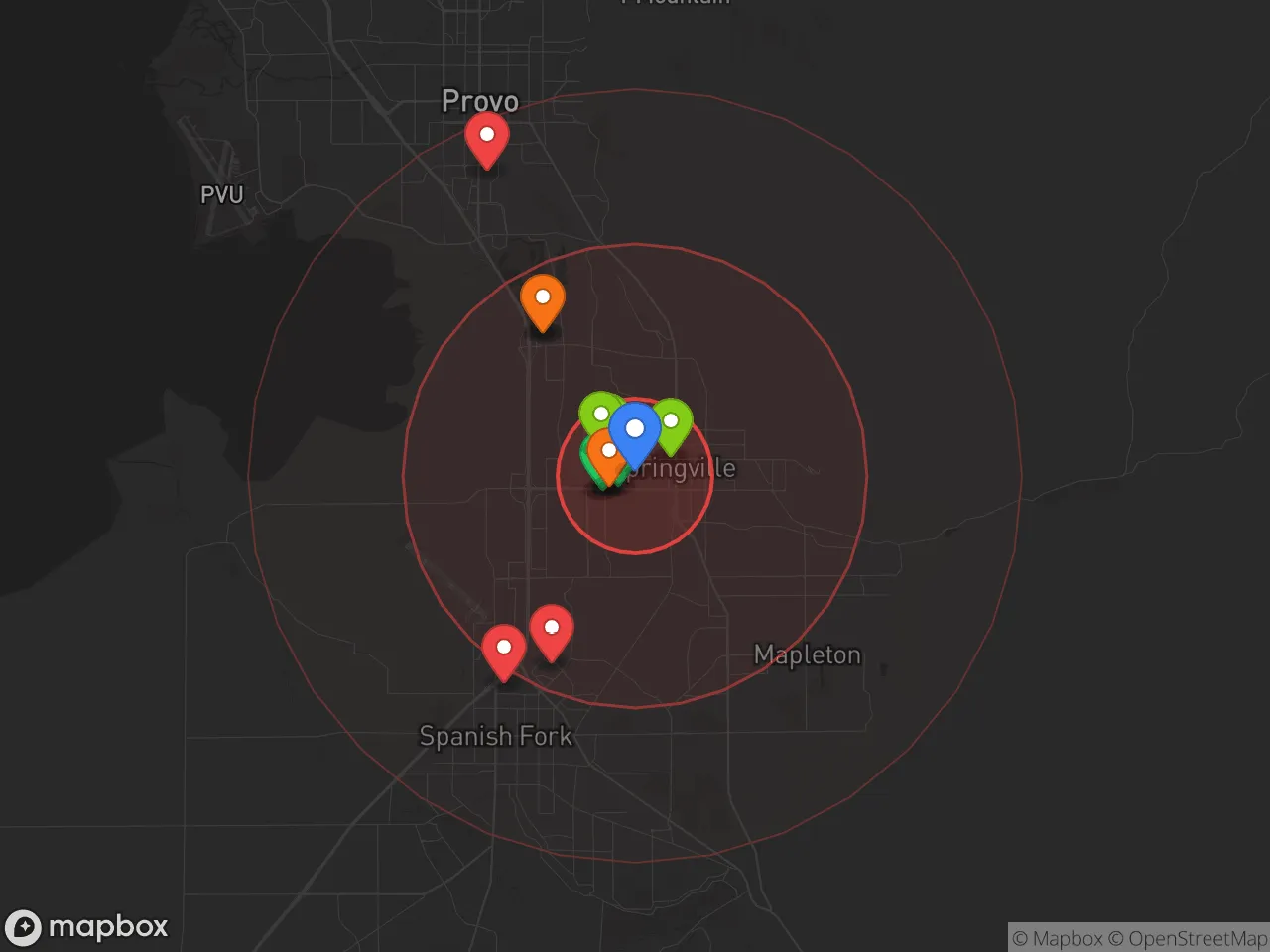
Hobbies
Explore the areaGroceries
0 within 10 miles
Gas
0 within 10 miles
Hospital
0 within 20 miles
Airport
SLC — Salt Lake City International
Post Office
Critical Amenities
Quality-of-Life Analysis
Springville, Utah, presents a notably affluent quality of life, with a cost of living index of 137 (37% above the U.S. average) that reflects its desirability and proximity to Provo. The city attracts a mix of young families, outdoor enthusiasts, and professionals working in tech, education, and healthcare along the Wasatch Front. Its population skews younger and more family-oriented than the national average, with a median age around 28, and the community is known for its strong ties to The Church of Jesus Christ of Latter-day Saints, which shapes many local social and civic rhythms.
Cost of living, housing costs, and how Springville compares to Provo and Orem
Springville’s housing market is the primary driver of its elevated cost of living. The median home value sits at $429,200, roughly 15% higher than the Utah County median and about 30% above the national median. Median rent is $1,472, which is competitive with nearby Provo ($1,500) and Orem ($1,480) but notably higher than more rural communities like Spanish Fork ($1,250). For buyers, this means a typical mortgage payment (at 2026 rates) would run approximately $2,800–$3,200 per month, pushing many renters toward duplexes or basement apartments. Commuters benefit from an average commute time of 23 minutes, shorter than the national average of 27 minutes, thanks to I-15 access and the FrontRunner commuter rail stop in neighboring Springville. However, traffic congestion during peak hours (7:30–9:00 AM and 4:30–6:00 PM) can stretch that to 35–40 minutes for those heading north to Provo or Lehi. Property taxes remain moderate at roughly 0.6% of assessed value, but the overall affordability gap relative to Salt Lake County (where median homes exceed $550,000) makes Springville a relative bargain for buyers willing to accept a longer drive.
What daily life is like for families: schools, parks, and local amenities
Daily life in Springville centers on a walkable historic downtown (Art City) and a strong emphasis on outdoor recreation. The city’s public schools, part of the Nebo School District, consistently rank above state averages—Springville High School boasts a 94% graduation rate and a 22:1 student-teacher ratio. Families frequently use the 12-acre Springville City Park, the Hobble Creek Golf Course, and the nearby Uinta-Wasatch-Cache National Forest for hiking and mountain biking. The city hosts the annual Springville World Folkfest and the Springville Museum of Art, which offers free admission and rotating exhibits. Groceries and daily errands are served by a mix of national chains (Walmart, Smith’s) and local markets, though residents often drive to Provo (10 minutes south) for specialty shopping or dining. The rhythm is notably slower than Provo’s college-town bustle—evening activities lean toward youth sports leagues, church events, and neighborhood block parties rather than nightlife. Internet access is reliable, with fiber-optic service from Xfinity and Utopia covering most neighborhoods, supporting remote work for the growing number of tech commuters.
Springville is best suited for families and professionals who prioritize strong schools, low crime rates, and immediate access to mountain recreation over urban amenities or nightlife. Singles and young professionals may find the social scene limited compared to Provo or Salt Lake City, but the city’s affordability relative to those hubs, combined with its short commute and family-friendly infrastructure, makes it a practical choice for those starting a household or seeking a quieter base for outdoor pursuits. The trade-off is clear: you pay a premium for space and safety, but you gain a tight-knit community and a 15-minute drive to world-class skiing, hiking, and fishing.

Crime in Springville, UT
Lower crime rates than 76% of comparable U.S. locations.
Violent CrimeViolent Crime Analysis
Property CrimeProperty Crime Analysis
Crime Analysis
Springville, Utah, is a notably safe city compared to both state and national averages, with violent crime rates significantly below typical benchmarks. The city reported a violent crime rate of 135.4 incidents per 100,000 residents, which is roughly one-third the national average and well under the Utah state average. Property crime, at 765.2 per 100,000, also sits below the national median, though it is slightly elevated compared to some neighboring Utah County communities. These figures position Springville as a low-crime environment within the broader Provo-Orem metropolitan area.
Crime in context
Springville’s crime statistics reflect a community that is safer than the vast majority of similarly sized American cities. The national violent crime rate hovers around 380 per 100,000, making Springville’s rate roughly 64% lower. Property crime nationally averages about 1,950 per 100,000, meaning Springville’s rate is approximately 60% lower. Within Utah County, Springville’s numbers are comparable to cities like Spanish Fork and Mapleton, though slightly higher than the ultra-low rates found in nearby Highland or Alpine. The city benefits from being part of a region with strong community policing and conservative justice policies, which tend to prioritize public safety and victim rights over offender-centric approaches. This stands in contrast to many large metro areas where progressive district attorneys and lenient sentencing have been linked to rising recidivism and increased property crime.
What residents experience
For daily life in Springville, the low violent crime rate means residents rarely encounter serious threats like homicide, robbery, or aggravated assault. The most common concerns are property-related: theft from vehicles, burglary, and occasional vandalism, particularly in areas near I-15 or commercial corridors. Neighborhood watch programs are active, and the Springville Police Department maintains a visible presence. The city’s family-oriented culture and strong community ties further deter crime. Because Utah County’s judicial system generally applies stricter sentencing and holds offenders accountable, residents benefit from a legal environment that discourages repeat offenses—a meaningful advantage over jurisdictions where progressive reforms have weakened consequences for property and violent crimes.
Neighborhood-level variation in Springville is modest but worth noting. Older, established areas near the historic downtown core and the foothills of the Wasatch Range tend to have the lowest crime rates, while newer subdivisions on the city’s east and west edges also report very few incidents. The small commercial zone along Main Street and the area around the Springville Museum of Art see occasional petty theft but remain safe. No part of Springville is considered high-crime by national standards, and the overall risk profile is low across all residential districts. For those relocating from larger metro areas with progressive criminal justice systems, Springville offers a tangible improvement in day-to-day safety and peace of mind.
* Values derived from national, state, county, city and local statistics and may differ in a specific area. Last updated: 2026-05-03T20:35:00.000Z
Narrative content on this page is AI-generated and may contain mistakes. Verify any details that matter before acting on them.
ReloMaps may earn a commission from affiliate links at no extra cost to you.

