Photo: Wikipedia
Quality of Life in Sumter, SC
A high quality of life with strong walkability, manageable living costs, healthy neighborhood signals, and solid amenity access.
What does Quality of Life tell us?
Quality of Life blends cost of living, nearby amenities, socioeconomic signals, and neighborhood character. City-level scores represent the whole municipality; individual neighborhoods can differ.
What does this tell us?
Quality of Life blends cost of living, nearby amenities, socioeconomic signals, and neighborhood character. City-level scores represent the whole municipality; individual neighborhoods can differ.
Cost of Living
19% below national average
The Real Cost of Living in Sumter, SC for 2026
| Tier | Individual | Family (4) |
|---|---|---|
| Survival | $17k | $32k |
| Comfortable | $37k | $54k |
| Luxury | $96k+ | $149k+ |
| Elite (Top 5%) | $117k+ | $182k+ |
99%
The Area Signal
A metric tracking the socioeconomic signals of the area.
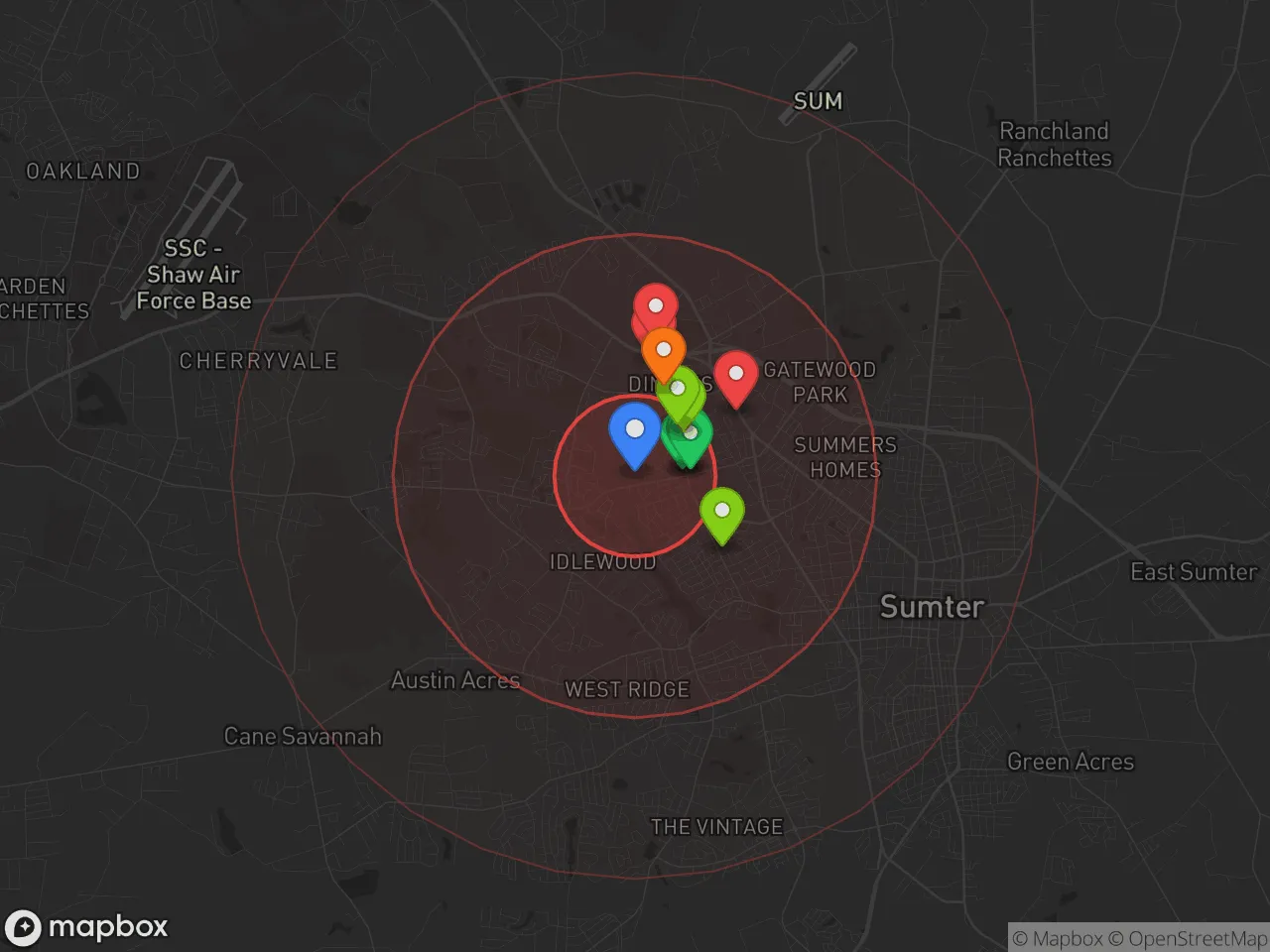
Hobbies
Explore the areaGroceries
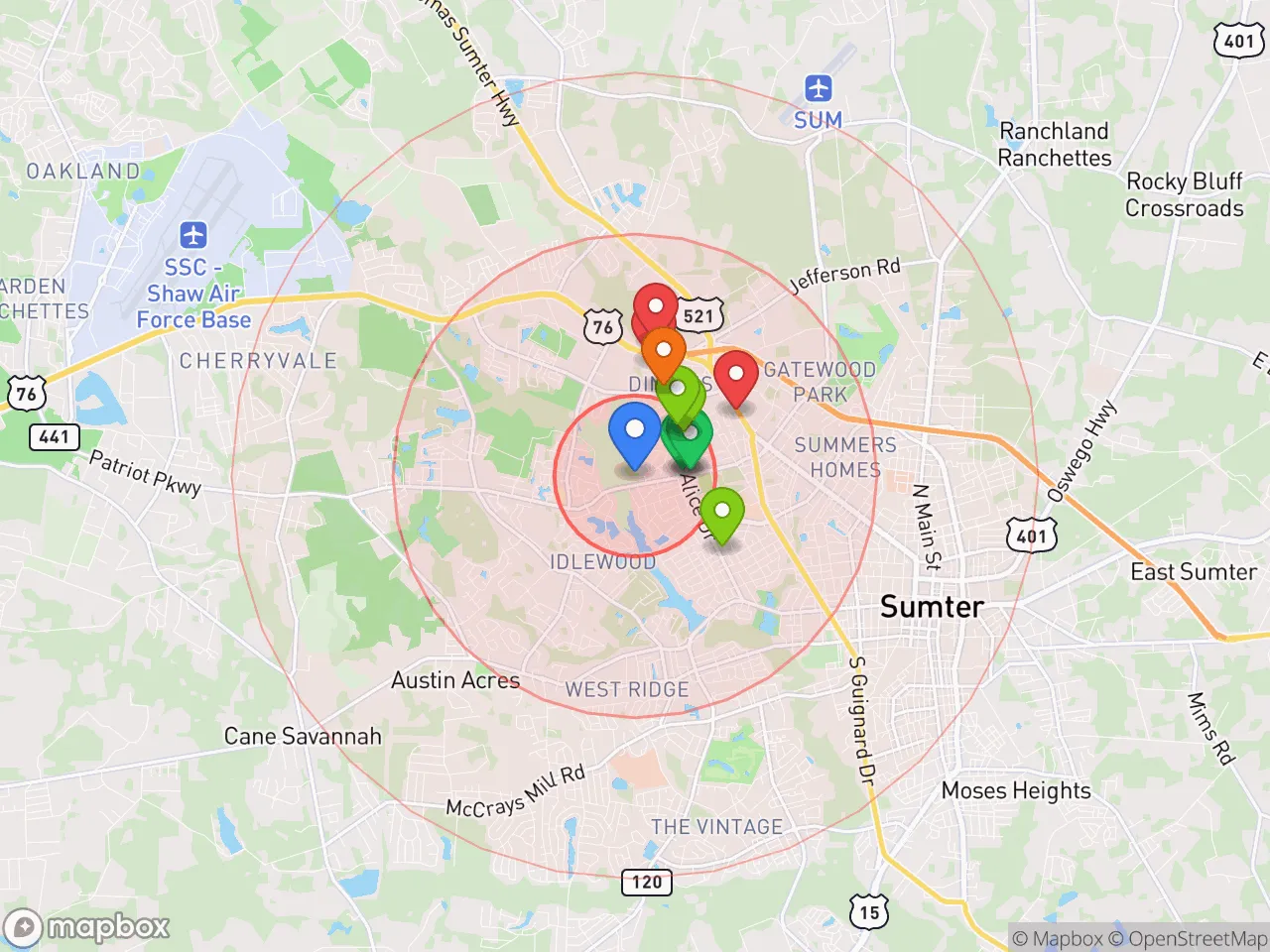
6 within 10 miles
Gas
18 within 10 miles
Hospital
3 within 20 miles
Airport
CLT — Charlotte Douglas International
Post Office
USPS — Sumter, SC
Critical Amenities
Quality-of-Life Analysis
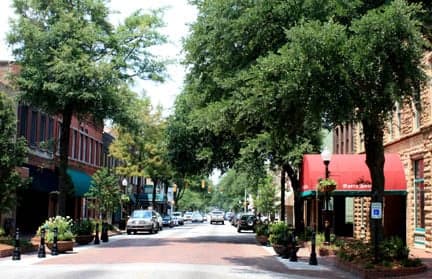
Sumter, South Carolina, offers a notably affordable quality of life that attracts a mix of military families, retirees, and young professionals seeking a lower cost of living without sacrificing access to regional amenities. The city’s economic anchor is Shaw Air Force Base, which brings a steady population of active-duty personnel and civilian contractors, while its historic downtown and proximity to the Santee Cooper lakes draw those looking for a quieter, slower-paced Southern lifestyle. With a cost-of-living index of 81—19 points below the national average—Sumter provides a financial cushion that is increasingly rare in the Southeast, though its median household income of roughly $44,000 reflects a more modest affluence compared to nearby Columbia or Charleston.
Cost of living, housing affordability, and how Sumter compares to nearby cities
Sumter’s housing market is a primary driver of its affordability. The median home value of $188,400 is roughly half the national median and significantly lower than in Columbia (about $260,000) or Charleston (over $400,000). Median rent of $1,055 is similarly accessible, making it feasible for single-income households and military families to live comfortably. The average commute of just over 20 minutes is well below the national average of 26 minutes, reducing transportation costs and freeing up time for daily life. Property taxes in Sumter County are also low—around 0.5% of assessed value—which further lowers the total cost of homeownership. While the city lacks the high-end retail and dining of larger metros, the trade-off is clear: residents can afford a single-family home with a yard on a modest salary, a scenario increasingly out of reach in South Carolina’s coastal and capital regions.
What daily life is like: amenities, schools, and local rhythm
Daily life in Sumter revolves around a mix of military base routines, outdoor recreation, and community-oriented events. The city’s school system, Sumter School District, serves about 10,000 students and includes several magnet programs, though overall academic performance lags behind state averages—a factor families often weigh against private or charter options. For leisure, the nearby Santee National Wildlife Refuge and Lake Marion offer fishing, boating, and hiking within a 30-minute drive, while downtown Sumter features a historic opera house, a weekly farmers market, and the Sumter County Museum. The presence of Shaw Air Force Base infuses the local economy with stability and a transient population, meaning neighborhoods often have a mix of long-term residents and newcomers. Nightlife is limited to a handful of local bars and restaurants, with most entertainment options requiring a 45-minute drive to Columbia for concerts, professional sports, or major shopping. The overall rhythm is slow and family-oriented, with community events like the Iris Festival and the Sumter County Fair serving as annual highlights.
Sumter is best suited for those who prioritize affordability and a quiet, community-focused lifestyle over urban excitement. Military personnel and Department of Defense civilians will find a supportive infrastructure and short commutes to Shaw Air Force Base. Retirees on fixed incomes can stretch their savings further here than in most of the state, while remote workers with stable incomes can enjoy a low-stress environment with easy access to Columbia’s amenities. However, professionals seeking high-paying jobs outside of defense, healthcare, or education may find the local job market limited. For anyone willing to trade nightlife and career diversity for financial breathing room and a slower pace, Sumter delivers a solid, grounded quality of life that is increasingly hard to find in the growing Southeast.

Crime in Sumter, SC
Higher crime rates than 73% of comparable U.S. locations.
Violent CrimeViolent Crime Analysis
Property CrimeProperty Crime Analysis
Crime Analysis
Sumter, South Carolina, reports a violent crime rate of 707.3 incidents per 100,000 residents and a property crime rate of 2,735.9 per 100,000, both significantly exceeding national averages. These figures place Sumter among the higher-crime cities in the state, a reality shaped by local socioeconomic factors and, critically, by the prosecutorial philosophy of the Third Judicial Circuit. The city’s safety profile is a key consideration for anyone evaluating relocation to this mid-sized community in the central part of the state.
Crime in context
Sumter’s violent crime rate is nearly double the national average of roughly 380 per 100,000, while its property crime rate is about 40% higher than the U.S. norm. Compared to other South Carolina cities of similar size, Sumter ranks in the upper tier for both categories. The city’s proximity to the larger Columbia metropolitan area (roughly 45 miles west) means it experiences some spillover crime from the broader region. Local law enforcement operates with limited resources, and the judicial environment in Sumter County is a significant factor: the Third Judicial Circuit has a history of progressive-leaning district attorneys who prioritize diversion programs and reduced sentencing for non-violent offenders. While intended to reduce recidivism, this approach has been criticized by public safety advocates for contributing to higher recidivism rates and a perception that property crimes carry minimal consequences, thereby encouraging repeat offenses.
What residents experience
Residents report that property crime—particularly vehicle break-ins, package theft, and burglary of unoccupied homes—is the most common safety concern in daily life. Many neighborhoods experience a pattern of opportunistic theft from unlocked cars and porches, especially in areas near major thoroughfares like Broad Street and Liberty Street. Violent crime, while less frequent, is concentrated in specific pockets, often tied to disputes among individuals known to each other rather than random attacks on strangers. The presence of Shaw Air Force Base (just west of the city) provides a stabilizing influence, as the military community tends to have lower crime rates than the civilian population. However, the base’s transient nature means that some areas near the base see periodic spikes in rental-related property crime.
Neighborhood-level variation is pronounced. Areas west of U.S. Highway 15 and south of Sumter’s historic downtown generally report lower crime rates, while the eastern and northern quadrants—particularly around the South Sumter and Oakland Avenue corridors—see higher concentrations of both violent and property offenses. Prospective residents are advised to examine block-level crime maps and speak with local police precincts, as conditions can shift dramatically within a few blocks. Gated communities and newer subdivisions on the city’s outskirts (e.g., near Wedgefield) offer the lowest reported crime rates, while older, more densely populated neighborhoods near the city center require greater vigilance. Overall, Sumter demands a proactive approach to personal and property security that is not typical of smaller South Carolina towns.
* Values derived from national, state, county, city and local statistics and may differ in a specific area. Last updated: 2026-04-30T00:41:48.000Z
Narrative content on this page is AI-generated and may contain mistakes. Verify any details that matter before acting on them.
ReloMaps may earn a commission from affiliate links at no extra cost to you.

