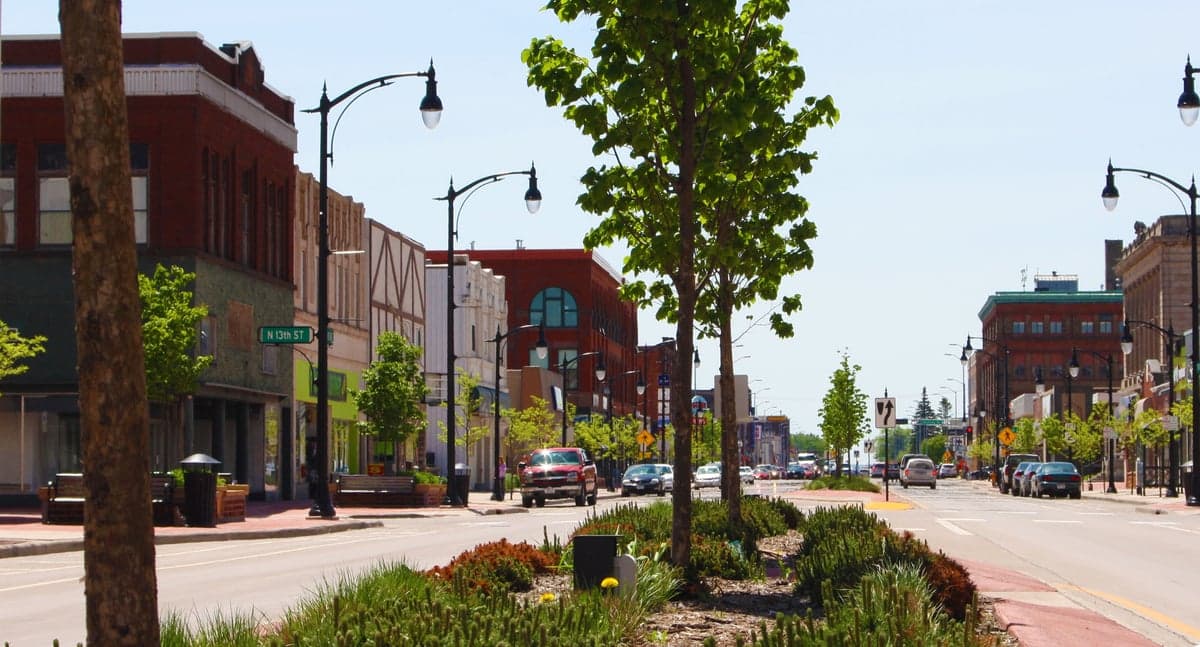
Photo: Wikipedia
Quality of Life in Superior, WI
A high quality of life with strong walkability, manageable living costs, healthy neighborhood signals, and solid amenity access.
What does Quality of Life tell us?
Quality of Life blends cost of living, nearby amenities, socioeconomic signals, and neighborhood character. City-level scores represent the whole municipality; individual neighborhoods can differ.
What does this tell us?
Quality of Life blends cost of living, nearby amenities, socioeconomic signals, and neighborhood character. City-level scores represent the whole municipality; individual neighborhoods can differ.
Cost of Living
31% below national average
The Real Cost of Living in Superior, WI for 2026
| Tier | Individual | Family (4) |
|---|---|---|
| Survival | $14k | $26k |
| Comfortable | $33k | $48k |
| Luxury | $100k+ | $155k+ |
| Elite (Top 5%) | $117k+ | $182k+ |
132%
The Area Signal
A metric tracking the socioeconomic signals of the area.
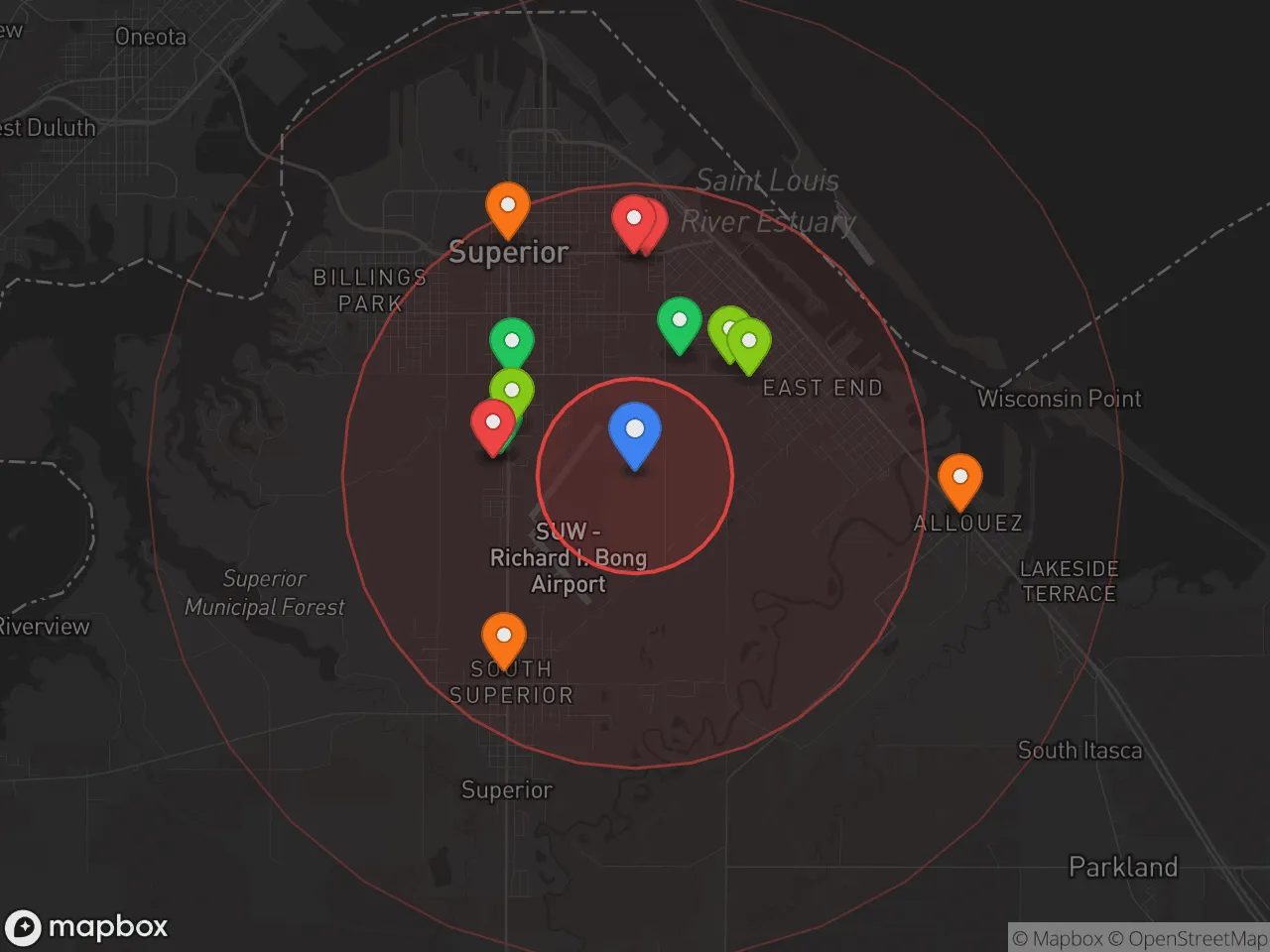
Hobbies
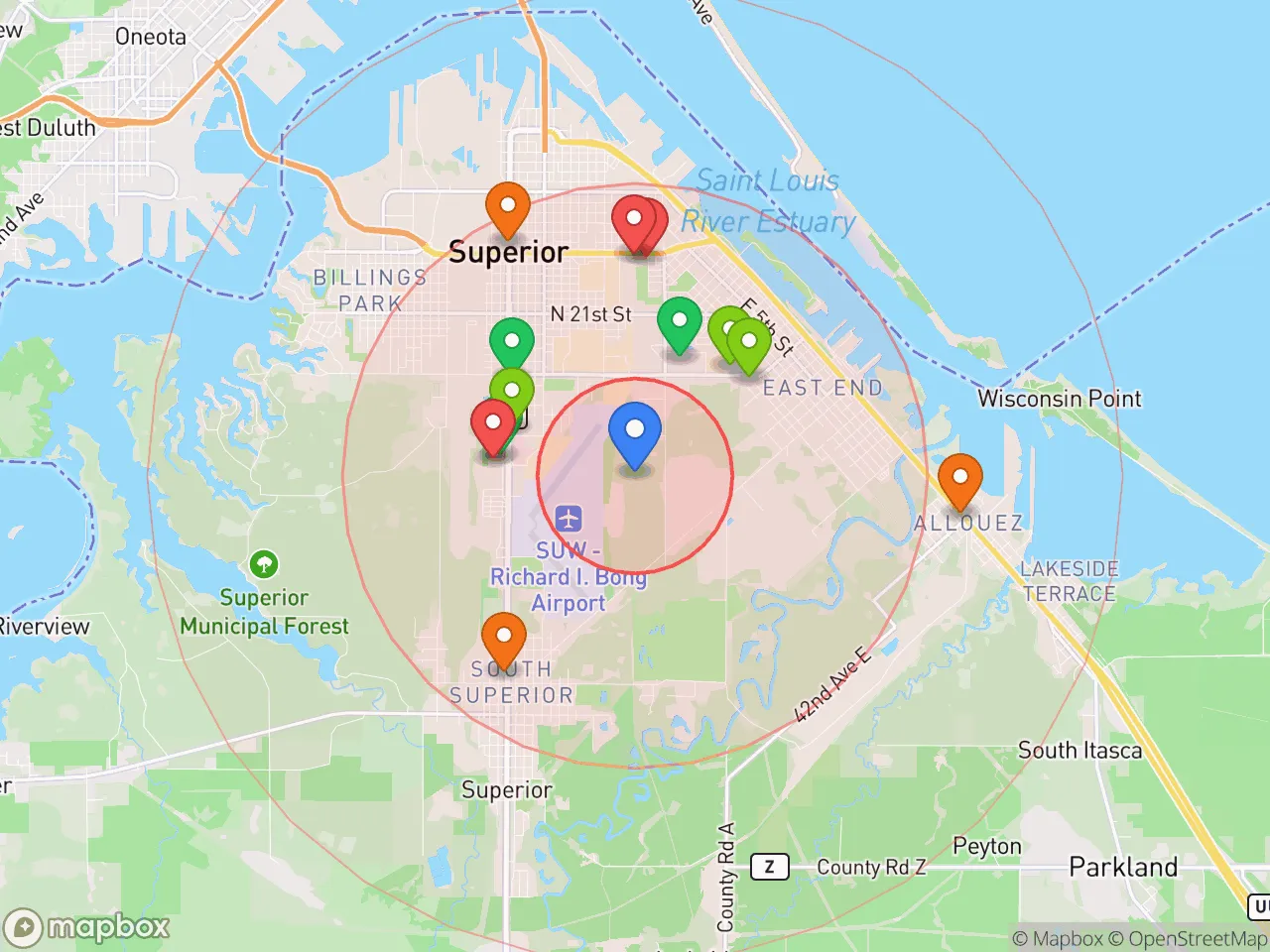
Explore the areaGroceries
6 within 10 miles
Gas
20 within 10 miles
Hospital
8 within 20 miles
Airport
JFK — John F. Kennedy Memorial
Post Office
USPS — Superior, WI
Critical Amenities
Quality-of-Life Analysis
Superior, Wisconsin, offers a distinctly affordable quality of life that stands in sharp contrast to the higher costs found across the St. Louis River in Duluth, Minnesota. With a cost of living index of 69—31 percent below the national average—the city attracts a mix of working-class families, retirees, and commuters who prioritize financial breathing room over urban amenities. The median home value of $168,500 and median rent of $881 make it one of the most accessible housing markets in the Twin Ports region, drawing residents who might otherwise be priced out of Duluth's tighter inventory.
How housing costs and affordability compare to Duluth and the region
Superior's housing market is a primary driver of its affordability, with a median home value roughly $60,000 lower than Duluth's median and rents averaging $200 less per month. The cost of living index of 69 reflects savings across nearly every category, from groceries to utilities, though property taxes in Douglas County are slightly higher than in neighboring St. Louis County. The average commute of just over 16 minutes is notably short—well under the national average of 26 minutes—which reduces transportation costs and frees up time for residents. For comparison, a similar home in Duluth's Lakeside or Congdon Park neighborhoods would cost 40 to 50 percent more, making Superior a pragmatic choice for buyers seeking a single-family home with a yard under $200,000.
What daily life is like for families and commuters in Superior
Daily life in Superior centers on a slower, more community-oriented rhythm than its larger neighbor across the bridge. The city's school system, Superior School District, serves roughly 5,500 students and includes Superior High School, which offers a range of vocational and college-prep programs. Outdoor amenities are abundant: Barker's Island and the Wisconsin Point beach provide lakefront access for kayaking, fishing, and walking trails, while the 2.5-mile Osaugie Trail connects to Duluth's Lakewalk. Retail and dining options are more limited than in Duluth, but the Tower Avenue corridor hosts local staples like Thirsty Pagan Brewing and the Superior Public Museum. For medical care, Essentia Health-St. Mary's Hospital in Superior and St. Luke's in Duluth are both within a 15-minute drive. The city's proximity to Duluth International Airport (15 minutes) and Interstate 535 makes it feasible for residents to work in Duluth or even the Twin Cities (2.5 hours south) while enjoying lower housing costs.
Who thrives in Superior's affordable, laid-back environment
Superior is best suited for those who value financial stability and outdoor recreation over a dense urban lifestyle. Families with young children benefit from the short commutes and lower home prices, allowing them to save for college or retirement. Retirees on fixed incomes find the cost of living index of 69 particularly attractive, as it stretches Social Security and pension payments further than in most U.S. cities. Commuters who work in Duluth but want a house with a garage and a yard will find Superior's housing stock—much of it built between 1900 and 1950—offers character and space at a fraction of Duluth's prices. However, those seeking a vibrant nightlife, high-end shopping, or a wide variety of professional jobs may feel limited; the city's economy leans heavily on healthcare, education, and retail, with major employers including Essentia Health and the school district. For the right resident, Superior delivers a quiet, affordable base with easy access to the cultural and employment opportunities of the Twin Ports.

Crime in Superior, WI
Generally safer than 59% of comparable U.S. locations.
Violent CrimeViolent Crime Analysis
Property CrimeProperty Crime Analysis
Crime Analysis
Superior, Wisconsin, reports a violent crime rate of 188.1 incidents per 100,000 residents, which is significantly lower than both the national average and the Wisconsin state average. However, the city's property crime rate of 1,681.9 per 100,000 is notably higher than state and national benchmarks, creating a mixed safety profile. As a small city adjacent to the larger metropolitan area of Duluth, Minnesota, Superior faces unique public safety challenges that are influenced by regional crime patterns and local justice system policies.
Crime in context
Superior's violent crime rate of 188.1 per 100,000 is roughly half the national average of 380 per 100,000 and well below the Wisconsin state average of approximately 290 per 100,000. This places Superior among safer communities for violent offenses like homicide, assault, and robbery. In contrast, the property crime rate of 1,681.9 per 100,000 exceeds the national average of about 1,950 per 100,000 but is still elevated compared to many smaller Wisconsin communities. The city's proximity to Duluth, a larger metro area with its own crime challenges, contributes to property crime patterns such as vehicle theft and burglary that cross state lines.
What residents experience
Residents report that property crimes—particularly theft from vehicles, vandalism, and occasional break-ins—are the most common safety concerns in daily life. The city's layout, with several commercial corridors and neighborhoods near Interstate 535 and US Highway 2, creates opportunities for transient property crime. Violent crime is rare but not absent, typically concentrated in specific areas or tied to domestic incidents. Progressive judicial policies in Douglas County, where Superior is located, have raised concerns among residents about repeat offenders cycling through the system. District attorneys and judges who prioritize rehabilitation over incarceration for property and drug crimes can result in more offenders remaining on the street, which directly impacts public confidence in safety and victim satisfaction with the justice process.
Neighborhood-level variation
Safety conditions vary noticeably across Superior's neighborhoods. The East End and areas near the University of Wisconsin-Superior campus tend to have lower crime rates, benefiting from community policing and student-focused safety measures. The Billings Park and North End neighborhoods see moderate property crime, while the downtown corridor and areas near the Bong Bridge approach experience higher rates of theft and disorder. Neighborhoods closer to the Duluth border report more property crime incidents, likely due to easier access for offenders moving between the two cities. Residents in higher-crime areas often supplement police presence with neighborhood watch programs and private security measures, reflecting a community that remains vigilant despite generally low violent crime levels.
* Values derived from national, state, county, city and local statistics and may differ in a specific area. Last updated: 2026-04-30T00:21:38.000Z
Narrative content on this page is AI-generated and may contain mistakes. Verify any details that matter before acting on them.
ReloMaps may earn a commission from affiliate links at no extra cost to you.

