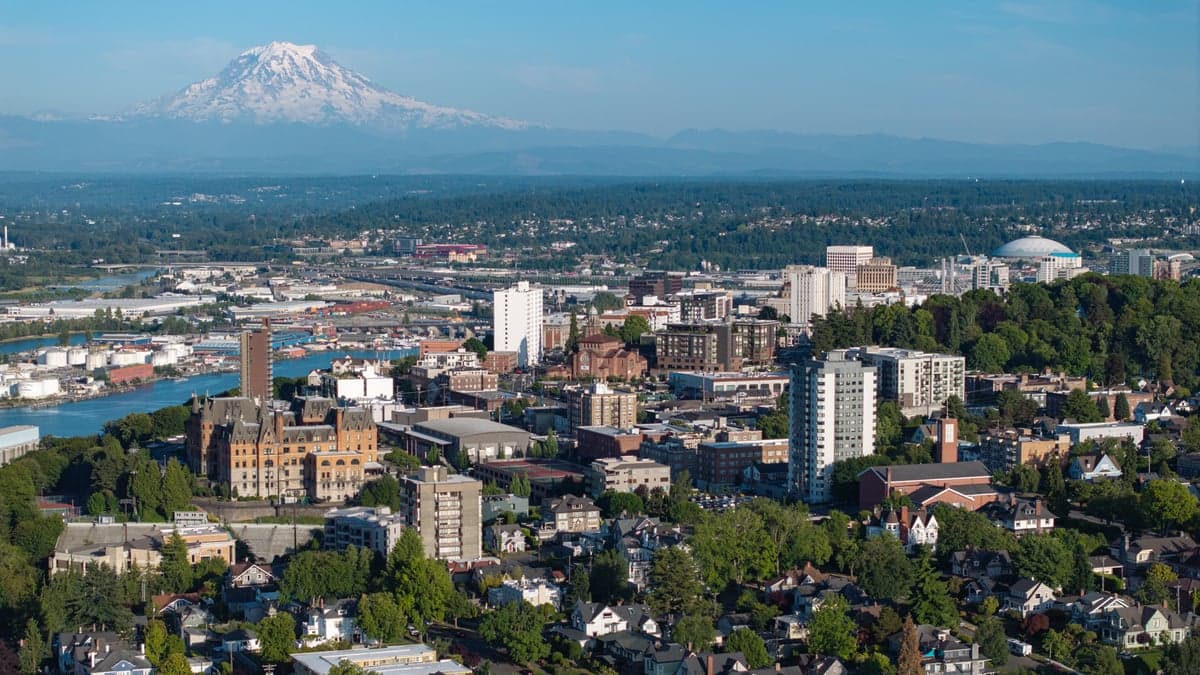
Photo: Wikipedia
Quality of Life in Tacoma, WA
A high quality of life with strong walkability, manageable living costs, healthy neighborhood signals, and solid amenity access.
What does Quality of Life tell us?
Quality of Life blends cost of living, nearby amenities, socioeconomic signals, and neighborhood character. City-level scores represent the whole municipality; individual neighborhoods can differ.
What does this tell us?
Quality of Life blends cost of living, nearby amenities, socioeconomic signals, and neighborhood character. City-level scores represent the whole municipality; individual neighborhoods can differ.
Cost of Living
47% above national average
The Real Cost of Living in Tacoma, WA for 2026
| Tier | Individual | Family (4) |
|---|---|---|
| Survival | $25k | $48k |
| Comfortable | $88k | $130k |
| Luxury | $136k+ | $211k+ |
| Elite (Top 5%) | $160k+ | $248k+ |
65%
The Area Signal
A metric tracking the socioeconomic signals of the area.
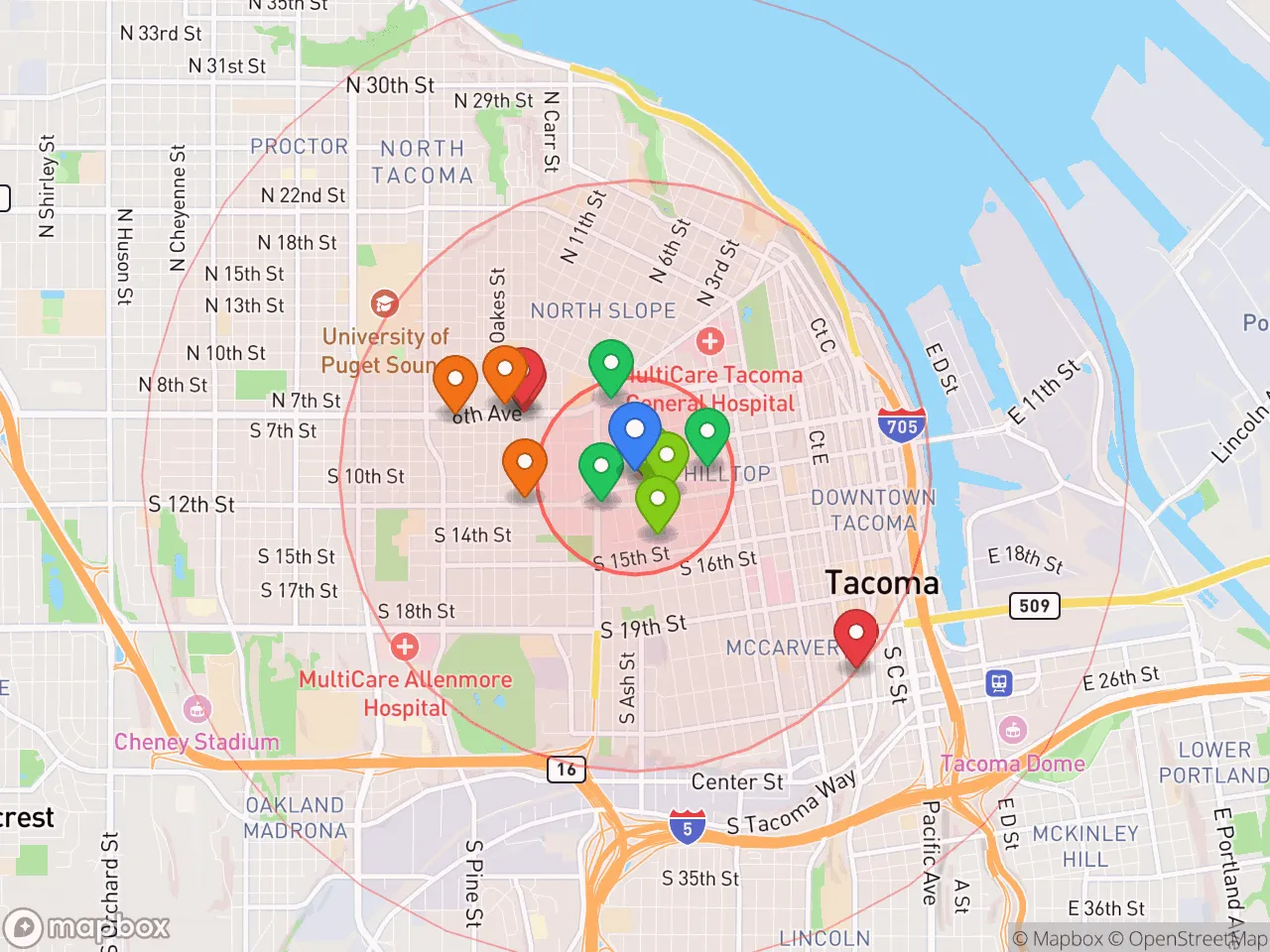
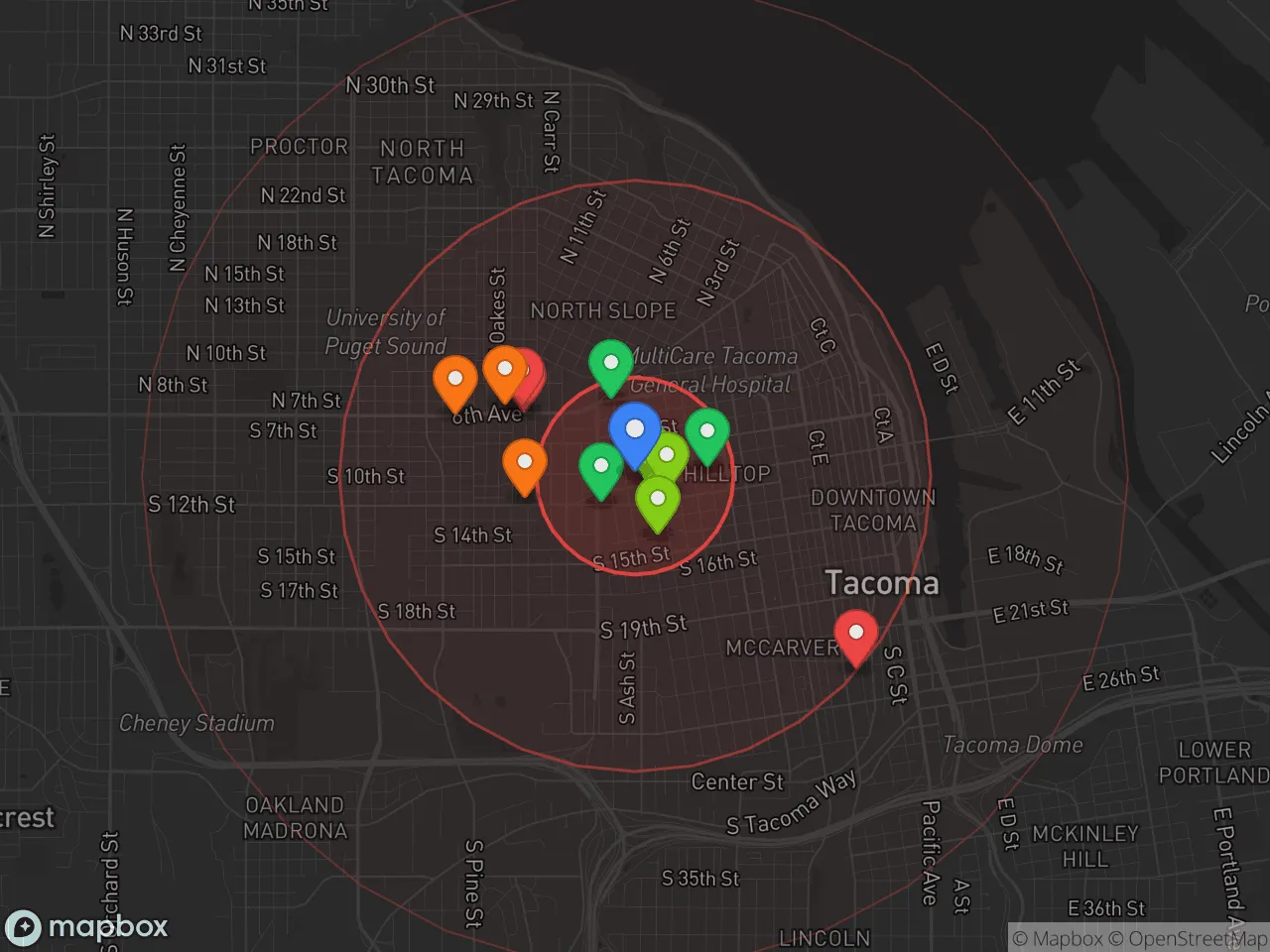
Hobbies
Explore the areaGroceries
7 within 10 miles
Gas
20 within 10 miles
Hospital
19 within 20 miles
Airport
SEA — Seattle–Tacoma International
Post Office
USPS — Tacoma, WA
Critical Amenities
Quality-of-Life Analysis
Tacoma, Washington, presents a distinctive quality-of-life profile shaped by its position as a more affordable alternative to Seattle while still offering urban amenities and access to Puget Sound. The city’s cost of living index of 147 (100 = U.S. average) places it well above the national norm but significantly below Seattle’s index of roughly 170, attracting a mix of young professionals, families, and long-term residents who value proximity to jobs and outdoor recreation without the premium price tag of its northern neighbor. Tacoma’s population skews slightly younger than the state average, with a median age around 36, and the city has seen steady growth in creative and service-sector workers drawn by its historic architecture, museum district, and evolving waterfront.
Cost of living, housing affordability, and how Tacoma compares to Seattle and Olympia
Tacoma’s housing market remains a key draw for those priced out of Seattle, though affordability has tightened in recent years. The median home value stands at $454,600, roughly 40% lower than Seattle’s median of about $850,000, while the median rent of $1,597 is about 35% cheaper than Seattle’s typical $2,450. However, these figures still exceed the national median home value of roughly $350,000, reflecting the broader Puget Sound region’s high demand. Compared to Olympia to the south, Tacoma homes are about 10-15% more expensive, but the trade-off is a larger job base and shorter average commute of 29 minutes—notably better than Seattle’s 34-minute average. Renters face a tight market, with vacancy rates hovering around 4-5%, and first-time buyers often compete in multiple-offer scenarios, particularly in neighborhoods like the North End and Stadium District. Property taxes in Pierce County average about 1.0% of assessed value, slightly below King County’s 0.9% but higher than Thurston County’s 0.8%.
Daily life, schools, and amenities: what residents actually experience
Daily life in Tacoma revolves around a mix of urban convenience and neighborhood character, with the city’s 30 distinct neighborhoods offering varied rhythms. The Tacoma Public Schools system serves about 28,000 students and includes several well-regarded magnet programs, such as the Science and Math Institute at Point Defiance, though overall district performance lags behind suburban districts like University Place or Puyallup. Commuters rely heavily on Interstate 5 and Sound Transit’s commuter rail, with the 29-minute average commute masking longer trips for those heading to Seattle (often 45-60 minutes by car during peak hours). Amenities include the Museum District (home to the Museum of Glass and Tacoma Art Museum), Point Defiance Park with its zoo and gardens, and a growing food scene anchored by the Dome District and 6th Avenue. The city’s walkability is moderate—Walk Score rates Tacoma at 51—but neighborhoods like the Proctor District and Stadium District are more pedestrian-friendly. Outdoor access is a major perk: residents can kayak in Commencement Bay, hike in the nearby Puyallup River Valley, or reach Mount Rainier National Park in about 90 minutes by car.
Tacoma is best suited for individuals and families who want urban amenities and a strong sense of place without Seattle’s intensity or cost. Those who thrive here tend to be tolerant of gray, rainy winters (averaging 39 inches of rain annually), value a slower pace than Seattle, and appreciate a city that balances industrial history with cultural renewal. Remote workers, healthcare professionals at MultiCare and CHI Franciscan, and military-affiliated residents from Joint Base Lewis-McChord find the city particularly practical. However, those seeking top-tier public schools, a vibrant nightlife scene, or a low cost of living by national standards may find Tacoma a compromise rather than a perfect fit.

Crime in Tacoma, WA
Significantly higher crime rates than 85% of comparable U.S. locations.
Violent CrimeViolent Crime Analysis
Property CrimeProperty Crime Analysis
Crime Analysis
Tacoma, Washington, reports a violent crime rate of 859.5 incidents per 100,000 residents and a property crime rate of 3,974.9 per 100,000, figures that place it among the higher-crime cities in the Pacific Northwest. These rates reflect a city that, while undergoing significant revitalization, continues to struggle with public safety challenges common to large metro areas. Prospective residents should weigh these statistics carefully, particularly given the influence of progressive prosecutorial policies in Pierce County that critics argue prioritize offender rehabilitation over public protection.
Crime in context
Tacoma’s violent crime rate is roughly 2.2 times the national average of about 380 per 100,000, while its property crime rate exceeds the national figure by approximately 50%. Compared to Washington state averages, Tacoma’s violent crime rate is about 80% higher, and its property crime rate is roughly 40% higher. These disparities are partly attributed to the region’s progressive judicial environment: Pierce County’s elected prosecutor and several local judges have implemented policies such as reduced cash bail, diversion programs for repeat offenders, and sentencing guidelines that emphasize treatment over incarceration. Supporters say these measures reduce recidivism, but opponents point to rising shoplifting, auto theft, and assault rates as evidence that lenient approaches embolden criminals and erode public trust in the justice system.
What residents experience
For those living in Tacoma, property crime is the most tangible concern. Car thefts, break-ins, and package thefts are common, particularly in neighborhoods near major thoroughfares like Pacific Avenue and South 38th Street. Violent crime, while less frequent, is concentrated in specific areas, with Hilltop, Salishan, and parts of East Tacoma reporting higher rates of aggravated assault and robbery. Residents often report feeling unsafe walking alone after dark in these zones. The city’s police department, which has faced staffing shortages, has struggled to respond to non-emergency property crimes quickly, leading some residents to invest in private security systems and neighborhood watch groups. The progressive approach to prosecution—where first-time offenders for theft or drug possession often receive deferred sentences—means many criminals cycle through the system without facing meaningful consequences, a dynamic that frustrates victims and fuels a perception of lawlessness.
Neighborhood-level variation is significant. North End, Proctor, and Stadium District generally experience lower crime rates, with violent incidents rare and property crime more opportunistic. In contrast, the South End and Eastside see higher rates of both violent and property crime, driven in part by gang activity and open-air drug markets. Suburban areas like University Place and Fircrest, while adjacent to Tacoma, offer notably lower crime rates due to smaller police-to-resident ratios and less concentrated poverty. For those considering a move, choosing a neighborhood with strong community policing and active block watches is critical, as the citywide data masks sharp disparities in daily safety.
* Values derived from national, state, county, city and local statistics and may differ in a specific area. Last updated: 2026-04-21T11:00:53.000Z
Narrative content on this page is AI-generated and may contain mistakes. Verify any details that matter before acting on them.
ReloMaps may earn a commission from affiliate links at no extra cost to you.

