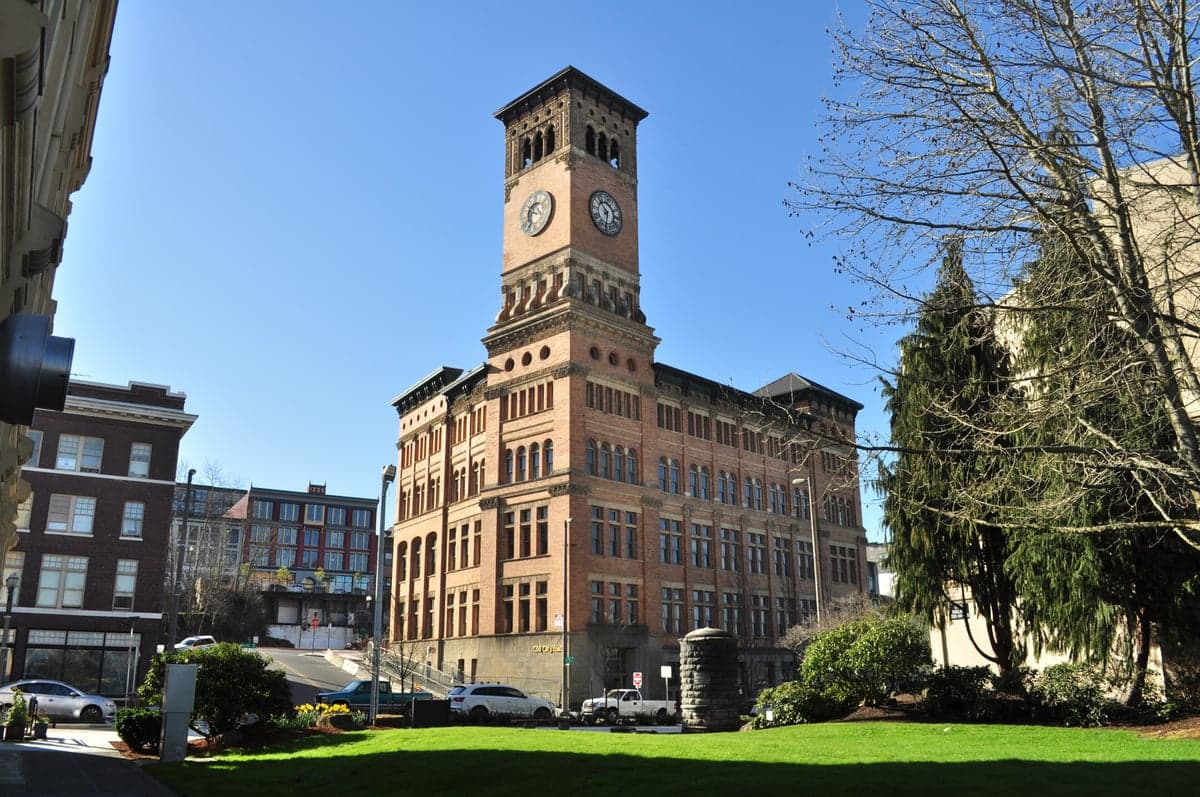
Photo: Wikipedia
Find The Best Places To Live in Pierce County
PRO TIP! You can paste a Zillow or Redfin link to get info on that property.
Best Places to Live in Pierce County
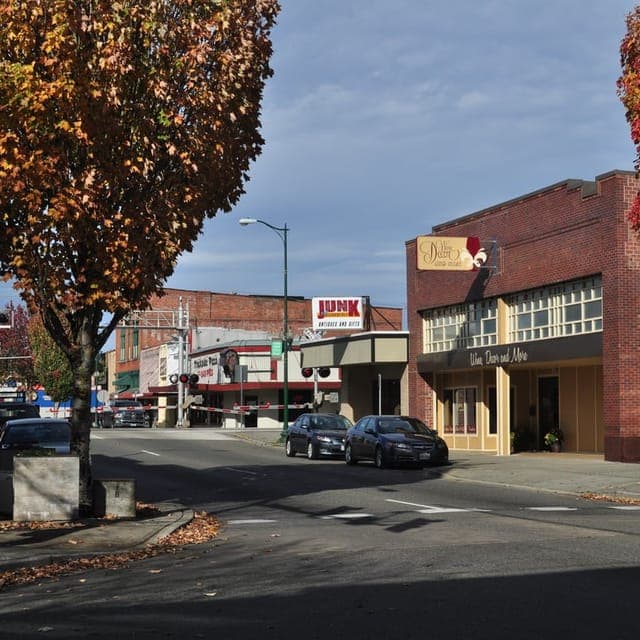
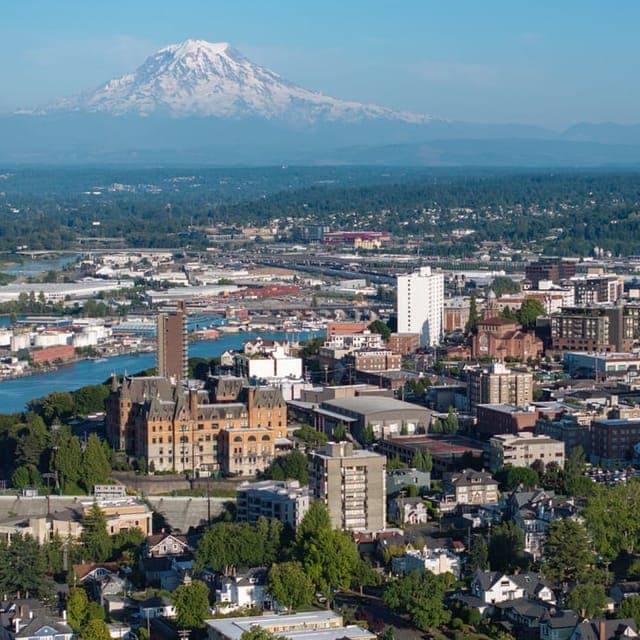
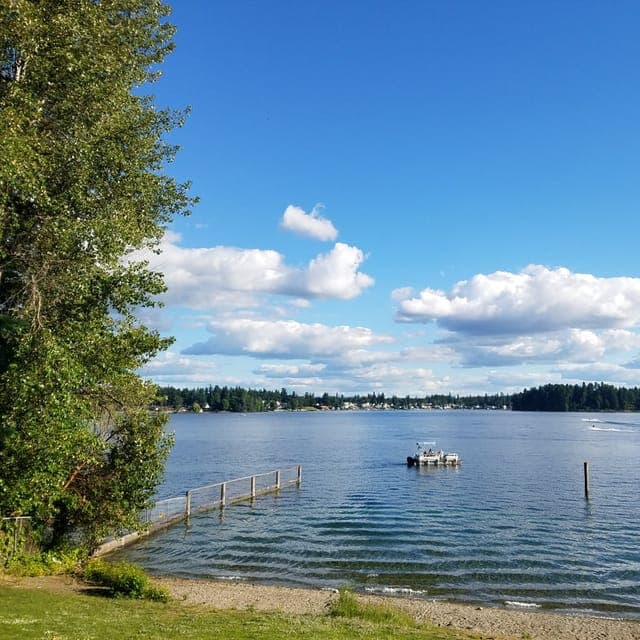
Cities & Towns in Pierce County
Cities in Pierce County
What It's Like Living in Pierce County, WA
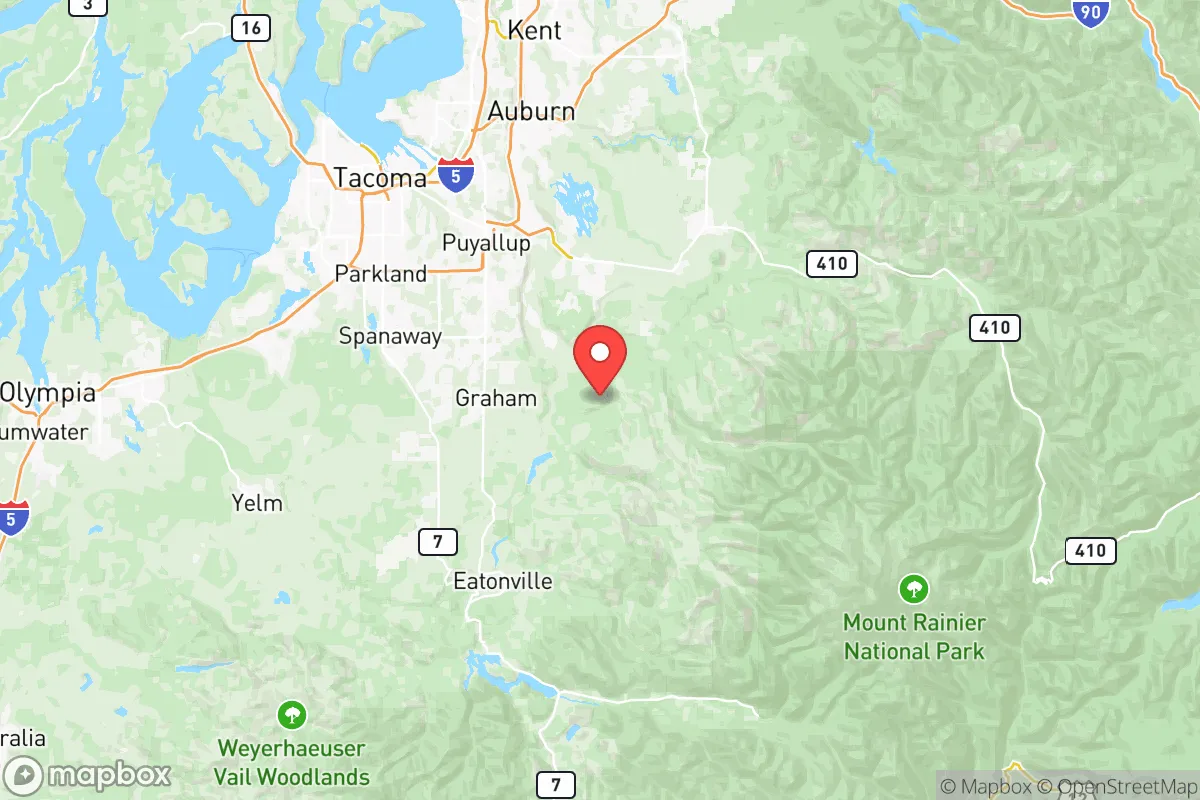
Living in Pierce County means you’re never more than a short drive from a mountain trail, a saltwater beach, or a dive bar where everyone knows the bartender’s name. It’s the kind of place where the line between “city” and “country” blurs—Tacoma’s gritty arts scene gives way to Puyallup’s fairgrounds and the farm stands of Eatonville, all within 30 minutes. You get the Pacific Northwest’s famous gray skies, but also a down-to-earth, blue-collar pride that feels a world away from Seattle’s tech-bro energy.
The Daily Rhythm: Tacoma’s Edge, Suburban Comfort, and Rural Quiet
Most people’s weekdays revolve around the 31.6-minute average commute, which is long enough to finish a podcast but short enough that you’re not dreading it. The big employer is Joint Base Lewis-McChord, which anchors a huge military and veteran community, but the county also draws commuters to Seattle and Bellevue via the Sounder train or I-5. In Tacoma, you’ll find the University of Washington Tacoma campus and a growing number of tech and healthcare jobs at MultiCare and CHI Franciscan. For families, Puyallup is the classic suburb—good schools, a walkable downtown with coffee shops, and the massive Washington State Fair every September. Gig Harbor, across the Tacoma Narrows Bridge, feels like a small coastal town with a yachting crowd and a slower pace. Farther south, Eatonville and Roy are rural outposts where people have acreage, ride dirt bikes, and drive 20 minutes to the nearest grocery store. The kind of person who fits in here is someone who values space and nature over nightlife, but still wants a Costco within 15 miles.
Sports, Weekends, and the Places People Actually Go
High school football is a genuine event in places like Graham-Kapowsin and Puyallup, where Friday-night games draw crowds that rival small colleges. The Tacoma Rainiers (Triple-A baseball) play at Cheney Stadium, a classic minor-league experience with cheap tickets and post-game fireworks. For pro sports, Seattle’s Seahawks and Mariners are a 45-minute drive north, but many locals are just as passionate about the Washington State Cougars or University of Washington Huskies—the rivalry splits families. On weekends, people head to Point Defiance Park in Tacoma for the zoo, the old-growth forest trails, and the ferry to Vashon Island. Mount Rainier National Park is the crown jewel—an hour from most of the county, it’s where residents go for summer hiking, fall larch season, and winter snowshoeing. The local food scene is underrated: Doyle’s Public House in Tacoma for a proper Irish pub, Marrow Kitchen + Bar for upscale comfort food, and Wicked Pie Pizza in Puyallup for a post-soccer-game slice. The Washington State Fair in Puyallup is a massive two-week event with rodeos, concerts, and fried everything—it’s a rite of passage for anyone who moves here.
Pros and Cons of Living Here: The Honest Trade-Offs
Longtime residents love the access to nature and the lack of pretension. You can be a union electrician, a retired Army officer, or a remote software developer and still find your crowd. The cost of living is high—index of 158 (58% above the national average)—but it’s still cheaper than Seattle or Bellevue. The median home value of $484,400 means a decent starter home is possible with a dual income, though inventory is tight. What frustrates people: the violent crime rate of 266 per 100,000 is above the national average, and property crime (especially car break-ins and package theft) is a real annoyance in Tacoma and Puyallup. Traffic on I-5 between Tacoma and Joint Base Lewis-McChord can be a parking lot during rush hour, and the weather—nine months of gray drizzle—wears on some. Schools are a mixed bag: Puyallup School District and University Place are strong, while Tacoma Public Schools have high-performing magnet options but also struggling neighborhood schools. The median age of 36.8 and median income of $96,632 point to a population that’s mostly families and early-career professionals, not retirees or students. The cultural quirk: people here are friendly but not outgoing—you’ll get a nod on the trail, but don’t expect a dinner invitation from a neighbor for the first year. It’s a place that rewards patience and a willingness to drive 20 minutes for a good hike.

* Values derived from national, state, county, city and local statistics and may differ in a specific area. Last updated: 2026-05-14T16:36:36.000Z
Narrative content on this page is AI-generated and may contain mistakes. Verify any details that matter before acting on them.
ReloMaps may earn a commission from affiliate links at no extra cost to you.

