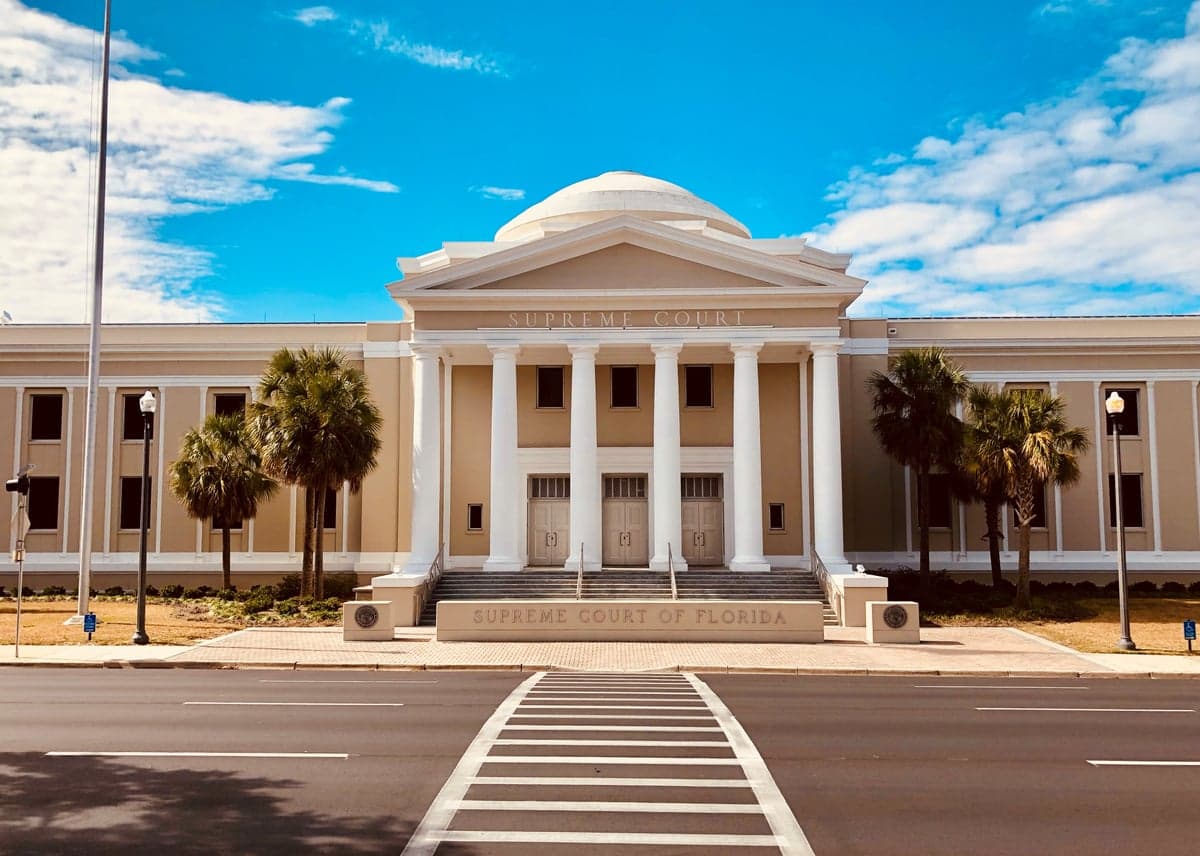
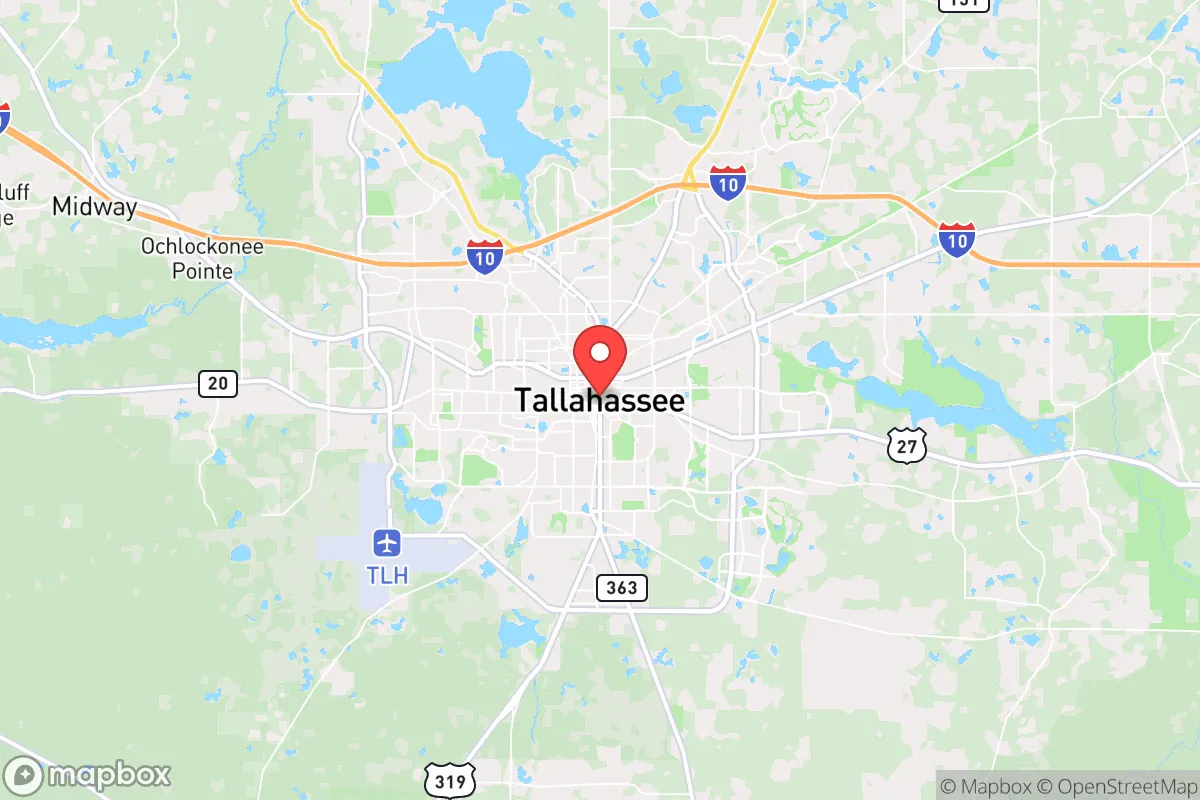
Photo: Wikipedia
Quality of Life in Tallahassee, FL
Above-average quality of iife. The area offers a reasonable cost of living, decent mobility, and a mix of neighborhood amenities.
What does Quality of Life tell us?
Quality of Life blends cost of living, nearby amenities, socioeconomic signals, and neighborhood character. City-level scores represent the whole municipality; individual neighborhoods can differ.
What does this tell us?
Quality of Life blends cost of living, nearby amenities, socioeconomic signals, and neighborhood character. City-level scores represent the whole municipality; individual neighborhoods can differ.
Cost of Living
3% above national average
The Real Cost of Living in Tallahassee, FL for 2026
| Tier | Individual | Family (4) |
|---|---|---|
| Survival | $20k | $37k |
| Comfortable | $54k | $79k |
| Luxury | $101k+ | $157k+ |
| Elite (Top 5%) | $147k+ | $228k+ |
71%
The Area Signal
A metric tracking the socioeconomic signals of the area.


Hobbies
Explore the areaGroceries
5 within 10 miles
Gas
0 within 10 miles
Hospital
3 within 20 miles
Airport
TPA — Tampa International
Post Office
USPS — Tallahassee, FL
Critical Amenities
Quality-of-Life Analysis
Tallahassee, Florida's capital city, presents a quality of life that blends government-sector stability with a distinctly middle-market cost structure, attracting a population that is notably more educated and politically engaged than the state average. With a cost of living index of 103 (just 3% above the national average), the city sits in a sweet spot: more affordable than Florida's coastal metros like Miami or Tampa, yet offering the cultural and employment density of a state capital. The median household income hovers around $52,000, reflecting a workforce anchored by state government, Florida State University, and Florida A&M University, giving the area a steady, professional character rather than a boomtown feel.
Cost of living and housing affordability compared to nearby cities
Housing in Tallahassee remains a relative bargain for a state capital, with a median home value of $276,000 — roughly half the median in Miami-Dade County and well below the $400,000+ averages in Orlando or Jacksonville. The median rent of $1,238 is similarly accessible, undercutting the statewide median by about 15%. Compared to nearby Thomasville, GA (just 30 minutes north), Tallahassee homes are about 10% more expensive, but the trade-off is access to a much larger job market. The average commute of 18.7 minutes is a standout advantage: it is nearly 8 minutes shorter than the national average and one of the shortest among Florida's major cities, meaning residents spend less time in traffic and more time at home or work. Property taxes are moderate, with Leon County's effective rate around 0.97%, and Florida's lack of a state income tax further stretches household budgets.
Schools, amenities, and the daily rhythm of life
Daily life in Tallahassee is shaped by its dual identity as a college town and a government hub. The Leon County school district serves roughly 33,000 students, with several magnet programs — like the International Baccalaureate program at Leon High School and the STEM-focused SAIL High School — drawing families seeking specialized education. For higher education, the presence of Florida State University and Florida A&M University means residents have access to public lectures, Division I athletics, and cultural events like the Seven Days of Opening Nights performing arts festival. Outdoor amenities are abundant: the 730-acre Alfred B. Maclay Gardens State Park offers hiking and paddleboarding, while the St. Marks National Wildlife Refuge (30 minutes south) provides world-class birding and kayaking. The city's dining scene leans heavily on Southern comfort food and farm-to-table options, with local staples like Kool Beanz Cafe and The Edison anchoring the midtown and downtown districts. The rhythm is slower than Florida's tourist corridors — rush hour is brief, and weekend traffic is negligible — but the city's role as the state capital means political events and legislative sessions inject periodic energy.
This combination of affordability, short commutes, and institutional stability makes Tallahassee an ideal fit for state employees, university faculty, and remote workers who value a lower-stress pace without sacrificing cultural amenities. Families with school-aged children will find the magnet school options and low crime rates in neighborhoods like Killearn Estates or Betton Hills appealing, while young professionals benefit from a rental market that is forgiving compared to Florida's coastal cities. Retirees on fixed incomes may also find the cost structure favorable, though the humid subtropical summers and occasional hurricane threats are worth weighing. Ultimately, Tallahassee offers a grounded, functional quality of life that prioritizes stability and access over flash — a trade-off that suits those who want Florida's sunshine without its premium price tag.

Crime in Tallahassee, FL
Higher crime rates than 66% of comparable U.S. locations.
Violent CrimeViolent Crime Analysis
Property CrimeProperty Crime Analysis
Crime Analysis
Tallahassee, Florida, reports a violent crime rate of 627.8 incidents per 100,000 residents and a property crime rate of 2,362.3 per 100,000, placing it significantly above both state and national averages. These figures indicate that the capital city faces serious public safety challenges, particularly when compared to similarly sized metropolitan areas across the country. The data suggests that residents and prospective movers should carefully evaluate neighborhood-level conditions and understand the broader criminal justice environment before relocating.
Crime in context
Tallahassee’s violent crime rate is roughly 70% higher than the national average and well above the Florida state average of approximately 380 per 100,000. Property crime, while less extreme relative to violent offenses, still exceeds the national benchmark by about 20%. These elevated rates are especially concerning given that Tallahassee is a mid-sized metro area (population ~390,000) and not a major urban hub like Miami or Jacksonville. The city’s crime statistics reflect a pattern seen in many large metro areas where progressive judicial policies—such as reduced sentencing, early release programs, and lenient bail practices—have been linked to higher recidivism and more offenders remaining on the streets. In Leon County, which encompasses Tallahassee, district attorneys and judges have historically pursued reform-oriented approaches that, while sympathetic to offenders, often result in diminished consequences for violent and property crimes. This directly impacts public safety by reducing deterrence and increasing the likelihood that repeat offenders will victimize residents.
What residents experience
For daily life in Tallahassee, the high crime rates translate into tangible risks. Aggravated assault accounts for the majority of violent incidents, followed by robbery and rape, with many offenses occurring in or near commercial corridors, apartment complexes, and areas with high foot traffic. Property crime, particularly vehicle theft and burglary, is a persistent nuisance, with many residents reporting break-ins even in gated communities. The presence of Florida State University and Florida A&M University adds a transient population that can be targeted by criminals, though campus-area crime is generally lower than citywide averages due to dedicated security patrols. Residents often adjust their routines—avoiding certain streets after dark, installing security systems, and staying informed via neighborhood watch groups—to mitigate these risks. However, the underlying issue remains that a justice system focused on rehabilitation over accountability contributes to a revolving door for offenders, undermining community trust and long-term safety.
Neighborhood-level variation is significant. Areas like Killearn Estates, Betton Hills, and SouthWood report substantially lower crime rates, often comparable to safer suburbs, while zones near Apalachee Parkway, Lake Bradford Road, and the Frenchtown district experience the highest concentrations of violent and property offenses. Prospective residents should consult local crime maps and speak with current residents to identify safer pockets within the city. Despite the overall elevated crime statistics, Tallahassee offers some neighborhoods where families and professionals can live with reasonable security, provided they remain vigilant and engaged with community safety initiatives.
* Values derived from national, state, county, city and local statistics and may differ in a specific area. Last updated: 2026-04-15T23:48:29.000Z
Narrative content on this page is AI-generated and may contain mistakes. Verify any details that matter before acting on them.
ReloMaps may earn a commission from affiliate links at no extra cost to you.

