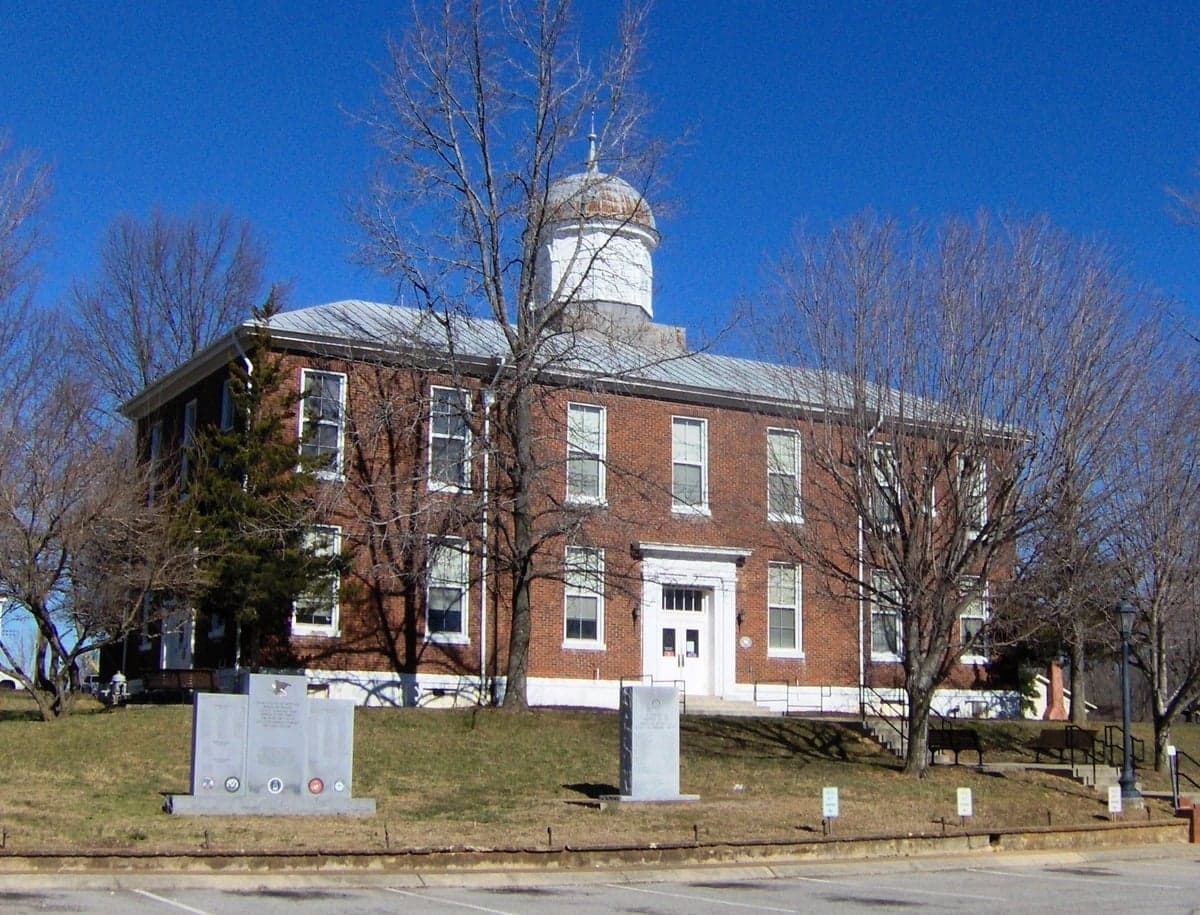
Photo: Wikipedia
Quality of Life in Dickson County
A livable area that tracks near national norms for affordability, walkability, and neighborhood health.
What does Quality of Life tell us?
Quality of Life measures an area by evaluating factors like cost of living, nearby amenities, country club access, airport proximity, socioeconomic signals and neighborhood character. For large states, this is a general average — quality of life can vary dramatically between metro areas, suburbs, and rural communities within the same state.
What does this tell us?
Quality of Life measures an area by evaluating factors like cost of living, nearby amenities, country club access, airport proximity, socioeconomic signals and neighborhood character. For large states, this is a general average — quality of life can vary dramatically between metro areas, suburbs, and rural communities within the same state.
Cost of Living
11% below national average
94%
The Real Cost of Living in Dickson County for 2026
| Tier | Individual | Family (4) |
|---|---|---|
| Survival | $16k | $29k |
| Comfortable | $53k | $78k |
| Luxury | $119k+ | $184k+ |
| Elite (Top 5%) | $140k+ | $216k+ |
Quality-of-Life Analysis
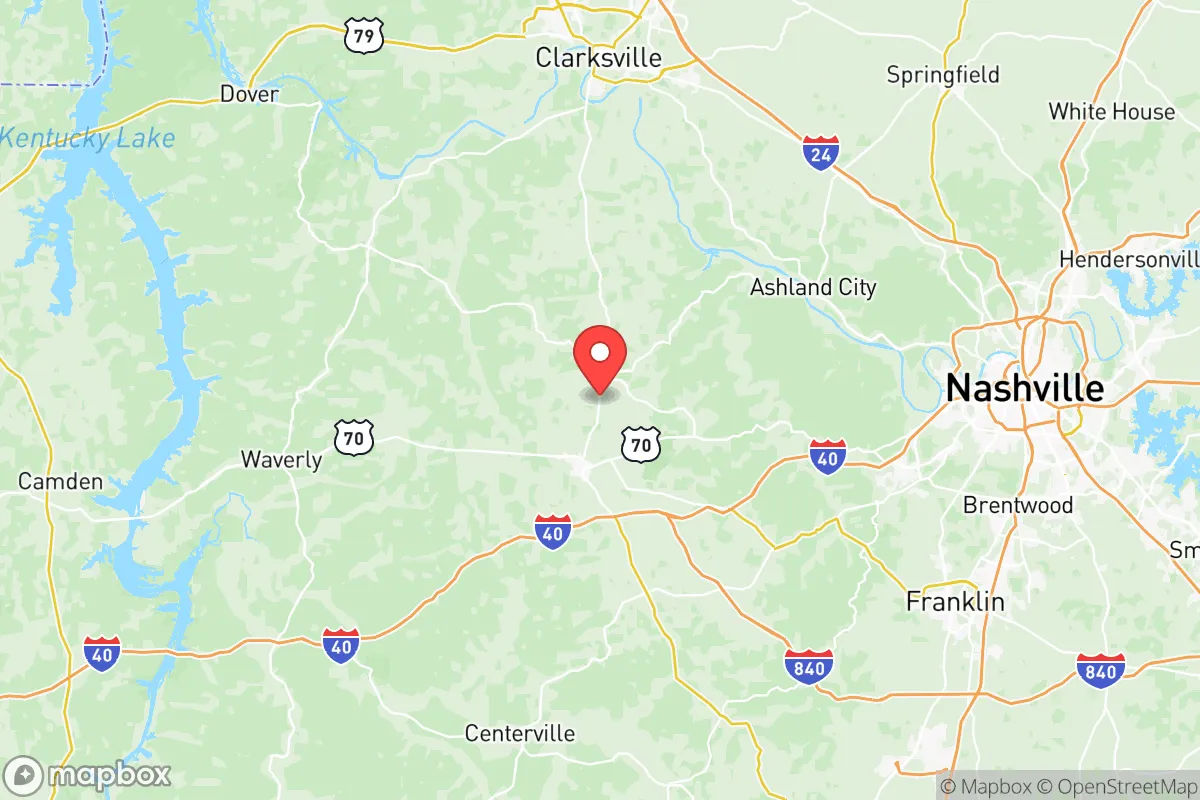
Dickson County, Tennessee, offers a living spectrum that ranges from the active county seat of Dickson to quiet unincorporated crossroads like Primm Springs, drawing everyone from Nashville commuters seeking affordable homes to retirees and remote workers who prefer a slower, more rural pace. With a cost of living index of 89 (11 points below the national average of 100) and an average commute of about 33 minutes to destinations like downtown Nashville, the county provides a tangible balance of small-town amenities and open country living.
Largest town(s) & population centers
The city of Dickson — home to roughly 16,000 residents — is the county’s commercial, retail, and employment hub. Daily life here revolves around the Dickson Commons shopping area along Highway 46, which includes big-box stores, chain restaurants, and a movie theater. The downtown has seen reinvestment in recent years, with local businesses, a farmers market, and seasonal events like Old Timers Day. Dickson also hosts the county’s largest employers, including Nissan’s engine plant and the Dickson County School district headquarters. Burns, with about 1,500 people, functions as a smaller bedroom community just off Interstate 40, with its own post office, a few local eateries, and quick highway access for commuters.
Smaller towns & rural pockets
Charlotte, the former county seat, is an unincorporated community centered on the historic courthouse square; it offers little commercial activity but holds the county administration offices and serves as a focal point for eastern parts of the county. Vanleer and White Bluff are even smaller, each with a cluster of homes and churches but no grocery stores, making a trip to Dickson or Charlotte necessary for errands. Deeper rural pockets exist around Primm Springs (along Highway 47) and near the Piney River, where land is dominated by farms, wooded lots, and acreage properties. Montgomery Bell State Park, just west of Burns, provides the county’s largest outdoor recreation area with hiking, fishing, and camping.
Cost & lifestyle range
The median home value in Dickson County sits at $272,700 and median rent at $972 — both well below Davidson County averages, where comparable homes often exceed $450,000. In Dickson city itself, housing prices trend higher near the interstate corridor, with newer subdivisions and townhomes oriented toward commuters. Moving outward to Burns or White Bluff, home prices drop noticeably; a three-bedroom house on a half-acre lot can fall under $250,000. At the rural extreme of Primm Springs or the Piney River area, older farmhouses on several acres may list for $200,000 or less. Commute times mirror that spread: Dickson residents average the county-wide 33 minutes, but those in the far southwestern pocket near Vanleer may face 40–50 minutes to reach Nashville, while Burns residents can be at the Davidson County line in under 25 minutes. Utilities and property taxes remain low relative to the metro area, and no major public transit exists, so a car is essential everywhere.
Families who value Dickson County Schools and want a commutable base to Nashville, as well as retirees and self-employed workers who prioritize acreage and lower taxes, both find the county workable. The clear divide between town amenities and rural quiet means that newcomers can choose precisely where they land — from a subdivision with sidewalks to a hidden gravel-road property with no neighbors in sight.

Crime in Dickson County
Higher crime rates than 58% of comparable U.S. locations.
Violent CrimeViolent Crime Analysis
Property CrimeProperty Crime Analysis
Crime Analysis
Dickson County, Tennessee, presents a mixed safety profile that demands careful attention from prospective residents. The county’s violent crime rate of 494.8 per 100,000 residents and property crime rate of 1,649 per 100,000 place it above national averages, though significant variation exists between its towns and unincorporated areas. Understanding where crime concentrates and how local law enforcement and judicial policies shape outcomes is essential for anyone evaluating relocation to this growing corridor west of Nashville.
Crime in context
Dickson County’s violent crime rate is roughly 40% higher than the national average of approximately 370 per 100,000, while its property crime rate sits near the U.S. median. Compared to Tennessee statewide figures—which hover around 600 violent crimes per 100,000—Dickson County fares better than urban centers like Memphis or Nashville but worse than many rural Middle Tennessee counties. The county’s proximity to Nashville (roughly 40 miles west) has driven population growth and economic development, but it has also brought spillover crime from the metro area. The 23rd Judicial District, which covers Dickson County along with Humphreys and Stewart counties, has seen shifting prosecutorial priorities in recent years. Progressive-leaning district attorneys in nearby Davidson County (Nashville) have adopted policies such as declining to prosecute certain low-level drug and property offenses, and while Dickson County’s own DA office has not fully mirrored those policies, the regional trend toward leniency raises concerns about recidivism and repeat offenders cycling back into communities like Dickson and Charlotte.
What residents experience
The most common crimes in Dickson County are property offenses—burglary, larceny-theft, and motor vehicle theft—which together account for over 75% of reported incidents. Violent crimes, while less frequent, include aggravated assault (the majority), robbery, and a small number of homicides. Residents in the county seat of Dickson report higher property crime rates than those in smaller communities like Burns or White Bluff, where rural isolation provides some natural deterrent. However, the unincorporated areas along Highway 46 and Interstate 40 have experienced a rise in vehicle break-ins and package thefts, linked to transient populations using the interstate corridor. The Dickson County Sheriff’s Office and the Dickson Police Department maintain visible patrols, but staffing levels have not kept pace with the county’s 15% population growth since 2020. This resource gap is particularly acute in Charlotte, the county’s second-largest town, where a single shift deputy often covers a wide rural area.
Neighborhood-level variation
Safety in Dickson County is not uniform. The most affluent subdivisions in Dickson—such as those near the Dickson Country Club and along Highway 70 east of town—report very low crime, with many incidents limited to unlocked vehicles. Conversely, older neighborhoods near downtown Dickson and apartment complexes along Henslee Drive see higher concentrations of drug-related arrests and property crime. The town of Burns, with a population under 1,500, consistently reports the lowest crime rates in the county, while White Bluff has seen a modest uptick in burglaries since 2022. For families and retirees, the safest strategy is to target homes in established subdivisions with active neighborhood watch programs or in rural pockets where properties are set back from main roads. The judicial climate remains a concern: if progressive policies from Nashville continue to influence regional sentencing norms, Dickson County could see more repeat offenders released without meaningful supervision, particularly for drug possession and theft cases. Prospective residents should review the 23rd Judicial District’s conviction and sentencing data and consider how local law enforcement’s ability to hold offenders accountable aligns with their own expectations for community safety.
* Values derived from national, state, county, city and local statistics and may differ in a specific area. Last updated: 2026-06-01T11:45:33.000Z
Narrative content on this page is AI-generated and may contain mistakes. Verify any details that matter before acting on them.
ReloMaps may earn a commission from affiliate links at no extra cost to you.

