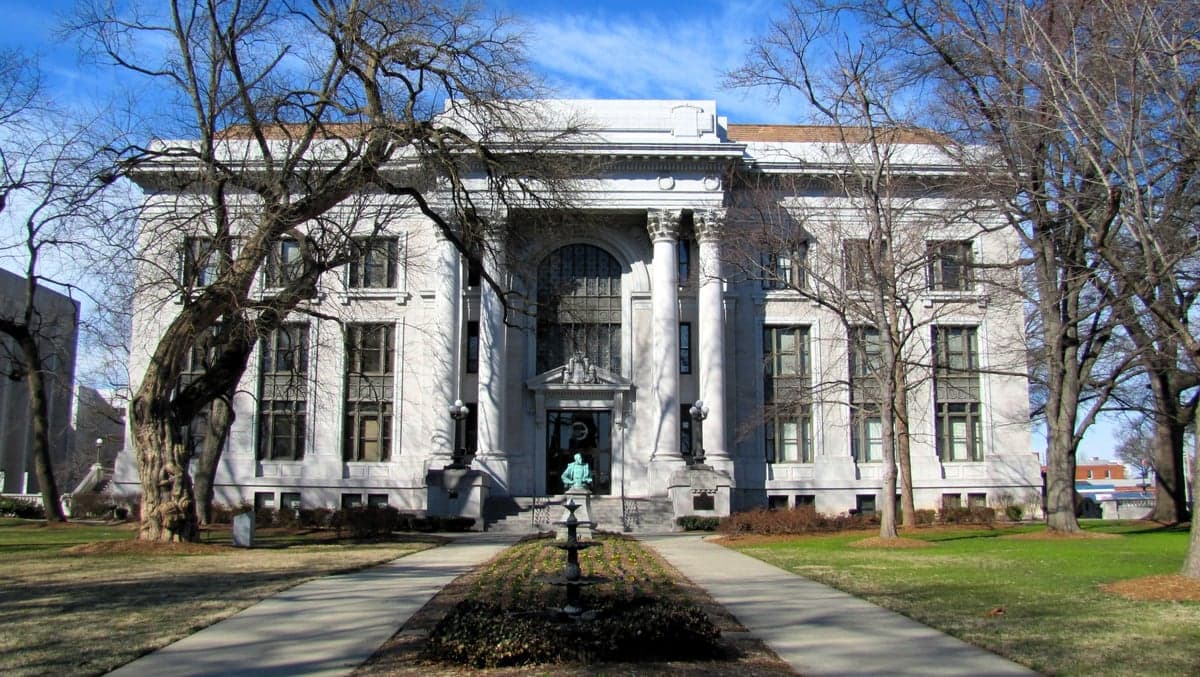
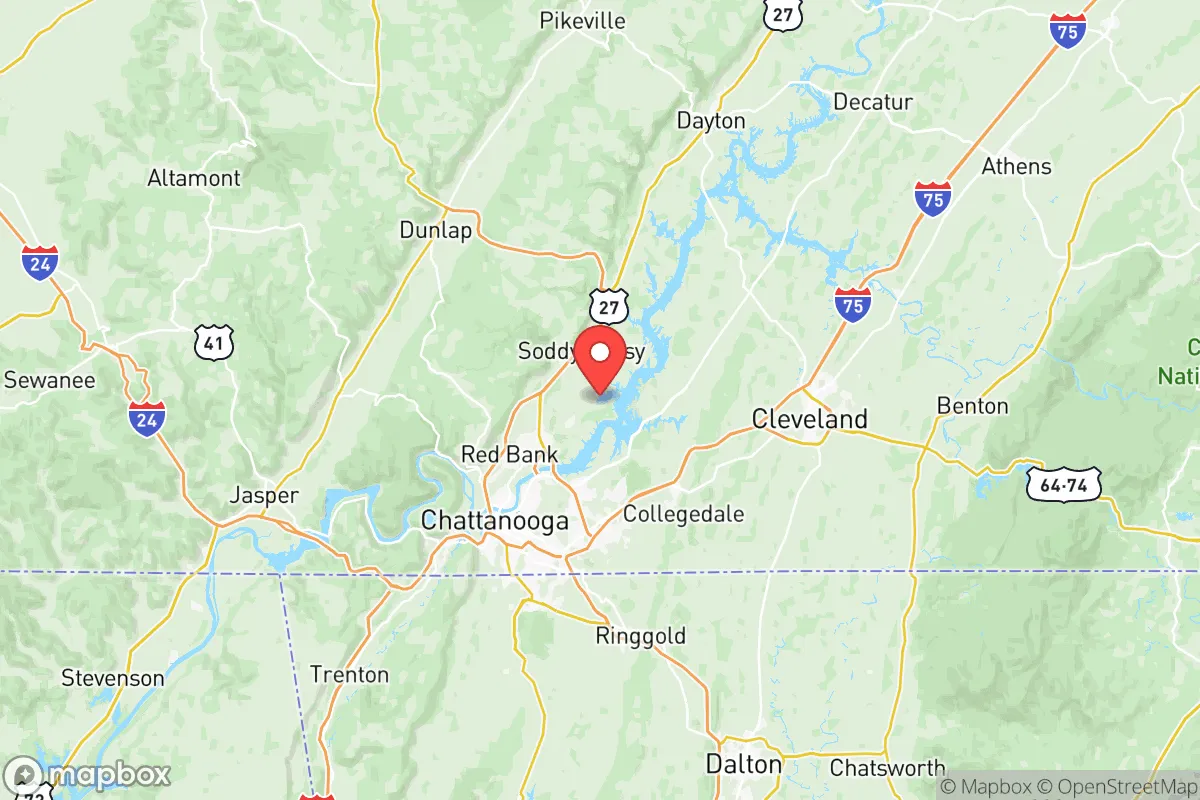
Photo: Wikipedia
Quality of Life in Hamilton County
A livable area that tracks near national norms for affordability, walkability, and neighborhood health.
What does Quality of Life tell us?
Quality of Life measures an area by evaluating factors like cost of living, nearby amenities, country club access, airport proximity, socioeconomic signals and neighborhood character. For large states, this is a general average — quality of life can vary dramatically between metro areas, suburbs, and rural communities within the same state.
What does this tell us?
Quality of Life measures an area by evaluating factors like cost of living, nearby amenities, country club access, airport proximity, socioeconomic signals and neighborhood character. For large states, this is a general average — quality of life can vary dramatically between metro areas, suburbs, and rural communities within the same state.
Cost of Living
90%
The Real Cost of Living in Hamilton County for 2026
| Tier | Individual | Family (4) |
|---|---|---|
| Survival | $19k | $35k |
| Comfortable | $55k | $81k |
| Luxury | $131k+ | $203k+ |
| Elite (Top 5%) | $174k+ | $270k+ |
Quality-of-Life Analysis
Hamilton County, Tennessee, offers a broad quality-of-life spectrum that ranges from the dense urban core of Chattanooga to quiet rural crossroads like Bakewell and Ooltewah, attracting everyone from tech professionals and outdoor enthusiasts to families seeking suburban schools and retirees looking for lower taxes. The county's character shifts noticeably within a 20-minute drive: downtown Chattanooga pulses with breweries, startups, and a walkable riverfront, while the eastern and northern edges feel like a different world of farmland, horse pastures, and small-town main streets. This diversity means a single county can accommodate a software engineer who wants a loft near the Tennessee Aquarium and a farmer who needs acreage near Sale Creek — often within the same school district.
Largest town(s) & population centers
Chattanooga is the undisputed anchor, home to roughly 185,000 residents and the region's economic engine. Daily life here centers on the revitalized Southside and North Shore neighborhoods, where the median home value of $282,100 buys a historic bungalow or a new condo within walking distance of the Chattanooga Choo Choo and the Walnut Street Bridge. The city's average commute of 21.9 minutes is notably short for a metro of its size, making it feasible to live in the urban core and still reach employers like BlueCross BlueShield of Tennessee, Volkswagen's assembly plant, or the University of Tennessee at Chattanooga. East Brainerd and Hixson function as Chattanooga's primary suburban spillover — strip-mall corridors with big-box retail, chain restaurants, and newer subdivisions that appeal to families who want city access without downtown density. The cost-of-living index sits at 100, exactly the national average, which feels reasonable given the amenities: a thriving arts scene, minor-league sports, and direct access to the Tennessee River and Lookout Mountain.
Smaller towns & rural pockets
Outside Chattanooga's orbit, distinct communities maintain their own identities. Signal Mountain, perched atop the Cumberland Plateau, is an affluent bedroom community with a walkable village center, top-rated elementary schools, and homes that often exceed $500,000 — a sharp contrast to the county average. Soddy-Daisy, to the north, feels like a classic Tennessee small town with a historic downtown, a strong sense of community, and more affordable housing stock. Further out, Sale Creek and Bakewell are genuinely rural: unincorporated areas where properties come with acreage, septic systems, and gravel driveways. Ooltewah, in the county's southeastern corner, has grown rapidly with new subdivisions and a Walmart-anchored shopping center, but still retains farmland and horse trails along Snow Hill Road. These areas offer a slower pace, lower property taxes than Chattanooga proper, and proximity to the Cherokee National Forest and Chickamauga Lake for recreation.
Cost & lifestyle range
The cost spread across Hamilton County is dramatic. At the high end, Signal Mountain and the North Shore (Chattanooga's 37405 zip code) command median home prices well above $400,000, with some riverfront properties exceeding $1 million. These areas attract professionals who prioritize walkability, views, and short commutes. At the low end, Sale Creek and parts of East Chattanooga (37406) offer median home values under $200,000, with median rent countywide at $1,163 — affordable by national standards but rising fast as Chattanooga's population grows. Lifestyle follows the same gradient: downtown residents pay a premium for access to the Tennessee Aquarium, the Hunter Museum, and 20+ miles of riverfront trails, while rural residents trade those amenities for larger lots, quieter roads, and the ability to keep livestock. The county's property tax rate (roughly 2.3% of assessed value) is moderate for Tennessee, and there is no state income tax, which benefits higher earners in the pricier enclaves.
Hamilton County works best for people who want a genuine choice between urban energy and rural quiet without leaving the same school system or county government. Young professionals and empty-nesters gravitate to Chattanooga's walkable core, while families and retirees often settle in Soddy-Daisy, Ooltewah, or Signal Mountain for the schools and space. The county's 21.9-minute average commute means even residents in the far reaches can reach downtown in under half an hour, making the trade-offs between cost and convenience less stark than in larger metros. Anyone who needs a true 24-hour city or a completely isolated homestead should look elsewhere — but for those who want both options within a single county, Hamilton delivers.

Crime in Hamilton County
Higher crime rates than 58% of comparable U.S. locations.
Violent CrimeViolent Crime Analysis
Property CrimeProperty Crime Analysis
Crime Analysis
Hamilton County, Tennessee, which encompasses Chattanooga and its surrounding suburbs, reports a violent crime rate of 496.8 per 100,000 residents and a property crime rate of 1,654.8 per 100,000, placing it above both the state and national averages for violent offenses. While the county is not among the most dangerous in the state, these figures indicate a real safety concern, particularly in the urban core of Chattanooga, where crime is concentrated. Residents and prospective movers should weigh these statistics carefully, as the county's overall numbers are heavily influenced by progressive criminal justice policies in the city that have been linked to reduced prosecution rates and higher recidivism.
Crime in context
Hamilton County's violent crime rate of 496.8 per 100,000 is roughly 40% higher than the national average of 380 per 100,000 and significantly exceeds Tennessee's statewide rate of approximately 620 per 100,000 (which is itself elevated by Memphis and Nashville). Property crime in the county, at 1,654.8 per 100,000, is slightly below the national average of 1,954 per 100,000 but remains a persistent issue. The disparity between violent and property crime rates reflects a pattern seen across Tennessee: urban centers like Chattanooga drive violent crime upward, while suburban and rural areas within the county—such as Signal Mountain, Lookout Mountain, and Collegedale—report far lower rates. The Hamilton County District Attorney's office, under progressive leadership in recent years, has implemented diversion programs and reduced sentencing for nonviolent offenders, a policy shift that critics argue has emboldened repeat offenders and contributed to the county's elevated violent crime numbers.
What residents experience
Daily life in Hamilton County varies dramatically by location. In Chattanooga's downtown and neighborhoods like East Lake, Alton Park, and Highland Park, residents frequently report property theft, vehicle break-ins, and occasional violent incidents, including aggravated assaults and robberies. The Chattanooga Police Department's 2025 data shows that over 60% of the county's violent crime occurs within the city limits, with hotspots along the Rossville Boulevard corridor and near the Chattanooga Housing Authority properties. In contrast, residents in Ooltewah, Soddy-Daisy, and Red Bank experience a much lower risk, with property crime rates roughly half the county average. The progressive policies of the Chattanooga City Council—including bail reform and reduced police funding for certain units—have been cited by local safety advocates as factors that increase the likelihood of property crime spilling into adjacent suburbs. For families, the safest daily experience is found in the county's eastern and northern suburbs, where neighborhood watch programs and conservative local governance maintain lower crime rates.
Neighborhood-level variation
The safety landscape of Hamilton County is sharply divided between the progressive urban core and the more conservative suburban and rural areas. Signal Mountain and Lookout Mountain consistently report violent crime rates below 100 per 100,000, making them among the safest communities in the region. Conversely, Chattanooga's downtown and the unincorporated areas near East Ridge and Brainerd see rates exceeding 700 per 100,000 for violent crime. The county's judicial district, which includes Chattanooga, has seen a rise in property crime since 2022, coinciding with the implementation of cite-and-release policies for low-level offenses. For those considering relocation, the safest bets are the towns of Collegedale, Harrison, and Birchwood, where crime is rare and community policing remains strong. Prospective residents should avoid areas with high concentrations of rental properties and public housing, as these correlate with the county's highest crime densities.
* Values derived from national, state, county, city and local statistics and may differ in a specific area. Last updated: 2026-10-04T23:33:32.000Z
Narrative content on this page is AI-generated and may contain mistakes. Verify any details that matter before acting on them.
ReloMaps may earn a commission from affiliate links at no extra cost to you.

