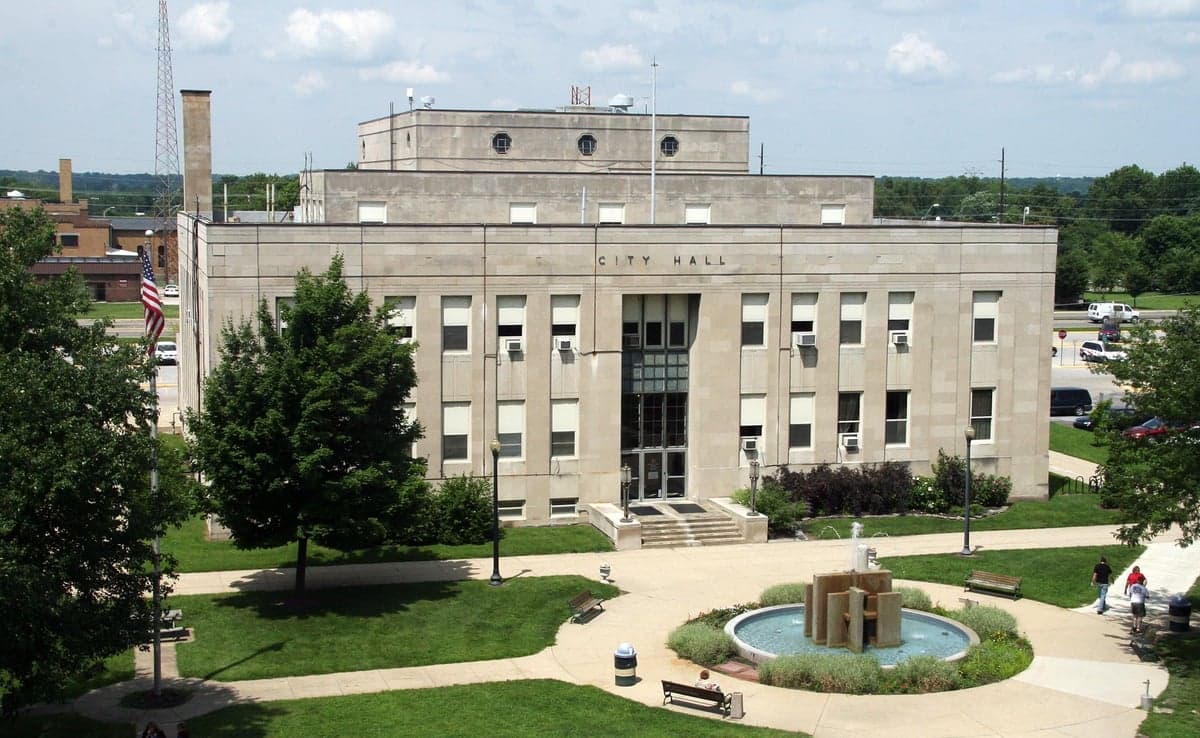
Photo: Wikipedia
Quality of Life in Terre Haute, IN
Above-average quality of iife. The area offers a reasonable cost of living, decent mobility, and a mix of neighborhood amenities.
What does Quality of Life tell us?
Quality of Life blends cost of living, nearby amenities, socioeconomic signals, and neighborhood character. City-level scores represent the whole municipality; individual neighborhoods can differ.
What does this tell us?
Quality of Life blends cost of living, nearby amenities, socioeconomic signals, and neighborhood character. City-level scores represent the whole municipality; individual neighborhoods can differ.
Cost of Living
39% below national average
The Real Cost of Living in Terre Haute, IN for 2026
| Tier | Individual | Family (4) |
|---|---|---|
| Survival | $14k | $26k |
| Comfortable | $23k | $34k |
| Luxury | $76k+ | $117k+ |
| Elite (Top 5%) | $98k+ | $152k+ |
124%
The Area Signal
A metric tracking the socioeconomic signals of the area.
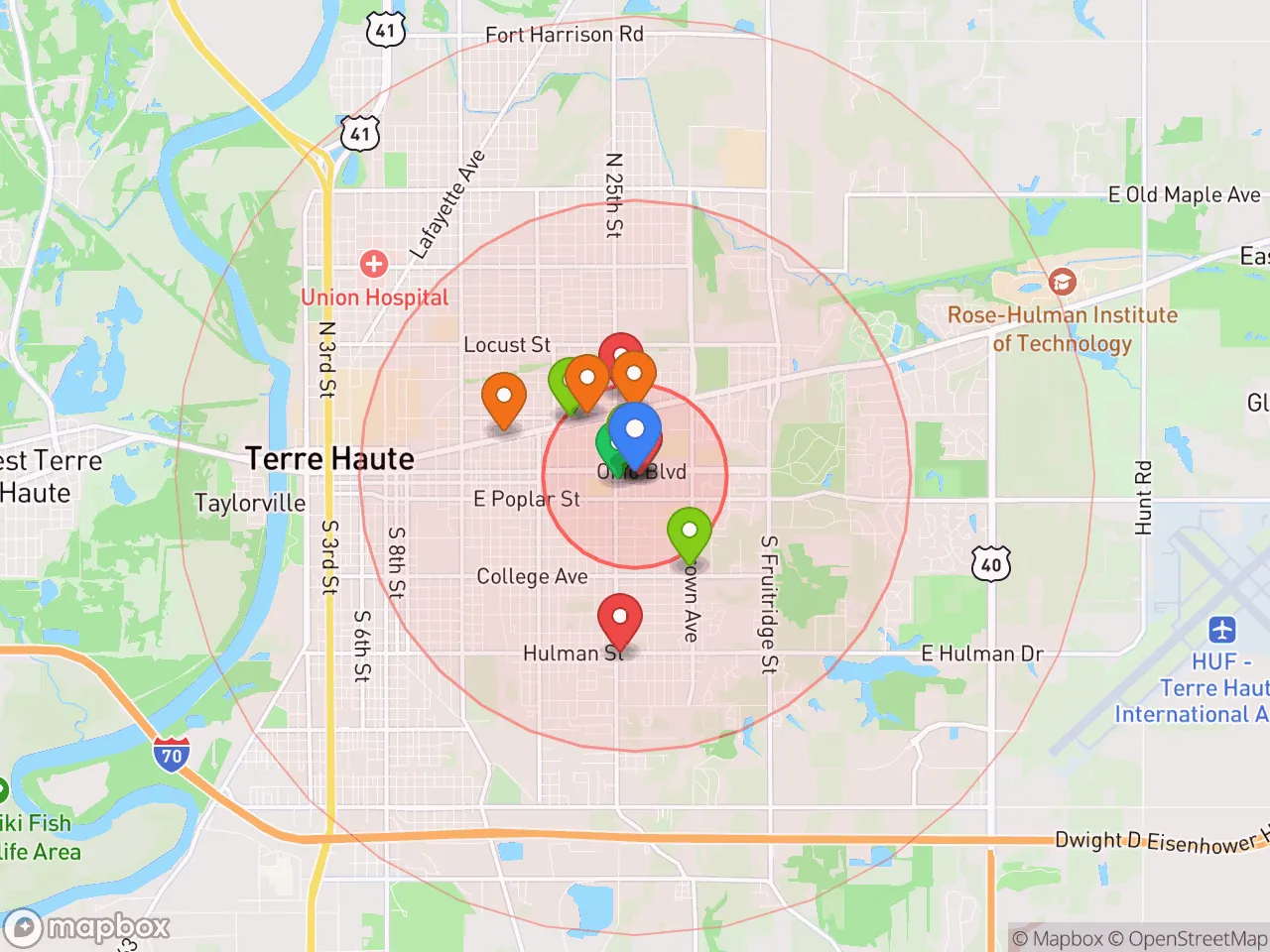
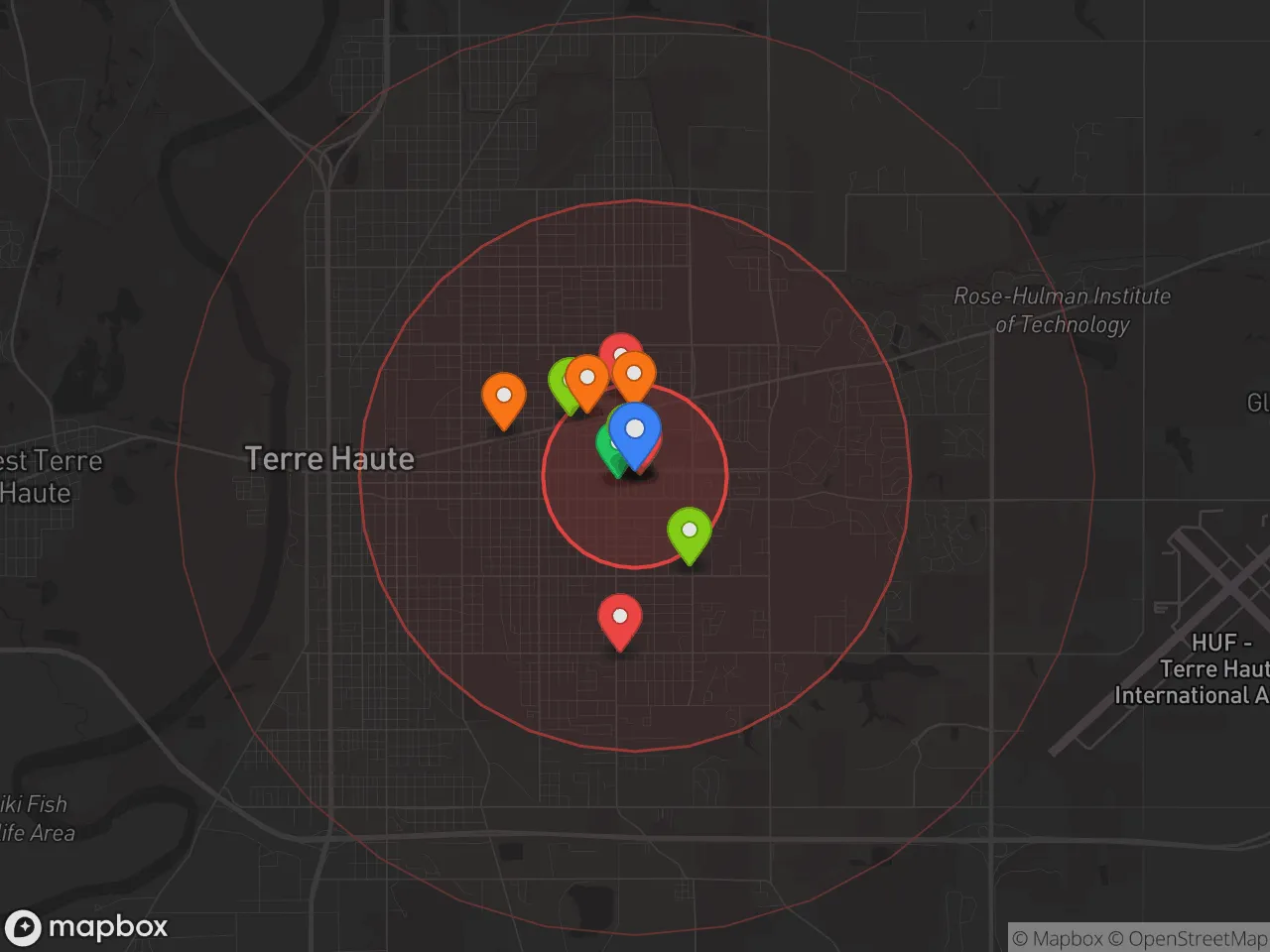
Hobbies
Explore the areaGroceries
6 within 10 miles
Gas
20 within 10 miles
Hospital
6 within 20 miles
Airport
Indianapolis International Airport
Post Office
USPS — Terre Haute, IN
Critical Amenities
Quality-of-Life Analysis
Terre Haute offers a cost of living that is dramatically lower than the national average, attracting a mix of working-class families, university faculty, and retirees seeking financial breathing room. With a cost of living index of 61 (39% below the U.S. average), the city provides an affordability that is increasingly rare in the Midwest. The median household income hovers around $44,000, reflecting a community where many residents work in education, healthcare, and manufacturing, though the area also contends with a poverty rate above the national average. This economic profile shapes a quality of life defined by low financial stress but limited high-end amenities, making Terre Haute a practical choice for those prioritizing stability over prestige.
How housing costs and daily expenses compare to nearby cities
The most striking advantage of living in Terre Haute is its housing market. The median home value sits at $109,500, a figure that is roughly half the national median and significantly undercutting nearby Indianapolis (around $230,000) and Bloomington (around $280,000). For renters, the median rent of $877 is similarly accessible, allowing a one-bedroom apartment to be secured for well under $800 in most neighborhoods. This affordability extends to utilities and groceries, which also run below national averages. The average commute time of just 18.4 minutes is a major quality-of-life bonus—far shorter than the national average of 26 minutes—meaning less time in the car and more time at home. Compared to the pricier college towns of Bloomington or West Lafayette, Terre Haute offers a clear trade-off: lower costs in exchange for a less dynamic local economy and fewer upscale retail options.
What daily life is like for families, students, and professionals
Daily life in Terre Haute revolves around a handful of strong institutions. Indiana State University and Rose-Hulman Institute of Technology anchor the community, providing cultural events, Division I athletics, and a steady influx of young adults. The Vigo County School Corporation operates several well-regarded magnet programs, though overall graduation rates lag behind state averages. For recreation, residents rely on the Wabashiki Fish and Wildlife Area for hiking and kayaking, and the Clabber Girl Museum for a taste of local history. Dining leans toward reliable chains and family-owned diners rather than trendy farm-to-table spots, with local favorites like M. Mogger's and J. Gumbo's providing variety. The city's rhythm is slower than Indianapolis or Bloomington, with fewer late-night options but a strong sense of community in neighborhoods like Farrington's Grove and Deming Park.
Who thrives in Terre Haute? The city is best suited for cost-conscious families, ISU and Rose-Hulman students, and remote workers who want a low-stress commute and affordable homeownership. Retirees on fixed incomes also find the low property taxes and quiet neighborhoods appealing. Professionals seeking vibrant nightlife, high-end shopping, or a fast-paced job market will likely feel constrained. For those who value financial freedom and a slower pace over urban excitement, Terre Haute delivers a solid, unpretentious quality of life.

Crime in Terre Haute, IN
Higher crime rates than 67% of comparable U.S. locations.
Violent CrimeViolent Crime Analysis
Property CrimeProperty Crime Analysis
Crime Analysis
Terre Haute, Indiana, reports a violent crime rate of 466.1 incidents per 100,000 residents and a property crime rate of 2,882.3 per 100,000, placing it above both state and national averages for overall crime risk. While not among the most dangerous cities in the Midwest, these figures indicate a community where residents face a higher-than-average likelihood of experiencing crime, particularly property offenses. The city’s safety profile is shaped by its status as a regional hub with economic challenges and a justice system influenced by broader progressive trends in Vigo County.
Crime in context
Terre Haute’s violent crime rate is roughly 25% higher than the national average of approximately 370 per 100,000, while its property crime rate exceeds the U.S. median by about 40%. Compared to other Indiana cities of similar size, Terre Haute falls in the middle tier—less violent than Gary or Indianapolis but notably higher than suburban communities like Carmel or Fishers. The city’s property crime rate is particularly elevated, driven by thefts and burglaries tied to economic distress and drug-related activity. Statewide, Indiana’s average violent crime rate sits near 400 per 100,000, meaning Terre Haute’s figure of 466.1 represents a meaningful but not extreme deviation. However, the combination of above-average violent and property crime creates a cumulative safety concern that warrants attention from potential residents.
What residents experience
Daily life in Terre Haute involves navigating a moderate risk of both violent and property crime. Aggravated assault accounts for the majority of violent incidents, with robbery and rape occurring less frequently but still at rates above the national norm. Property crime is the more pervasive issue: residents commonly report vehicle break-ins, package thefts, and residential burglaries, particularly in areas near the downtown core and along major corridors like US-41 and Wabash Avenue. The city’s justice system, influenced by progressive policies in Vigo County, has seen a shift toward diversion programs and reduced sentencing for nonviolent offenders. While intended to reduce incarceration, these approaches have been linked to higher recidivism and a perception among residents that property crimes are not taken seriously, emboldening repeat offenders. This dynamic is especially concerning for families and retirees who rely on neighborhood stability and responsive law enforcement.
Neighborhood-level variation is significant. Areas west of the Wabash River, including the historic Farrington’s Grove district, report lower crime rates due to stronger community watch programs and higher property values. In contrast, neighborhoods near the Indiana State University campus and the city’s east side experience elevated theft and assault rates. Prospective residents should prioritize properties in the western and southern quadrants, where police response times are shorter and crime statistics are more favorable. Overall, Terre Haute offers affordable housing but requires vigilance, particularly regarding property security and awareness of local justice trends that may reduce deterrent effects.
* Values derived from national, state, county, city and local statistics and may differ in a specific area. Last updated: 2026-04-22T07:55:25.000Z
Narrative content on this page is AI-generated and may contain mistakes. Verify any details that matter before acting on them.
ReloMaps may earn a commission from affiliate links at no extra cost to you.

