Photo: Wikipedia
Find The Best Places To Live in Blanco County
PRO TIP! You can paste a Zillow or Redfin link to get info on that property.
Best Places to Live in Blanco County
Cities & Towns in Blanco County
Cities in Blanco County
What It's Like Living in Blanco County, TX
Blanco County feels like the last stretch of authentic Hill Country before you hit the sprawl of San Antonio or Austin. It’s a place where the Pedernales River cuts through limestone, where Friday night lights still mean something, and where a median age of 50.3 tells you this isn’t a party town—it’s a place people settle into for the long haul. With just over 12,000 residents spread across Johnson City, Blanco, and the wide-open spaces between them, the county offers a slower, more self-reliant rhythm than the metro areas just an hour away.
Daily Rhythm: What People Actually Do
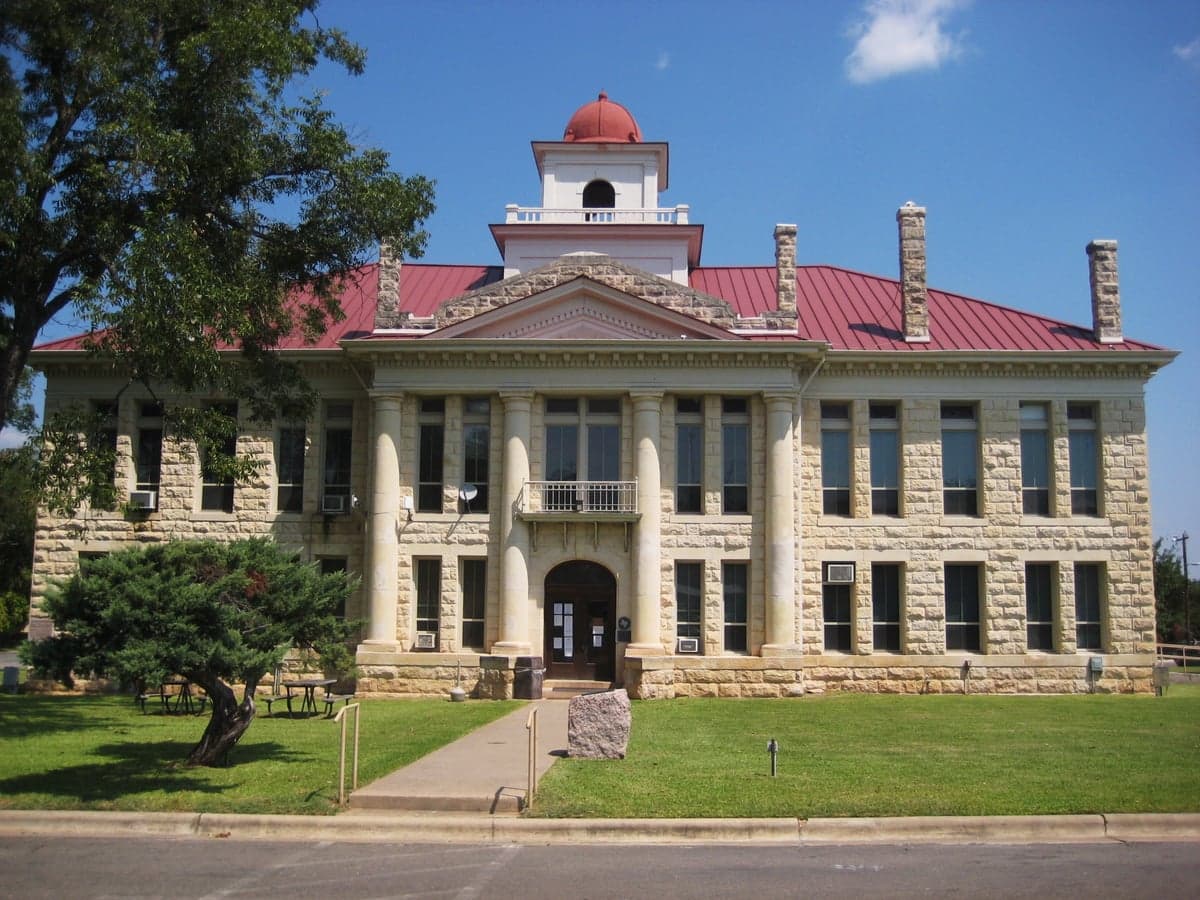
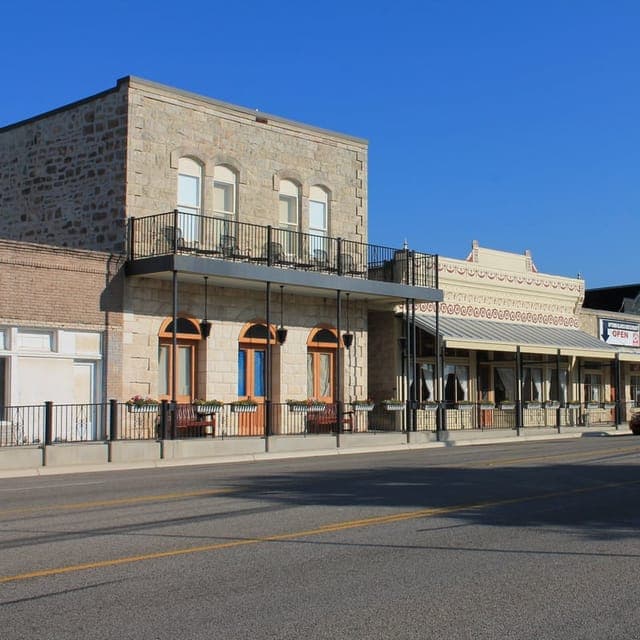
Life here revolves around the land and the clock of small-town commerce. Mornings in Johnson City start at the Pecan Street Brewing or the Blanco Brew coffee shop, where you’ll see ranchers in dusty boots next to remote workers on laptops. The average commute of about 28 minutes is a real trade-off—people drive that long to jobs in Austin or San Antonio, but they do it so they can come home to a house on an acre lot with a view of the hills. In Blanco itself, the town square feels like a movie set, with the old courthouse and a handful of antique shops that actually get traffic on weekends. Shopping is practical: H-E-B in Johnson City is the main grocery anchor, and for anything bigger, you’re driving to Kyle or San Marcos. The cost of living index sits at 104, just above the national average, but that number hides the real story—median home values of $396,200 are steep for a rural county, driven by people priced out of Austin looking for space.
Sports, Community, and the Local Identity
High school sports are the social calendar here. Johnson City High School’s Eagles and Blanco High School’s Panthers pack bleachers on Friday nights in the fall, and it’s not just parents—it’s the whole town. The Blanco County Fair & Rodeo in Johnson City is the annual anchor event, drawing families from across the region for livestock shows, mutton bustin’, and the kind of parade where every kid in town is in it. There’s no pro sports team closer than Austin, but nobody minds—the local teams are the real deal. The median income of $87,564 supports a lifestyle where people can afford a boat or a side-by-side UTV, and weekends are spent on the Pedernales River at Blanco State Park or floating the Guadalupe just south of the county line. The cultural identity is proudly independent, leaning conservative, and deeply tied to the land—you’ll see more Texas flags than American flags in some yards, and the phrase “Keep Blanco County Rural” is a genuine sentiment, not a bumper sticker joke.
What’s There to Do: Parks, Festivals, and Honest Fun
Outdoor life is the main event. Blanco State Park offers swimming holes and hiking trails that are genuinely uncrowded compared to the Guadalupe River parks. The Old 300 BBQ in Blanco is a must-stop for brisket, and Hye Market in the unincorporated community of Hye is a legendary gas station-turned-wine bar that feels like the Hill Country’s best-kept secret. Festivals include the Blanco Lavender Festival in June, which brings in crowds for the fields and local crafts, and the Johnson City Trade Days flea market that runs monthly. For music, you’re driving to Luckenbach (20 minutes west) or Gruene Hall (45 minutes south) for real Texas dance halls—there’s no venue of that scale inside the county. The violent crime rate of 344.4 per 100,000 is higher than the national average, and locals will tell you it’s mostly domestic incidents and property crime tied to the rural isolation, not random street violence. Still, it’s a real concern for families moving from safer suburban enclaves.
Pros and Cons of Living Here
The upsides are tangible: space, quiet, and a community where people know your name. The 34.3% college-educated rate means you’ll find neighbors who are doctors, engineers, and remote professionals, not just ranchers—though the ranchers are the backbone. The downsides are equally real. Healthcare is thin—the nearest hospital with a full ER is in San Marcos or Fredericksburg, both 30+ minutes away. Summer heat is relentless, with July and August pushing 100°F, and the cedar allergies from October to March are brutal for newcomers. Internet can be spotty outside the town limits, though fiber is slowly rolling out. And the median age of 50.3 means this isn’t a place with a bustling singles scene—if you’re under 30 and looking for nightlife, you’ll feel the isolation. What frustrates longtime residents most is the rising property taxes driven by Austin spillover—people who bought in 2010 for $200,000 now see their neighbors’ homes selling for $500,000, and the tax appraisals follow. But for the right person—someone who wants a garden, a workshop, and a view of the stars without light pollution—Blanco County delivers exactly what it promises.

* Values derived from national, state, county, city and local statistics and may differ in a specific area. Last updated: 2026-06-07T17:41:09.000Z
Narrative content on this page is AI-generated and may contain mistakes. Verify any details that matter before acting on them.
ReloMaps may earn a commission from affiliate links at no extra cost to you.

