Photo: Wikipedia
Find The Best Places To Live
in New Braunfels
PRO TIP! You can paste a Zillow or Redfin link to get info on that property.
What It's Like Living in New Braunfels, TX
New Braunfels has a way of surprising people. You come for the river, maybe a weekend at Schlitterbahn, and you leave wondering if you could actually live here. The answer depends on how you feel about traffic jams on I-35, high school football that feels like a pro game, and a town that’s growing fast but still holds onto its German roots. It’s not a sleepy Hill Country village anymore—it’s a full-on city of 98,700 people that balances tourist energy with a surprisingly settled family vibe.
Daily Rhythm: What Weekends and Weeknights Actually Look Like
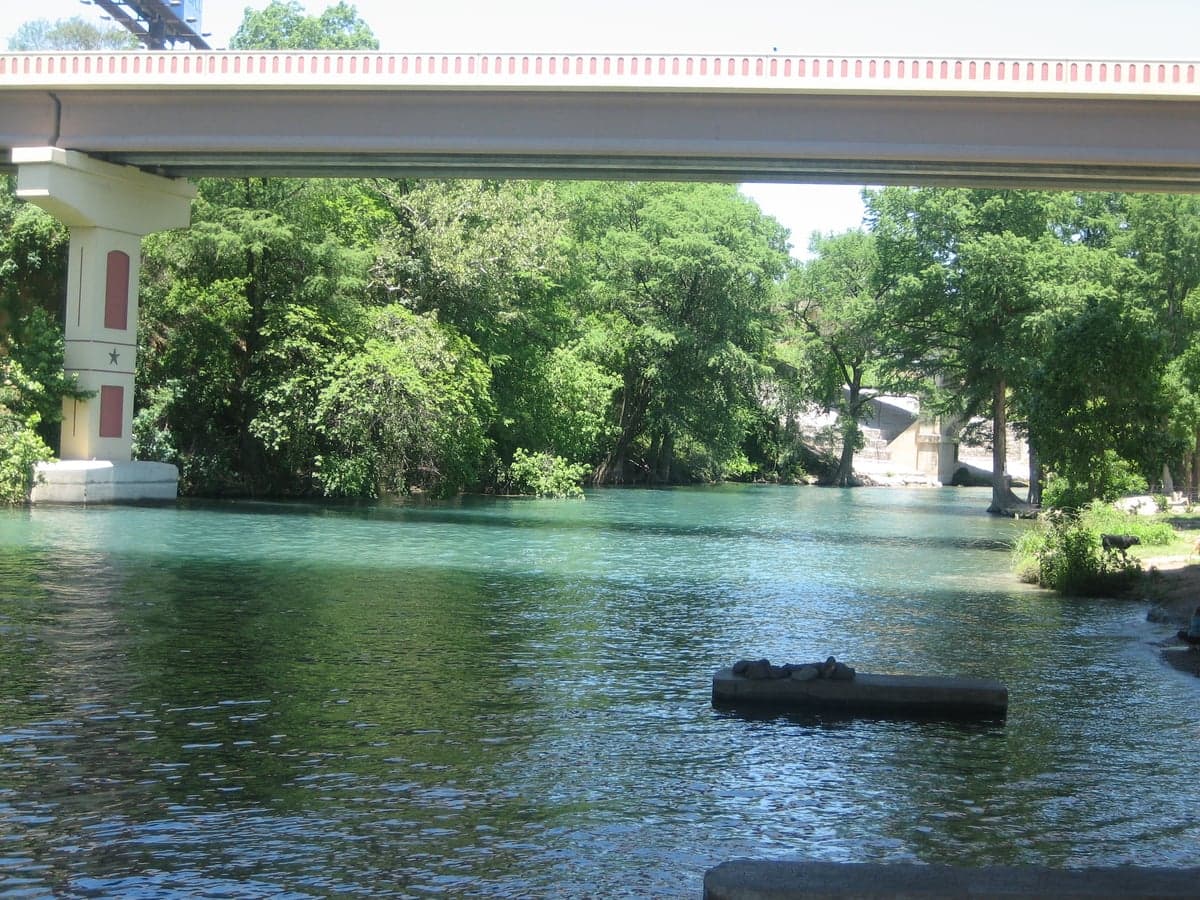
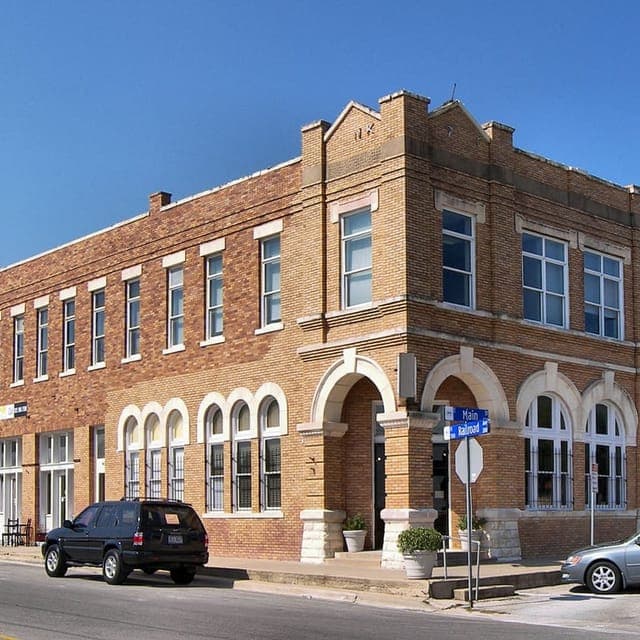
Most locals don’t spend their weekends at Schlitterbahn. They’re on the Guadalupe or Comal River with a cooler and a tube, or they’re at Krause’s Cafe on the main square for a schnitzel and a beer. The grocery store of choice is H-E-B, and on a Saturday morning the parking lot near Creekside is a test of patience. People shop at Creekside Town Center for Target runs and chain restaurants, but the real character lives downtown on Seguin Avenue—antique shops, a local bookstore, and McAdoo’s Seafood for oysters. The average commute is about 27 minutes, which feels longer than it sounds because I-35 between New Braunfels and San Antonio can turn a 20-mile drive into an hour during rush hour. Many residents work in San Antonio or Austin and choose New Braunfels for the slower pace, but that pace comes with a price: you’ll spend more time in the car than you’d like.
Sports, Festivals, and the Town’s Social Pulse
High school football here is not a casual pastime. New Braunfels High School Unicorns and Canyon High School Cougars fill stadiums on Friday nights, and the rivalry is genuine. If you don’t have a kid on the field, you still know the score because everyone talks about it at church or the office. For pro sports, San Antonio’s Spurs are the default, but the real local obsession is Wurstfest—a ten-day celebration of sausage, beer, and German music every November. It draws over 100,000 people and basically shuts down downtown. Beyond that, Gruene Hall in the historic Gruene district is the oldest dance hall in Texas, hosting live music from country to rock six nights a week. Locals also spend weekends at Landa Park, a 51-acre green space with spring-fed pools and trails, or floating the Comal River, which is so short (about 2.5 miles) that you can do it in two hours and then hit a barbecue joint. The New Braunfels Farmers Market on Saturdays is where you’ll see the same faces week after week—it’s a small-town ritual that survives the growth.
Who Fits In Here—and Who Might Struggle
The median age is 36.4, and the median household income is $88,257, which tells you this is a place for people who are established but not wealthy. You’ll find a lot of families with young kids, plus a growing number of remote workers who traded Austin rent for a house with a yard. The cost of living index is 124 (24% above the national average), and the median home value is $315,100—that’s steep for Texas but cheap compared to Austin or Dallas. About 38.6% of adults hold a college degree, so the workforce leans professional: healthcare at Christus Santa Rosa Hospital, manufacturing at Continental Automotive, and a lot of people in construction and trades thanks to the building boom. The kind of person who thrives here is someone who wants a slower pace but still needs a decent job and doesn’t mind driving for it. If you’re single and under 25, you might find the nightlife limited—there are bars like The Pour Haus and Faust Brewing Company, but it’s not a club scene. If you’re a parent, the schools are a major draw, and the community revolves around school events, church, and youth sports.
Pros and Cons of Living Here
- Pro: The rivers are a genuine lifestyle perk. You can float, fish, or kayak within a 10-minute drive from almost anywhere in town. Summer weekends are built around the water.
- Pro: The schools are solid and deeply integrated into community life. Parents know each other, and the district gets consistent above-average ratings.
- Pro: You’re 30 minutes from San Antonio and 45 minutes from Austin, so big-city amenities are close without the daily noise.
- Con: Traffic on I-35 is genuinely bad, and it’s getting worse. The city is growing faster than the roads can handle, and there’s no easy fix.
- Con: The violent crime rate is 224 per 100,000—lower than the national average but higher than many neighboring suburbs. Property crime, especially theft from vehicles near tourist spots, is a real annoyance.
- Con: Summers are hot and humid, and the river crowds can make you feel like you’re in a theme park line. Locals learn to go early or on weekdays.
New Braunfels is not a hidden gem anymore—it’s a known quantity, and the growth shows. But the core of the town still works: the river, the dance hall, the Friday night lights, and the sense that people know their neighbors. If you can handle the commute and the summer heat, it’s a place where you can actually put down roots without feeling like you’re in a sprawling suburb. The quirks—like the annual sausage festival and the obsession with tube floats—are part of the charm. It’s not for everyone, but for the people it fits, it fits hard.

Similar small cities to New Braunfels

* Values derived from national, state, county, city and local statistics and may differ in a specific area. Last updated: 2026-04-29T12:59:19.000Z
Narrative content on this page is AI-generated and may contain mistakes. Verify any details that matter before acting on them.
ReloMaps may earn a commission from affiliate links at no extra cost to you.

