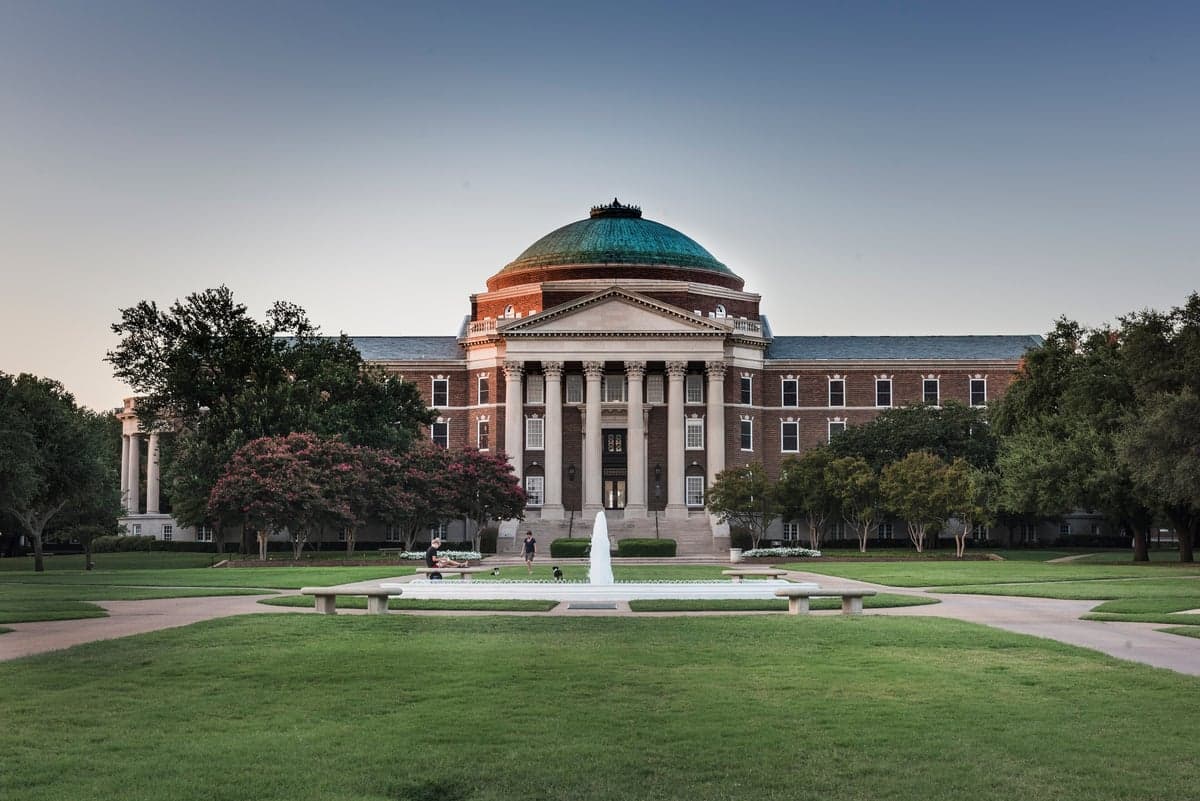
Photo: Wikipedia
Quality of Life in Dallas County
A livable area that tracks near national norms for affordability, walkability, and neighborhood health.
What does Quality of Life tell us?
Quality of Life measures an area by evaluating factors like cost of living, nearby amenities, country club access, airport proximity, socioeconomic signals and neighborhood character. For large states, this is a general average — quality of life can vary dramatically between metro areas, suburbs, and rural communities within the same state.
What does this tell us?
Quality of Life measures an area by evaluating factors like cost of living, nearby amenities, country club access, airport proximity, socioeconomic signals and neighborhood character. For large states, this is a general average — quality of life can vary dramatically between metro areas, suburbs, and rural communities within the same state.
Cost of Living
46%
The Real Cost of Living in Dallas County for 2026
| Tier | Individual | Family (4) |
|---|---|---|
| Survival | $59k | $110k |
| Comfortable | $110k | $161k |
| Luxury | $134k+ | $208k+ |
Quality-of-Life Analysis
Dallas County, Texas, offers a quality-of-life spectrum that spans dense urban centers, established suburban towns, and quiet rural pockets, attracting everyone from young professionals and corporate transplants to families seeking good schools and retirees looking for lower taxes. The county's median home value of $277,900 and median rent of $1,469 place it above the national average, but costs vary dramatically depending on whether you choose a high-rise in downtown Dallas or a ranch-style home in the county's eastern unincorporated areas. With an average commute of 27.2 minutes, residents trade time for access to one of the nation's largest metro economies, though traffic patterns differ sharply between the urban core and the outer towns.
Largest town(s) & population centers
The overwhelming population center is the city of Dallas itself, which anchors the county with roughly 1.3 million residents. Daily life here is defined by a 24/7 urban rhythm: the Arts District, Deep Ellum's live music scene, and the sprawling Dallas-Fort Worth International Airport provide constant activity. High-density neighborhoods like Uptown and Knox-Henderson cater to professionals with walkable bars and restaurants, while historic districts such as Oak Cliff and Lakewood offer older homes and tree-lined streets. The city's job market is dominated by finance, technology, and healthcare, with major employers including AT&T, Texas Health Resources, and Southwest Airlines. For those seeking a slightly slower pace within the urban orbit, Irving (pop. 256,000) and Garland (pop. 246,000) function as large suburban cities with their own downtowns, school districts, and industrial parks. Irving's Las Colinas area is a major corporate hub, while Garland provides more affordable housing stock and a strong manufacturing base.
Smaller towns & rural pockets
Beyond the urban core, Dallas County contains several smaller communities that retain distinct identities. Cedar Hill (pop. 49,000) sits on the county's southwestern edge, offering a mix of lakefront properties on Joe Pool Lake and a historic downtown square with local shops. Coppell (pop. 42,000) in the northwest is a tight-knit suburb known for its highly rated Coppell Independent School District and a low crime rate, attracting families willing to pay a premium for space. On the eastern side, Seagoville (pop. 18,000) and Wilmer (pop. 4,000) are smaller towns with a more rural feel, where residents often commute to Dallas or work in logistics and warehousing. Unincorporated areas like Combine and Sunnyvale (the latter technically a town of about 7,000) offer larger lots, horse properties, and a slower pace, though they remain within 30 minutes of downtown Dallas. These pockets are where the county's agricultural past lingers, with some working farms and ranches still operating.
Cost & lifestyle range
The cost-of-living spread across Dallas County is wide. At the high end, neighborhoods like Highland Park and University Park (enclaves within Dallas) command median home values above $1 million, with private schools and proximity to Southern Methodist University. In contrast, the city of Dallas itself has a median home value of $277,900, but prices drop significantly in southern sectors like South Dallas and West Dallas, where fixer-uppers can be found under $200,000. Suburban towns like Carrollton and Farmers Branch offer median values around $350,000–$400,000, balancing affordability with good schools and access to the DART light rail. At the lower end, Seagoville and Wilmer see median home values near $200,000, with rents averaging $1,200–$1,400. Lifestyle choices mirror these costs: urban dwellers pay more for smaller spaces but gain walkability and nightlife, while rural residents trade commute time for acreage and lower property taxes. The county's property tax rate averages 2.3%, but varies by school district and municipality, making tax research essential for budget-conscious movers.
Dallas County suits a broad range of residents, but it particularly rewards those who value economic opportunity and diversity of experience. Young professionals and empty-nesters thrive in the urban core's high-density neighborhoods, while families with school-age children gravitate toward the suburban towns with strong districts like Coppell and Highland Park. Retirees on fixed incomes may find better value in the smaller eastern towns or unincorporated areas, where lower home prices and quieter streets offset longer commutes. The county's sheer size—over 900 square miles—means that almost any lifestyle preference can be accommodated, provided the resident is willing to navigate the trade-offs between cost, commute, and community character.

Crime in Dallas County
Crime rates similar to the national median for U.S. locations.
Violent CrimeViolent Crime Analysis
Property CrimeProperty Crime Analysis
Crime Analysis
Dallas County presents a mixed safety picture shaped by a stark contrast between its urban core and suburban communities. The county recorded a violent crime rate of 342.3 per 100,000 residents and a property crime rate of 1,780.9 per 100,000 in the most recent reporting period. While these figures place Dallas County above the national average for violent offenses, the county's vast geography means safety conditions vary dramatically from one neighborhood to the next, with some cities posting crime rates comparable to the safest in Texas.
Crime in context
Dallas County's violent crime rate sits roughly 20% above the national average, while its property crime rate is about 10% higher than the Texas state average. The county's overall numbers are heavily influenced by the city of Dallas itself, which accounts for the majority of reported incidents. By contrast, suburban cities within the county — such as Coppell, Highland Park, and University Park — consistently report violent crime rates below 100 per 100,000, making them among the safest communities in North Texas. The gap between Dallas and its suburbs is one of the widest in any Texas county, driven largely by concentrated poverty and gang activity in certain urban corridors. Property crime, particularly vehicle theft and burglary, remains a persistent concern across the county, though rates have declined modestly since 2022.
What residents experience
Daily safety experiences in Dallas County depend heavily on where a person lives, works, and commutes. Residents in the city of Dallas, especially in southern sectors like Oak Cliff and Pleasant Grove, report higher exposure to theft, vandalism, and occasional violent incidents. In contrast, residents of Garland, Mesquite, and Richardson experience property crime rates closer to the national average, with violent crime largely confined to specific apartment complexes or commercial strips. The county's public transit system, DART, sees elevated theft and assault reports at certain stations, particularly in downtown Dallas and along the Green Line. Many suburban residents report feeling safe walking at night in their neighborhoods, while urban residents often cite car break-ins and package theft as routine annoyances. The Dallas County District Attorney's office, under progressive leadership in recent years, has faced criticism for declining to prosecute certain low-level property crimes and drug offenses, a policy that some residents and business owners say has emboldened repeat offenders and contributed to a perception of lawlessness in parts of the urban core.
Neighborhood-level variation
The most dramatic safety disparities exist between Dallas County's affluent enclaves and its high-poverty neighborhoods. Highland Park and University Park, which maintain their own police departments, report violent crime rates below 50 per 100,000 — comparable to the safest suburbs in the nation. Meanwhile, south Dallas ZIP codes 75215 and 75210 report violent crime rates exceeding 800 per 100,000, driven by gang violence and drug-related shootings. Suburban cities like Carrollton and Farmers Branch fall in the middle, with property crime rates near the county average but violent crime rates roughly half of Dallas's. The county's eastern suburbs, including Rowlett and Sachse, benefit from lower population density and proactive community policing, resulting in crime rates that are 30-40% below the county average. For prospective residents, choosing a specific city or neighborhood within Dallas County is the single most important factor determining personal safety, as the difference between the safest and most dangerous areas is a factor of 10 or more in violent crime rates.
* Values derived from national, state, county, city and local statistics and may differ in a specific area. Last updated: 2026-04-10T22:23:48.000Z
Narrative content on this page is AI-generated and may contain mistakes. Verify any details that matter before acting on them.
ReloMaps may earn a commission from affiliate links at no extra cost to you.

