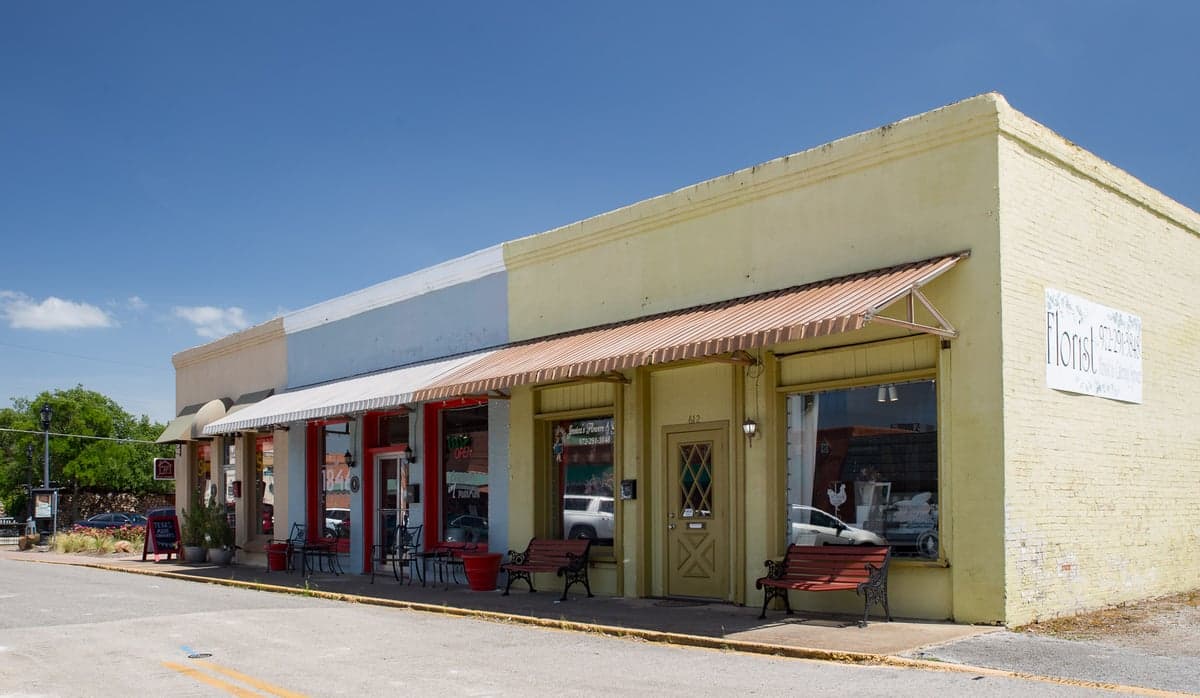
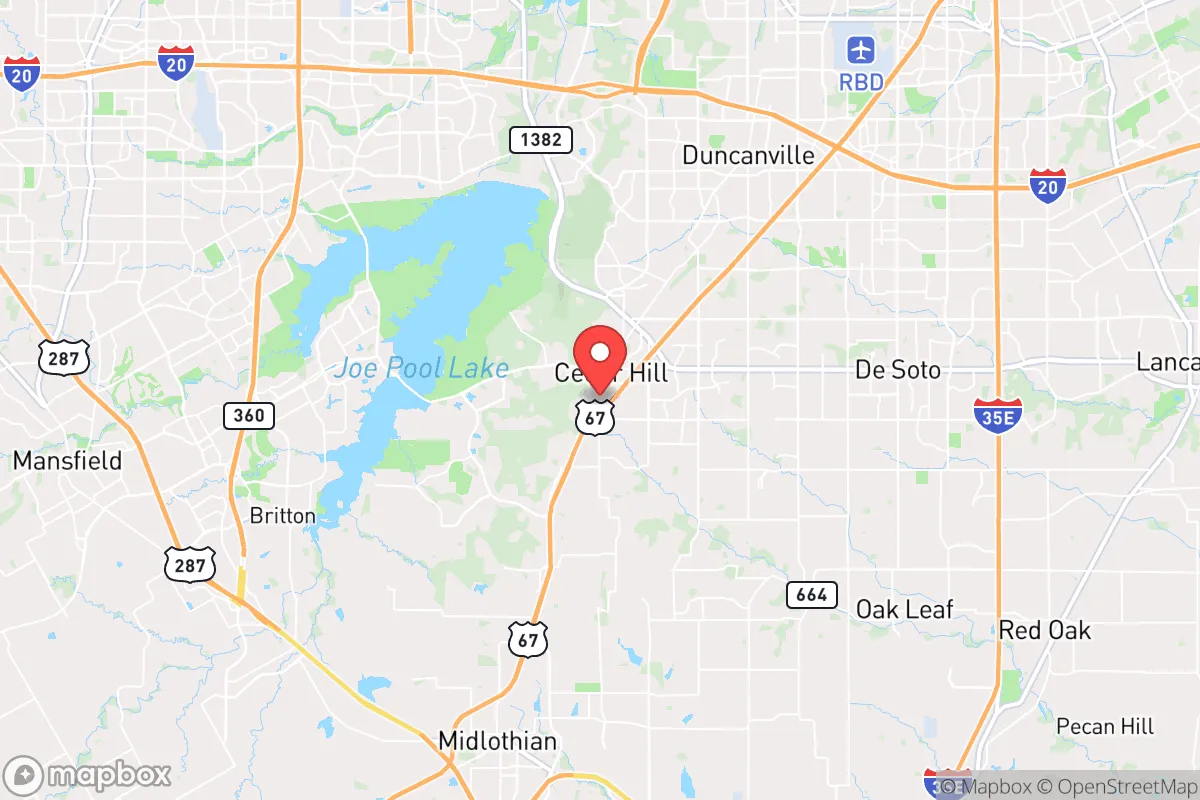
Photo: Wikipedia
Find The Best Places To Live
in Cedar Hill
PRO TIP! You can paste a Zillow or Redfin link to get info on that property.
What It's Like Living in Cedar Hill, TX
Cedar Hill feels like a place where people intentionally land, not just pass through. Perched on the eastern edge of the Balcones Escarpment, it offers genuine hill country views and a slower, more deliberate pace than the Dallas-Fort Worth sprawl that surrounds it. With a population hovering around 48,500, it’s big enough to have its own identity but small enough that you’ll start recognizing faces at the local H-E-B or the Saturday morning farmers market at the Cedar Hill Government Center.
The Daily Rhythm: Work, Commute, and Weekend Life
Most residents work outside the city limits, and the average commute of about 32 minutes is a real trade-off for the space and quiet you get in return. People head north toward Dallas or east toward the telecom corridor in Richardson and Plano. The upside is that when you’re home, you’re home. Weekends often revolve around Joe Pool Lake — fishing, kayaking, or just parking at Loyd Park for a grill-out with friends. The median income of $90,608 supports a comfortable middle-class lifestyle, and the median home value of $273,200 is noticeably lower than comparable suburbs closer to Dallas, which is a big draw for families and single professionals who want a yard and a garage without a six-figure mortgage.
Dining leans toward reliable chains and a few local standbys. Babe’s Chicken Dinner House is the unofficial town hall on a Friday night, serving family-style fried chicken that draws lines out the door. For a quieter evening, Third Coast Pizza & Grill on Uptown Boulevard is where locals grab a craft beer and a pie after a hike at the nearby Cedar Hill State Park. The cost of living index sits at 136, which is 36% above the national average — you’ll notice it most at the pump and the grocery store, but housing still feels like a relative bargain compared to Frisco or McKinney.
Sports, Schools, and Community Identity
High school football is the closest thing Cedar Hill has to a civic religion. Cedar Hill High School’s Longhorns are a perennial powerhouse in Texas 6A football, and Friday night games at Longhorn Stadium pack the stands with parents, alumni, and neighbors who don’t even have kids in the district. The team’s state championships in 2006 and 2014 are still a point of pride you’ll hear brought up at the barbershop or the post office. For pro sports, most residents are Dallas Cowboys or Texas Rangers fans by default, but the local high school games generate more genuine community buzz than any pro franchise does.
The schools themselves are a major reason families choose Cedar Hill. The Cedar Hill Independent School District has a reputation for solid academics and strong extracurricular programs, and it’s common to see school events — band concerts, theater productions, booster club fundraisers — listed on community calendars alongside city council meetings. About 30.9% of residents hold a college degree, which is below the national average for suburbs, but the community values trade skills and small business ownership just as much. You’ll meet as many HVAC contractors and electricians as you will corporate managers.
What There Is to Do — and What Frustrates People
Outdoor life is the main draw. Cedar Hill State Park covers over 1,800 acres on the shores of Joe Pool Lake, with hiking trails that offer genuine elevation changes — rare in this part of Texas. The Dinosaur Valley Trail and the Talala Trail are popular for mountain biking and trail running. The city also hosts “Music on Main” concerts in the historic downtown district during summer, plus a well-attended Fourth of July celebration at the park with fireworks over the lake. For a quieter night, Uptown Village is the main shopping center — think Target, Ulta, and a movie theater — nothing fancy, but it covers the basics.
Now for the honest downsides. The violent crime rate of 158.9 per 100,000 is about 30% higher than the national average, and while it’s concentrated in specific areas and not random, it’s a fact that longtime residents will mention if you ask. Property crime — especially vehicle break-ins — is the more common annoyance. Traffic on US-67 through town can back up during rush hour, and the commute to downtown Dallas can feel longer than the 32-minute average suggests if you hit it wrong. Some locals also grumble that the city hasn’t kept up with restaurant variety — there’s no real fine dining, and if you want sushi or a proper ramen bowl, you’re driving to Duncanville or DeSoto.
Who Fits In — and Who Might Not
Cedar Hill works best for people who want a genuine community feel without the pretension of some Dallas exurbs. It’s a place where single professionals in their 30s can afford a starter home with a yard, where parents can let kids play in the neighborhood without hovering, and where retirees can settle into a quieter chapter without being bored. The median age of 35 reflects that sweet spot — old enough to have some life experience, young enough to still be building something. If you need a vibrant nightlife, walkable coffee shops on every corner, or a scene that changes every weekend, this isn’t it. But if you want a solid, unflashy place to put down roots, with good schools, real seasons (summers are brutal, springs are gorgeous), and neighbors who’ll actually bring you a casserole when you’re sick, Cedar Hill delivers.

Similar towns to Cedar Hill
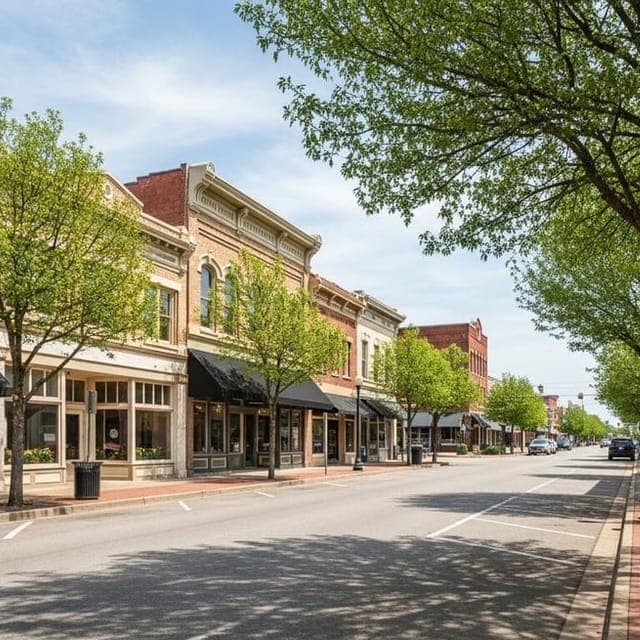
* Values derived from national, state, county, city and local statistics and may differ in a specific area. Last updated: 2026-05-16T22:40:44.000Z
Narrative content on this page is AI-generated and may contain mistakes. Verify any details that matter before acting on them.
ReloMaps may earn a commission from affiliate links at no extra cost to you.

