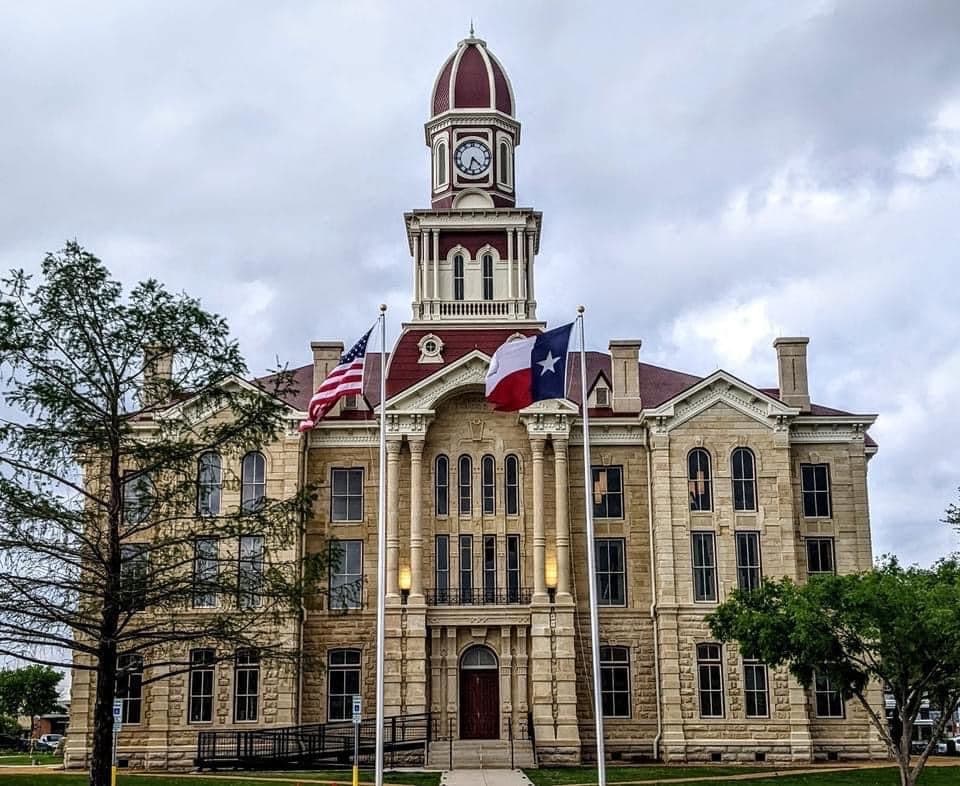
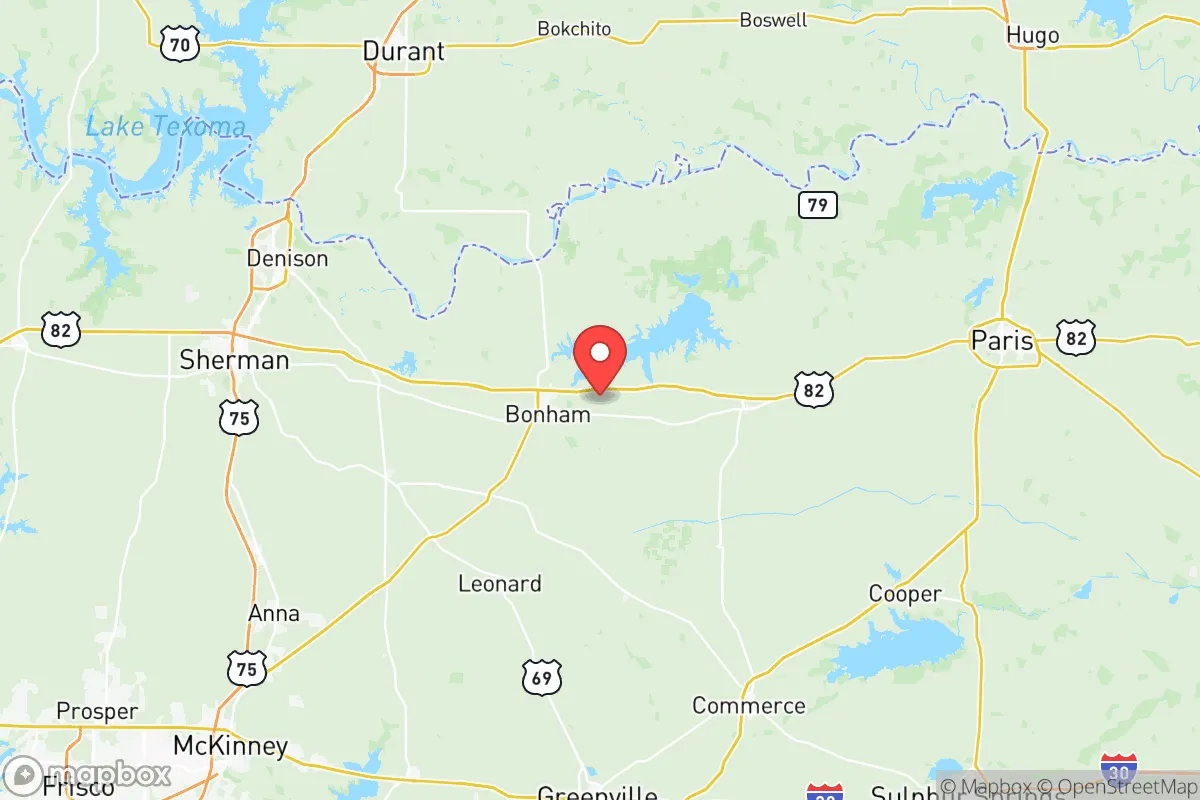
Photo: Wikipedia
Quality of Life in Fannin County
A livable area that tracks near national norms for affordability, walkability, and neighborhood health.
What does Quality of Life tell us?
Quality of Life measures an area by evaluating factors like cost of living, nearby amenities, country club access, airport proximity, socioeconomic signals and neighborhood character. For large states, this is a general average — quality of life can vary dramatically between metro areas, suburbs, and rural communities within the same state.
What does this tell us?
Quality of Life measures an area by evaluating factors like cost of living, nearby amenities, country club access, airport proximity, socioeconomic signals and neighborhood character. For large states, this is a general average — quality of life can vary dramatically between metro areas, suburbs, and rural communities within the same state.
Cost of Living
18% below national average
112%
The Real Cost of Living in Fannin County for 2026
| Tier | Individual | Family (4) |
|---|---|---|
| Survival | $16k | $30k |
| Comfortable | $41k | $61k |
| Luxury | $124k+ | $191k+ |
| Elite (Top 5%) | $155k+ | $240k+ |
Quality-of-Life Analysis
Fannin County, Texas, offers a broad quality-of-life spectrum that ranges from the walkable, amenity-rich environment of its largest town, Bonham, to the deep quiet of unincorporated communities like Telephone and Ravenna. With a cost of living index of 82 — well below the national average of 100 — and a median home value of $213,500, the county attracts a mix of Dallas-Fort Worth commuters seeking affordable acreage, retirees looking for small-town peace, and families drawn to its rural schools and low crime rates. The average commute of 32 minutes reflects the county’s role as a bedroom community for the Metroplex, but daily life varies dramatically depending on whether you live in a town with sidewalks and a grocery store or on a gravel road 20 miles from the nearest traffic light.
Largest town(s) & population centers
Bonham, the county seat and largest city (population roughly 10,000), is the commercial and civic hub. Daily life here centers around the historic downtown square, which hosts the Fannin County Courthouse, local diners, and boutique shops. The city has a Walmart Supercenter, a regional hospital (TMC Bonham Hospital), and several parks including the 40-acre Bonham State Park. Housing is affordable — median home values hover around $200,000 — and the town offers a mix of older Craftsman homes and newer subdivisions. Honey Grove (pop. ~1,700) is the second-largest incorporated town, known for its well-preserved Victorian architecture and a slower pace. It has a small grocery store, a pharmacy, and a public library, but residents typically drive 20 minutes to Bonham or 30 minutes to Paris for major shopping and healthcare. Both towns have strong school systems (Bonham ISD and Honey Grove ISD) with graduation rates above 90%, making them popular with families who want a small-town upbringing without total isolation.
Smaller towns & rural pockets
Beyond the population centers, Fannin County is dotted with unincorporated communities and tiny towns that define its rural character. Leonard (pop. ~2,000) sits along US-69 and has a growing bedroom-community feel, with new subdivisions attracting DFW commuters. Trenton (pop. ~700) is a classic North Texas farm town with a grain elevator and a single stoplight; its school district is highly rated for its size. Dodd City (pop. ~400) and Ravenna (pop. ~200) are essentially crossroads communities with a post office and a church, where residents often live on 5- to 20-acre tracts. Telephone, an unincorporated area named for a 19th-century phone line, has no store or gas station — just scattered homes and farmland. These areas offer the lowest property prices in the county: raw land can be found for $3,000–$5,000 per acre, and older mobile homes on acreage sell for under $100,000. The trade-off is a 40- to 50-minute commute to Bonham or Sherman for work and errands, and reliance on well water and septic systems.
Cost & lifestyle range
The cost-of-living spread across Fannin County is significant. At the high end, Bonham’s newer subdivisions (e.g., the Lake Bonham area) see home values of $250,000–$350,000 for 3-bedroom homes on half-acre lots, with median rent at $994 aligning closely with the county average. These areas offer municipal water, natural gas, and high-speed internet from providers like Rise Broadband. At the low end, rural properties near Ladonia or Randolph can be purchased for $120,000–$160,000, but often lack natural gas hookups and rely on propane tanks, and internet options may be limited to satellite or fixed wireless. Property taxes in Fannin County average about 1.6% of assessed value, slightly below the Texas state median, which keeps carrying costs low. The lifestyle range is equally broad: Bonham residents can walk to a coffee shop or the county library, while a family on 10 acres near Selfs (an unincorporated area east of Bonham) might drive 15 miles for a gallon of milk. The county’s 32-minute average commute masks this divide — Bonham residents often work locally or in Sherman (20 minutes), while rural residents near the Collin County line may commute 45–60 minutes to Plano or McKinney.
Fannin County best suits those who value space and affordability over urban convenience. Retirees on fixed incomes thrive in Bonham’s walkable core, where the cost of living is 18% below the national average. DFW commuters willing to trade a longer drive for acreage find value in the Leonard and Trenton areas. And families seeking a rural upbringing with strong schools gravitate to Honey Grove or the unincorporated pockets near the Red River. The county’s diversity of options — from a historic town square to a 20-acre hayfield — means the right fit depends almost entirely on how much solitude and self-reliance a resident wants.

Crime in Fannin County
Crime rates similar to the national median for U.S. locations.
Violent CrimeViolent Crime Analysis
Property CrimeProperty Crime Analysis
Crime Analysis
Fannin County, located roughly 65 miles northeast of Dallas along the Oklahoma border, presents a mixed safety profile that falls between rural Texas norms and the elevated crime rates seen in larger neighboring counties. With a violent crime rate of 344.4 per 100,000 residents and a property crime rate of 1,791.9 per 100,000, the county experiences crime at levels that demand careful attention from prospective residents, particularly those moving from safer suburban enclaves.
Crime in context
Fannin County's violent crime rate of 344.4 per 100,000 sits above the national average of roughly 380 per 100,000 but below the Texas state average of approximately 445 per 100,000. Property crime in the county, at 1,791.9 per 100,000, is notably higher than the national average of around 1,954 per 100,000 but remains a concern for residents. When compared to nearby counties, Fannin's figures are lower than those of Grayson County to the west (which includes Sherman and Denison) and significantly lower than Dallas County's rates. However, the county's numbers are elevated relative to more rural neighbors like Lamar County to the north. The county's proximity to the Dallas-Fort Worth metroplex means it absorbs some spillover crime from the larger urban area, particularly property crimes like vehicle theft and burglary. The 336th Judicial District, which covers Fannin County, operates under a locally elected district attorney whose office handles felony prosecutions; the ideological lean of that office directly impacts case outcomes and sentencing practices.
What residents experience
Crime in Fannin County is not evenly distributed. The county seat, Bonham, accounts for a disproportionate share of reported incidents, particularly property crimes such as theft and vandalism. Bonham's violent crime rate is estimated to be roughly 30-40% higher than the county average, driven largely by aggravated assaults. The smaller communities of Leonard, Honey Grove, and Trenton report lower overall crime rates, though property crime remains a persistent issue in unincorporated areas where law enforcement response times can be longer. Residents in these towns often cite theft from vehicles and occasional burglaries as the most common concerns. The city of Savoy, with its very small population, typically records the fewest incidents per capita. A significant factor influencing public safety in Fannin County is the broader judicial philosophy of the region. Like many rural Texas counties, Fannin has historically elected conservative judges and district attorneys who prioritize strict sentencing and low tolerance for repeat offenders. This approach contrasts sharply with the progressive, rehabilitation-focused policies seen in larger urban counties such as Dallas or Harris, where district attorneys have implemented diversion programs and reduced prosecutions for certain offenses. Residents concerned about public safety should be aware that the election of progressive district attorneys and judges, while often framed as compassionate, can lead to higher recidivism rates and more criminals returning to the streets, directly undermining the safety of law-abiding citizens.
Neighborhood-level safety in Fannin County varies significantly by location and proximity to major highways. Areas along US Highway 82, which runs through Bonham and connects to Sherman and Paris, see higher rates of transient-related crime and drug offenses. In contrast, the rural subdivisions and lakefront properties near Lake Fannin and the Red River tend to be quieter, though they are not immune to occasional burglaries. Prospective residents are advised to examine block-level crime data for their specific target neighborhood and to consider the track record of local judicial officials when evaluating long-term safety. The county's relatively low population density (about 42 people per square mile) means that most crime is concentrated in the few incorporated towns, leaving the vast rural areas with very low incident rates.
* Values derived from national, state, county, city and local statistics and may differ in a specific area. Last updated: 2026-06-03T03:40:20.000Z
Narrative content on this page is AI-generated and may contain mistakes. Verify any details that matter before acting on them.
ReloMaps may earn a commission from affiliate links at no extra cost to you.

