Photo: Wikipedia
Find The Best Places To Live
in Sherman
PRO TIP! You can paste a Zillow or Redfin link to get info on that property.
What It's Like Living in Sherman, TX
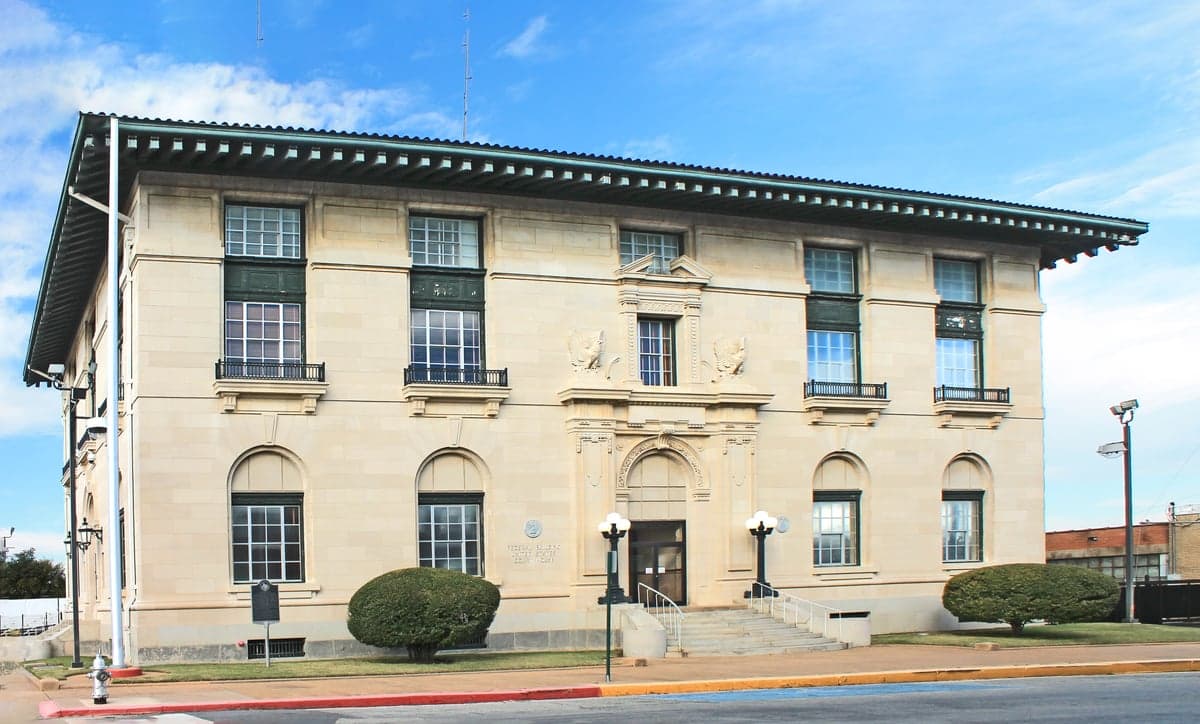
Living in Sherman, Texas, feels a bit like being part of a small town that’s quietly growing into something more. You’ve got the classic North Texas rhythms—Friday night lights, a historic downtown square, and a pace that doesn’t rush—but there’s also a steady hum of new rooftops and industrial jobs rolling in. It’s the kind of place where people wave at you on the street, but you can still get a decent craft beer and a taco that doesn’t come from a chain.
Daily Rhythm: What Weekends and Weeknights Actually Look Like
Most people here aren’t chasing a nightlife scene. Instead, weekends revolve around the square—Sherman’s historic downtown with brick streets, a few locally-owned shops, and restaurants like The Celt Irish Pub (a favorite for live music and a pint) or Hank’s Texas Grill for chicken-fried steak and cold beer. You’ll see families grabbing brunch at Jalapeno Tree or couples walking the loop around Herman Baker Park. The median age is 35.5, so you’re looking at a mix of young families and established workers, not a college crowd. The median income sits at $60,935, which means most households have room for a weekend trip to Lake Texoma (about 20 minutes north) or a Saturday spent at a kid’s soccer game. Traffic is almost a non-issue—the average commute is just over 24 minutes, and rush hour on US-75 is more of a mild inconvenience than a grind. Summers are hot and humid, with July and August often pushing 100°F, so outdoor plans shift to early mornings or evenings. Winters are mild but can surprise you with an ice storm that shuts things down for a day or two.
Sports, Community, and the High School Anchor
If you want to understand Sherman, look at what happens on a Friday night in the fall. Sherman High School football is a genuine community event—the Bearcats draw crowds that fill the stands, and the rivalry with Denison (the “Battle of the Ax”) is the kind of thing people plan their schedules around. There’s no pro or major college team in town, but that doesn’t matter. High school sports—football, basketball, volleyball, and baseball—are the social calendar. The local identity is wrapped up in these teams; you’ll see “Bearcat” stickers on trucks and hear game recaps at the coffee shop on Monday morning. For college sports, most residents lean toward the University of Texas or Oklahoma (both about an hour away), but it’s not a dominant part of daily life. The schools themselves are a big reason families move here—Sherman ISD has a reputation for being solid, and the community invests in them. That said, the college-educated rate is only 23.1%, which reflects a workforce heavy on trades, manufacturing, and logistics rather than white-collar professions.
What’s There to Do (and What Isn’t)
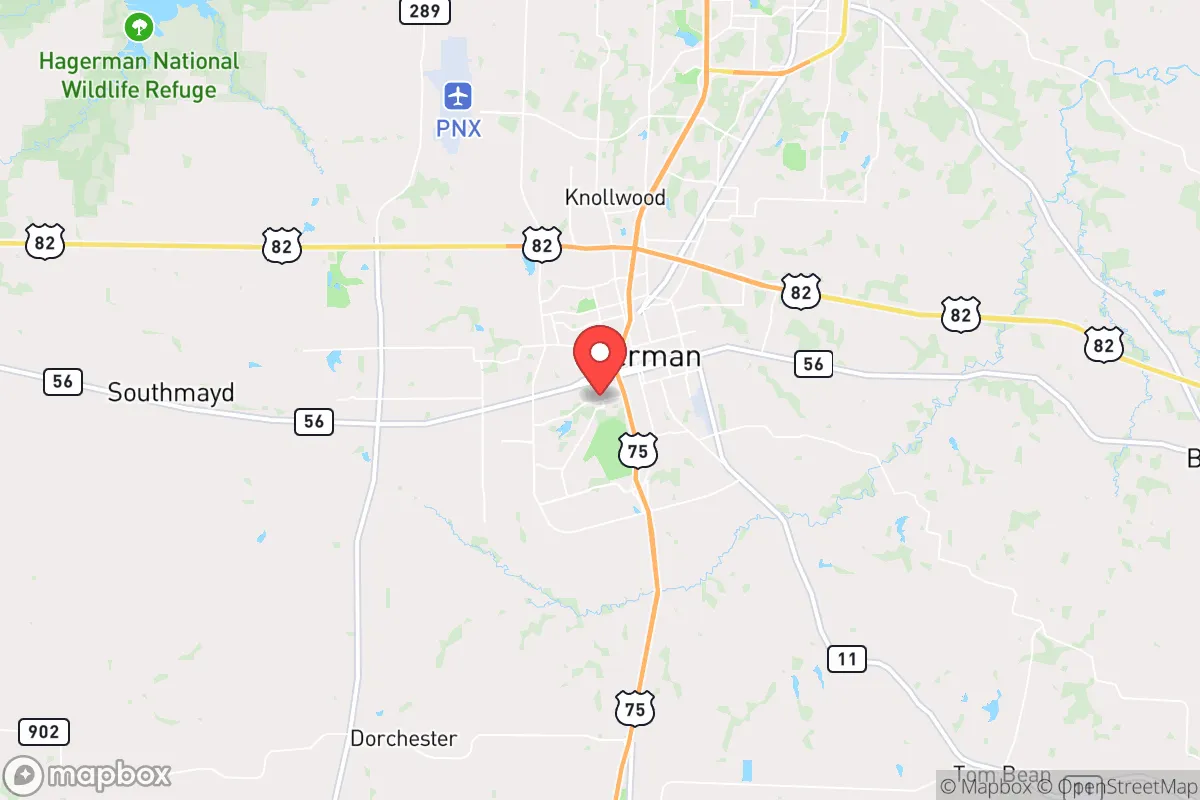
Entertainment here is practical and outdoorsy. Lake Texoma is the biggest draw—fishing, boating, camping, and the Hagerman National Wildlife Refuge for birding and hiking. Within Sherman itself, Pecan Grove Park has walking trails and a disc golf course, and the Sherman Municipal Golf Course is a budget-friendly 18-hole option. The Sherman Jazz Museum is a quirky, underrated spot downtown that honors local jazz history. Festivals include First Friday art walks on the square and the Grayson County Fair in September, which is more livestock and carnival rides than big-name concerts. For music and nightlife, you’ve got a handful of bars—Rusty’s for live country, The Celt for Irish pub vibes—but if you want a concert venue or a club scene, you’re driving 45 minutes to an hour to McKinney, Frisco, or Dallas. That’s the honest trade-off: Sherman has enough to keep you busy on a weekend, but it’s not a destination for night owls or culture seekers. The cost of living index is 92 (below the national average), and the median home value is $219,300, which means your dollar goes further here than in the DFW suburbs—but you’re trading access to amenities for that affordability.
Pros and Cons of Living Here
- What locals love: The genuine friendliness—people actually know their neighbors. The low cost of living and affordable housing. The proximity to Lake Texoma and outdoor recreation. The slower pace and lack of big-city traffic. The strong sense of community around schools and local sports.
- What frustrates them: Limited job diversity—the biggest employers are Texas Instruments (a semiconductor plant), Wilson N Jones Hospital, and Tyson Foods, so if you’re not in manufacturing, healthcare, or logistics, you may commute. The violent crime rate is 342.3 per 100,000, which is above the national average and a real concern for some neighborhoods—stick to the south and west sides for safer areas. Entertainment options are thin; you’ll drive for shopping, concerts, or fine dining. Summers are brutally hot, and the town can feel sleepy if you’re used to a 24/7 city.
The kind of person who fits in Sherman is someone who values stability over excitement, who doesn’t mind driving for a big night out, and who wants a place where their kids can ride bikes in the neighborhood and the high school football coach knows their name. It’s not for everyone—but for the right person, it feels like home.

Similar towns to Sherman
* Values derived from national, state, county, city and local statistics and may differ in a specific area. Last updated: 2026-05-11T13:39:36.000Z
Narrative content on this page is AI-generated and may contain mistakes. Verify any details that matter before acting on them.
ReloMaps may earn a commission from affiliate links at no extra cost to you.

