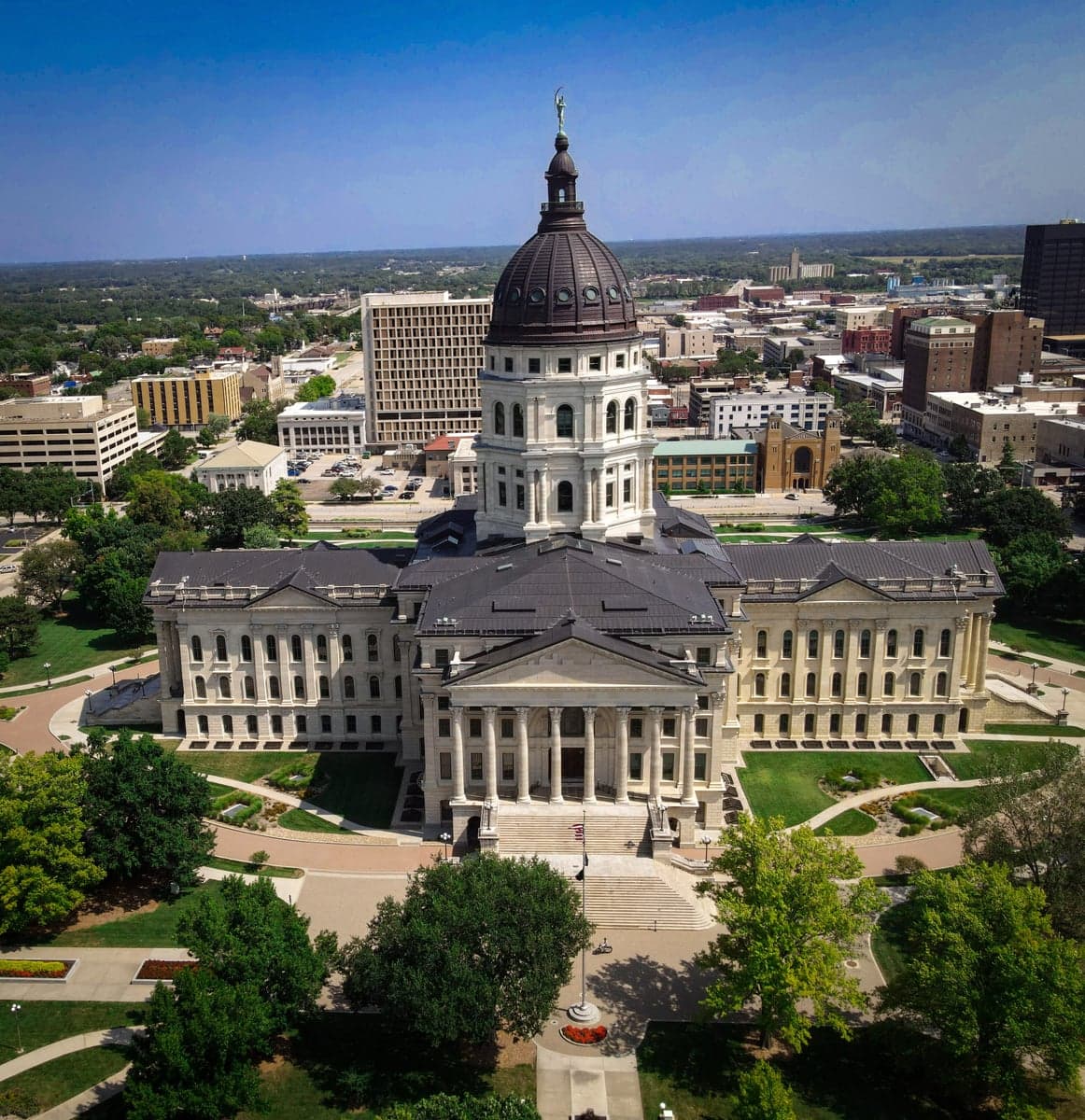
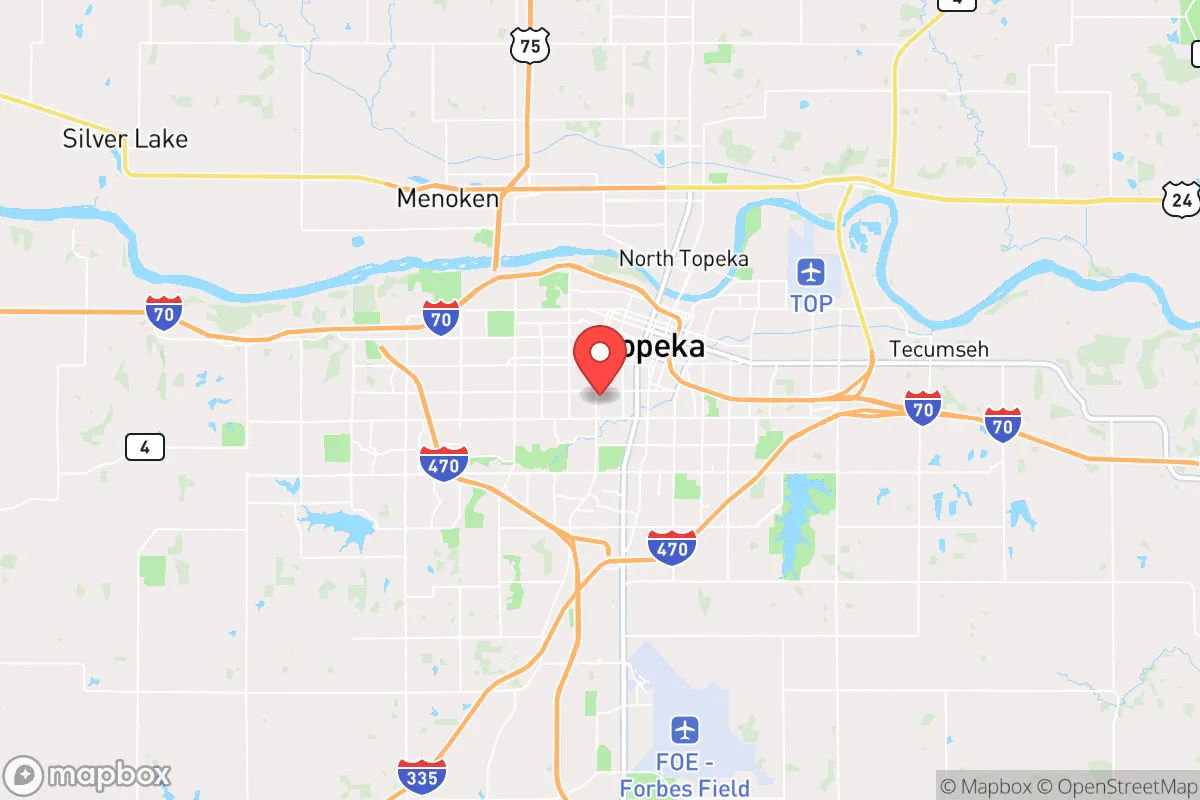
Photo: Wikipedia
Quality of Life in Topeka, KS
Above-average quality of iife. The area offers a reasonable cost of living, decent mobility, and a mix of neighborhood amenities.
What does Quality of Life tell us?
Quality of Life blends cost of living, nearby amenities, socioeconomic signals, and neighborhood character. City-level scores represent the whole municipality; individual neighborhoods can differ.
What does this tell us?
Quality of Life blends cost of living, nearby amenities, socioeconomic signals, and neighborhood character. City-level scores represent the whole municipality; individual neighborhoods can differ.
Cost of Living
33% below national average
The Real Cost of Living in Topeka, KS for 2026
| Tier | Individual | Family (4) |
|---|---|---|
| Survival | $15k | $28k |
| Comfortable | $26k | $38k |
| Luxury | $100k+ | $155k+ |
| Elite (Top 5%) | $118k+ | $183k+ |
149%
The Area Signal
A metric tracking the socioeconomic signals of the area.
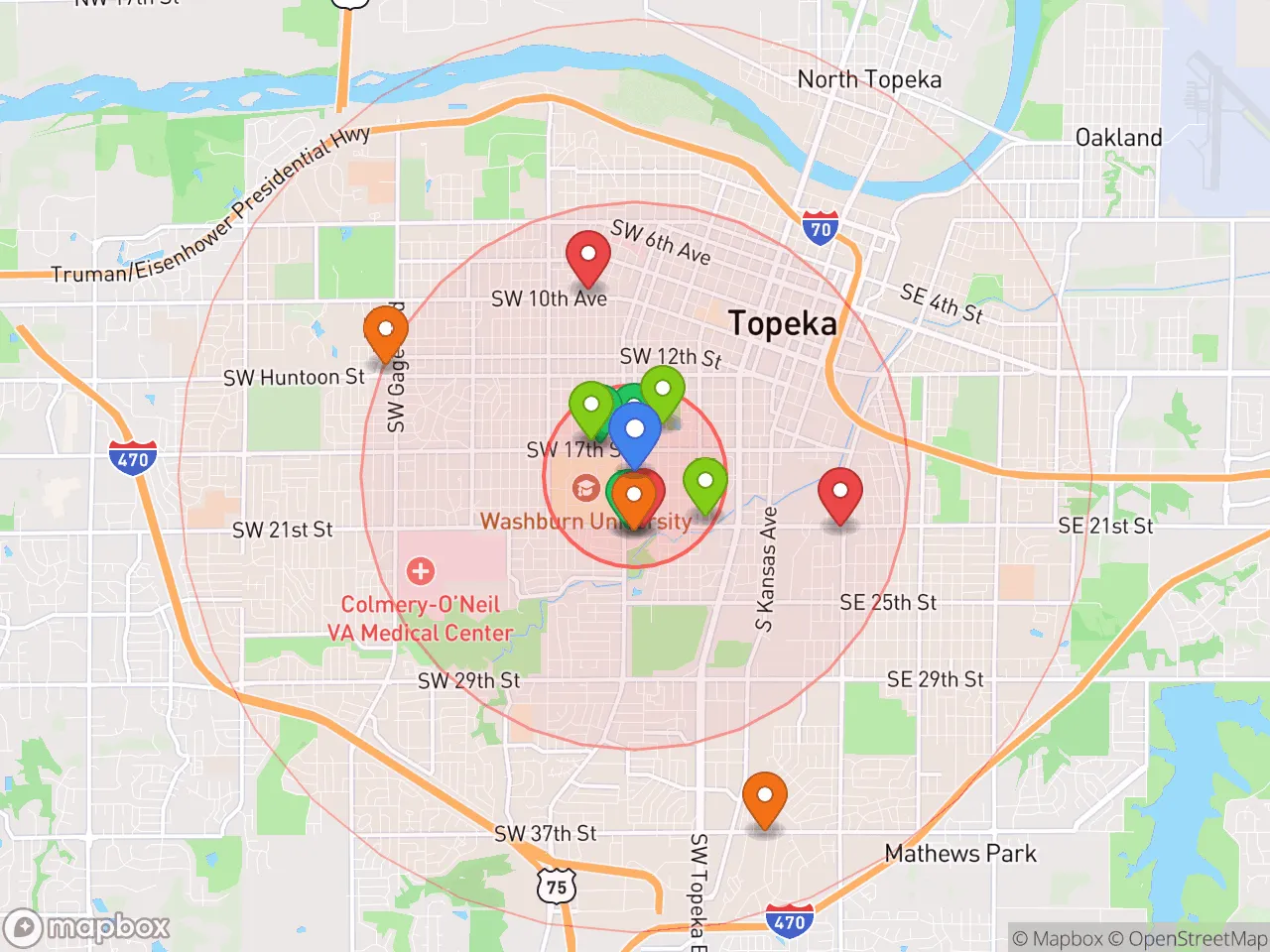
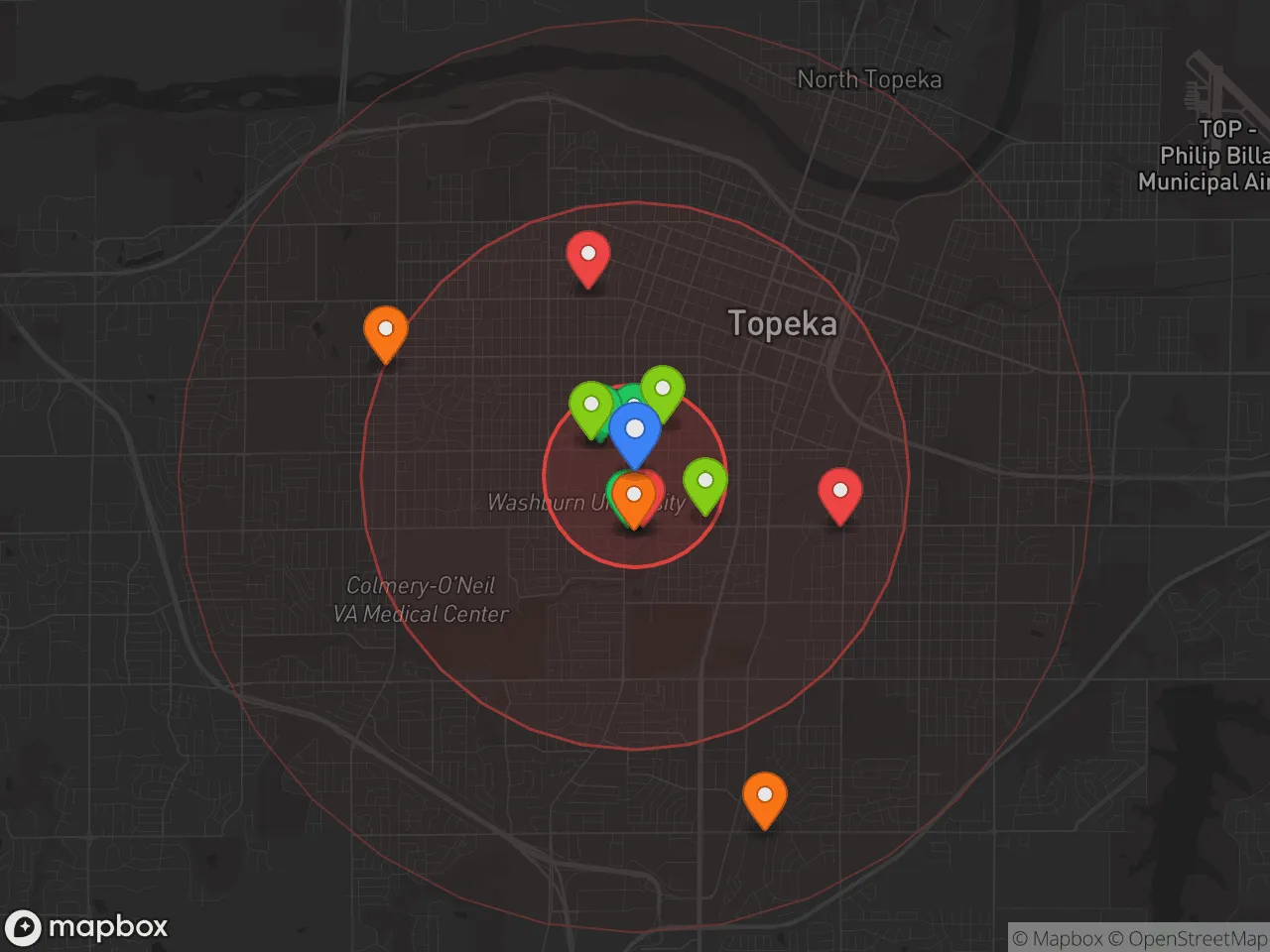
Hobbies
Explore the areaGroceries
5 within 10 miles
Gas
20 within 10 miles
Hospital
7 within 20 miles
Airport
MCI — Kansas City International
Post Office
USPS — Topeka, KS
Critical Amenities
Quality-of-Life Analysis
Topeka, Kansas, offers a notably low cost of living that attracts a mix of working-class families, government employees, and retirees seeking affordability without sacrificing urban amenities. With a cost-of-living index of 67—33 percent below the national average—the city provides a financial cushion that is increasingly rare in 2026. The population skews toward middle-income households, with a significant number of residents employed in state government, healthcare at the University of Kansas Health System St. Francis Campus, and education through Washburn University and local school districts. While Topeka is not an affluent city by national standards, its stable job market and low housing costs create a practical, no-frills quality of life for those who prioritize budget over prestige.
How housing costs and affordability compare to nearby Kansas cities
Topeka’s housing market is among the most affordable in the state, with a median home value of $130,600 and a median rent of $947—both well below the Kansas averages of roughly $200,000 and $1,100, respectively. For context, a comparable home in Lawrence, just 30 miles east, would cost about 40 percent more, while Overland Park homes often exceed $350,000. The average commute in Topeka is a swift 16.7 minutes, significantly shorter than the national average of 26 minutes, meaning residents spend less time in traffic and more time at home or work. This combination of low purchase prices, reasonable rents, and a short drive to work makes Topeka particularly attractive for first-time homebuyers and remote workers who want to stretch their income further than in larger metros like Kansas City or Wichita.
What daily life is like for families: schools, parks, and local amenities
Daily life in Topeka centers on a modest but functional mix of public schools, parks, and cultural institutions. The Topeka Public Schools district (USD 501) serves about 13,000 students, with several elementary schools rated above state averages on standardized tests, though high school performance varies widely. For families seeking alternatives, Washburn Rural High School in nearby Auburn is consistently ranked among Kansas’s top 20 public high schools. The city’s parks system includes the 160-acre Gage Park, home to the Topeka Zoo and a historic carousel, while the Kansas River Trail offers walking and biking routes along the water. Cultural amenities are anchored by the Kansas Museum of History and the Brown v. Board of Education National Historic Site, which draws visitors year-round. Grocery stores, retail, and dining are concentrated along Wanamaker Road and S.W. 21st Street, with national chains dominating but a handful of local spots like The Pennant and The Wheel Barrel providing character. The overall rhythm is slower than in Kansas City, with fewer late-night options but a reliable, family-oriented pace.
Topeka is best suited for budget-conscious individuals and families who value low housing costs, a short commute, and access to basic urban services without the premium price tag. Retirees on fixed incomes will find the affordability especially appealing, as will state government workers and healthcare professionals employed at the city’s major hospitals. Those seeking vibrant nightlife, high-end shopping, or top-tier public schools may find the trade-offs too steep, but for anyone whose priority is financial breathing room and a manageable daily routine, Topeka delivers a solid, unpretentious quality of life.

Crime in Topeka, KS
Lower crime rates than 94% of comparable U.S. locations.
Violent CrimeViolent Crime Analysis
Property CrimeProperty Crime Analysis
Crime Analysis
Topeka, Kansas, faces a serious crime challenge that demands careful consideration from potential residents. The city's violent crime rate stands at 58.3 per 100,000 residents, while property crime is reported at 210.8 per 100,000. These figures, while significant, must be understood within the broader context of Kansas and national crime trends, as well as the local justice system's approach to law enforcement and prosecution.
Crime in context
Topeka's violent crime rate of 58.3 per 100,000 is notably higher than the Kansas state average of approximately 38 per 100,000 and exceeds the national average of around 38 per 100,000. Property crime in Topeka, at 210.8 per 100,000, also surpasses the state average of roughly 180 per 100,000 and the national average of about 195 per 100,000. These elevated rates place Topeka among the more dangerous cities in Kansas, particularly when compared to smaller communities or those with more conservative criminal justice policies. The city's status as a state capital and regional hub for commerce and government does not insulate it from these challenges.
What residents experience
Residents frequently report concerns about property crimes such as burglary, theft, and vehicle break-ins, which are the most common offenses. Violent crime, while less frequent, is a serious issue, with incidents of aggravated assault and robbery occurring in various neighborhoods. The local criminal justice system, including the Shawnee County District Attorney's office, has been characterized by some observers as progressive, with a focus on diversion programs and reduced sentencing for certain offenses. This progressive approach, while intended to reduce incarceration rates, can lead to more offenders being released back onto the streets, potentially increasing the risk to law-abiding residents. Victims of crime in Topeka may find that the justice system prioritizes rehabilitation over punishment, which can feel inadequate for those seeking accountability and safety.
Neighborhood-level variation
Safety in Topeka varies significantly by neighborhood. Areas west of the Kansas River, such as the neighborhoods around Wanamaker Road and the College Hill district, tend to have lower crime rates and are generally considered safer. In contrast, central and eastern parts of the city, including the downtown core and areas near the Oakland neighborhood, experience higher concentrations of both violent and property crime. Prospective residents should research specific block-level crime data using the Topeka Police Department's online crime map or consult with local real estate agents familiar with neighborhood safety trends. Gated communities and newer subdivisions on the city's outskirts often report fewer incidents, while older, more densely populated areas face greater challenges. The presence of progressive judges and district attorneys in Shawnee County means that even in safer neighborhoods, the overall justice environment may not prioritize public safety as strongly as in more conservative jurisdictions.
* Values derived from national, state, county, city and local statistics and may differ in a specific area. Last updated: 2026-04-29T21:10:22.000Z
Narrative content on this page is AI-generated and may contain mistakes. Verify any details that matter before acting on them.
ReloMaps may earn a commission from affiliate links at no extra cost to you.

