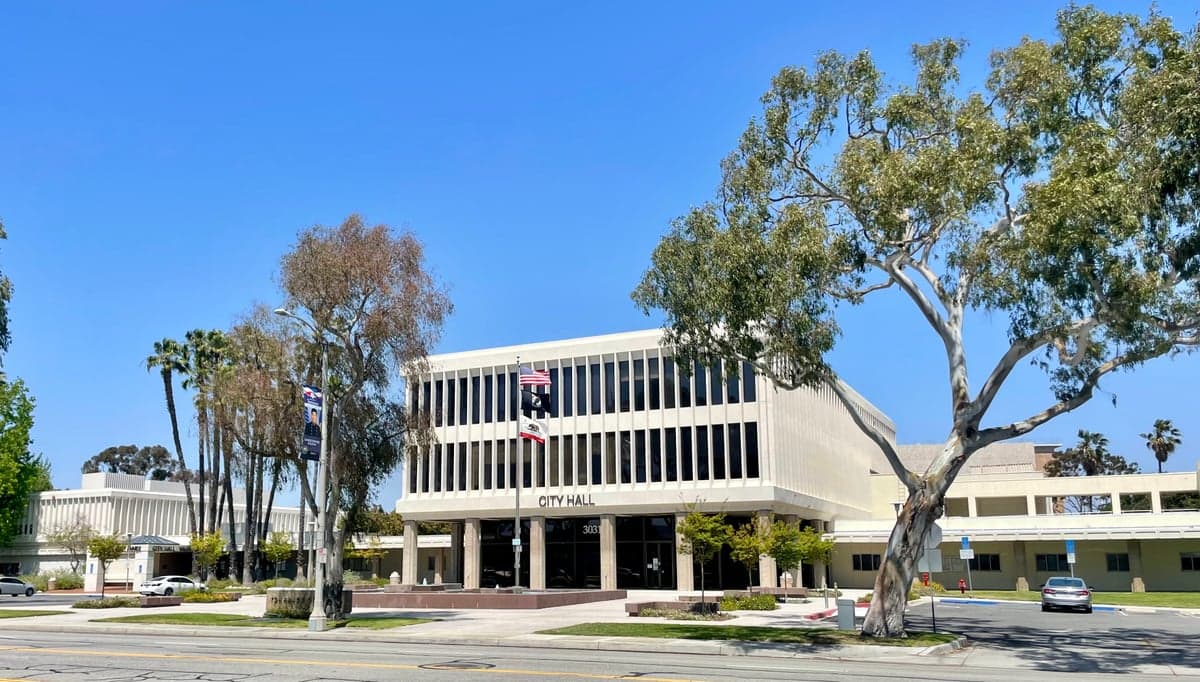
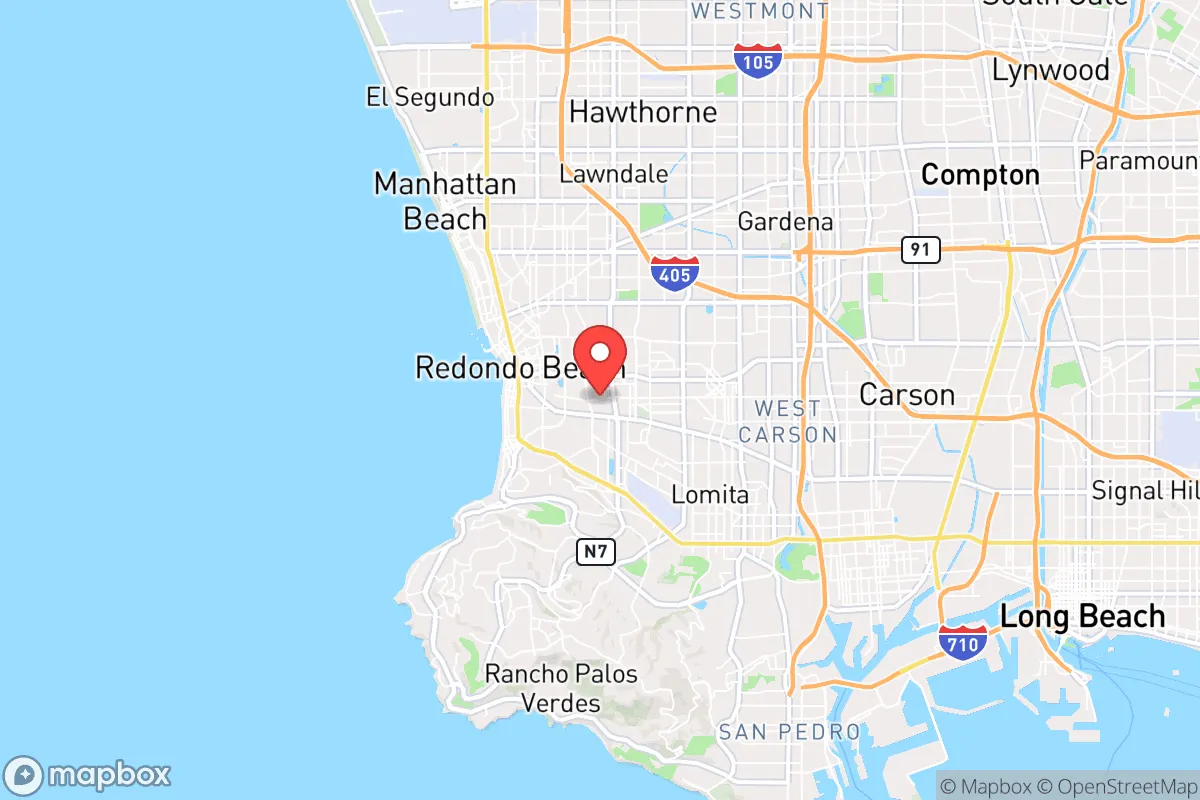
Photo: Wikipedia
Quality of Life in Torrance, CA
Above-average quality of iife. The area offers a reasonable cost of living, decent mobility, and a mix of neighborhood amenities.
What does Quality of Life tell us?
Quality of Life blends cost of living, nearby amenities, socioeconomic signals, and neighborhood character. City-level scores represent the whole municipality; individual neighborhoods can differ.
What does this tell us?
Quality of Life blends cost of living, nearby amenities, socioeconomic signals, and neighborhood character. City-level scores represent the whole municipality; individual neighborhoods can differ.
Cost of Living
161% above national average
The Real Cost of Living in Torrance, CA for 2026
| Tier | Individual | Family (4) |
|---|---|---|
| Survival | $35k | $66k |
| Comfortable | $131k | $192k |
| Luxury | $191k+ | $297k+ |
| Elite (Top 5%) | $225k+ | $349k+ |
59%
The Area Signal
A metric tracking the socioeconomic signals of the area.
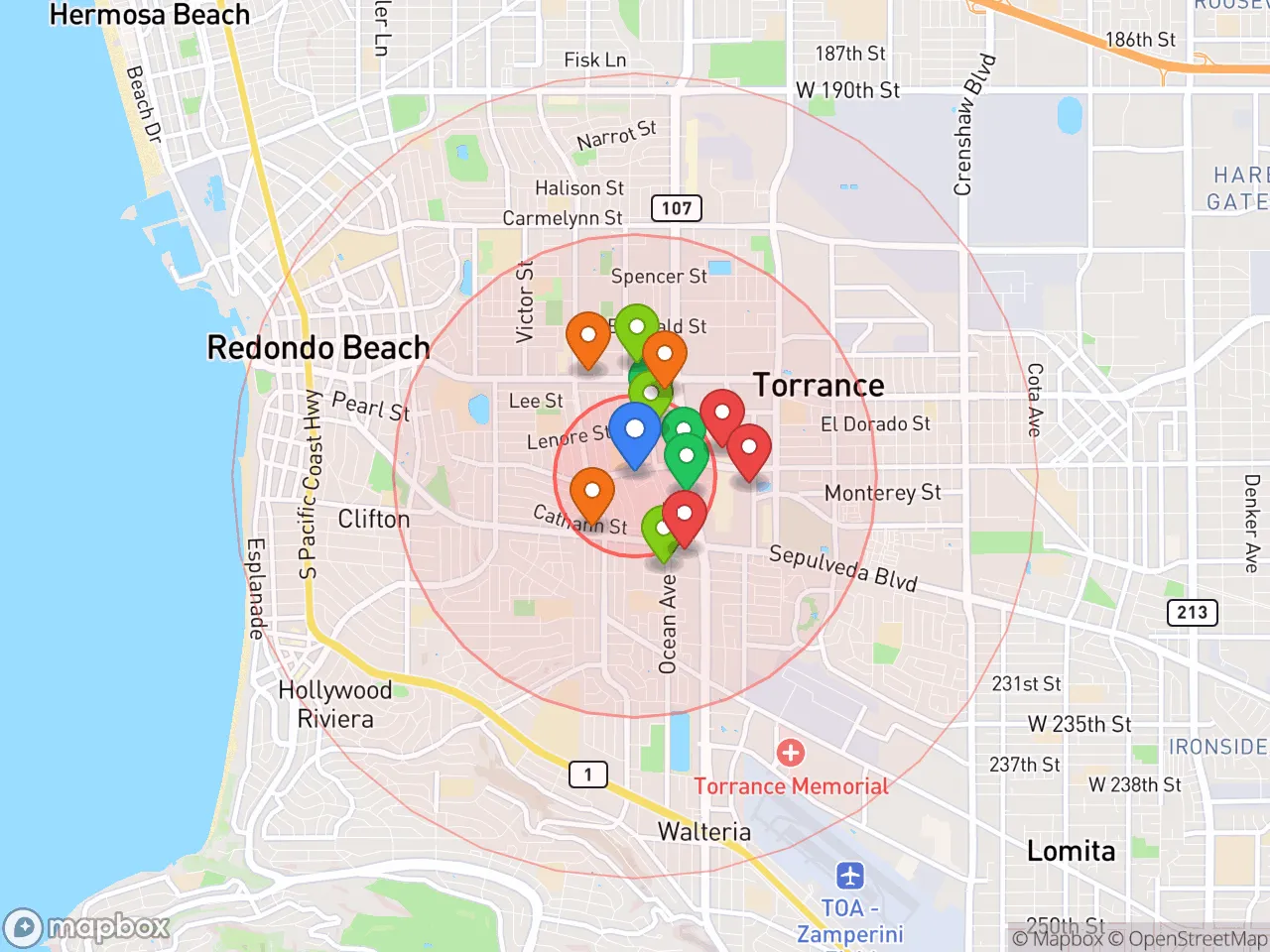
Hobbies
Explore the areaGroceries
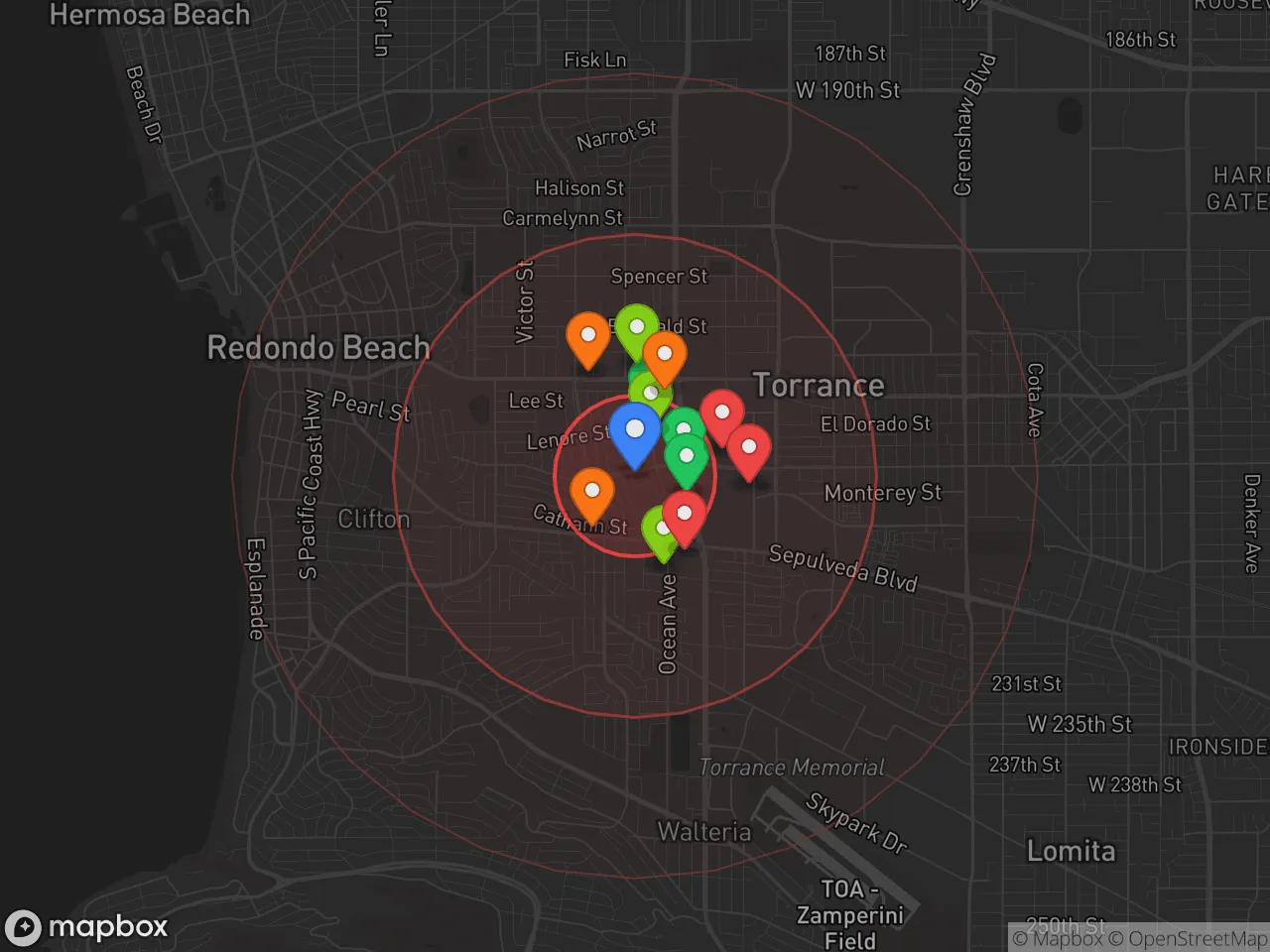
7 within 10 miles
Gas
20 within 10 miles
Hospital
20 within 20 miles
Airport
LAX — Los Angeles International
Post Office
USPS — Torrance, CA
Critical Amenities
Quality-of-Life Analysis
Torrance, California, is a solidly upper-middle-class coastal suburb of Los Angeles, home to roughly 145,000 residents who are drawn by its strong public schools, low crime rates relative to the region, and a distinctly suburban feel that sets it apart from the denser, more transient neighborhoods of LA proper. The city’s population skews toward families and long-term homeowners, with a median age of about 41 and a high proportion of Asian-American and white residents. Its economy is anchored by the aerospace and healthcare sectors, with major employers like Honda’s North American headquarters and Torrance Memorial Medical Center providing stable, white-collar employment that supports the area’s affluence.
Cost of living, housing, and how Torrance compares to nearby beach cities
Torrance’s cost of living index sits at a steep 261 (100 equals the U.S. average), meaning everyday expenses are roughly 2.6 times the national norm. The primary driver is housing: the median home value is $1,036,600, and the median rent is $2,214 per month. While these figures are eye-watering by national standards, they are actually more moderate than in neighboring beach communities like Manhattan Beach (median home value above $2.5 million) or Hermosa Beach. A buyer in Torrance typically gets a larger lot and an older single-family home—often a ranch-style or mid-century property—compared to the cramped condos or teardowns found closer to the coast. Renters face a tight market, with vacancy rates below 3%, making it difficult to find a unit under $2,000. The trade-off for this premium is a significantly lower crime rate and better school performance than in nearby Carson or parts of South Los Angeles, though property taxes remain relatively low for California due to Proposition 13 caps.
What daily life is like: amenities, schools, and commute realities
Daily life in Torrance revolves around its highly rated public school system, particularly Torrance High School and West High School, both of which consistently rank among the top 10% of California high schools. The city also boasts the Del Amo Fashion Center, one of the largest malls in the United States, and a network of well-maintained parks like Wilson Park and Columbia Park that host youth sports leagues and weekend farmers’ markets. The average commute time is 27.4 minutes, which is shorter than the LA County average of 30 minutes, largely because many residents work locally in the South Bay’s aerospace and medical corridors. However, those commuting to downtown Los Angeles face a 45- to 60-minute drive on the 405 freeway. The city’s “Torrance Transit” bus system provides a functional but limited alternative to driving, and the upcoming Crenshaw/LAX Transit Project may eventually improve rail access. For dining and nightlife, the city offers a strong concentration of Japanese and Korean restaurants along Artesia Boulevard, reflecting its large Asian-American community, but the overall vibe is quiet and family-oriented rather than trendy or nightlife-driven.
Torrance is best suited for families and professionals who prioritize top-tier public schools, low crime, and a suburban pace over urban excitement or walkability. Singles and young renters may find the social scene limited and the housing costs prohibitive, especially compared to more affordable inland options like Gardena or Lawndale. Retirees on fixed incomes may also struggle with the high cost of living unless they bought their home decades ago. For those who can afford the premium—especially dual-income households in engineering, healthcare, or management—Torrance offers a rare combination of coastal proximity, safety, and school quality that is hard to match elsewhere in Los Angeles County.

Crime in Torrance, CA
Crime rates similar to the national median for U.S. locations.
Violent CrimeViolent Crime Analysis
Property CrimeProperty Crime Analysis
Crime Analysis
Torrance, California, presents a mixed safety profile for prospective residents. While its violent crime rate of 308.2 incidents per 100,000 people is notably lower than the national average, its property crime rate of 2,621.2 per 100,000 is significantly higher, placing it above many comparable suburbs. This combination means that while the risk of a violent encounter is relatively low, the likelihood of experiencing theft, burglary, or vehicle-related crime is a genuine concern for daily life in this South Bay community.
Crime in context
Torrance’s violent crime rate sits well below the U.S. average of roughly 380 per 100,000 and is also lower than the California state average. This is a positive data point for families and individuals prioritizing personal safety. However, the property crime rate is a different story. At 2,621.2 per 100,000, it substantially exceeds both the national average (around 1,950) and the California average (approximately 2,300). This disparity is a direct reflection of broader regional challenges. As part of the Los Angeles metropolitan area, Torrance is affected by policies from the Los Angeles County District Attorney’s office and local judges who have, in recent years, adopted more progressive approaches to criminal justice. These policies, which emphasize diversion and reduced sentencing for property and drug offenses, have contributed to a higher volume of repeat offenders cycling through the system. The practical result for Torrance is a persistent property crime problem that feels disconnected from the city’s otherwise orderly reputation.
What residents experience
For those living in Torrance, the most common safety concerns revolve around property. Vehicle break-ins, package theft from porches, and bicycle theft are frequent occurrences, particularly in areas near shopping centers like the Del Amo Fashion Center or along major corridors like Hawthorne Boulevard and Pacific Coast Highway. Residents often report that while they feel safe walking alone during the day, they must remain vigilant about locking cars and securing belongings. The progressive justice policies at the county level mean that many property crime arrests do not lead to long-term incarceration, creating a sense among some residents that the system offers little deterrence. This is a critical consideration: while Torrance’s own police department is well-regarded and responsive, the broader legal environment in Los Angeles County reduces the impact of local enforcement efforts. For a city that prides itself on being a safe, family-oriented suburb, the disconnect between local policing and county-level prosecution is a source of frustration.
Neighborhood-level variation is notable. The area west of Crenshaw Boulevard, closer to the Palos Verdes Peninsula, generally experiences lower crime rates. Conversely, the eastern and northern sections of Torrance, which border more densely populated parts of Los Angeles and Gardena, see higher concentrations of property crime. Prospective renters and buyers should specifically research block-by-block crime maps and consider that apartment complexes near major transit stops or commercial zones may have elevated theft risks. Ultimately, Torrance offers a relatively safe environment for violent crime but demands a proactive approach to property security, with the understanding that the county’s progressive judicial philosophy is a persistent underlying factor in the city’s crime dynamics.
* Values derived from national, state, county, city and local statistics and may differ in a specific area. Last updated: 2026-04-24T11:34:32.000Z
Narrative content on this page is AI-generated and may contain mistakes. Verify any details that matter before acting on them.
ReloMaps may earn a commission from affiliate links at no extra cost to you.

