Photo: Wikipedia
Quality of Life in Tualatin, OR
A high quality of life with strong walkability, manageable living costs, healthy neighborhood signals, and solid amenity access.
What does Quality of Life tell us?
Quality of Life blends cost of living, nearby amenities, socioeconomic signals, and neighborhood character. City-level scores represent the whole municipality; individual neighborhoods can differ.
What does this tell us?
Quality of Life blends cost of living, nearby amenities, socioeconomic signals, and neighborhood character. City-level scores represent the whole municipality; individual neighborhoods can differ.
Cost of Living
74% above national average
The Real Cost of Living in Tualatin, OR for 2026
| Tier | Individual | Family (4) |
|---|---|---|
| Survival | $28k | $52k |
| Comfortable | $105k | $155k |
| Luxury | $154k+ | $239k+ |
| Elite (Top 5%) | $181k+ | $281k+ |
68%
The Area Signal
A metric tracking the socioeconomic signals of the area.


Hobbies
Explore the areaGroceries
2 within 10 miles
Gas
0 within 10 miles
Hospital
3 within 20 miles
Airport
PDX — Portland International
Post Office
USPS — Portland, OR
Critical Amenities
Quality-of-Life Analysis
Tualatin, Oregon, presents a distinctly affluent quality of life, drawing a population of established professionals, growing families, and long-term residents who prioritize suburban comfort and access to Portland’s job market. With a cost of living index of 174—74% above the national average—the city is notably more expensive than the U.S. norm but remains competitive within the Portland metro area, offering a quieter, more spacious alternative to the urban core. The typical resident here values stability, green space, and strong local schools, creating a community that feels both prosperous and family-oriented.
Cost of living, housing costs, and how Tualatin compares to nearby cities
Tualatin’s cost of living is driven primarily by housing, with a median home value of $595,800 and a median rent of $1,729. While these figures are high relative to national averages, they are slightly below those of neighboring Lake Oswego (median home value ~$800,000) and West Linn (~$700,000), making Tualatin a more attainable entry point into the region’s premium suburbs. Compared to Portland proper, where the median home value hovers around $550,000, Tualatin’s prices are marginally higher, but buyers gain larger lots, newer construction, and lower crime rates. Renters face a market where $1,729 is typical for a two-bedroom unit, which is competitive with Tigard and Beaverton but cheaper than downtown Portland. The average commute of 22.3 minutes—shorter than the Portland metro average of roughly 26 minutes—reflects Tualatin’s strategic location near I-5 and Highway 217, allowing residents to access major employers like Intel, Nike, and Columbia Sportswear without enduring long drives.
Schools, parks, and what daily life feels like in Tualatin
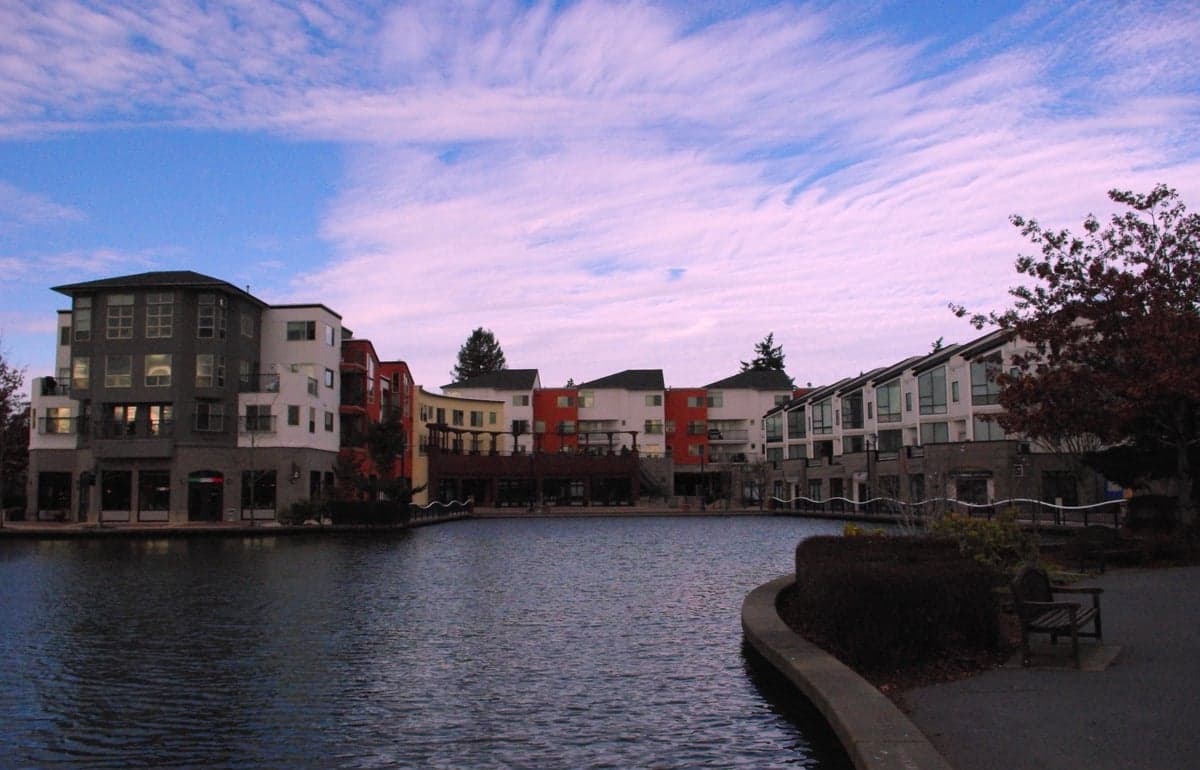
Daily life in Tualatin centers on a well-maintained network of parks, trails, and community amenities, with the Tualatin River National Wildlife Refuge offering 1,200 acres of protected wetlands for hiking and birdwatching just minutes from downtown. The city’s public schools, part of the Tigard-Tualatin School District, consistently earn above-average ratings, with Tualatin High School boasting a graduation rate near 90% and strong Advanced Placement offerings. For families, the rhythm of life includes weekend trips to the Tualatin Commons—a mixed-use plaza with a lake, restaurants, and seasonal events like the Tualatin Crawfish Festival—and weekday errands at the Bridgeport Village shopping center, an upscale outdoor mall. The city lacks a dense nightlife scene, but its proximity to Portland (a 25-minute drive) means residents can easily access cultural events, dining, and entertainment. Parks like Brown’s Ferry Park and Tualatin Community Park provide ample sports fields, playgrounds, and picnic areas, reinforcing the suburb’s reputation as a place where outdoor recreation and family activities define the daily routine.
In summary, Tualatin is best suited for professionals and families who can absorb its high cost of living in exchange for strong schools, short commutes, and a safe, green environment. Empty nesters downsizing from larger homes and remote workers seeking a quiet base with Portland access also thrive here, while young renters on tight budgets may find the city’s housing market prohibitive. For those prioritizing suburban stability, excellent parks, and a community-oriented feel without sacrificing urban proximity, Tualatin delivers a consistently high quality of life.

Crime in Tualatin, OR
Generally safer than 65% of comparable U.S. locations.
Violent CrimeViolent Crime Analysis
Property CrimeProperty Crime Analysis
Crime Analysis
Tualatin, Oregon, reports a violent crime rate of 206.6 incidents per 100,000 residents and a property crime rate of 2,842.3 per 100,000. While these figures place the city below the national average for violent crime, the property crime rate is notably elevated, reflecting broader challenges seen across the Portland metropolitan area. The overall safety picture is mixed, with residents benefiting from lower rates of serious violent offenses but facing a tangible risk of theft and property-related incidents.
Crime in context
Compared to national benchmarks, Tualatin’s violent crime rate is roughly 40% lower than the U.S. average of about 370 per 100,000, making it a relatively safer option for violent offenses. However, its property crime rate is approximately 60% higher than the national average of around 1,800 per 100,000. This disparity is common in suburban communities near large metro areas like Portland, where property crime often spills over from urban centers. A key concern for Tualatin residents is the influence of progressive criminal justice policies in the broader region. Multnomah and Washington counties, which include Tualatin, have elected district attorneys and judges who prioritize diversion programs and reduced sentencing for non-violent and some property offenses. While these policies aim to address root causes of crime, critics argue they result in higher recidivism and more criminals on the street, directly impacting public safety and victim justice. The data suggests that while violent crime is well-controlled, property crime remains a persistent issue partly driven by these systemic factors.
What residents experience
Daily life in Tualatin for most residents involves a low risk of violent confrontation, but property crime is a routine concern. Common incidents include vehicle break-ins, package theft from porches, and bicycle thefts, particularly near transit hubs and shopping centers like Bridgeport Village. The city’s police department maintains a visible presence and has implemented community policing strategies, but the sheer volume of property crime—nearly 2,850 incidents per 100,000 people—means that many households will encounter some form of theft over a multi-year period. Residents often report feeling safe in their neighborhoods but express frustration with the justice system’s handling of repeat property offenders. The progressive approach in the region, which emphasizes rehabilitation over incarceration, can lead to quick release of known offenders, undermining the deterrent effect of arrests and eroding public confidence in the system.
Neighborhood-level variation
Safety in Tualatin is not uniform. Areas closer to the I-5 corridor and commercial zones, such as the Tualatin Commons and Nyberg Street, see higher rates of property crime due to increased foot traffic and vehicle access. In contrast, residential neighborhoods in the southern and western parts of the city, like those near Tualatin Hills Nature Park, report fewer incidents and stronger neighborhood watch participation. Gated communities and newer subdivisions also tend to have lower crime rates. For prospective residents, choosing a home in a quieter, less transit-accessible area can significantly reduce exposure to property crime, though no neighborhood is entirely immune given the regional pressures from Portland’s liberal justice policies.
* Values derived from national, state, county, city and local statistics and may differ in a specific area. Last updated: 2026-04-19T11:31:06.000Z
Narrative content on this page is AI-generated and may contain mistakes. Verify any details that matter before acting on them.
ReloMaps may earn a commission from affiliate links at no extra cost to you.

