 Popular
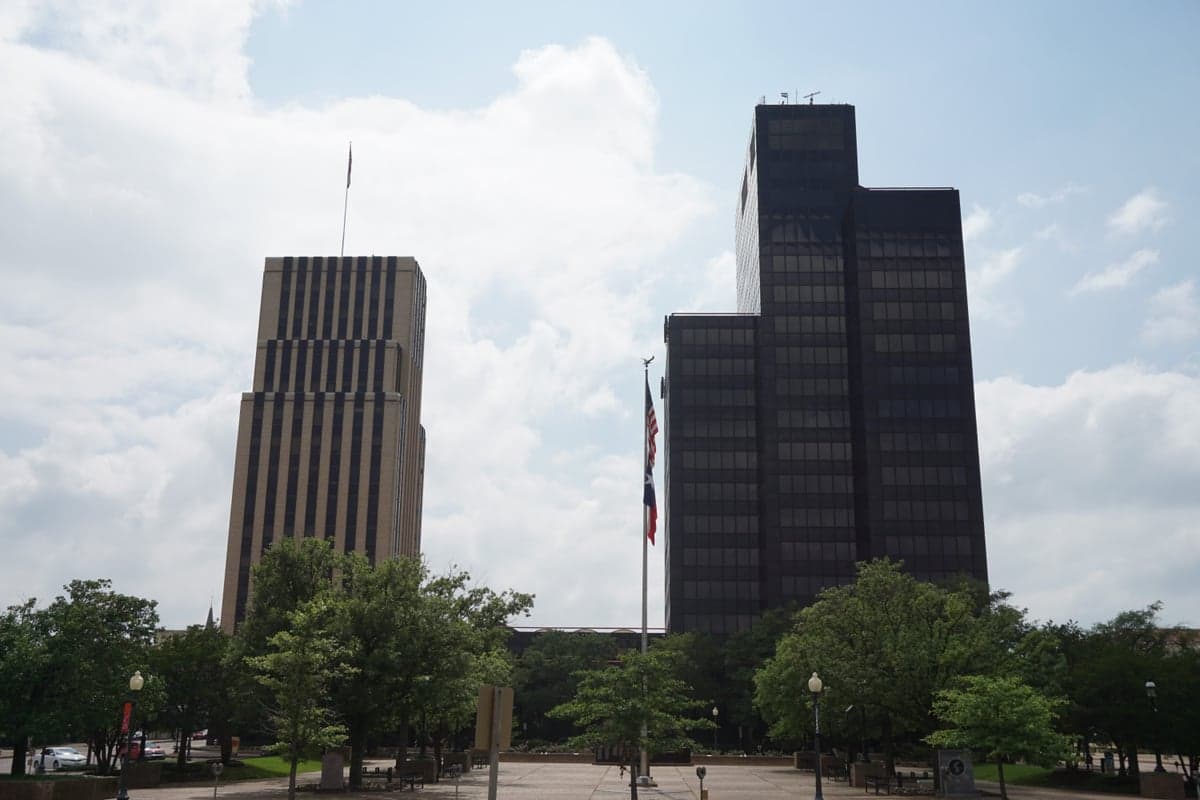
Photo: Wikipedia
Quality of Life in Tyler, TX
Above-average quality of iife. The area offers a reasonable cost of living, decent mobility, and a mix of neighborhood amenities.
What does Quality of Life tell us?
Quality of Life blends cost of living, nearby amenities, socioeconomic signals, and neighborhood character. City-level scores represent the whole municipality; individual neighborhoods can differ.
What does this tell us?
Quality of Life blends cost of living, nearby amenities, socioeconomic signals, and neighborhood character. City-level scores represent the whole municipality; individual neighborhoods can differ.
Cost of Living
7% below national average
The Real Cost of Living in Tyler, TX for 2026
| Tier | Individual | Family (4) |
|---|---|---|
| Survival | $36k | $68k |
| Comfortable | $62k | $91k |
| Luxury | $118k+ | $183k+ |
| Elite (Top 5%) | $153k+ | $237k+ |
72%
The Area Signal
A metric tracking the socioeconomic signals of the area.
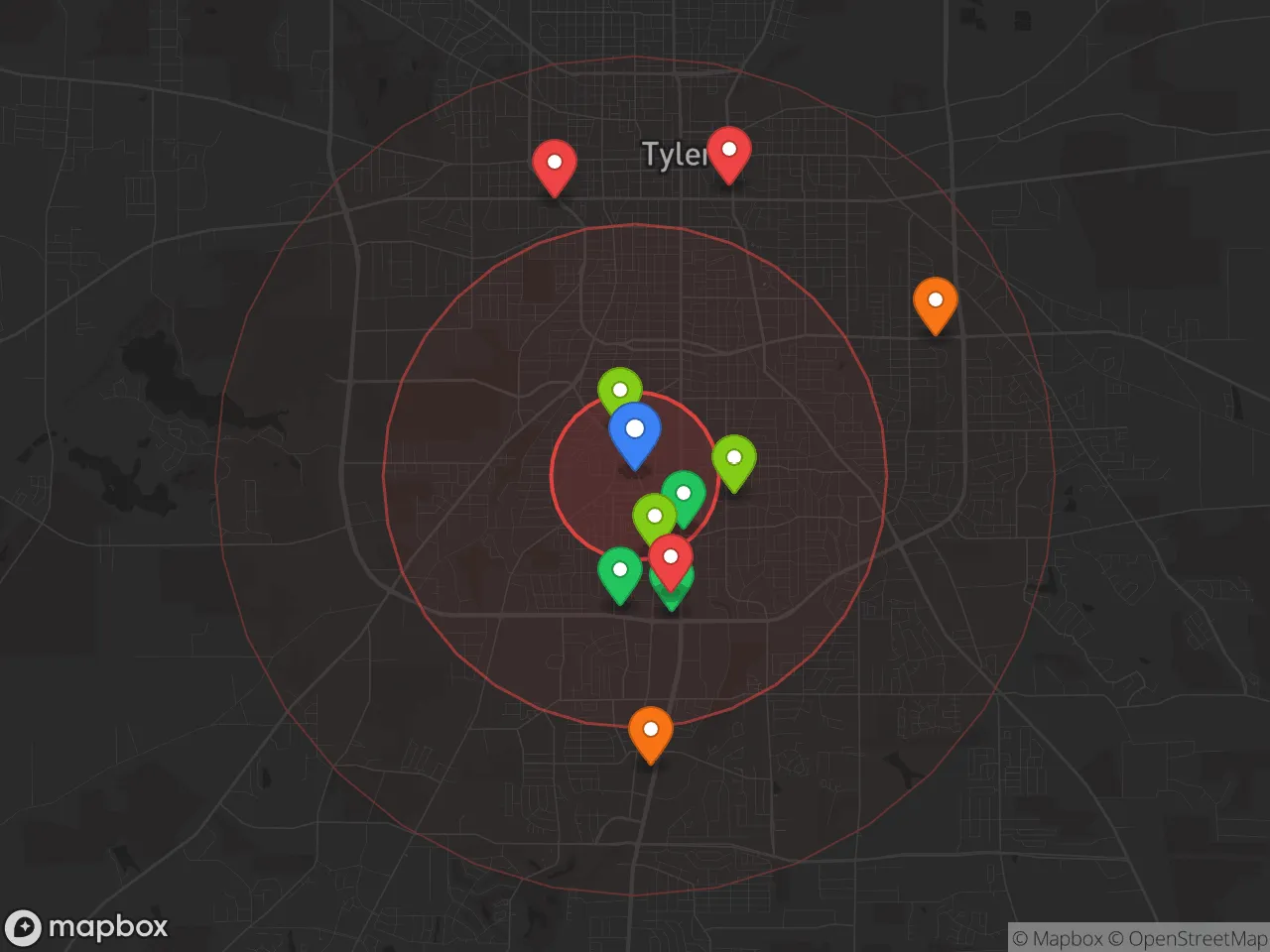
Hobbies
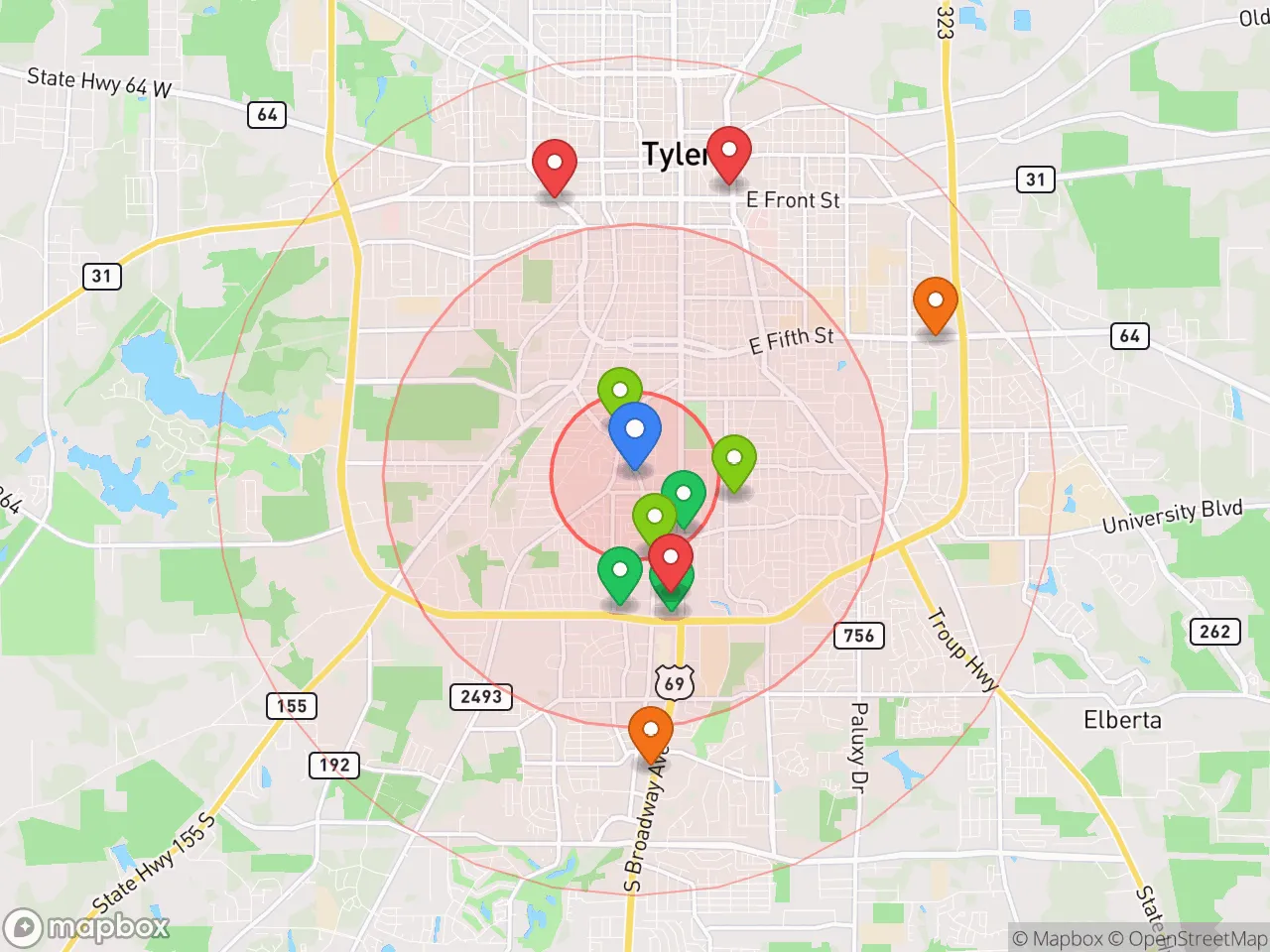
Explore the areaGroceries
5 within 10 miles
Gas
0 within 10 miles
Hospital
3 within 20 miles
Airport
DFW — Dallas/Fort Worth International
Post Office
USPS — Tyler, TX
Critical Amenities
Quality-of-Life Analysis
Tyler, Texas, presents a quality of life defined by steady economic growth, a strong sense of community, and a cost of living that remains well below the national average. With a cost-of-living index of 93 (where 100 equals the U.S. average), the city attracts a mix of young professionals, growing families, and retirees seeking a slower pace without sacrificing access to healthcare and education. The population is notably affluent relative to the region, driven by a robust healthcare sector anchored by the UT Health East Texas system and a thriving local economy in manufacturing and distribution.
How housing costs and affordability compare to nearby cities
Tyler’s housing market offers a clear affordability advantage over larger Texas metros. The median home value sits at $216,400, significantly lower than the Dallas-Fort Worth metro median of roughly $380,000 and Austin’s $540,000. Median rent in Tyler is $1,199, making it a practical choice for renters who would face $1,500–$1,800 in comparable suburban areas of Houston or Dallas. The average commute time of just over 20 minutes—20.3 minutes—underscores the city’s manageable scale, with most residents able to reach downtown, the medical district, or the Broadway Square Mall area in under 25 minutes. While property taxes in Smith County are on par with the Texas average (around 1.7–1.8% of assessed value), the lower home prices keep monthly housing costs well below the national median.
What daily life is like for families and professionals
Daily life in Tyler revolves around a well-established set of amenities that serve both families and professionals. The Tyler Independent School District operates 22 elementary schools, 6 middle schools, and 4 high schools, with Tyler Legacy High School and Robert E. Lee High School consistently ranking among the top in East Texas for academic performance and extracurricular programs. For higher education, Tyler Junior College and the University of Texas at Tyler provide local degree pathways and contribute to a college-town atmosphere in the city’s south side. The city’s parks system includes the 100-acre Faulkner Park and the 50-acre Bergfeld Park, both offering sports fields, walking trails, and community event spaces. The Tyler Rose Garden, with over 38,000 rose bushes, serves as a major regional attraction and a symbol of the city’s identity. Retail and dining cluster along South Broadway Avenue and the Loop 323 corridor, with national chains and local restaurants like Rick’s on the Square and Kinsmen’s Table providing options for casual and upscale dining. The city’s healthcare infrastructure is a standout feature: UT Health Tyler and Christus Trinity Mother Frances Hospital are both Level II trauma centers, making Tyler a regional medical hub for a 12-county area.
This combination of affordability, short commutes, and strong institutional anchors makes Tyler particularly well-suited for healthcare professionals, remote workers seeking lower housing costs, and families prioritizing school quality and safety. Retirees also find the city appealing due to the presence of multiple active adult communities and the mild climate. However, those seeking a dense urban nightlife or extensive public transit options may find Tyler’s car-dependent layout and limited entertainment district less satisfying. For the majority of residents, the trade-off is a clear one: a lower cost of living, a slower daily rhythm, and access to big-city healthcare and education without the congestion and expense of a major metro.

Crime in Tyler, TX
Crime rates similar to the national median for U.S. locations.
Violent CrimeViolent Crime Analysis
Property CrimeProperty Crime Analysis
Crime Analysis
Tyler, Texas, presents a mixed safety profile for potential residents. The city’s violent crime rate of 363 incidents per 100,000 residents is notably higher than the national average, while its property crime rate of 1,796.8 per 100,000 sits slightly below the national benchmark. These figures place Tyler in a middle ground—safer than many large metropolitan areas but requiring more vigilance than the safest small towns in East Texas.
Crime in context
When compared to state and national data, Tyler’s violent crime rate is roughly 4% higher than the Texas average and approximately 25% above the national median. The property crime rate, however, is about 10% lower than the Texas average and roughly in line with the national median. This means a resident is statistically more likely to experience a violent crime—such as assault, robbery, or homicide—than in the average U.S. city, but less likely to face burglary, theft, or motor vehicle theft. The city’s crime index, which compares all crime to the U.S. average, sits at 100.8, indicating a near-average overall risk profile.
What residents experience
Daily life in Tyler involves a heightened awareness of personal safety, particularly in public spaces and during evening hours. The violent crime rate translates to roughly one incident per 275 residents annually, meaning most people will not be directly affected but should remain cautious. Property crime is more diffuse, with about one incident per 56 residents per year. Common concerns include package theft, vehicle break-ins, and occasional burglaries in residential areas. The local police department maintains a visible presence, and neighborhood watch programs are active in several subdivisions. However, as with many cities in the region, the broader judicial environment in Smith County is a factor. While Tyler itself is not part of a large, liberal-leaning metro area, residents should be aware that progressive prosecutorial policies in some Texas counties have been linked to reduced incarceration rates for repeat offenders, which can embolden property crime and lower the perceived risk for criminals.
Neighborhood-level variation is significant. Areas south of Loop 323 and around the historic Azalea District generally report lower crime rates, while parts of north Tyler and corridors along West Gentry Parkway and East Fifth Street see higher concentrations of both violent and property offenses. Gated communities and newer developments on the city’s south and west sides offer the lowest crime exposure. Prospective renters and buyers should consult the Tyler Police Department’s online crime map and consider visiting neighborhoods at different times of day to gauge safety firsthand.
* Values derived from national, state, county, city and local statistics and may differ in a specific area. Last updated: 2026-04-15T15:44:48.000Z
Narrative content on this page is AI-generated and may contain mistakes. Verify any details that matter before acting on them.
ReloMaps may earn a commission from affiliate links at no extra cost to you.

