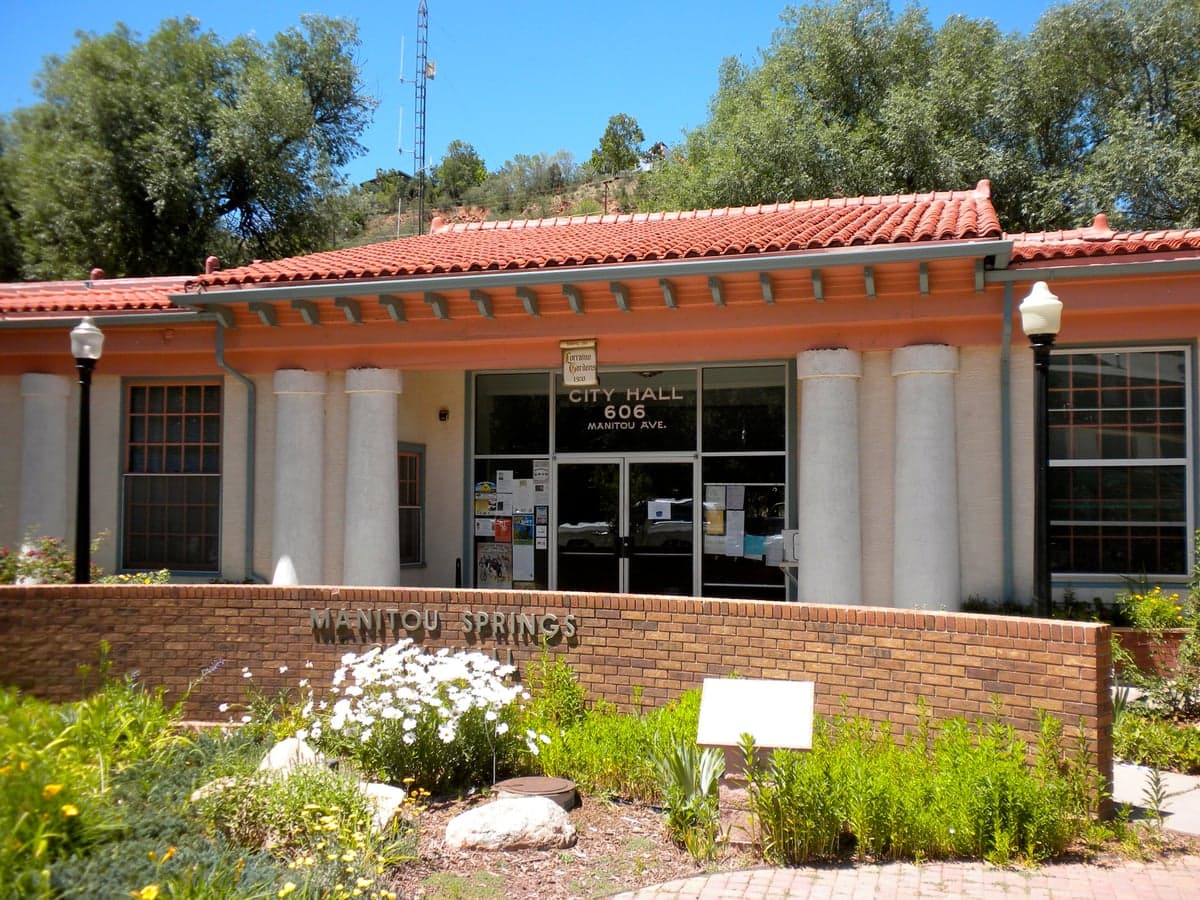
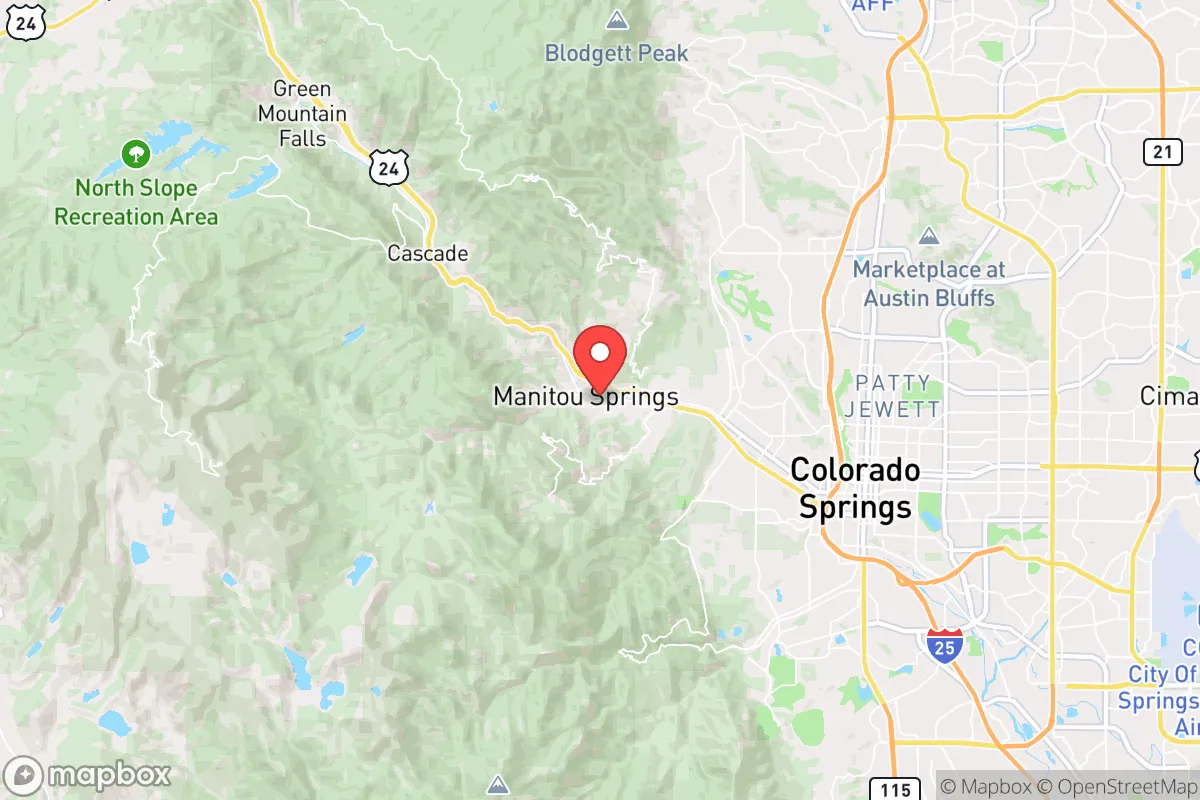
Photo: Wikipedia
Find The Best Places To Live
in Manitou Springs
PRO TIP! You can paste a Zillow or Redfin link to get info on that property.
What It's Like Living in Manitou Springs, CO
Manitou Springs feels less like a suburb of Colorado Springs and more like its own small, quirky universe tucked against the base of Pikes Peak. With just under 4,800 residents, it has the tight-knit feel of a mountain town, but with a steady flow of tourists drawn to the historic downtown and mineral springs. The vibe is artsy, outdoorsy, and proudly independent — not quite the family-suburb mold, and not the resort-town polish either.
Daily Rhythm: What Life Actually Looks Like Here
Most mornings start with a walk through town or a quick hike up the Incline or Barr Trail — locals treat the mountain like a backyard gym. Grocery shopping means heading to the local Manitou Springs Community Market for produce or driving a few miles into Colorado Springs for a big-box run. The downtown strip along Manitou Avenue is walkable and filled with independent shops, cafes, and galleries. You’ll see people grabbing coffee at Colorado Mountain Brewery or breakfast at Adam’s Mountain Café, a long-running spot for farm-to-table fare. Weekends often revolve around outdoor plans: hiking the Barr Trail, biking Garden of the Gods, or cooling off at the Manitou Springs Pool in summer. The average commute is about 25 minutes, which is manageable — most residents work in Colorado Springs or remotely, and the drive up Highway 24 can get congested with tourist traffic on weekends, but it’s rarely a grind.
Who Fits In — and Who Might Not
Manitou Springs attracts a specific type: people who value character over convenience, who don’t mind a little eccentricity, and who prioritize access to the outdoors over square footage. The median age is 44.9, and over half the population holds a college degree, which shapes the town’s intellectual and creative bent. Median household income sits at $76,550 — comfortable but not wealthy by Front Range standards. Many residents are in creative fields, remote tech work, or small business ownership. Families are present but not dominant; the schools are part of the Manitou Springs School District 14, which is small and community-focused, with strong parent involvement. If you’re looking for a place with a strong high school football culture or a big-box shopping center, this isn’t it. The town’s identity is more about art walks, mineral springs, and local festivals than Friday night lights.
Sports, Festivals, and What People Actually Do for Fun
High school sports exist — Manitou Springs High School Mustangs field teams in football, basketball, and soccer — but they don’t dominate the community’s social calendar the way they do in larger Colorado towns. The real energy goes into events like the Manitou Springs Colorado Wine Festival in spring and the Emma Crawford Coffin Races in October, a genuinely weird tradition where teams race coffins down Manitou Avenue to honor a local ghost story. The Manitou Springs Art Walk happens monthly in summer, drawing both locals and visitors. For music, you’ll find live acts at The Loft or Kinfolks, a bar and music venue that doubles as a community hangout. Outdoor recreation is the main draw: hiking, trail running, rock climbing at Garden of the Gods, and biking the Santa Fe Trail. The Pikes Peak Cog Railway is a tourist attraction, but locals use it for the views and the bragging rights.
Honest Pros and Cons of Living Here
What longtime residents love: the walkable downtown, the strong sense of community, the easy access to world-class hiking and climbing, and the town’s refusal to become a generic suburb. The mineral springs are a genuine quirk — you can fill a bottle at one of the public fountains and taste the difference. The Manitou Springs Public Library is a beloved community hub, and the local farmers market is a summer staple.
What frustrates people: the cost of living is real — the index sits at 138, well above the national average, and the median home value is $545,800, which prices out many working-class residents. Tourist traffic on weekends and during festivals can make downtown feel overrun. The violent crime rate is 242.2 per 100,000, which is higher than the national average, though most crime is property-related and concentrated in tourist-heavy areas. Winter weather is manageable — snow melts quickly in town — but the altitude (over 6,000 feet) takes getting used to. Schools are small and well-regarded, but options are limited; families often supplement with activities in Colorado Springs.
The bottom line: Manitou Springs is a place for people who want a small town with personality, not a master-planned community. It’s quirky, expensive, and occasionally crowded, but for the right person — someone who values character over convenience — it’s hard to beat.

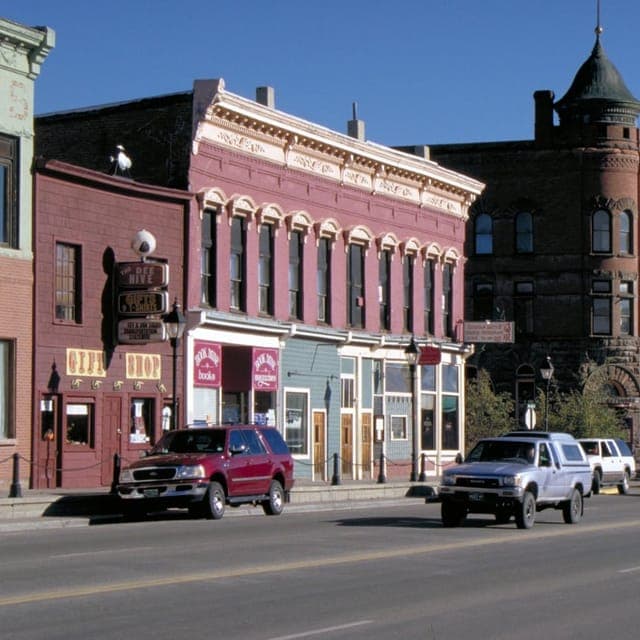
Similar small towns to Manitou Springs
* Values derived from national, state, county, city and local statistics and may differ in a specific area. Last updated: 2026-04-29T00:41:38.000Z
Narrative content on this page is AI-generated and may contain mistakes. Verify any details that matter before acting on them.
ReloMaps may earn a commission from affiliate links at no extra cost to you.

